Overmolding
Aria provides design assistance and material selection guidance to help customers optimize their overmolding projects for cost, performance, and manufacturability.
- High quality overmolding parts with quick quote
- ISO 9001:2015 certificated
- 24/7 engineering support
Start A Overmolding Quote
step | stp | stl | igs | iges | obj
- All uploads are secure and confidential.
Finished Overmolding projects
1000+
Overmolding Design
Free to modify
Experience in overmolding
15 years
Overmolding Cost
Made In China
Types of Overmolding Process
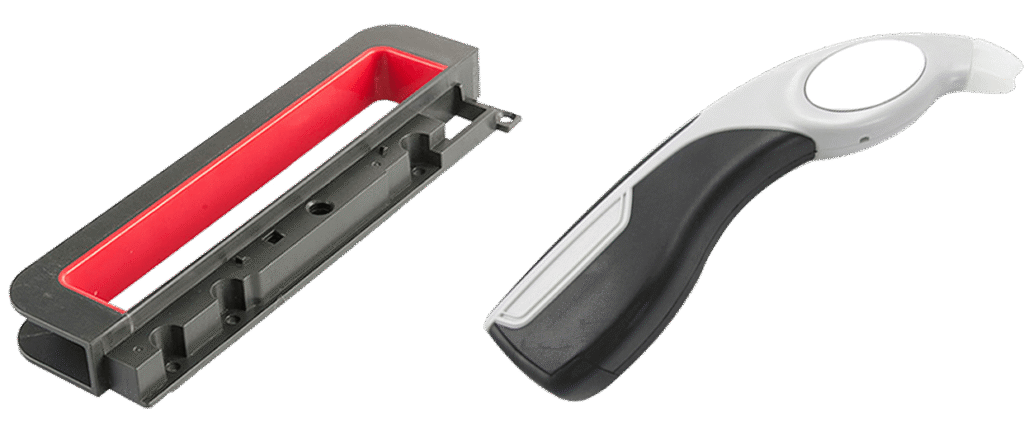
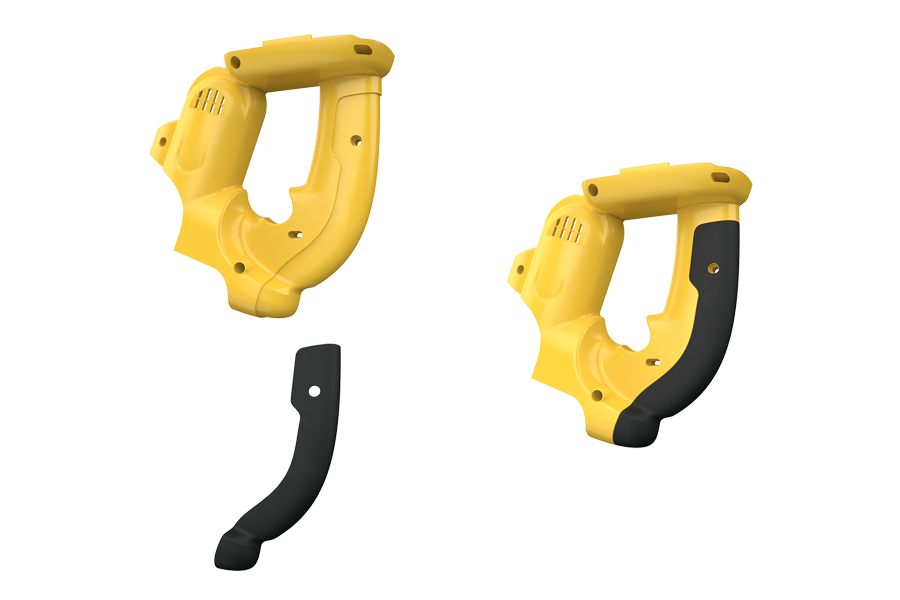
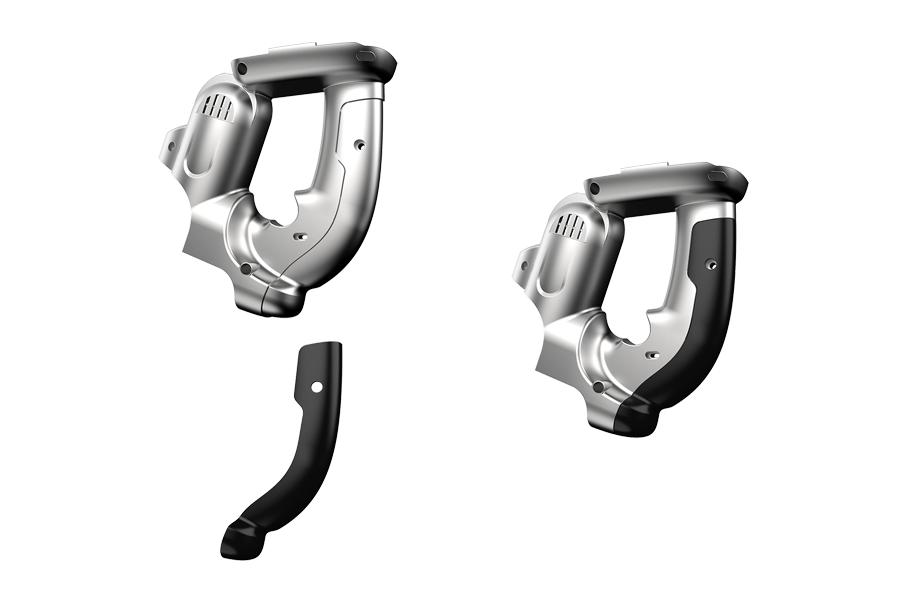
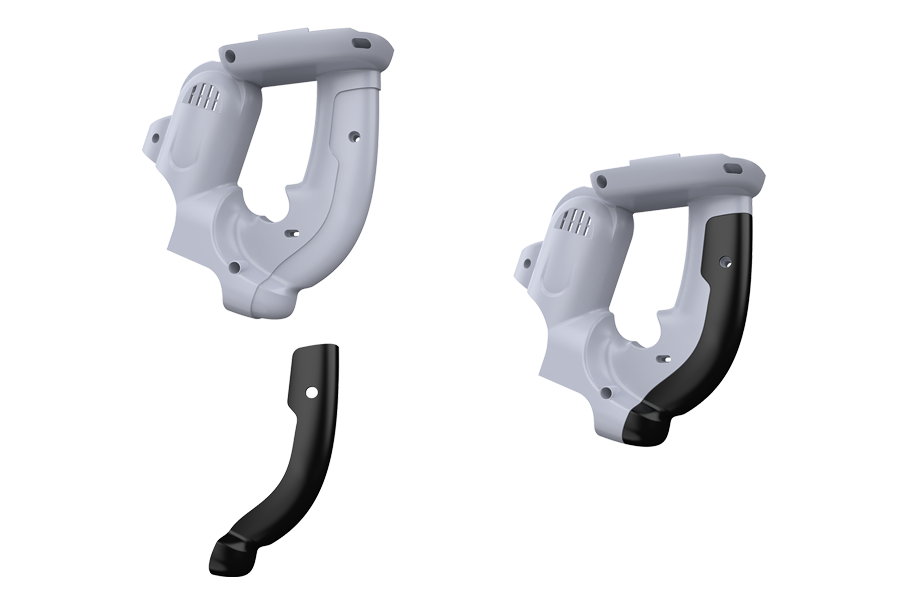
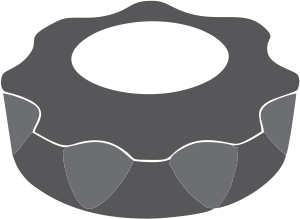
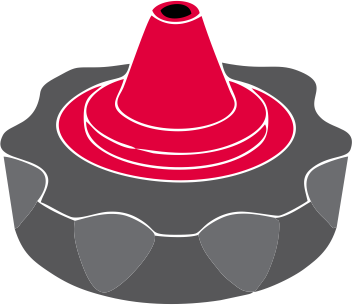
Overmolding can be used to improve the strength, durability, and aesthetics of a plastic part. It can also be used to add functionality to a part, such as adding a grippy surface or creating a water-tight seal.
Plastic Over Plastic
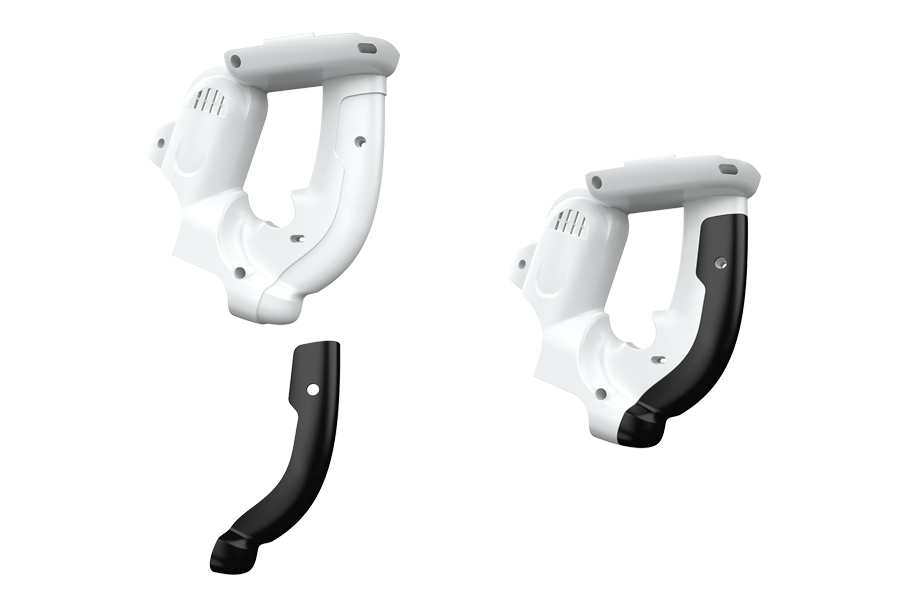
A second layer of plastic is added to the core part. This can be used to improve the strength or aesthetics of the part.
Rubber Over Plastic
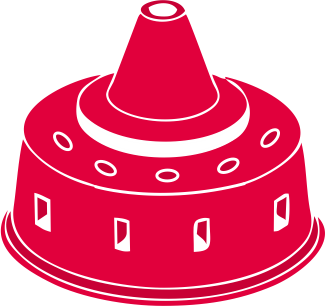
A layer of rubber is added to the core part. This can be used to improve the grip of the part or create a water-tight seal.
Plastic Over Metal
A layer of plastic is added to a metal core. This can be used to improve the durability or aesthetics of the part.
Rubber Over Metal
A layer of rubber is added to a metal core. This can be used to improve the durability or grip of the part.
How does overmoling work?
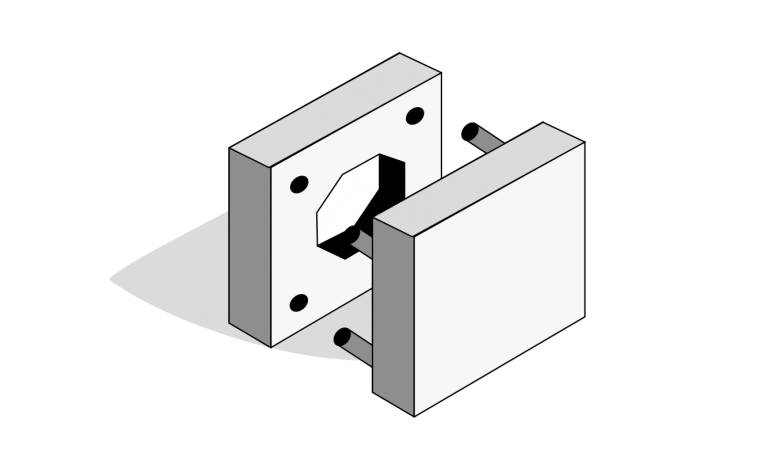
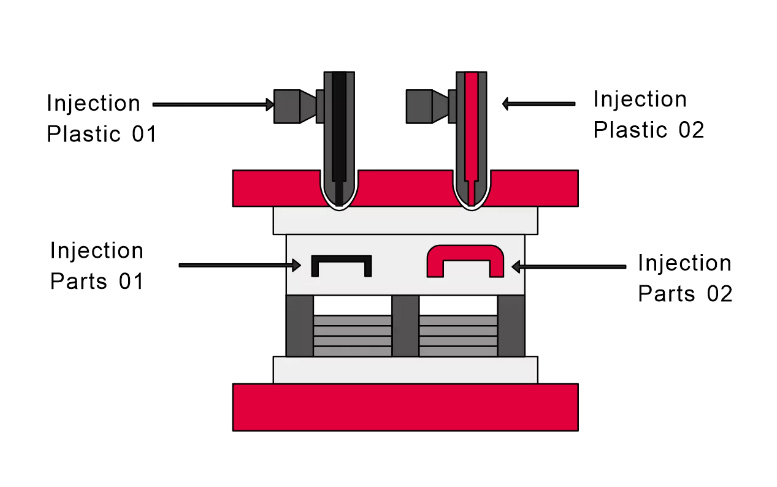
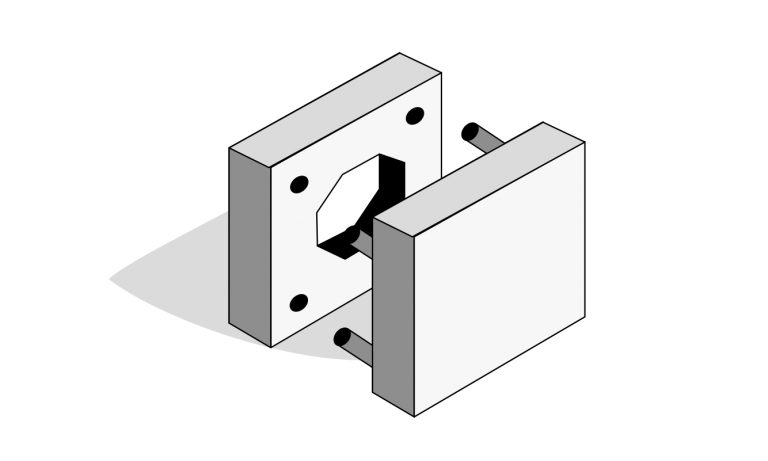
The overmolding process begins with a mold that has two halves. The first half of the mold is filled with the first material, and the second half is filled with the second material. The two materials are then injected into each other, bonding them together.
The basic items used for Over Molding have been classified into two types – the first one being the substrate, and the second one being the Over Molding material. The substrate may be composed of glass, plastic, metal, or rubber. Whereas the other item is commonly thermoplastic. When these two are combined, their adjoining can be the cause of a mechanical interlock or a chemical bond between the two. Either way, the parts create a new object, for example, scissors, cellphones, drill machines, etc.
Using Overmolding technology reduces the assembly process and manufacturing cost, improves product quality and performance, enhances the appearance and molding, and improves competition for the product.
What is Overmolding Process?
Our overmolding allowing you to create parts that meet your specific needs and requirements. With advanced materials, injection molding expertise, and secondary operations, we can help you create high-quality overmolded parts quickly and cost-effectively.
1. Molding Core Part
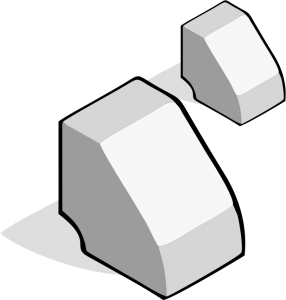
The first step is to create the core part using injection molding. This part will be the innermost layer of the overmolded part.
2. Create Overmold Layer
A second mold is created that is slightly larger than the first mold. This second mold will be used to create the overmold layer.
3. Assembly
Molten plastic is then injected into the second mold. This plastic will flow around the core part, and fill the entire mold.
4. Cooling & Demould
Once the overmold layer has cooled and hardened, it can be removed from the mold. The overmolded part will now have two layers of plastic!