
HDPE
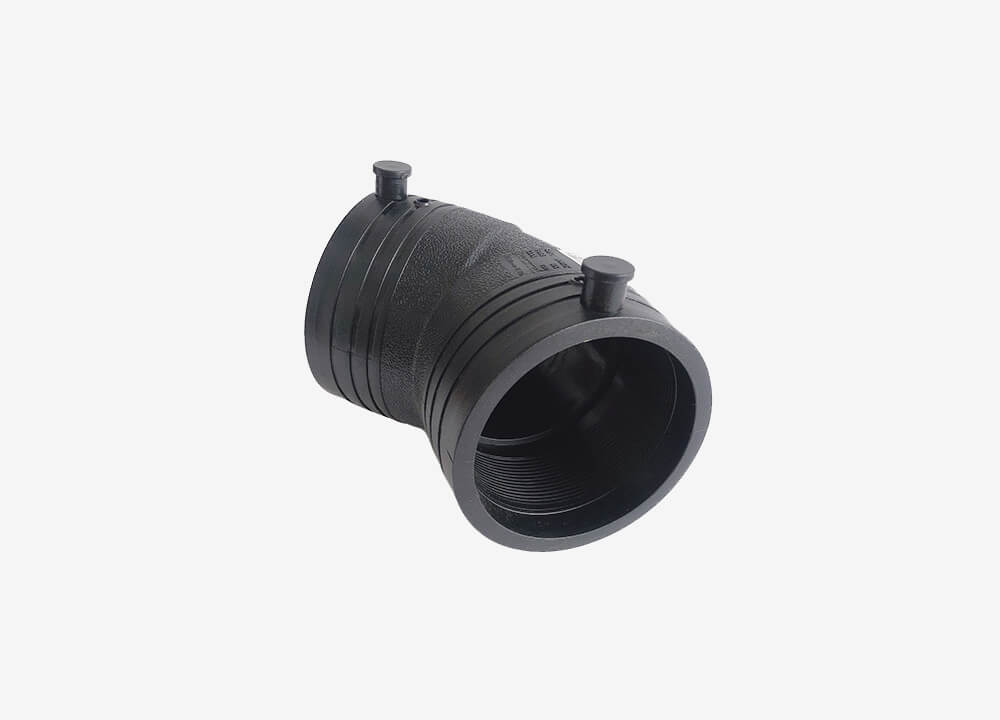
High-density polyethylene is a semi-crystalline plastic for corrosion-resistant, low-friction parts.
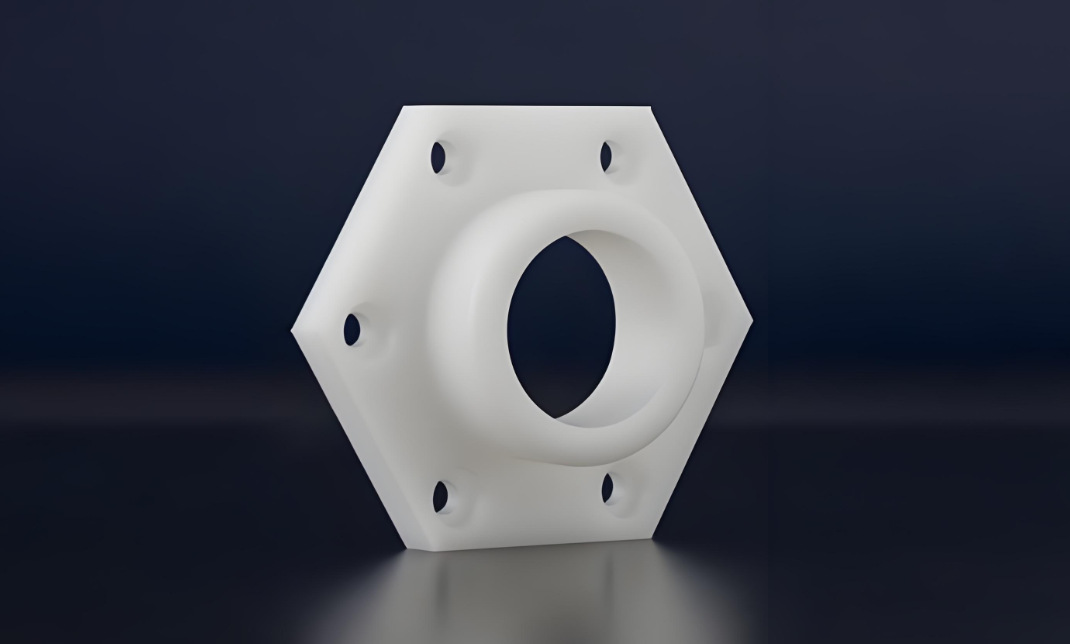


















For an HDPE wear part or corrosion-resistant component, share the loads, chemical exposure and important fits with Aria. We help you review the grade and manufacturing requirements against that use. HDPE, LDPE and UHMWPE serve different needs, so the chosen material should be explicit in the drawing and quotation.
| Property | Details |
|---|---|
| Available variants | HDPE White, HDPE Black |
| Colors | White, Black, Natural milky white, Custom colors |
| Special properties | UV-stabilized, antistatic, cross-linked PE and UHMWPE are distinct grade or material options, not properties of every HDPE grade. |
Detailed values describe SABIC HDPE M200056, injection grade (2018-10-12). Family ranges are broader selection references and may include different grades or reinforcement levels. Confirm the selected grade, condition and test method for your part.
| Property | Metric | Imperial | Test method / conditions |
|---|---|---|---|
| Density | 0.956 g/cm³ | 0.0345 lb/in³ | ASTM D1505 · 23°C · Reference: SABIC HDPE M200056, injection grade (2018-10-12) |
| Melt Flow Rate | 20 g/10min | 20 g/10min | ASTM D1238 · 190°C, 2.16 kg · Reference: SABIC HDPE M200056, injection grade (2018-10-12) |
| Tensile Strength at Yield | 24 MPa | 3,480 psi | ASTM D638 · 23°C · Reference: SABIC HDPE M200056, injection grade (2018-10-12) |
| Tensile Strength at Break | 12 MPa | 1,740 psi | ASTM D638 · 23°C · Reference: SABIC HDPE M200056, injection grade (2018-10-12) |
| Elongation at Break | >200 % | >200 % | ASTM D638 · 23°C · Reference: SABIC HDPE M200056, injection grade (2018-10-12) |
| 1% Secant Modulus | 800 MPa | 116,000 psi | ASTM D638 · 23°C · Reference: SABIC HDPE M200056, injection grade (2018-10-12) |
| Flexural Strength | 23 MPa | 3,340 psi | ASTM D790 · 23°C · Reference: SABIC HDPE M200056, injection grade (2018-10-12) |
| Flexural Modulus | 825 MPa | 120,000 psi | ISO 178/1A · 23°C · Reference: SABIC HDPE M200056, injection grade (2018-10-12) |
| Notched Izod | 30 J/m | 0.56 ft·lb/in | ASTM D256 · 23°C · Reference: SABIC HDPE M200056, injection grade (2018-10-12) |
| Shore D hardness | 60 - | 60 - | ASTM D2240 · 23°C · Reference: SABIC HDPE M200056, injection grade (2018-10-12) |
| Vicat softening temperature | 124 °C | 255 °F | ASTM D1525 · Reference: SABIC HDPE M200056, injection grade (2018-10-12) |
| Property | Family reference |
|---|---|
| Material class | General-purpose plastic |
| Density (g/cm³) | 0.94–0.97 |
| Tensile strength (MPa) | 20–35 |
| Elongation at break (%) | 100–1000 |
| Elastic modulus (GPa) | 0.8–1.5 |
| Hardness | Shore D60–70 |
| Temperature reference (°C) | Service temperature ≤80 |
CNC Milling Services: Injection molding and CNC milling or turning of sheet and rod. Control clamping forces to avoid distortion. Allow for approximately 1.5–3% molding shrinkage where applicable. Consider environmental stress cracking and confirm the UV package. HDPE, LDPE and UHMWPE have different performance and processing requirements. 3-axis milling, 4-axis milling, 5-axis milling: Use a machinable stock grade; geometry, workholding and material condition determine feasibility.
Injection molding: Injection molding and CNC milling or turning of sheet and rod. Control clamping forces to avoid distortion. Allow for approximately 1.5–3% molding shrinkage where applicable. Consider environmental stress cracking and confirm the UV package. HDPE, LDPE and UHMWPE have different performance and processing requirements. Single-material injection molding, Insert location and retention, Multi-shot / two-shot (2K) molding: Use an injection-molding grade. Fillers, shrinkage and processing temperatures affect tool and part design.
Use an injection-molding grade. Fillers, shrinkage and processing temperatures affect tool and part design.
CNC Milling Services, CNC turning: Injection molding and CNC milling or turning of sheet and rod. Control clamping forces to avoid distortion. Allow for approximately 1.5–3% molding shrinkage where applicable. Consider environmental stress cracking and confirm the UV package. HDPE, LDPE and UHMWPE have different performance and processing requirements. 3-axis milling, 4-axis milling, 5-axis milling, Cylindrical Turning, Boring, Threading, Grooving: Use a machinable stock grade; geometry, workholding and material condition determine feasibility.
CNC turning: Injection molding and CNC milling or turning of sheet and rod. Control clamping forces to avoid distortion. Allow for approximately 1.5–3% molding shrinkage where applicable. Consider environmental stress cracking and confirm the UV package. HDPE, LDPE and UHMWPE have different performance and processing requirements. Cylindrical Turning, Boring, Threading, Grooving: Use a machinable stock grade; geometry, workholding and material condition determine feasibility.
Good chemical and wear resistance, low friction, low moisture uptake and electrical insulation. Good low-temperature impact behavior, with some grades suitable below −70°C. It can be welded.
Moderate stiffness and heat resistance, large molding shrinkage and difficult bonding. Some environments cause stress cracking. Untreated grades need UV protection outdoors.
Compare materials for the loads, temperature and environment your part will face.
We review tool access, geometry and material choice before manufacturing.
Dimensional checks and inspection reports for the critical features on your drawing.
Allow for approximately 1.5–3% molding shrinkage where applicable. Consider environmental stress cracking and confirm the UV package. HDPE, LDPE and UHMWPE have different performance and processing requirements. Printing and painting need flame or corona treatment. Welding is possible; electroplating is generally unsuitable.
Mold-transferred appearance depends on the resin and tool surface; gloss and texture do not specify a material-independent roughness.
Chemical tanks and piping, containers, cutting boards, guide rails, slides, bottles and geomembranes. Food-contact use requires an appropriate approved grade.
Injection molding and CNC milling or turning of sheet and rod. Control clamping forces to avoid distortion.
Printing and painting need flame or corona treatment. Welding is possible; electroplating is generally unsuitable.
Allow for approximately 1.5–3% molding shrinkage where applicable. Consider environmental stress cracking and confirm the UV package. HDPE, LDPE and UHMWPE have different performance and processing requirements.
Natural translucent milky white to white. Black with carbon black for outdoor grades. Custom colors by grade.
Upload your CAD files and tell us the material and quantity you need.
Talk to an engineer