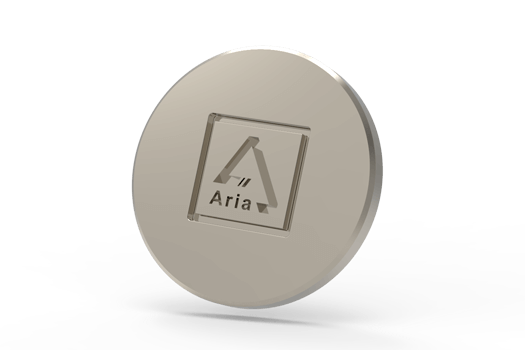
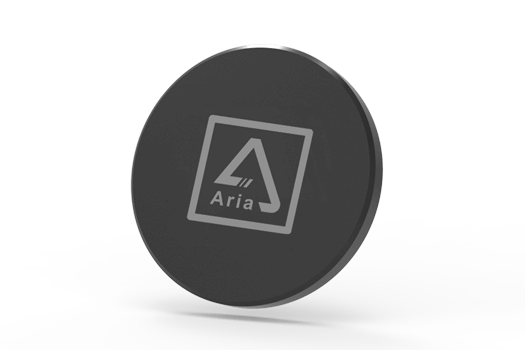
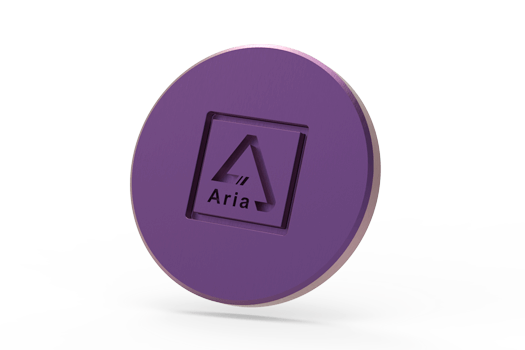
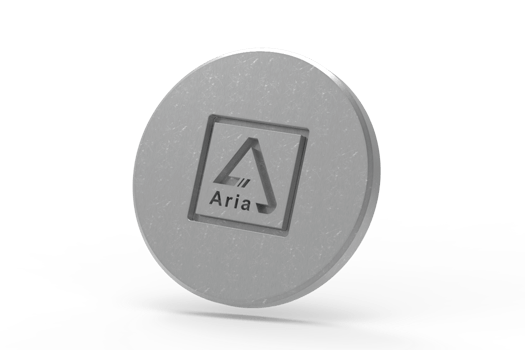
Surface Finishes

Choose a finish for function, protection, and appearance

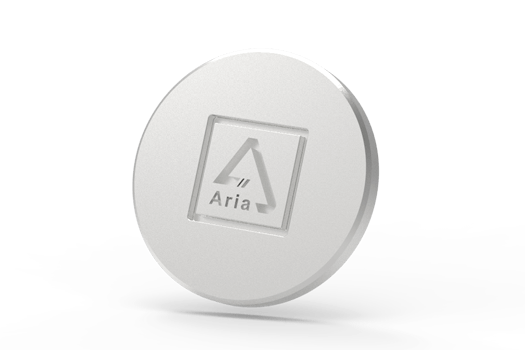
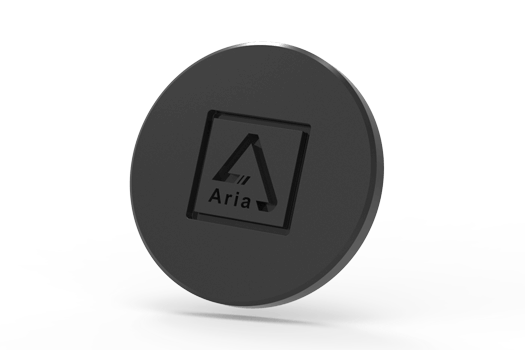
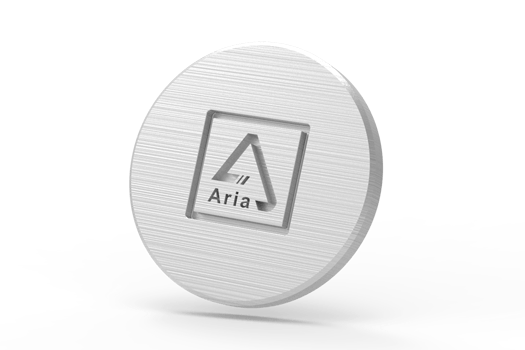
Compare finishing routes by base material, corrosion exposure, wear, color, texture, conductivity, dimensional allowance, and cosmetic acceptance.

Start with the application, current files, and the requirements that control surface finish selection.

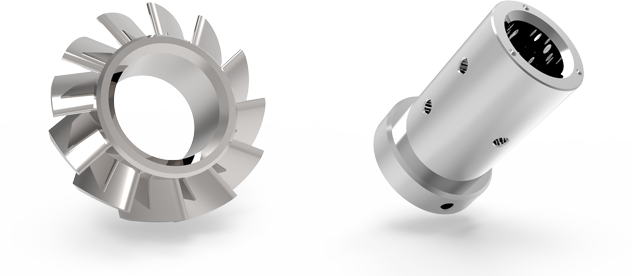
Precision turned metal components
Surface Finishes

Check material compatibility

Use this section to connect surface finish selection with the part, production, quality, and delivery decisions that affect the project.

DecisionInformation to provideWhat it changes
Part functionInterfaces, loads, environment, motion, sealing, or cosmetic zonesThe practical process and material direction
Manufacturing scopeQuantity, material, finish, revision, and target timingTooling, setup, downstream work, and schedule
AcceptanceDatums, tolerances, critical features, sampling, and required recordsInspection planning and final release

Use the drawing and project requirements to confirm the exact surface finish selection scope.

Surface Finishes

Need a specific color or texture?

Use this section to connect surface finish selection with the part, production, quality, and delivery decisions that affect the project.

Precision turned metal components
01
01

Base-material compatibility

A finish must be compatible with the alloy, plastic, or fabricated assembly beneath it.

Formed sheet metal brackets with countersunk holes
02
02

Functional surface

Wear, corrosion, insulation, conductivity, cleaning, and sealing can determine the finish route.

Laser cutting a metal sheet with visible sparks
03
03

Cosmetic standard

Define color reference, gloss, texture, masking, and acceptable variation on visible faces.

Precision turned metal components
04
04

Dimensional impact

Coating build, edge preparation, threads, bores, and mating features should be called out before finishing.

Surface Finishes

Design details to resolve early

Use this section to connect surface finish selection with the part, production, quality, and delivery decisions that affect the project.

Precision turned metal components
01
01

Base-material compatibility

A finish must be compatible with the alloy, plastic, or fabricated assembly beneath it.

Formed sheet metal brackets with countersunk holes
02
02

Functional surface

Wear, corrosion, insulation, conductivity, cleaning, and sealing can determine the finish route.

Laser cutting a metal sheet with visible sparks
03
03

Cosmetic standard

Define color reference, gloss, texture, masking, and acceptable variation on visible faces.

Precision turned metal components
04
04

Dimensional impact

Coating build, edge preparation, threads, bores, and mating features should be called out before finishing.

Start a project

Ready to review your part?

Upload the current files and requirements so the manufacturing route, quality scope, and next action can be reviewed together.