
Design feedback before production
We review tool access, geometry and material choice before manufacturing.
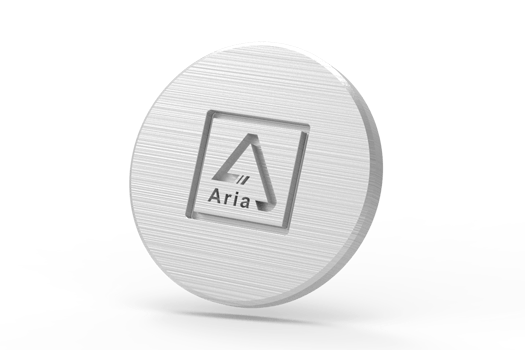

















Brushing is a surface treatment method that forms lines on the surface of the workpiece by grinding the product to achieve a decorative effect. Make the product more beautiful.
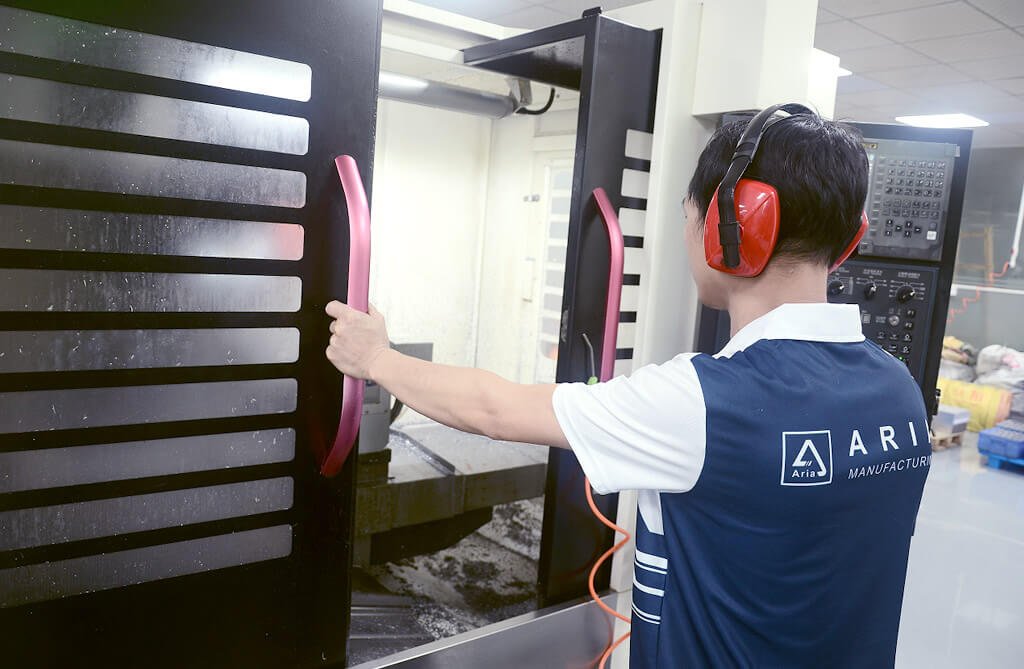
We review tool access, geometry and material choice before manufacturing.
Dimensional checks and inspection reports for the critical features on your drawing.
Tooling, finishing and inspection included in your delivery schedule.
Control anodized color consistency and allow for coating growth on close fits; the supplied reference gives 10–50 µm per side for some hard-coat processes. Welding reduces 6061-T6 strength locally and may require a specified heat-treatment route. Common alternatives include 7075, 2024, 5052 and 6063. Conventional, hard or colored anodizing; blasting, brushing, polishing, powder coating, electrophoretic coating, conversion coating and qualified nickel/chrome plating.
Consider 316/316L, 304L or other suitable grades for the environment and welding requirements. Free-machining 303 sacrifices some corrosion resistance and weldability. Use precipitation-hardening or martensitic grades when heat-treatment hardening is needed. Passivation, electropolishing, blasting, brushing, mirror polishing and qualified PVD coating; chemical coloring is process-dependent.
Confirm alloy, temper and applicable contact/compliance requirements. O60, H02 and H04 values differ. Common alternatives include C260 and C272; nominal equivalents must be checked against the applicable specification. Polishing, brushing, blasting, nickel/chrome/gold plating, anti-tarnish treatment and clear lacquer.
Upload your CAD files and tell us the material and quantity you need.
Talk to an engineer