
Advantages
Low density, useful specific strength, corrosion resistance, thermal/electrical conductivity and weldability. 6061 machines readily and accepts conventional or hard anodizing.
Aluminum alloys are used for lightweight, corrosion-resistant machined parts.
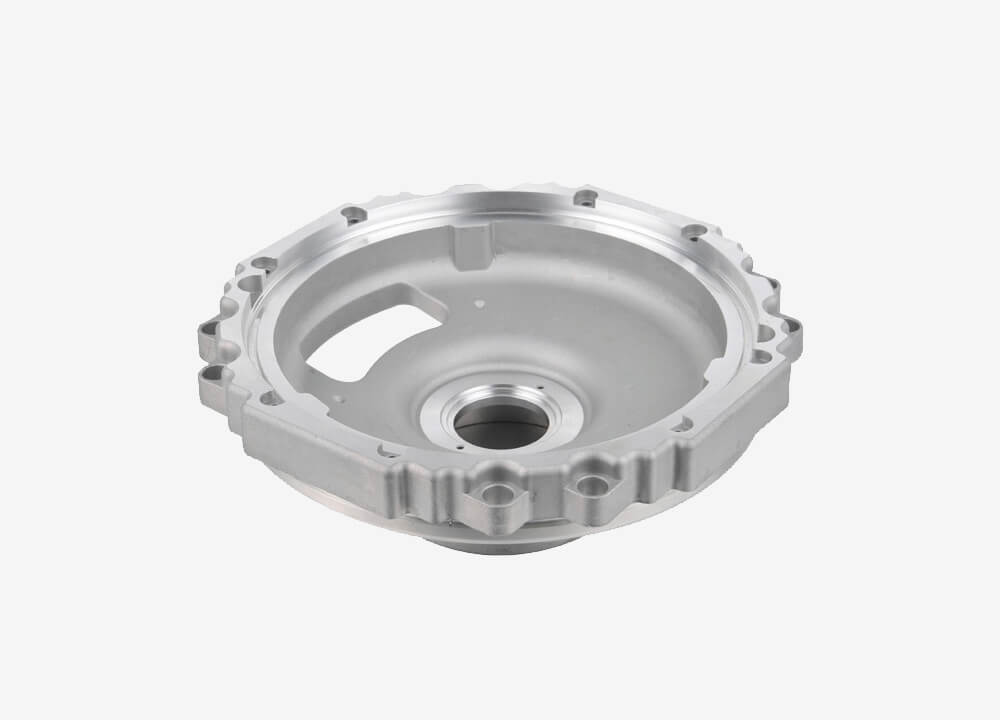


















A lightweight housing may also need a close fit, an anodized finish or an electrical contact surface. Aria helps you discuss the alloy and finishing requirements together, with critical and masked features identified on the drawing. That gives machining and inspection the same definition of the finished part.
Aria offers CNC machining and sheet metal fabrication, so you can discuss a machined housing and a formed enclosure within the same manufacturing enquiry. The proposed alloy and route follow the actual geometry.
| Property | Details |
|---|---|
| Colors | Silver-white, Custom anodized / coated colors |
| Special properties | T6 heat treatment strengthens suitable alloys. Hard anodizing can improve surface wear resistance; conductive conversion coatings serve different requirements. |
Detailed values describe 6061-T6 aluminum. Family ranges are broader selection references and may include different grades or reinforcement levels. Confirm the selected grade, condition and test method for your part. Melting temperature is not a working-temperature limit; use the mill certificate for the specified alloy and temper.
| Property | Metric | Imperial | Test method / conditions |
|---|---|---|---|
| Density | 2.70 g/cm³ | 0.098 lb/in³ | ASTM B221 · T6 · Reference: 6061-T6 aluminum |
| Tensile Strength UTS | 310 MPa | 45,000 psi | ASTM B221 · T6 · Reference: 6061-T6 aluminum |
| Yield Strength | 270 MPa | 39,000 psi | ASTM B221 · T6, 0.2% · Reference: 6061-T6 aluminum |
| Elongation | 10~17 % | 10~17 % | ASTM B221 · T6 · Reference: 6061-T6 aluminum |
| Brinell Hardness | 95 HB | 95 HB | T6 · Reference: 6061-T6 aluminum |
| Elastic Modulus | 69 GPa | 10×10⁶ psi | Reference: 6061-T6 aluminum |
| Shear Strength | 205 MPa | 30,000 psi | T6 · Reference: 6061-T6 aluminum |
| Fatigue Strength | 96 MPa | 14,000 psi | 5×10⁸ cycles · Reference: 6061-T6 aluminum |
| Thermal Conductivity | 167 W/m·K | 97 BTU/h·ft·°F | T6 · Reference: 6061-T6 aluminum |
| CTE | 23.6 µm/m·K | 13.1 µin/in·°F | 20-100°C · Reference: 6061-T6 aluminum |
| Specific Heat | 896 J/kg·K | 0.21 BTU/lb·°F | Reference: 6061-T6 aluminum |
| Melting Range | 582~652 °C | 1080~1205 °F | Solidus–liquidus · Reference: 6061-T6 aluminum |
| Electrical Conductivity | 43 % IACS | 43 % IACS | T6 · Reference: 6061-T6 aluminum |
| Property | Family reference |
|---|---|
| Material class | Light metal alloy |
| Density (g/cm³) | 2.6–2.8 |
| Tensile strength (MPa) | 90–570 |
| Elongation at break (%) | 5–25 |
| Elastic modulus (GPa) | 68–72 |
| Hardness | HB 30–150 |
| Temperature reference (°C) | Melting point 480–660 |
| Standard or designation | Scope and selection notes |
|---|---|
| ASTM B209 / B209M | Aluminum-alloy sheet and plate. |
| ASTM B211 / B211M | Rolled or cold-finished aluminum-alloy bar, rod and wire. |
| ASTM B221 / B221M | Extruded aluminum-alloy bar, rod, wire, profiles and tubes. |
| 6061 designation references | AA 6061; EN AW-6061; GB 6061. Specify the temper, product form and governing standard. |
| Before ordering | Grade names listed for comparison are not a blanket equivalence declaration. Agree the product standard, edition, delivery condition and required certificate before approving a substitution. |
Low density, useful specific strength, corrosion resistance, thermal/electrical conductivity and weldability. 6061 machines readily and accepts conventional or hard anodizing.
6061 is less strong than 7075 and loses load-bearing performance during prolonged high-temperature exposure; the supplied overview flags temperatures above 170°C.
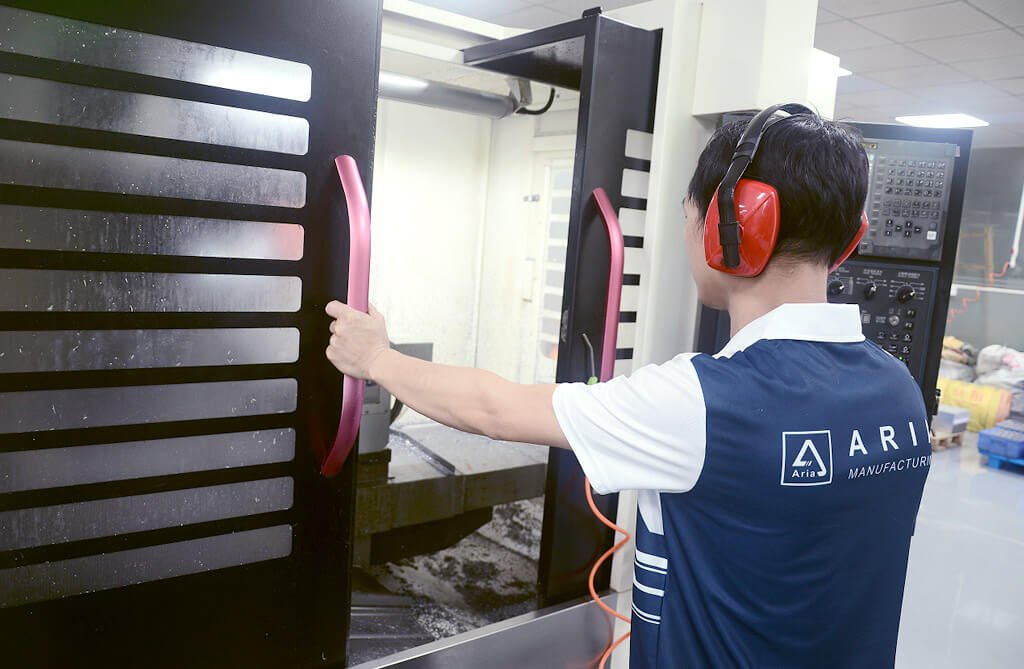
Compare materials for the loads, temperature and environment your part will face.
We review tool access, geometry and material choice before manufacturing.
Dimensional checks and inspection reports for the critical features on your drawing.
Housings, brackets, heat sinks, fixtures, consumer electronics, drone and bicycle parts, and lightweight automotive components.
Three- and five-axis CNC milling, high-speed cutting, turning, drilling, tapping and wire EDM in suitable stock.
Conventional, hard or colored anodizing; blasting, brushing, polishing, powder coating, electrophoretic coating, conversion coating and qualified nickel/chrome plating.
Control anodized color consistency and allow for coating growth on close fits; the supplied reference gives 10–50 µm per side for some hard-coat processes. Welding reduces 6061-T6 strength locally and may require a specified heat-treatment route. Common alternatives include 7075, 2024, 5052 and 6063.
Natural silver-white. Anodized black, gray, red, blue, gold and other specified colors. Custom paint or powder-coat colors.
Upload your CAD files and tell us the material and quantity you need.
Talk to an engineer