
Design feedback before production
We review tool access, geometry and material choice before manufacturing.
Plated finish selected for appearance and resistance to corrosion and wear.
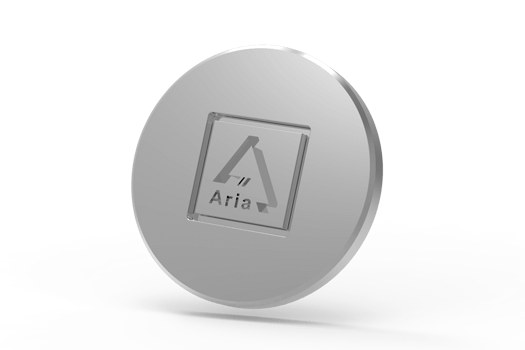


















As a type of electroplating technique, chrome plating processes a thin layer of chromium onto a plastic or metal surface. This layer can be decorative, corrosion-resistant, and increase surface hardness.
| Property | Details |
|---|---|
| Colors | Chrome |
We review tool access, geometry and material choice before manufacturing.
Dimensional checks and inspection reports for the critical features on your drawing.
Tooling, finishing and inspection included in your delivery schedule.
Electroplating or chrome plating requires plating-grade ABS. Flame-retardant grades may limit light colors and plating adhesion. Confirm bright-color consistency. Machined and printed parts need a separate texturing process rather than mold texturing. Painting, screen printing, pad printing, laser engraving, plating, vacuum metallization, hot stamping, water-transfer printing and polishing. Mold texturing applies to injection-molded parts.
Control anodized color consistency and allow for coating growth on close fits; the supplied reference gives 10–50 µm per side for some hard-coat processes. Welding reduces 6061-T6 strength locally and may require a specified heat-treatment route. Common alternatives include 7075, 2024, 5052 and 6063. Conventional, hard or colored anodizing; blasting, brushing, polishing, powder coating, electrophoretic coating, conversion coating and qualified nickel/chrome plating.
Confirm alloy, temper and applicable contact/compliance requirements. O60, H02 and H04 values differ. Common alternatives include C260 and C272; nominal equivalents must be checked against the applicable specification. Polishing, brushing, blasting, nickel/chrome/gold plating, anti-tarnish treatment and clear lacquer.
Apply rust protection promptly. Welding may need preheat and an appropriate procedure. Hot-rolled, cold-drawn, normalized and quenched-and-tempered conditions differ; use alloy steel such as 4140 where greater hardenability is required. Other carbon steels include 1018/1020, 1215/12L14 and A36. Black oxide, zinc/nickel/chrome plating, phosphate or zinc-flake coatings, powder coating, painting and protective oil.
Confirm heat-treatment hardness before quoting. Welding may need preheat in the supplied 170–350°C reference range and suitable postheat, depending on the procedure. Alternatives include 4340, carburizing grade 8620 and 4130. Quenching/tempering and nitriding; nickel/chrome plating, black oxide, phosphate, paint and zinc-flake corrosion protection.
Upload your CAD files and tell us the material and quantity you need.
Talk to an engineer