
Advantages
Excellent machinability, good surface finish, useful thermal/electrical conductivity and ready plating. C36000 is a common machinability reference material.
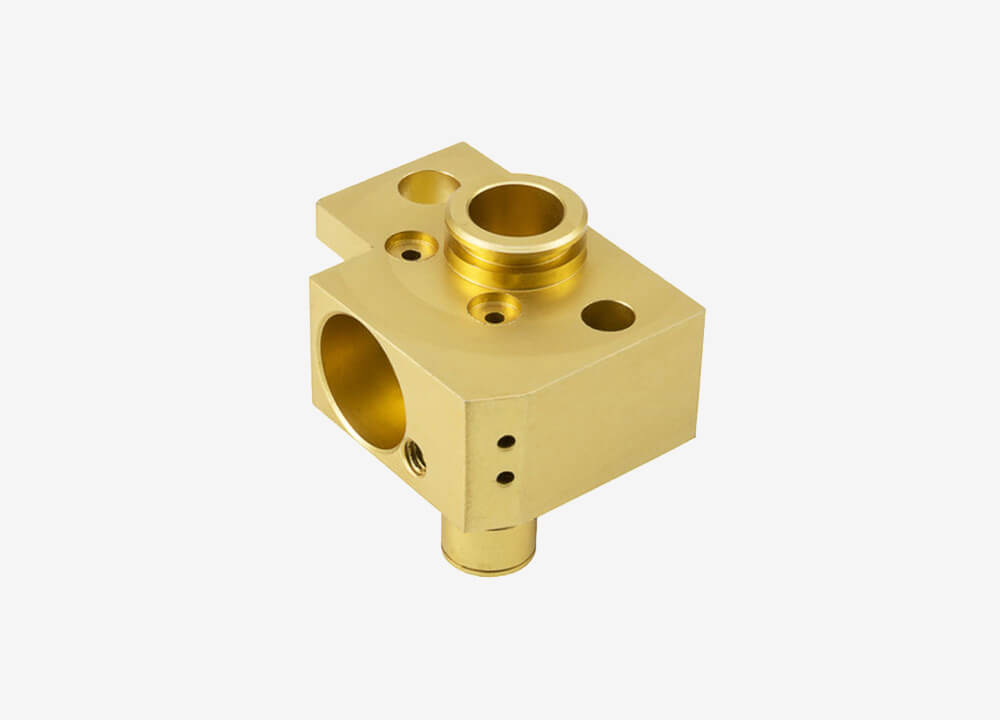

















For a brass thread, contact or turned component, tell Aria which fits and surfaces matter and whether a particular alloy or lead content is required. We help you review those requirements with the machining and inspection scope. Free-cutting and lead-free alloy choices should be identified explicitly rather than assumed from “brass.”
| Property | Details |
|---|---|
| Colors | Golden metallic |
| Special properties | Lead aids machining; specify a suitable lead-free alloy, such as C27450 or C69300, where required. |
Detailed values describe C36000 (CW603N) free-cutting brass, O60 / H02 / H04 range. Family ranges are broader selection references and may include different grades or reinforcement levels. Confirm the selected grade, condition and test method for your part. Melting temperature is not a working-temperature limit; use the mill certificate for the specified alloy and temper.
| Property | Metric | Imperial | Test method / conditions |
|---|---|---|---|
| Density | 8.5 g/cm³ | 0.307 lb/in³ | Reference: C36000 (CW603N) free-cutting brass, O60 / H02 / H04 range |
| Tensile Strength UTS | 330~530 MPa | 48~77×10³ psi | ASTM B16 · O60→H04 · Reference: C36000 (CW603N) free-cutting brass, O60 / H02 / H04 range |
| Yield Strength | 140~260 MPa | 20~38×10³ psi | ASTM B16 · O60→H04 · Reference: C36000 (CW603N) free-cutting brass, O60 / H02 / H04 range |
| Elongation | 5.8~23 % | 5.8~23 % | ASTM B16 · Depends on temper / condition · Reference: C36000 (CW603N) free-cutting brass, O60 / H02 / H04 range |
| Machinability | 100 % reference | 100 % reference | Reference rating · Reference: C36000 (CW603N) free-cutting brass, O60 / H02 / H04 range |
| Elastic Modulus | 100 GPa | 15×10⁶ psi | Reference: C36000 (CW603N) free-cutting brass, O60 / H02 / H04 range |
| Shear Strength | 210~310 MPa | 31~45×10³ psi | Depends on temper / condition · Reference: C36000 (CW603N) free-cutting brass, O60 / H02 / H04 range |
| Thermal Conductivity | 120 W/m·K | 67 BTU/h·ft·°F | Room temperature · Reference: C36000 (CW603N) free-cutting brass, O60 / H02 / H04 range |
| CTE | 21 µm/m·K | 11.7 µin/in·°F | Reference: C36000 (CW603N) free-cutting brass, O60 / H02 / H04 range |
| Specific Heat | 380 J/kg·K | 0.090 BTU/lb·°F | Reference: C36000 (CW603N) free-cutting brass, O60 / H02 / H04 range |
| Melting Range | 890~900 °C | 1630~1650 °F | Solidus–liquidus · Reference: C36000 (CW603N) free-cutting brass, O60 / H02 / H04 range |
| Electrical Conductivity | 26 % IACS | 26 % IACS | Reference: C36000 (CW603N) free-cutting brass, O60 / H02 / H04 range |
| Property | Family reference |
|---|---|
| Material class | Copper / copper alloy |
| Density (g/cm³) | 8.4–8.7 |
| Tensile strength (MPa) | 300–550 |
| Elongation at break (%) | 5–50 |
| Elastic modulus (GPa) | 95–115 |
| Hardness | HB 55–150 |
| Temperature reference (°C) | Melting point 900–940 |
| Standard or designation | Scope and selection notes |
|---|---|
| ASTM B16 / B16M | Free-cutting brass rod, bar and shapes; specify alloy and temper. |
| Regional grade comparison | UNS C36000 and EN CW603N are free-machining brass references. GB HPb59-1 is a regional comparison, with different composition limits; it is not an automatic substitute. |
| Before ordering | Grade names listed for comparison are not a blanket equivalence declaration. Agree the product standard, edition, delivery condition and required certificate before approving a substitution. |
CNC Milling Services: High-speed CNC turning, screw machining and Swiss turning; milling, drilling, tapping and knurling. Confirm alloy, temper and applicable contact/compliance requirements. O60, H02 and H04 values differ. Common alternatives include C260 and C272; nominal equivalents must be checked against the applicable specification. 3-axis milling, 4-axis milling, 5-axis milling: Use a machinable stock grade; geometry, workholding and material condition determine feasibility.
Insert selection: These are insert materials, not the surrounding resin. Review retention geometry, exposed surfaces and molding temperature. Elastomer over metal, Plastic over metal: Metal is the insert or substrate; polymer is the molded layer. Review grade pairing, surface preparation, thermal movement and retention.
These are insert materials, not the surrounding resin. Review retention geometry, exposed surfaces and molding temperature.
CNC Milling Services, CNC turning: High-speed CNC turning, screw machining and Swiss turning; milling, drilling, tapping and knurling. Confirm alloy, temper and applicable contact/compliance requirements. O60, H02 and H04 values differ. Common alternatives include C260 and C272; nominal equivalents must be checked against the applicable specification. 3-axis milling, 4-axis milling, 5-axis milling, Cylindrical Turning, Boring, Threading, Grooving: Use a machinable stock grade; geometry, workholding and material condition determine feasibility. Wire EDM, Sinker EDM, EDM hole drilling: The workpiece must be electrically conductive. Confirm electrode access and any surface removal after EDM.
CNC turning: High-speed CNC turning, screw machining and Swiss turning; milling, drilling, tapping and knurling. Confirm alloy, temper and applicable contact/compliance requirements. O60, H02 and H04 values differ. Common alternatives include C260 and C272; nominal equivalents must be checked against the applicable specification. Cylindrical Turning, Boring, Threading, Grooving: Use a machinable stock grade; geometry, workholding and material condition determine feasibility.
Metal is the insert or substrate; polymer is the molded layer. Review grade pairing, surface preparation, thermal movement and retention.
The workpiece must be electrically conductive. Confirm electrode access and any surface removal after EDM.
Excellent machinability, good surface finish, useful thermal/electrical conductivity and ready plating. C36000 is a common machinability reference material.
Moderate strength and heat resistance. Lead content limits suitability for some regulated or contact applications; exposed surfaces can tarnish.
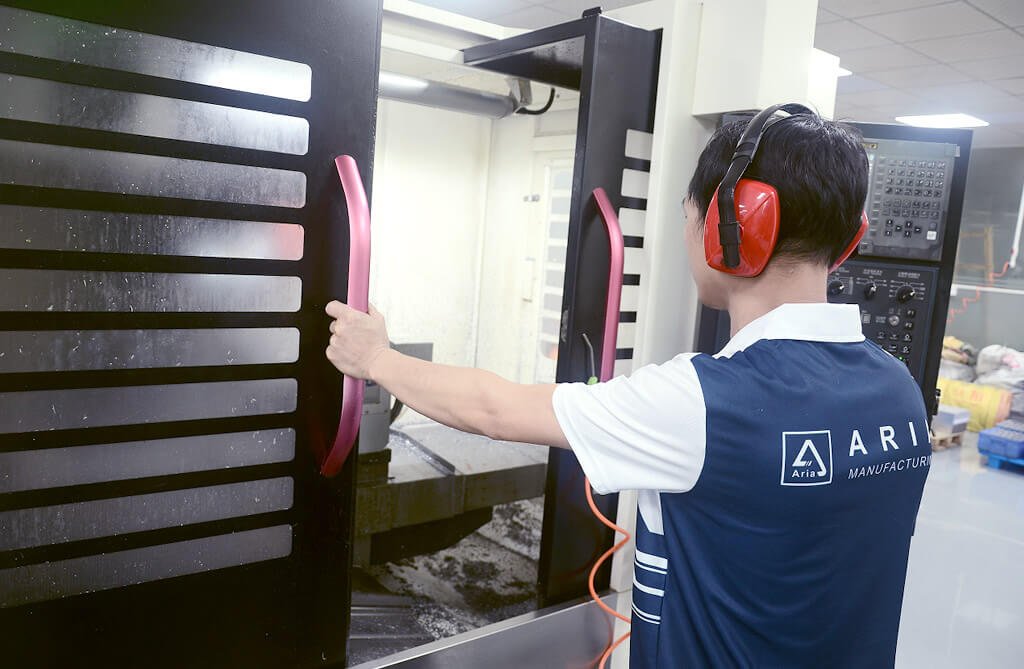
Compare materials for the loads, temperature and environment your part will face.
We review tool access, geometry and material choice before manufacturing.
Dimensional checks and inspection reports for the critical features on your drawing.
Confirm alloy, temper and applicable contact/compliance requirements. O60, H02 and H04 values differ. Common alternatives include C260 and C272; nominal equivalents must be checked against the applicable specification. Polishing, brushing, blasting, nickel/chrome/gold plating, anti-tarnish treatment and clear lacquer.
Select preparation and coating system for the alloy, surface condition and functional requirements.
Screw-machine parts, valves, fittings, gears, instrument components, electrical connectors and decorative hardware.
High-speed CNC turning, screw machining and Swiss turning; milling, drilling, tapping and knurling.
Polishing, brushing, blasting, nickel/chrome/gold plating, anti-tarnish treatment and clear lacquer.
Confirm alloy, temper and applicable contact/compliance requirements. O60, H02 and H04 values differ. Common alternatives include C260 and C272; nominal equivalents must be checked against the applicable specification.
Natural golden metallic color. Polished, brushed or blasted finishes. Nickel, chrome or gold plating; clear protective lacquer.
Upload your CAD files and tell us the material and quantity you need.
Talk to an engineer