
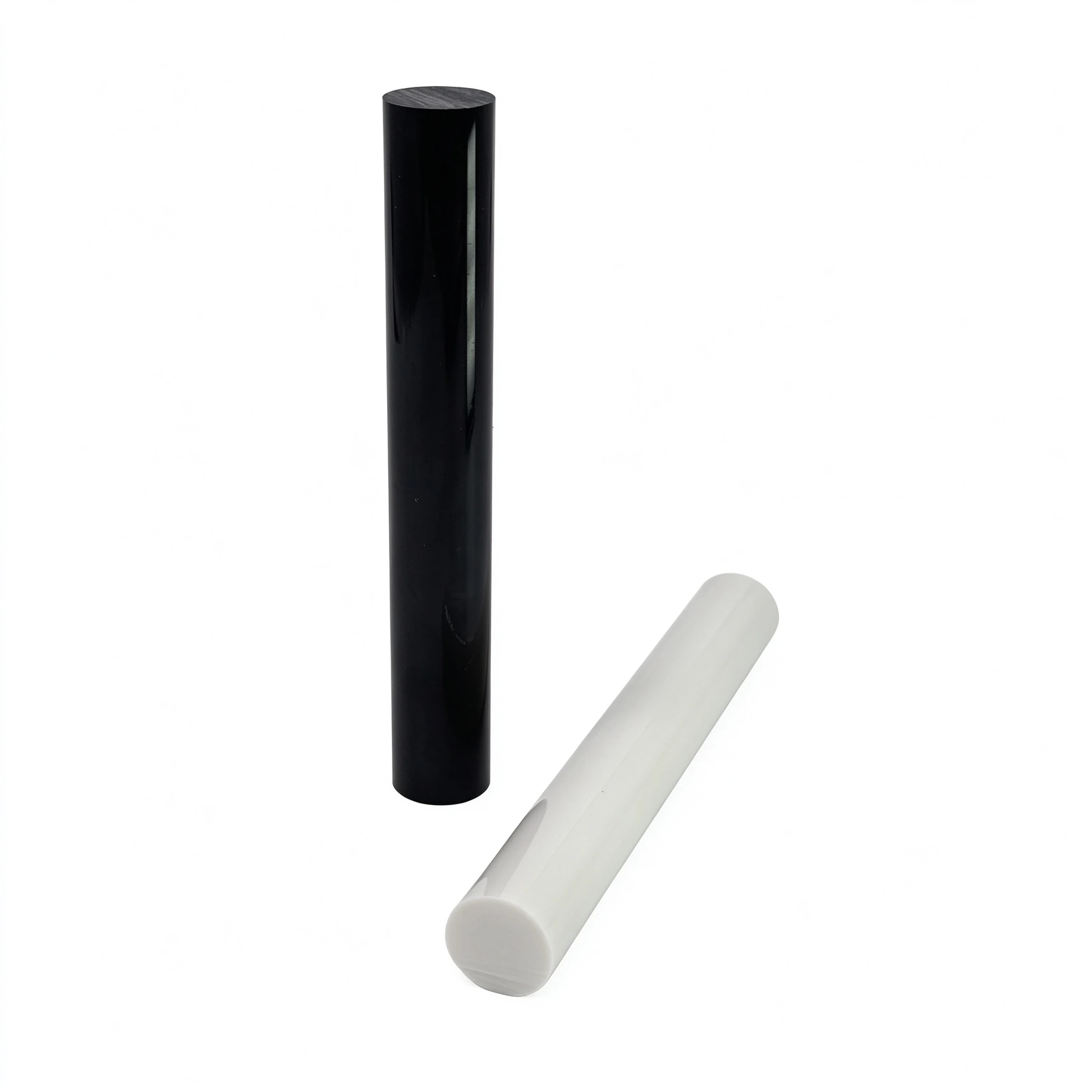
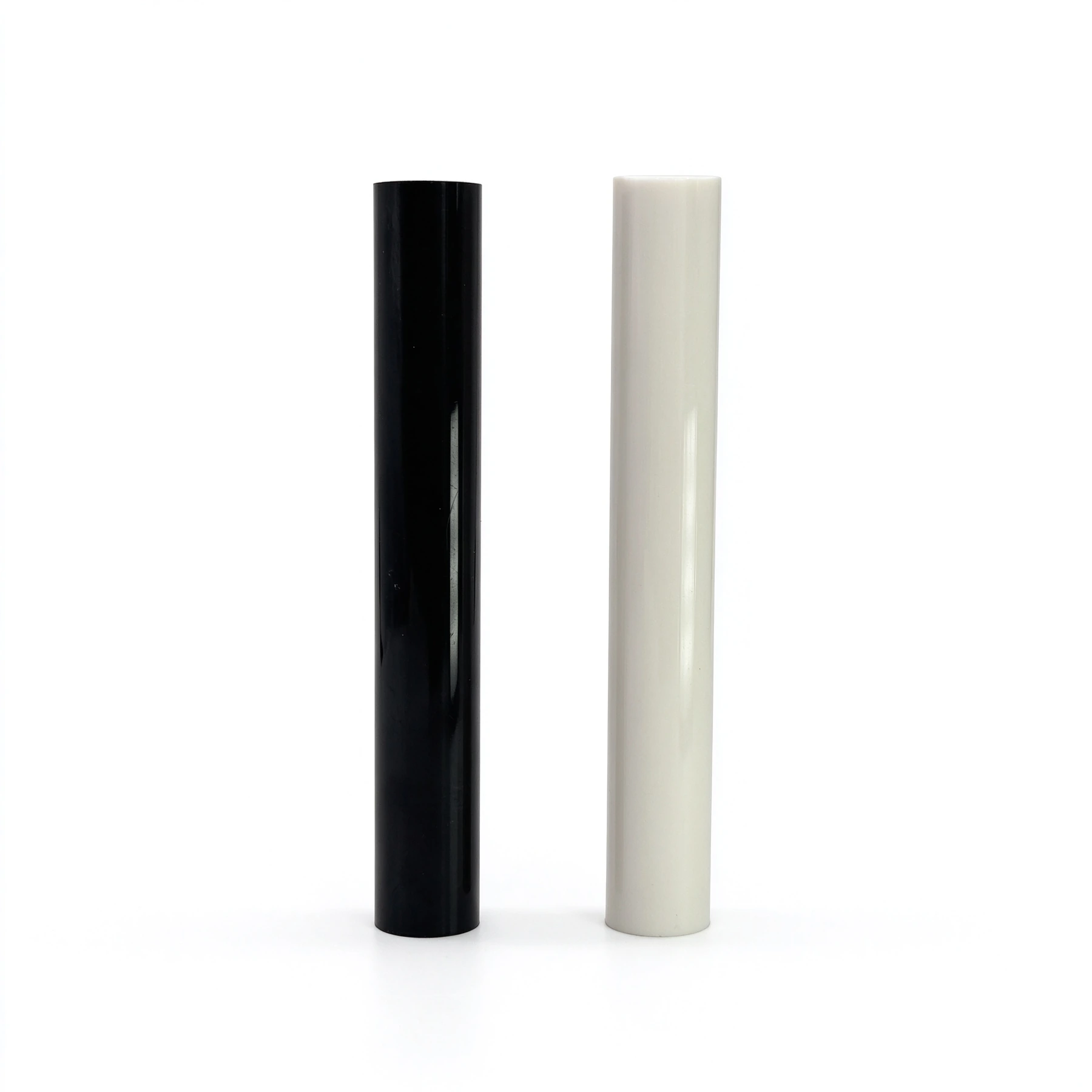
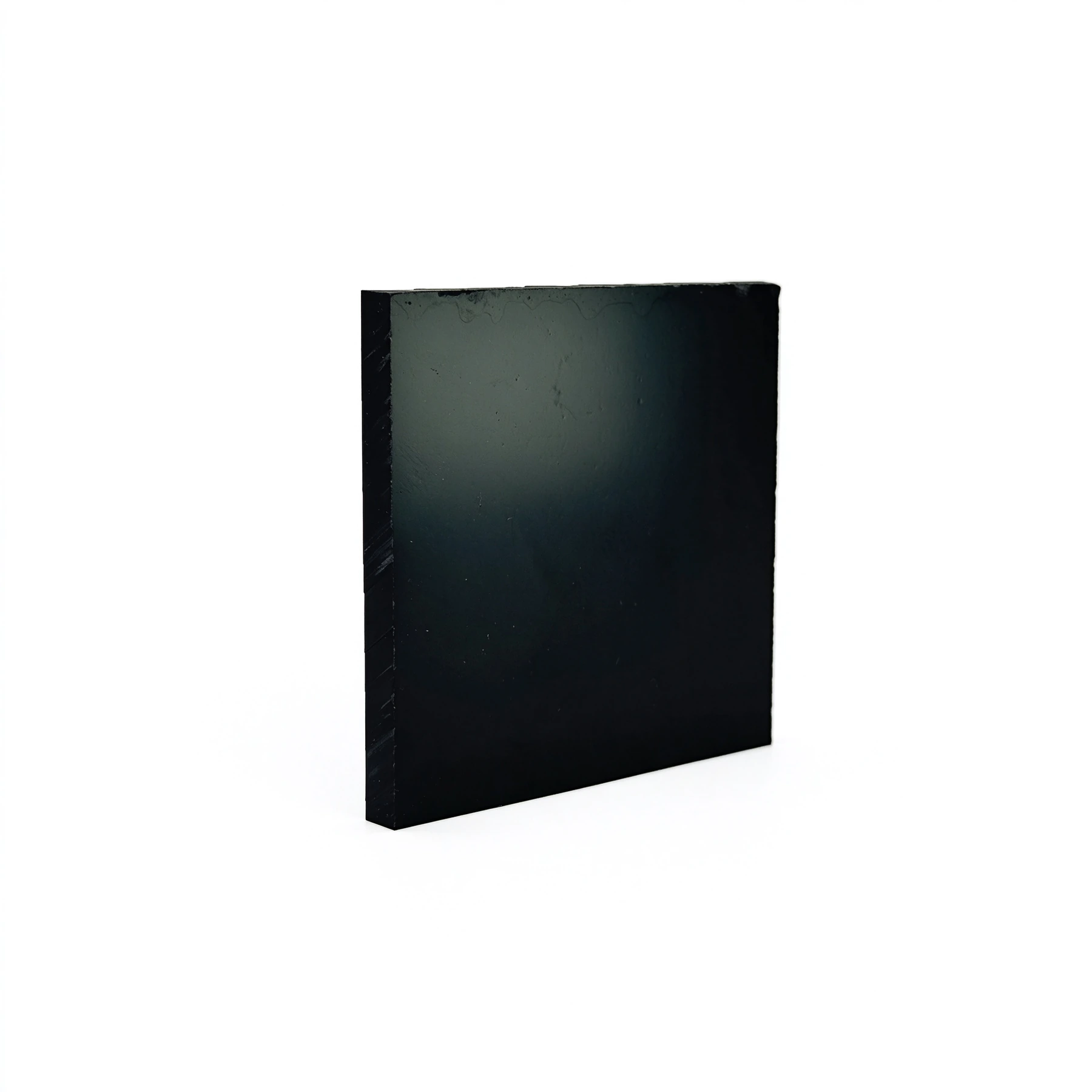
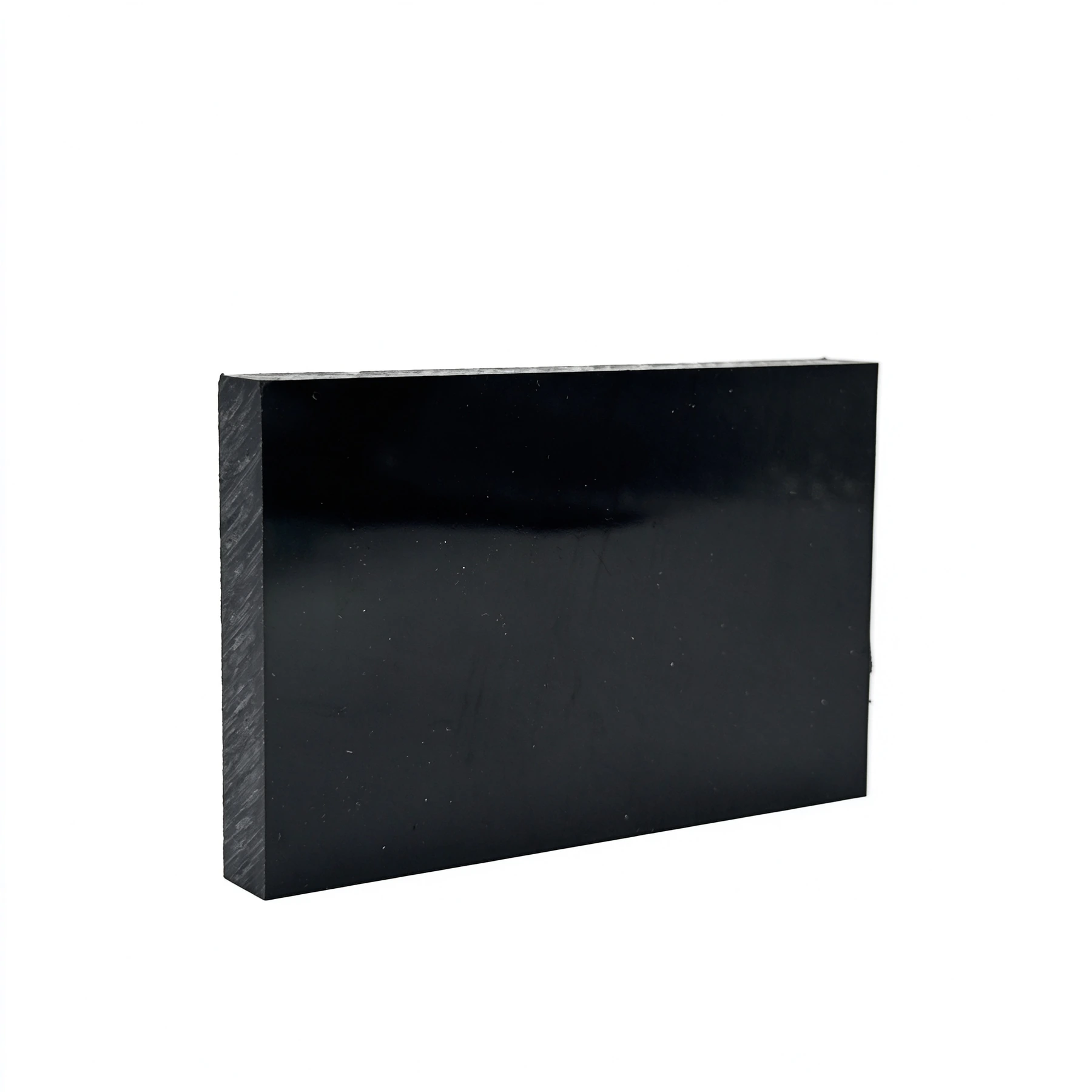
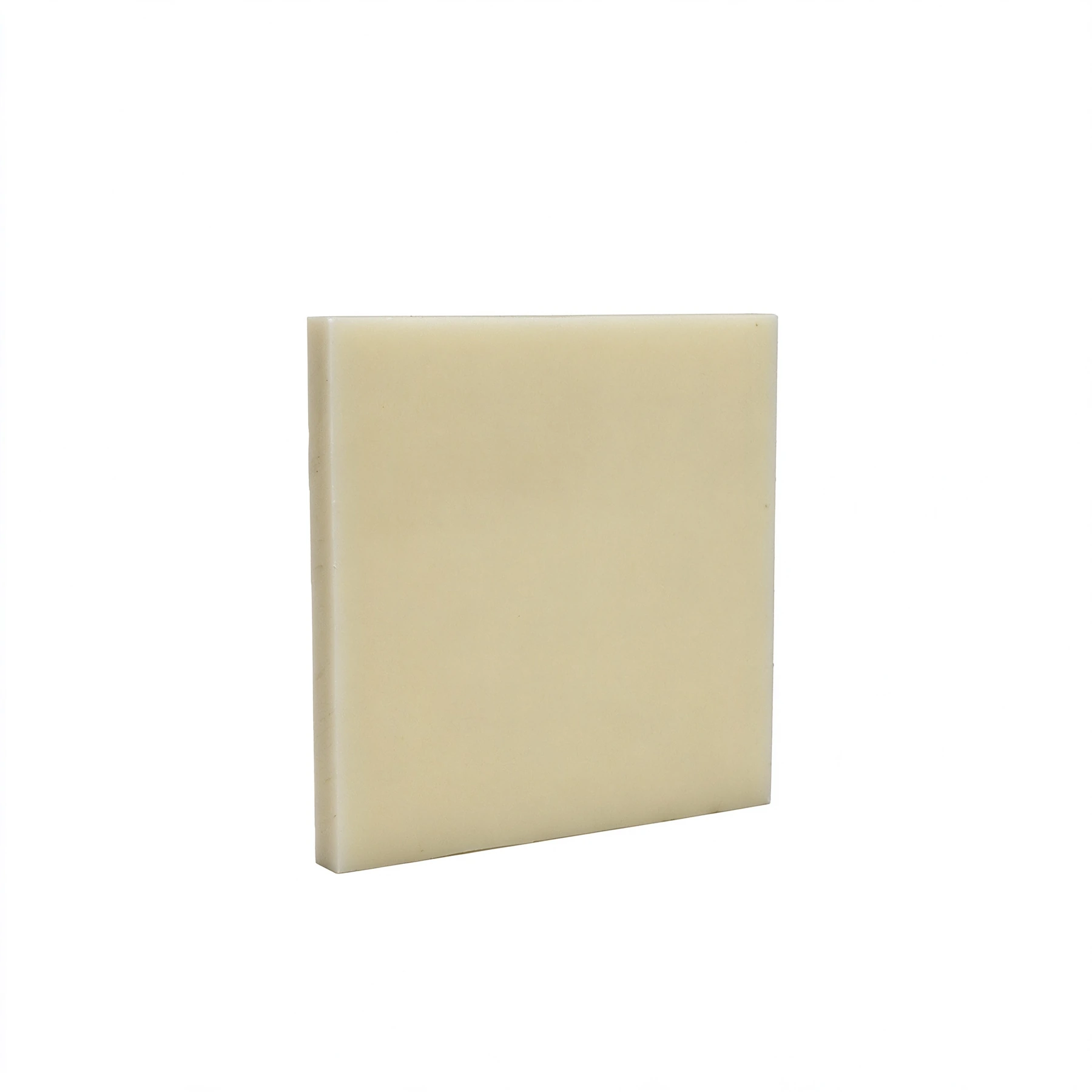
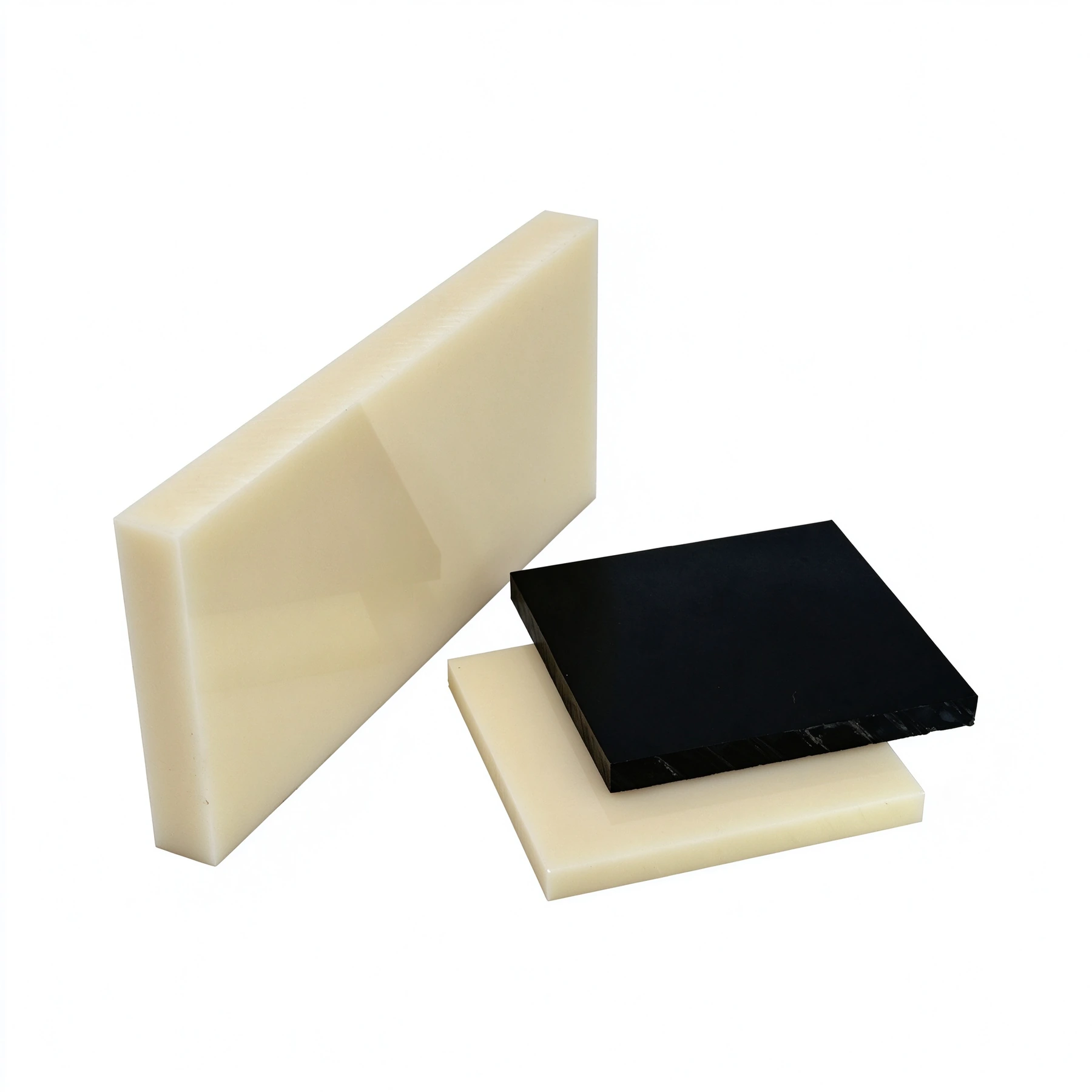
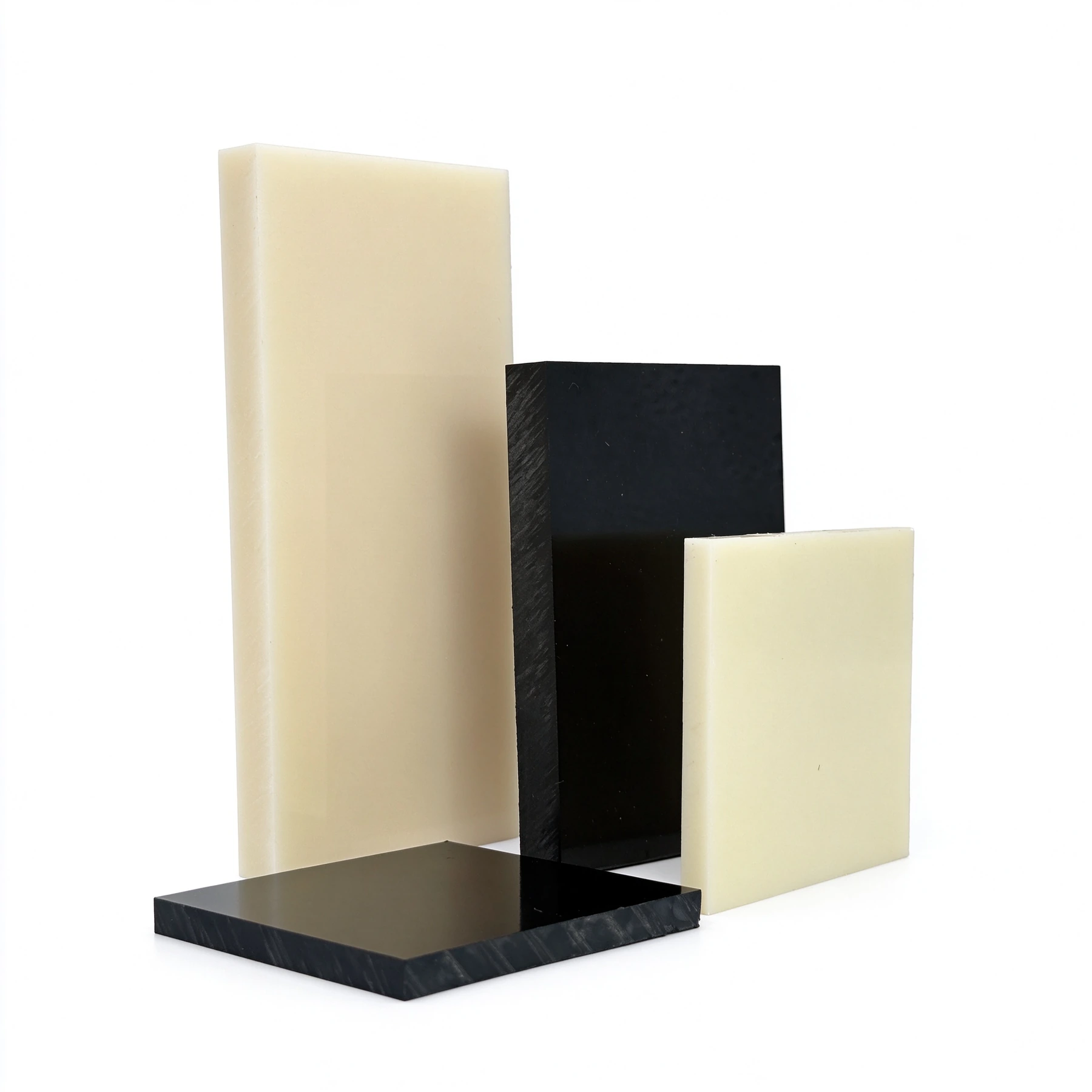
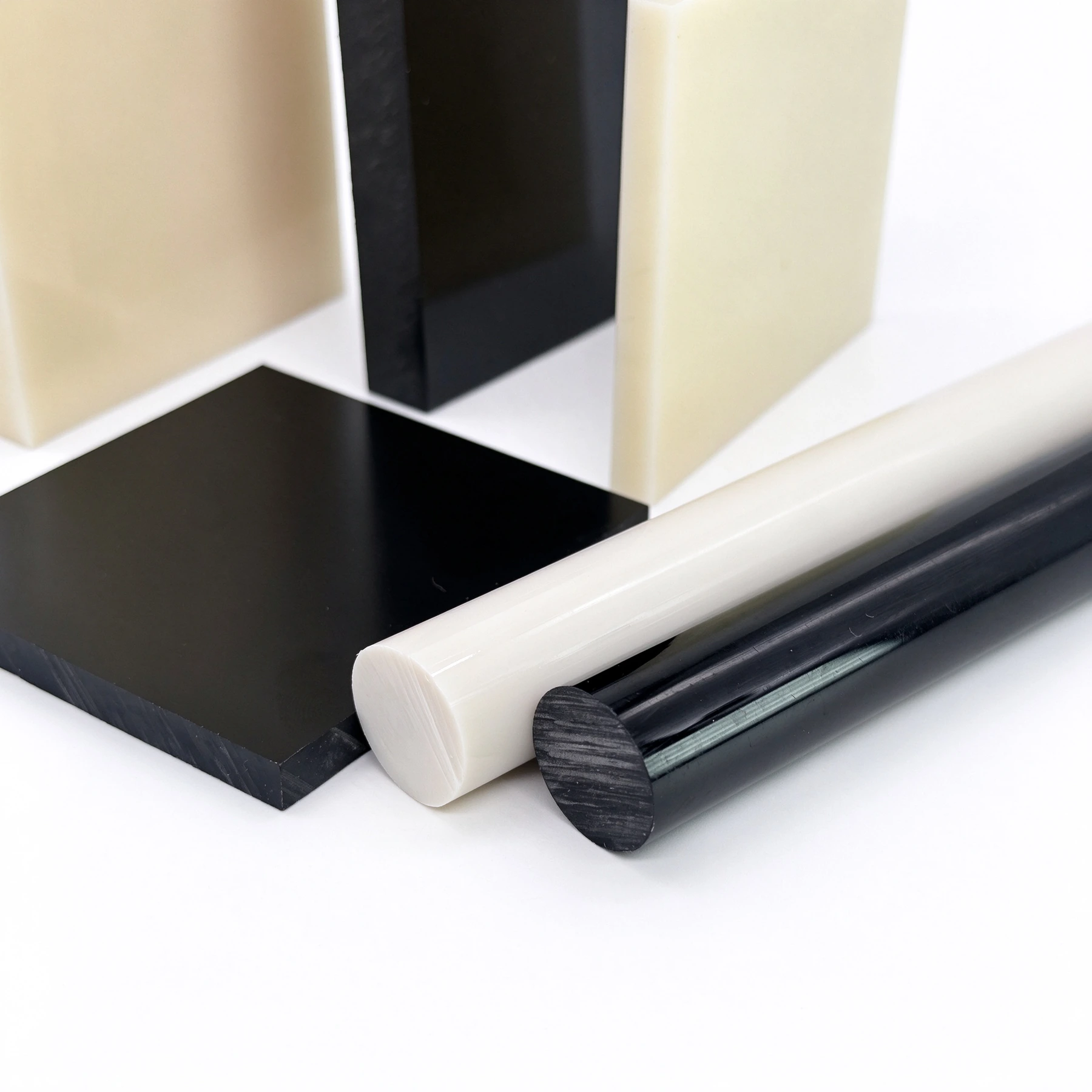
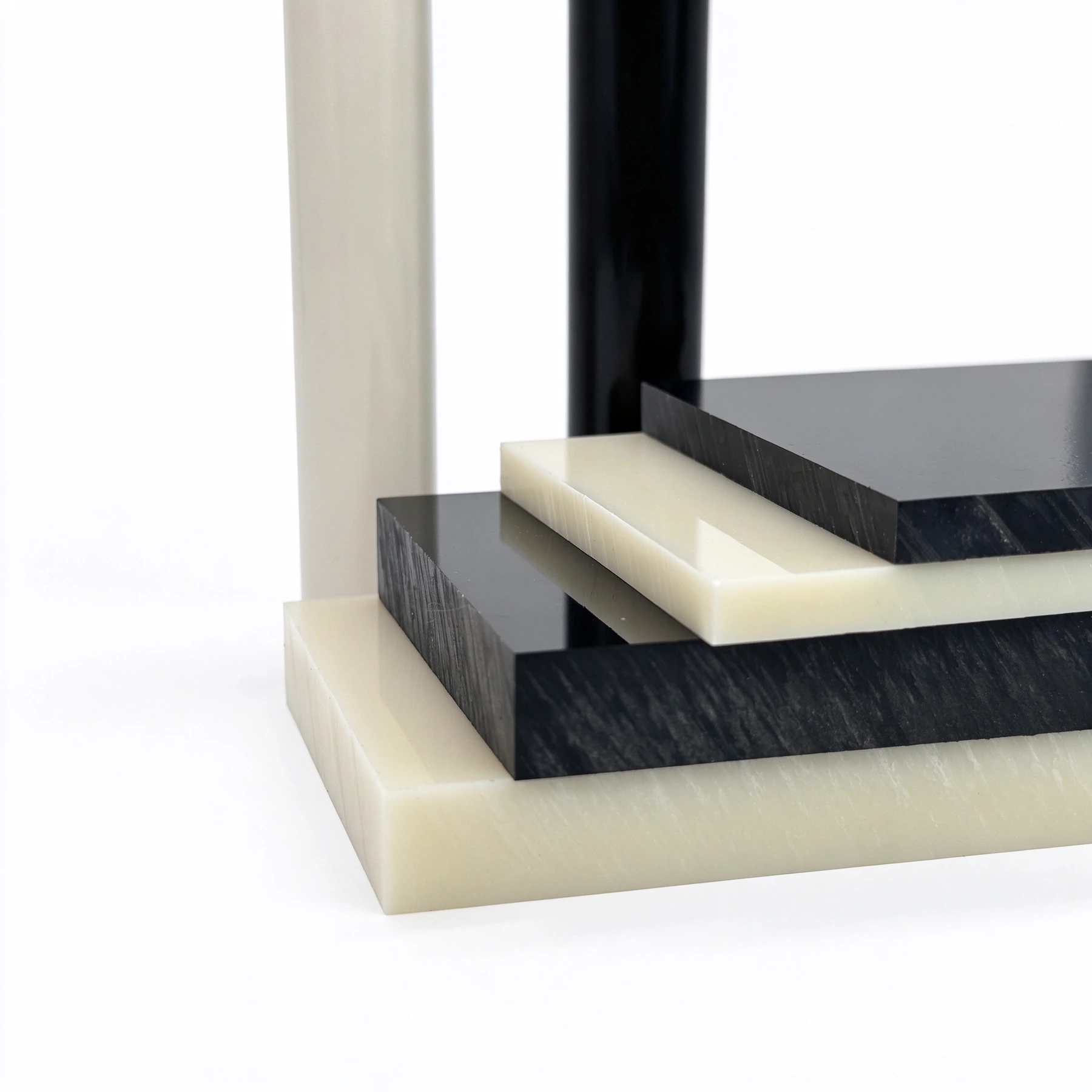
ABS stock — view 01
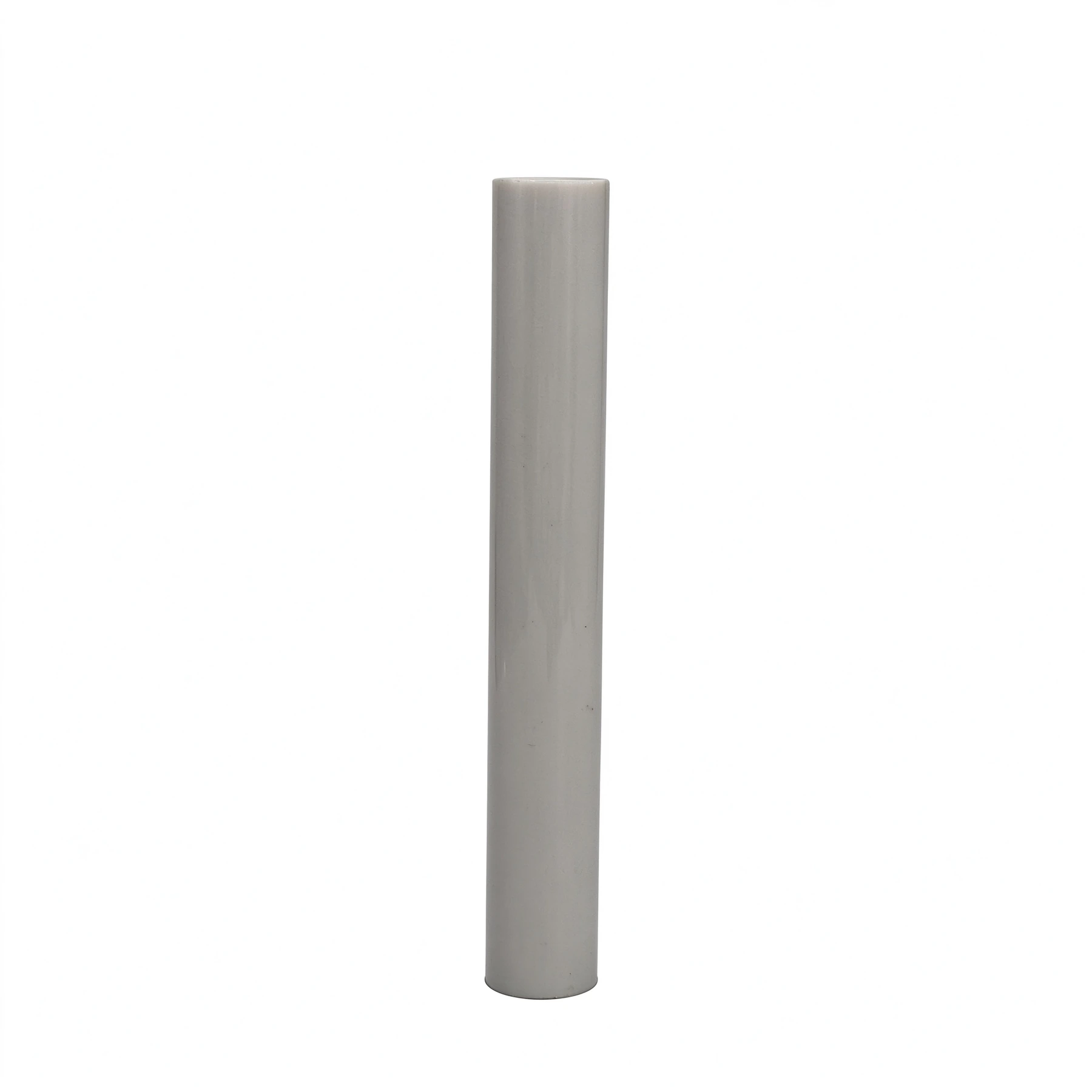
ABS is an amorphous thermoplastic that balances impact strength, stiffness and a smooth appearance for molded housings and machined prototypes.
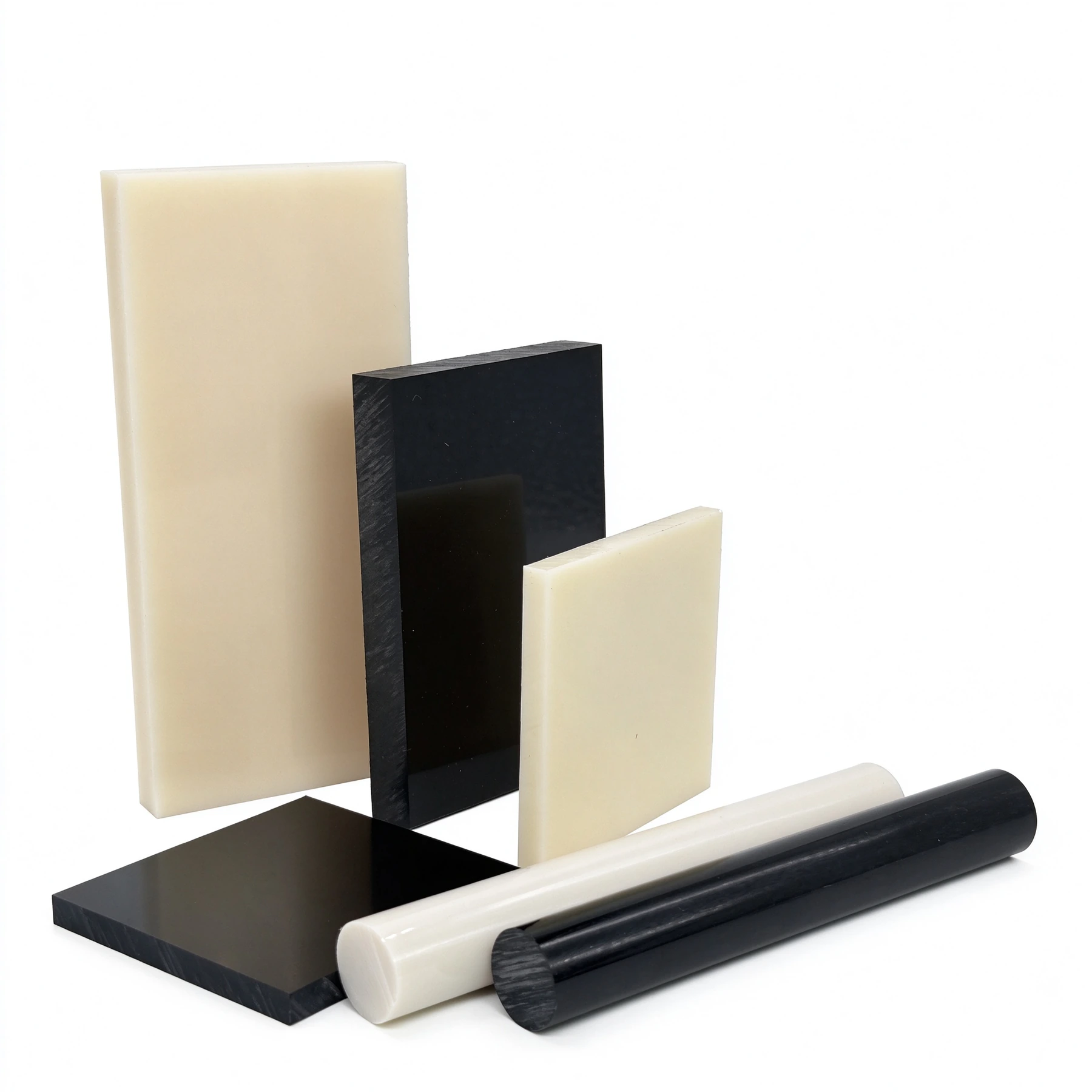


















For an ABS housing or prototype, tell Aria which faces are visible and which features locate or fasten the assembly. Our material and design discussion can then cover the grade, color, finish and critical dimensions together. If flame resistance, plating or another special requirement matters, identify it before the material is selected.
You can discuss machined prototypes, printed models and injection-molded ABS parts with Aria. Each stage needs its own material and acceptance requirements, while your part drawing keeps the design discussion connected.
| Property | Details |
|---|---|
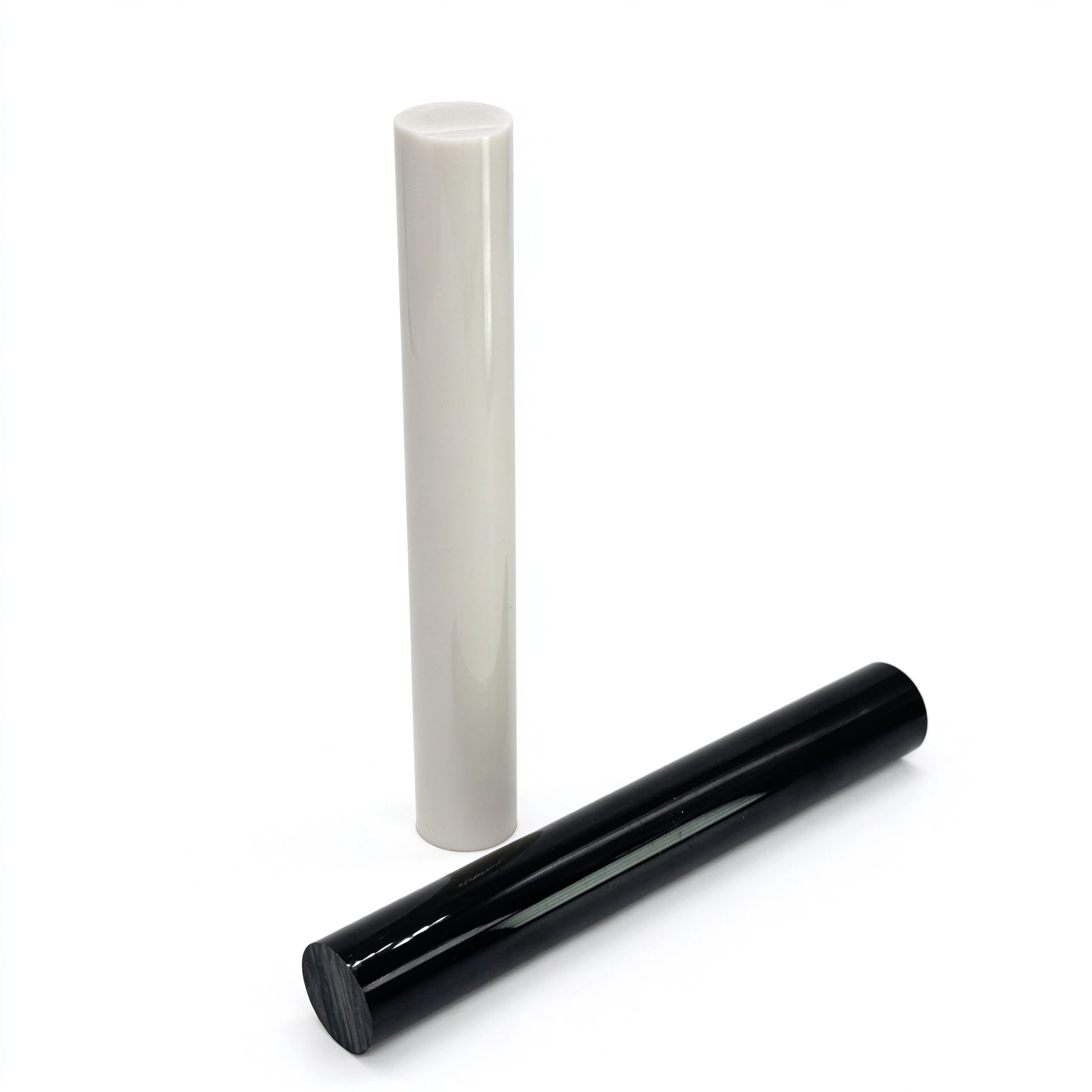
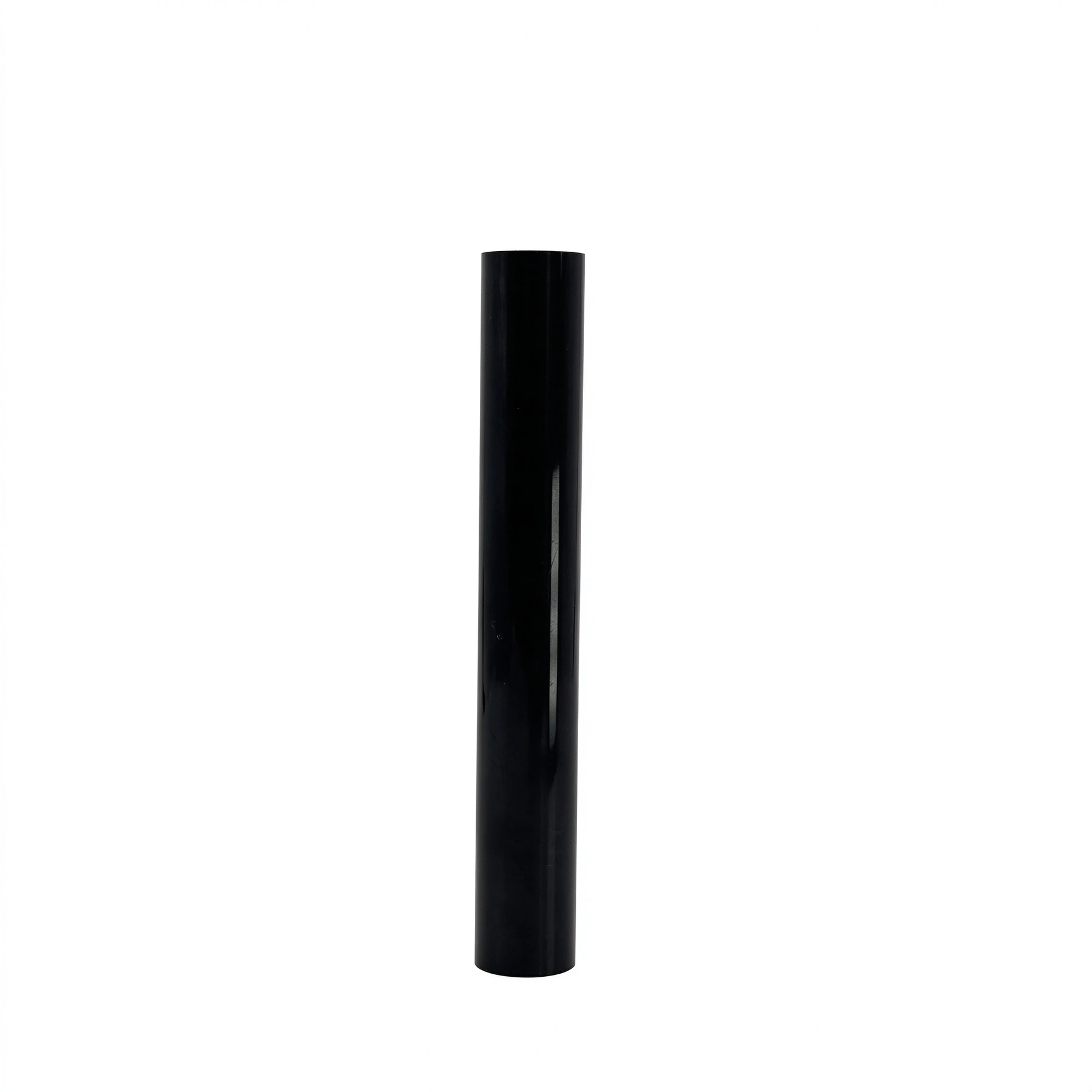
| Available variants | ABS Black Antistatic, ABS Beige(Natural), ABS Milky White, ABS+PC Black, ABS+PC White, ABS Black |
| Colors | Milky White, Black, White, Beige(Natural), Custom colors |
| Special properties | Antistatic (ABS Black Antistatic), No special performance is specified for general-purpose ABS. Flame-retardant and transparent grades must be selected separately. |
Detailed values describe INEOS Styrolution Terluran GP-22 (ISO); Chi Mei POLYLAC PA-757 (ISO). Family ranges are broader selection references and may include different grades or reinforcement levels. Confirm the selected grade, condition and test method for your part.
| Property | Metric | Imperial | Test method / conditions |
|---|---|---|---|
| Density | 1.04 g/cm³ | 0.0376 lb/in³ | ISO 1183 · 23°C · Reference: INEOS Styrolution Terluran GP-22 (ISO) |
| Mold Shrinkage | 0.4~0.7 % | 0.4~0.7 % | ASTM D955 · Injection molded; depends on wall thickness · Reference: Chi Mei POLYLAC PA-757 (ISO) |
| Water Absorption | 0.22 % | 0.22 % | ISO 62 · At humidity equilibrium · Reference: INEOS Styrolution Terluran GP-22 (ISO) |
| MVR | 19 cm³/10min | 19 cm³/10min | ISO 1133 · 220°C, 10 kg · Reference: INEOS Styrolution Terluran GP-22 (ISO) |
| Tensile strength at yield | 45 MPa | 6,530 psi | ISO 527 · Yield stress; a separate ultimate strength is not given · Reference: INEOS Styrolution Terluran GP-22 (ISO) |
| Elongation at Break | 10 % | 10 % | ISO 527 · Nominal strain at break · Reference: INEOS Styrolution Terluran GP-22 (ISO) |
| Tensile Modulus | 2,300 MPa | 334,000 psi | ISO 527 · 23°C · Reference: INEOS Styrolution Terluran GP-22 (ISO) |
| Flexural Strength | 76 MPa | 11,000 psi | ISO 178 · 2 mm/min · Reference: Chi Mei POLYLAC PA-757 (ISO) |
| Flexural Modulus | 2.20 GPa | 319 ksi | ISO 178 · 2 mm/min · Reference: Chi Mei POLYLAC PA-757 (ISO) |
| Charpy notched impact (+23°C) | 22 kJ/m² | 10.5 ft·lb/in² | ISO 179/1eA · 23°C · Reference: INEOS Styrolution Terluran GP-22 (ISO) |
| Izod notched impact | 14 kJ/m² | 6.66 ft·lb/in² | ISO 180/1A · 23°C · Reference: Chi Mei POLYLAC PA-757 (ISO) |
| Rockwell Hardness | R116 (R scale) | R116 (R scale) | ASTM D785 · 23°C · Reference: Chi Mei POLYLAC PA-757 (ISO) |
| Heat Deflection Temp. (1.80 MPa) | 94 °C | 201 °F | ISO 75-1/-2 · 1.80 MPa · Reference: INEOS Styrolution Terluran GP-22 (ISO) |
| Heat Deflection Temp. (0.45 MPa) | 99 °C | 210 °F | ISO 75-1/-2 · 0.45 MPa · Reference: INEOS Styrolution Terluran GP-22 (ISO) |
| Vicat softening temperature | 96 °C | 205 °F | ISO 306 · 50N, 50°C/h · Reference: INEOS Styrolution Terluran GP-22 (ISO) |
| Flammability | HB (UL94) | HB (UL94) | UL 94 · 1.5 mm · Reference: INEOS Styrolution Terluran GP-22 (ISO) |
| Property | Family reference |
|---|---|
| Material class | General-purpose plastic |
| Density (g/cm³) | 1.03–1.06 |
| Tensile strength (MPa) | 30–50 |
| Elongation at break (%) | 10–50 |
| Elastic modulus (GPa) | 2.0–2.6 |
| Hardness | R100–R118 |
| Temperature reference (°C) | HDT 88–100 |
CNC Milling Services: Conventional injection molding, two-shot molding and overmolding; CNC milling and turning of sheet or rod; FDM/FFF printing with ABS filament. Vacuum casting uses a selected casting resin to reproduce ABS-like performance; it is not the same material as molded ABS. Electroplating or chrome plating requires plating-grade ABS. Flame-retardant grades may limit light colors and plating adhesion. Confirm bright-color consistency. Machined and printed parts need a separate texturing process rather than mold texturing. 3-axis milling, 4-axis milling, 5-axis milling: Use a machinable stock grade; geometry, workholding and material condition determine feasibility.
Injection molding, Overmolding: Conventional injection molding, two-shot molding and overmolding; CNC milling and turning of sheet or rod; FDM/FFF printing with ABS filament. Vacuum casting uses a selected casting resin to reproduce ABS-like performance; it is not the same material as molded ABS. Electroplating or chrome plating requires plating-grade ABS. Flame-retardant grades may limit light colors and plating adhesion. Confirm bright-color consistency. Machined and printed parts need a separate texturing process rather than mold texturing. Single-material injection molding, Insert location and retention, Multi-shot / two-shot (2K) molding: Use an injection-molding grade. Fillers, shrinkage and processing temperatures affect tool and part design. Elastomer over plastic, Plastic over plastic: Substrate and overmold are a grade-specific pair. These materials are candidates, not an all-to-all bonding guarantee; qualify adhesion and mechanical retention. Elastomer over metal, Plastic over metal: Metal is the insert or substrate; polymer is the molded layer. Review grade pairing, surface preparation, thermal movement and retention.
3D printing: Conventional injection molding, two-shot molding and overmolding; CNC milling and turning of sheet or rod; FDM/FFF printing with ABS filament. Vacuum casting uses a selected casting resin to reproduce ABS-like performance; it is not the same material as molded ABS. Electroplating or chrome plating requires plating-grade ABS. Flame-retardant grades may limit light colors and plating adhesion. Confirm bright-color consistency. Machined and printed parts need a separate texturing process rather than mold texturing. FDM printing: Use a filament grade compatible with the printer and the intended loading direction; coating adhesion requires preparation.
Use an injection-molding grade. Fillers, shrinkage and processing temperatures affect tool and part design.
CNC Milling Services, CNC turning: Conventional injection molding, two-shot molding and overmolding; CNC milling and turning of sheet or rod; FDM/FFF printing with ABS filament. Vacuum casting uses a selected casting resin to reproduce ABS-like performance; it is not the same material as molded ABS. Electroplating or chrome plating requires plating-grade ABS. Flame-retardant grades may limit light colors and plating adhesion. Confirm bright-color consistency. Machined and printed parts need a separate texturing process rather than mold texturing. 3-axis milling, 4-axis milling, 5-axis milling, Cylindrical Turning, Boring, Threading, Grooving: Use a machinable stock grade; geometry, workholding and material condition determine feasibility.
CNC turning: Conventional injection molding, two-shot molding and overmolding; CNC milling and turning of sheet or rod; FDM/FFF printing with ABS filament. Vacuum casting uses a selected casting resin to reproduce ABS-like performance; it is not the same material as molded ABS. Electroplating or chrome plating requires plating-grade ABS. Flame-retardant grades may limit light colors and plating adhesion. Confirm bright-color consistency. Machined and printed parts need a separate texturing process rather than mold texturing. Cylindrical Turning, Boring, Threading, Grooving: Use a machinable stock grade; geometry, workholding and material condition determine feasibility.
Overmolding: Conventional injection molding, two-shot molding and overmolding; CNC milling and turning of sheet or rod; FDM/FFF printing with ABS filament. Vacuum casting uses a selected casting resin to reproduce ABS-like performance; it is not the same material as molded ABS. Electroplating or chrome plating requires plating-grade ABS. Flame-retardant grades may limit light colors and plating adhesion. Confirm bright-color consistency. Machined and printed parts need a separate texturing process rather than mold texturing. Multi-shot / two-shot (2K) molding: Use an injection-molding grade. Fillers, shrinkage and processing temperatures affect tool and part design. Elastomer over plastic, Plastic over plastic: Substrate and overmold are a grade-specific pair. These materials are candidates, not an all-to-all bonding guarantee; qualify adhesion and mechanical retention. Elastomer over metal, Plastic over metal: Metal is the insert or substrate; polymer is the molded layer. Review grade pairing, surface preparation, thermal movement and retention.
Acrylonitrile contributes hardness and chemical resistance; butadiene adds toughness; styrene improves rigidity, flow and gloss. Low molding shrinkage, typically 0.4–0.7%, supports dimensional stability.
Standard ABS can yellow and become brittle outdoors. Avoid sustained high heat and contact with ketones, esters, chlorinated solvents or concentrated acids. General-purpose ABS is not a flame-retardant grade.
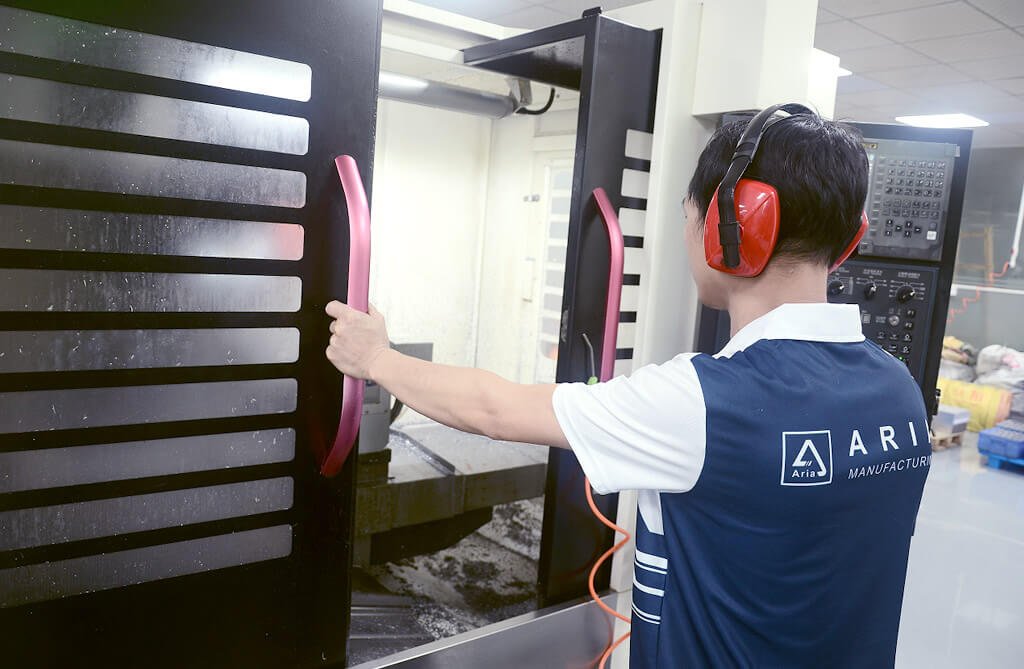
Compare materials for the loads, temperature and environment your part will face.
We review tool access, geometry and material choice before manufacturing.
Dimensional checks and inspection reports for the critical features on your drawing.
Electroplating or chrome plating requires plating-grade ABS. Flame-retardant grades may limit light colors and plating adhesion. Confirm bright-color consistency. Machined and printed parts need a separate texturing process rather than mold texturing. Painting, screen printing, pad printing, laser engraving, plating, vacuum metallization, hot stamping, water-transfer printing and polishing. Mold texturing applies to injection-molded parts.
Mold-transferred appearance depends on the resin and tool surface; gloss and texture do not specify a material-independent roughness.
Appliance and electronics housings, automotive interior parts, toys, luggage, pipe fittings and household products.
Conventional injection molding, two-shot molding and overmolding; CNC milling and turning of sheet or rod; FDM/FFF printing with ABS filament. Vacuum casting uses a selected casting resin to reproduce ABS-like performance; it is not the same material as molded ABS.
Painting, screen printing, pad printing, laser engraving, plating, vacuum metallization, hot stamping, water-transfer printing and polishing. Mold texturing applies to injection-molded parts.
Electroplating or chrome plating requires plating-grade ABS. Flame-retardant grades may limit light colors and plating adhesion. Confirm bright-color consistency. Machined and printed parts need a separate texturing process rather than mold texturing.
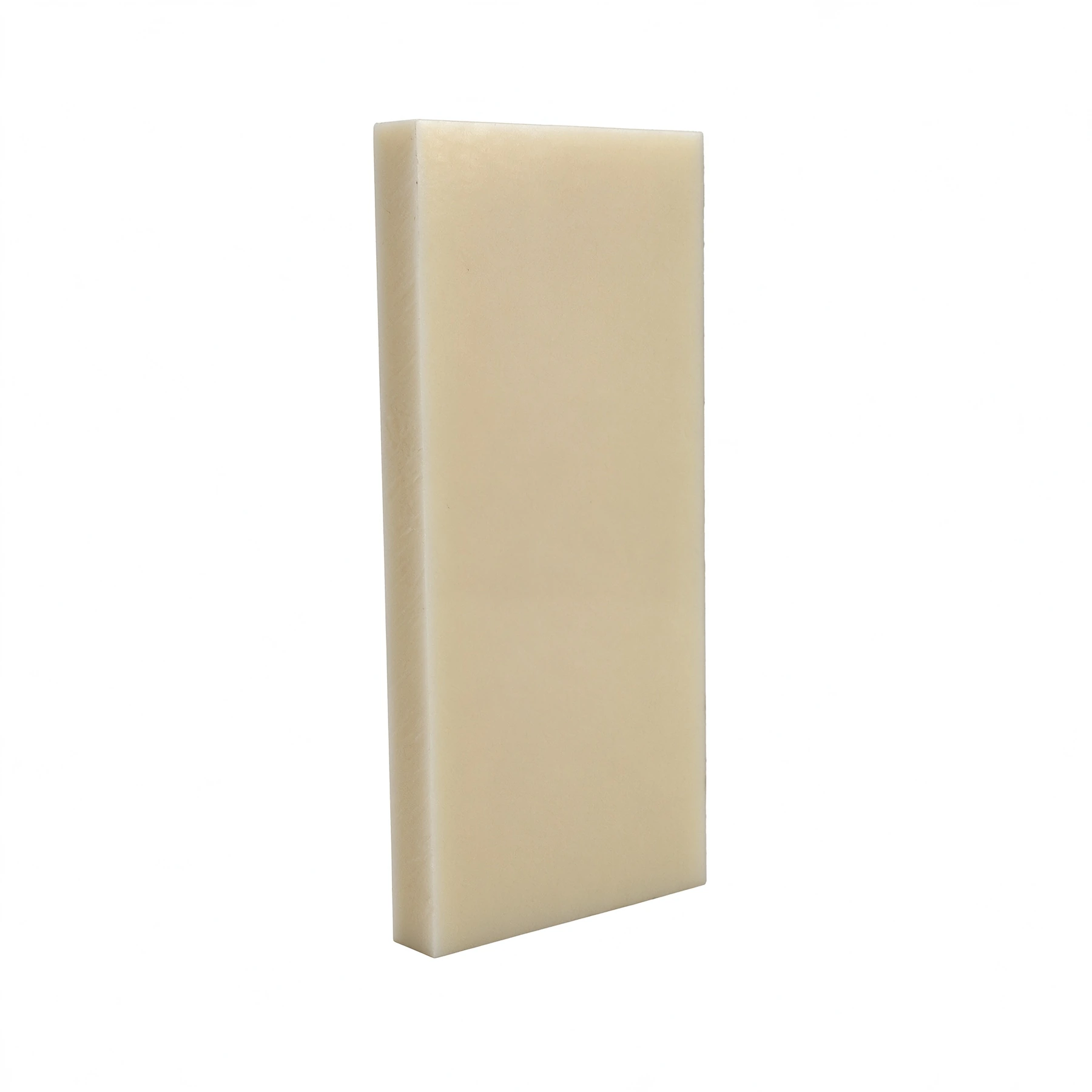
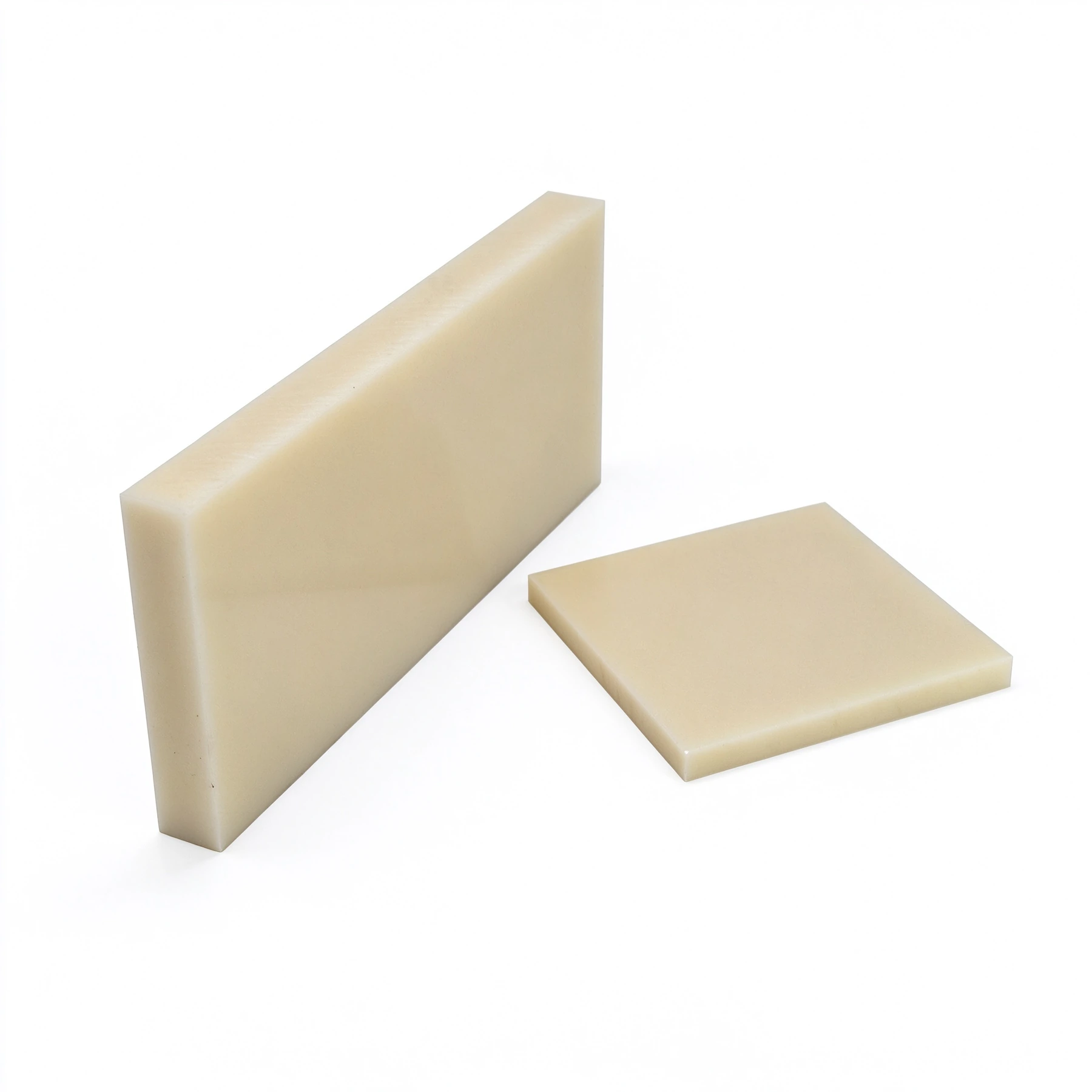
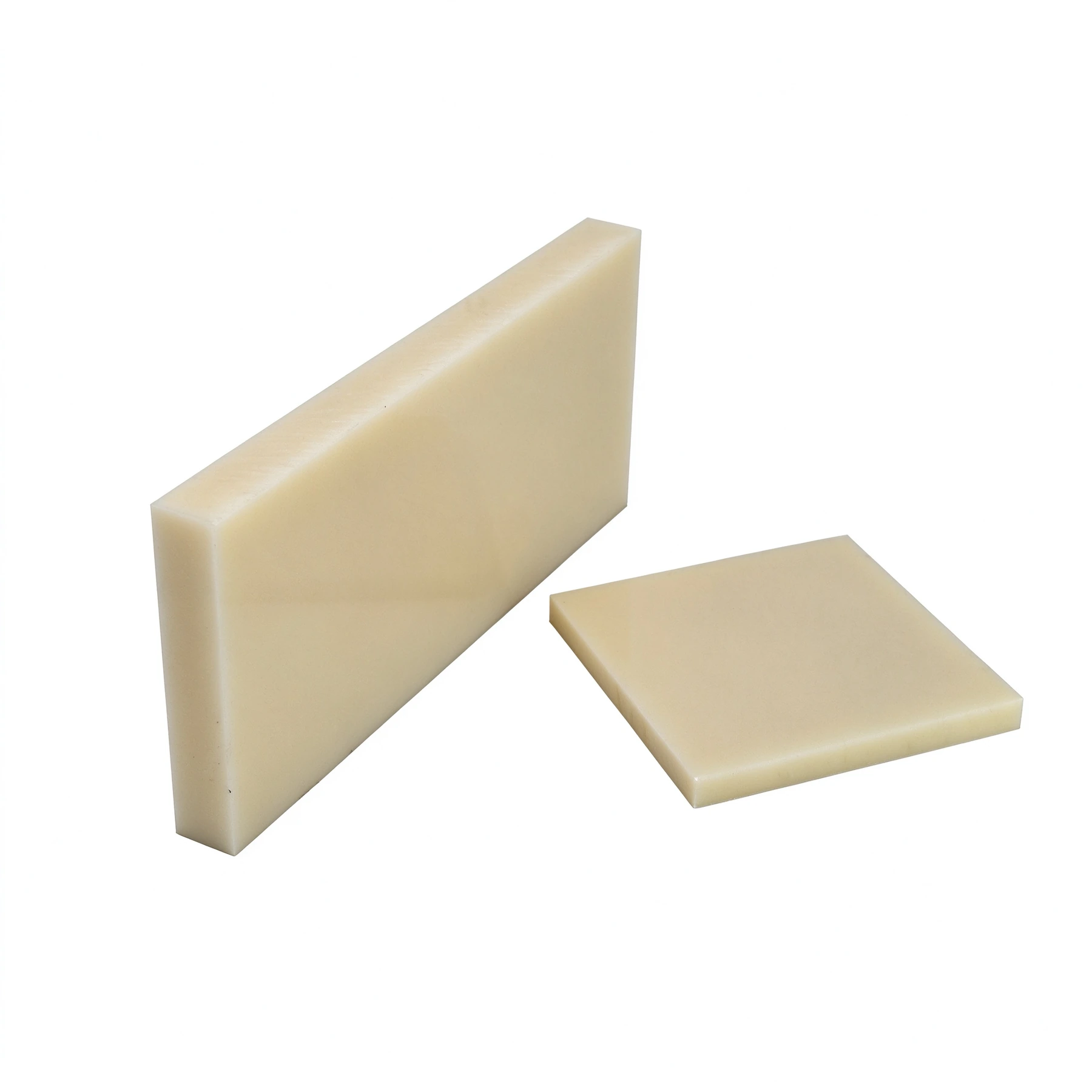
Natural ivory or beige, opaque. Black, white and custom colors; minimum quantities and batch matching require confirmation. Transparent or translucent modified grades require separate confirmation.
For a part exposed to sustained heat, select an ABS grade with published long-term temperature data for the intended load and lifetime. Heat-deflection temperature is a short test under specified stress, not a continuous-service rating. Transparent ABS requires a suitable clear grade; opaque paint or metal plating covers the transparent surface. Specify whether the priority is optical clarity, a painted color or a plated metallic appearance.
Upload your CAD files and tell us the material and quantity you need.
Talk to an engineer