
Design feedback before production
We review tool access, geometry and material choice before manufacturing.


















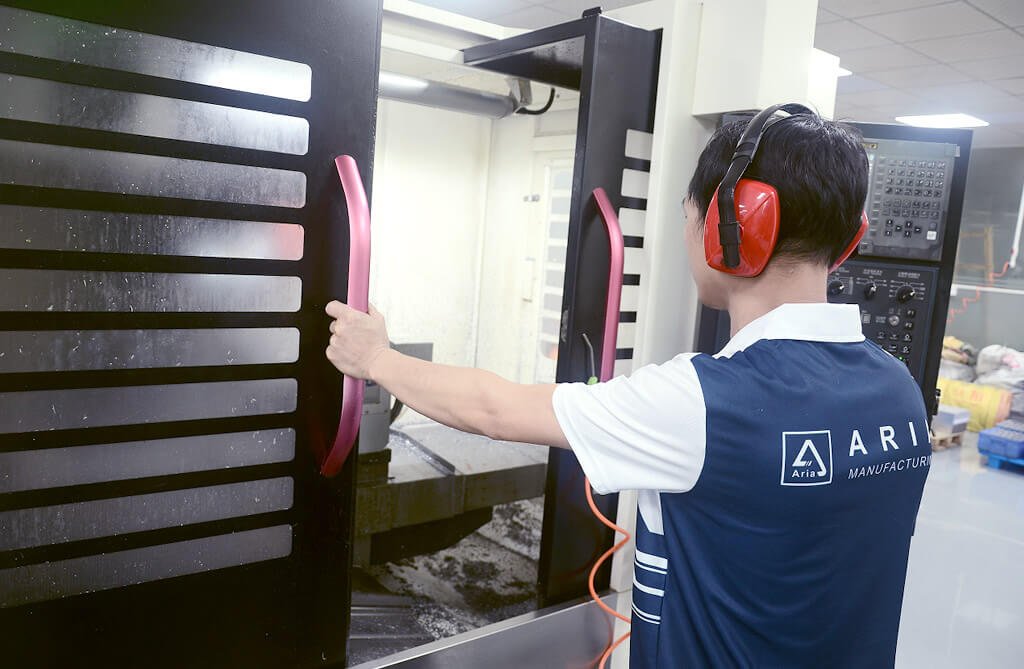
We review tool access, geometry and material choice before manufacturing.
Dimensional checks and inspection reports for the critical features on your drawing.
Tooling, finishing and inspection included in your delivery schedule.
Finish must also be compatible with the selected base material; allow for preparation, masking and dimensional changes.
Use a copolymer grade when low-temperature impact is important. Treat surfaces before bonding or painting and allow for stress-related warping in machined parts. Printing, screen printing and painting after flame or corona treatment. Ultrasonic and hot-plate welding are joining options. Electroplating is generally unsuitable.
Control processing heat carefully. Select an impact-modified grade for cold use. Food or drinking-water contact requires the appropriate grade documentation; additives and stabilizers also matter. Painting, printing and screen printing; solvent bonding and thermal welding. Electroplating is generally unsuitable.
Consider HIPS or ABS for loaded or impact-exposed parts. Avoid prolonged outdoor exposure, incompatible solvents and heat beyond the selected grade limit. Printing, painting, screen printing, vacuum metallization and compatible adhesive or solvent bonding.
Electroplating or chrome plating requires plating-grade ABS. Flame-retardant grades may limit light colors and plating adhesion. Confirm bright-color consistency. Machined and printed parts need a separate texturing process rather than mold texturing. Painting, screen printing, pad printing, laser engraving, plating, vacuum metallization, hot stamping, water-transfer printing and polishing. Mold texturing applies to injection-molded parts.
Adhesion depends on polymer grade, surface preparation and coating or ink chemistry. Confirm with the selected formulation.
Upload your CAD files and tell us the material and quantity you need.
Talk to an engineer