
PC stock — view 01
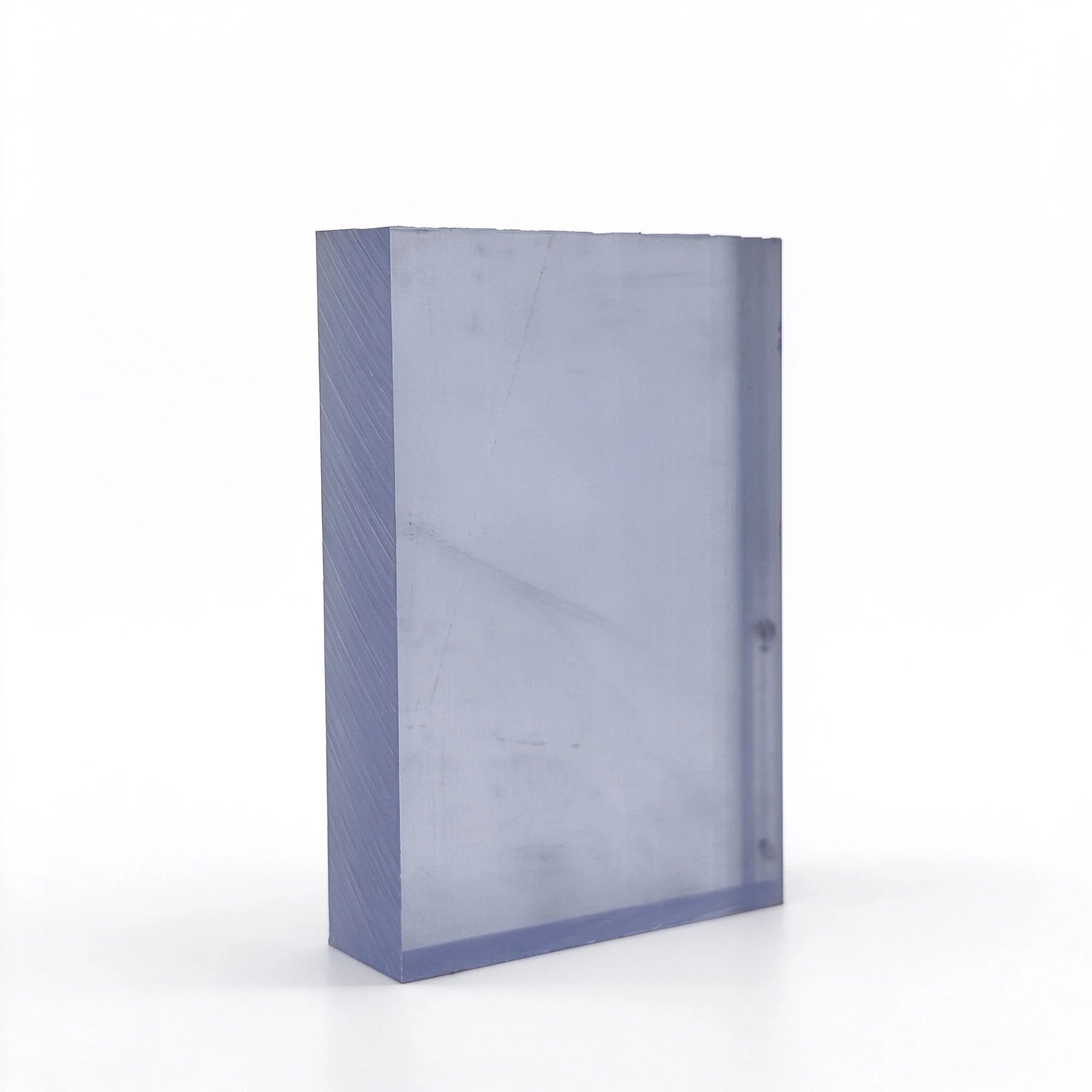
Polycarbonate combines transparency and high impact strength for protective covers, optical parts and heat-resistant housings.
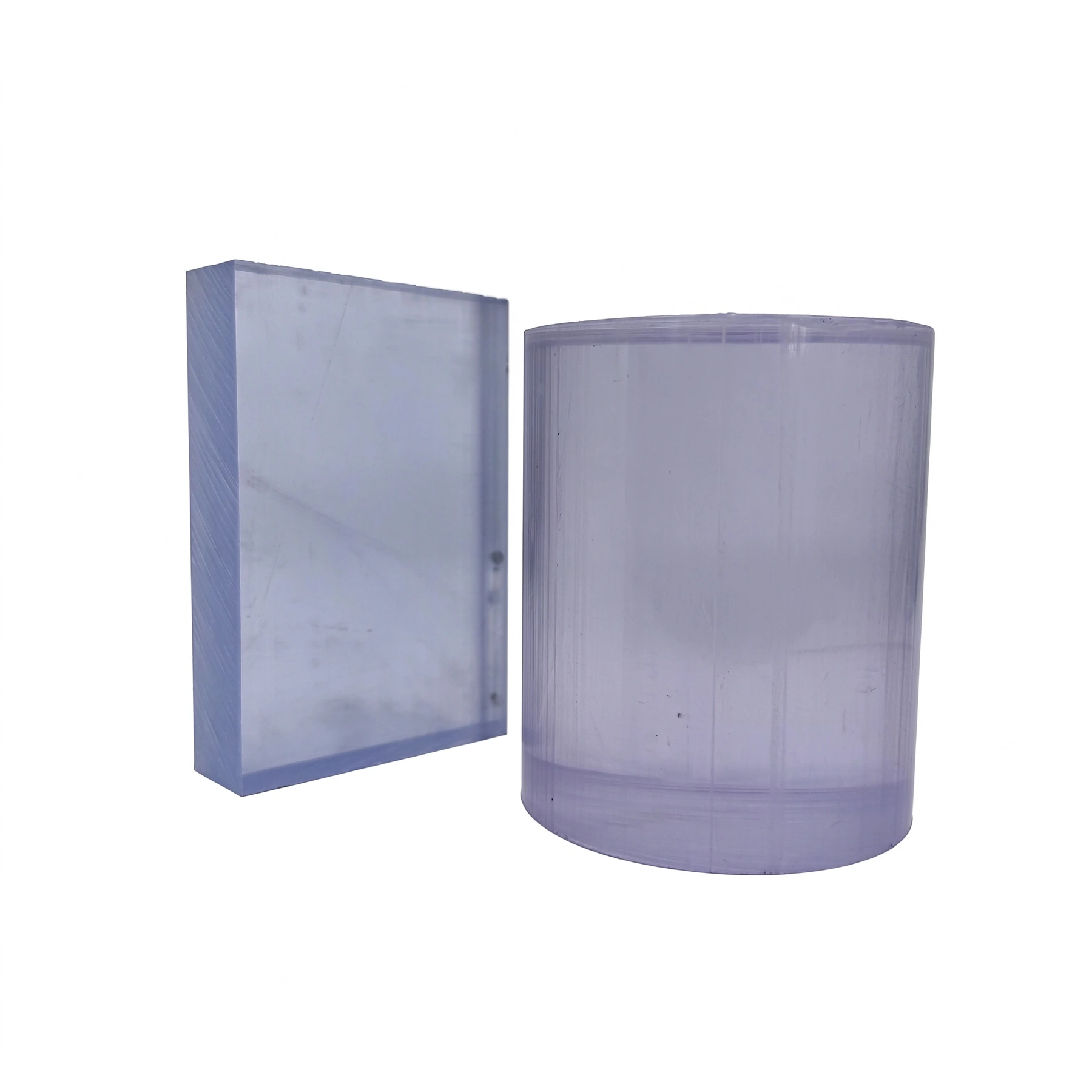


















For a protective cover or PC housing, tell Aria which surfaces must be clear, which features control assembly and what the component will encounter in use. We help you review the grade and finishing requirements together. Cleaning agents, coatings and appearance criteria belong in that discussion before production.
Aria offers both machined and injection-molded PC components. You can discuss the prototype and repeat-production requirements together, including the viewing surfaces and acceptance requirements for each stage.
| Property | Details |
|---|---|
| Colors | Clear, Tinted / custom colors |
| Special properties | UV-stabilized, flame-retardant, optical, glass-filled and hard-coated grades or finishes require separate selection. |
Detailed values describe Covestro Makrolon 2805 (ISO, 2006-03-21). Family ranges are broader selection references and may include different grades or reinforcement levels. Confirm the selected grade, condition and test method for your part.
| Property | Metric | Imperial | Test method / conditions |
|---|---|---|---|
| Density | 1.20 g/cm³ | 0.0434 lb/in³ | ISO 1183 · 23°C · Reference: Covestro Makrolon 2805 (ISO, 2006-03-21) |
| MVR | 9.5 cm³/10min | 9.5 cm³/10min | ISO 1133 · 300°C, 1.2 kg · Reference: Covestro Makrolon 2805 (ISO, 2006-03-21) |
| Molding Shrinkage | 0.6~0.8 % | 0.6~0.8 % | ISO 2577 · Injection molded · Reference: Covestro Makrolon 2805 (ISO, 2006-03-21) |
| Tensile Modulus | 2,400 MPa | 348,000 psi | ISO 527 · 1 mm/min · Reference: Covestro Makrolon 2805 (ISO, 2006-03-21) |
| Yield Stress | 66 MPa | 9,570 psi | ISO 527 · 50 mm/min · Reference: Covestro Makrolon 2805 (ISO, 2006-03-21) |
| Nominal Strain at Break | >50 % | >50 % | ISO 527 · 50 mm/min · Reference: Covestro Makrolon 2805 (ISO, 2006-03-21) |
| Flexural Modulus | 2,350 MPa | 341,000 psi | ISO 178 · 2 mm/min · Reference: Covestro Makrolon 2805 (ISO, 2006-03-21) |
| Flexural Strength | 98 MPa | 14,200 psi | ISO 178 · 2 mm/min · Reference: Covestro Makrolon 2805 (ISO, 2006-03-21) |
| Charpy notched impact (23°C) | 70P kJ/m² | 33 ft·lb/in² | ISO 179-1eA · 23°C, 3mm · Reference: Covestro Makrolon 2805 (ISO, 2006-03-21) |
| Izod notched impact (23°C) | 85P kJ/m² | 85P kJ/m² | ISO 180-A · 23°C, 3.2mm · Reference: Covestro Makrolon 2805 (ISO, 2006-03-21) |
| Ball Indentation Hardness | 115 N/mm² | 115 N/mm² | ISO 2039-1 · Reference: Covestro Makrolon 2805 (ISO, 2006-03-21) |
| HDT (1.80 MPa) | 125 °C | 257 °F | ISO 75-1/-2 · 1.80 MPa · Reference: Covestro Makrolon 2805 (ISO, 2006-03-21) |
| HDT (0.45 MPa) | 138 °C | 280 °F | ISO 75-1/-2 · 0.45 MPa · Reference: Covestro Makrolon 2805 (ISO, 2006-03-21) |
| Vicat softening temperature | 145 °C | 293 °F | ISO 306 · 50N, 50°C/h · Reference: Covestro Makrolon 2805 (ISO, 2006-03-21) |
| Water Absorption | 0.30 % | 0.30 % | ISO 62 · Saturated, 23°C · Reference: Covestro Makrolon 2805 (ISO, 2006-03-21) |
| Flammability | V-2 (UL94) | V-2 (UL94) | UL 94 · 1.5 mm · Reference: Covestro Makrolon 2805 (ISO, 2006-03-21) |
| Property | Family reference |
|---|---|
| Material class | Engineering plastic |
| Density (g/cm³) | 1.19–1.22 |
| Tensile strength (MPa) | 60–70 |
| Elongation at break (%) | 80–120 |
| Elastic modulus (GPa) | 2.2–2.4 |
| Hardness | M70–R118 |
| Temperature reference (°C) | HDT 125–140 |
CNC Milling Services: Injection molding after thorough drying; the supplied guidance gives 120°C for at least four hours as a reference. CNC milling and turning of sheet or rod. Choose cleaning, paint and adhesive systems that avoid stress cracking. Dry before molding to prevent hydrolysis; select UV protection outdoors and hard coating when scratch resistance matters. 3-axis milling, 4-axis milling, 5-axis milling: Use a machinable stock grade; geometry, workholding and material condition determine feasibility.
Injection molding: Injection molding after thorough drying; the supplied guidance gives 120°C for at least four hours as a reference. CNC milling and turning of sheet or rod. Choose cleaning, paint and adhesive systems that avoid stress cracking. Dry before molding to prevent hydrolysis; select UV protection outdoors and hard coating when scratch resistance matters. Single-material injection molding, Insert location and retention, Multi-shot / two-shot (2K) molding: Use an injection-molding grade. Fillers, shrinkage and processing temperatures affect tool and part design. Elastomer over plastic, Plastic over plastic: Substrate and overmold are a grade-specific pair. These materials are candidates, not an all-to-all bonding guarantee; qualify adhesion and mechanical retention.
Use an injection-molding grade. Fillers, shrinkage and processing temperatures affect tool and part design.
CNC Milling Services, CNC turning: Injection molding after thorough drying; the supplied guidance gives 120°C for at least four hours as a reference. CNC milling and turning of sheet or rod. Choose cleaning, paint and adhesive systems that avoid stress cracking. Dry before molding to prevent hydrolysis; select UV protection outdoors and hard coating when scratch resistance matters. 3-axis milling, 4-axis milling, 5-axis milling, Cylindrical Turning, Boring, Threading, Grooving: Use a machinable stock grade; geometry, workholding and material condition determine feasibility.
CNC turning: Injection molding after thorough drying; the supplied guidance gives 120°C for at least four hours as a reference. CNC milling and turning of sheet or rod. Choose cleaning, paint and adhesive systems that avoid stress cracking. Dry before molding to prevent hydrolysis; select UV protection outdoors and hard coating when scratch resistance matters. Cylindrical Turning, Boring, Threading, Grooving: Use a machinable stock grade; geometry, workholding and material condition determine feasibility.
Multi-shot / two-shot (2K) molding: Use an injection-molding grade. Fillers, shrinkage and processing temperatures affect tool and part design. Elastomer over plastic, Plastic over plastic: Substrate and overmold are a grade-specific pair. These materials are candidates, not an all-to-all bonding guarantee; qualify adhesion and mechanical retention.
Light transmission around 89%, good toughness, dimensional stability and electrical insulation. Representative heat-deflection temperatures are around 125°C, depending on grade and load.
Solvents and strong alkalis can cause stress cracking. Untreated PC scratches and can yellow under UV exposure; notches and combined mechanical/chemical stress need attention.
Compare materials for the loads, temperature and environment your part will face.
We review tool access, geometry and material choice before manufacturing.
Dimensional checks and inspection reports for the critical features on your drawing.
Choose cleaning, paint and adhesive systems that avoid stress cracking. Dry before molding to prevent hydrolysis; select UV protection outdoors and hard coating when scratch resistance matters. Painting, hard coating, printing, vacuum metallization and laser engraving. Use compatible adhesive systems.
Adhesion depends on polymer grade, surface preparation and coating or ink chemistry. Confirm with the selected formulation.
Mold-transferred appearance depends on the resin and tool surface; gloss and texture do not specify a material-independent roughness.
Protective eyewear and guards, lamp covers, electronics housings, optical parts and selected reusable containers.
Injection molding after thorough drying; the supplied guidance gives 120°C for at least four hours as a reference. CNC milling and turning of sheet or rod.
Painting, hard coating, printing, vacuum metallization and laser engraving. Use compatible adhesive systems.
Choose cleaning, paint and adhesive systems that avoid stress cracking. Dry before molding to prevent hydrolysis; select UV protection outdoors and hard coating when scratch resistance matters.
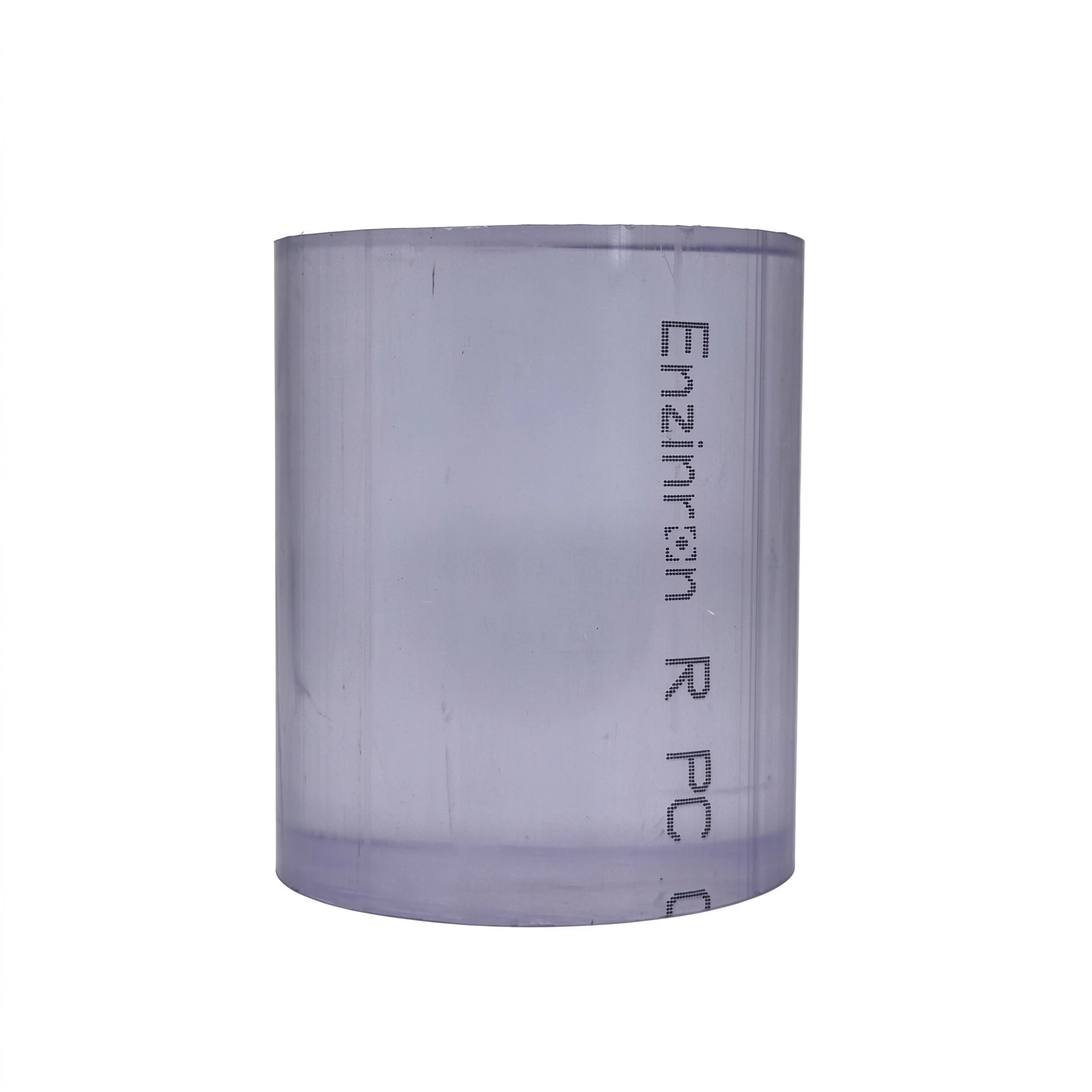
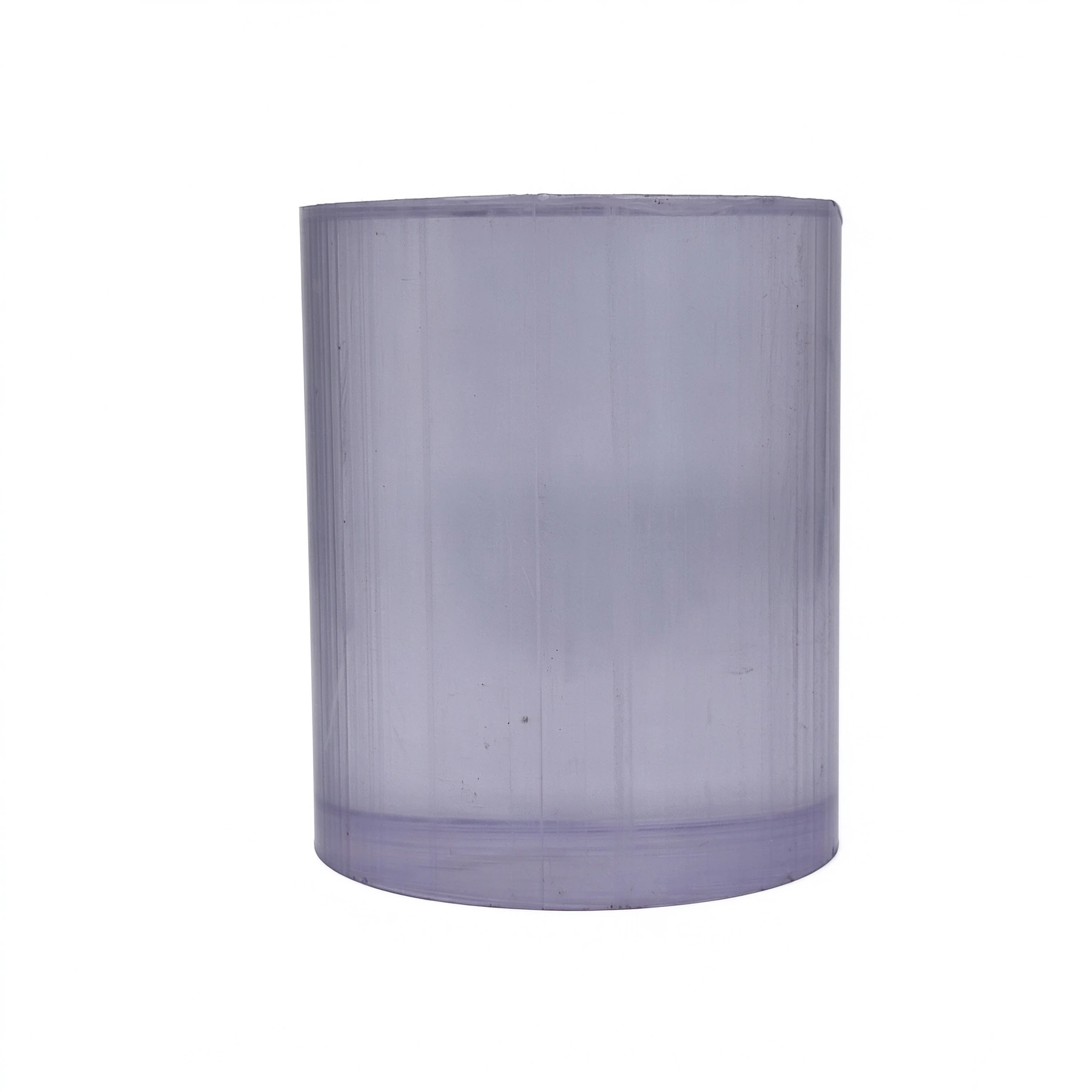
Natural clear. Tinted transparent, translucent or opaque colors; custom colors by grade.
Upload your CAD files and tell us the material and quantity you need.
Talk to an engineer