
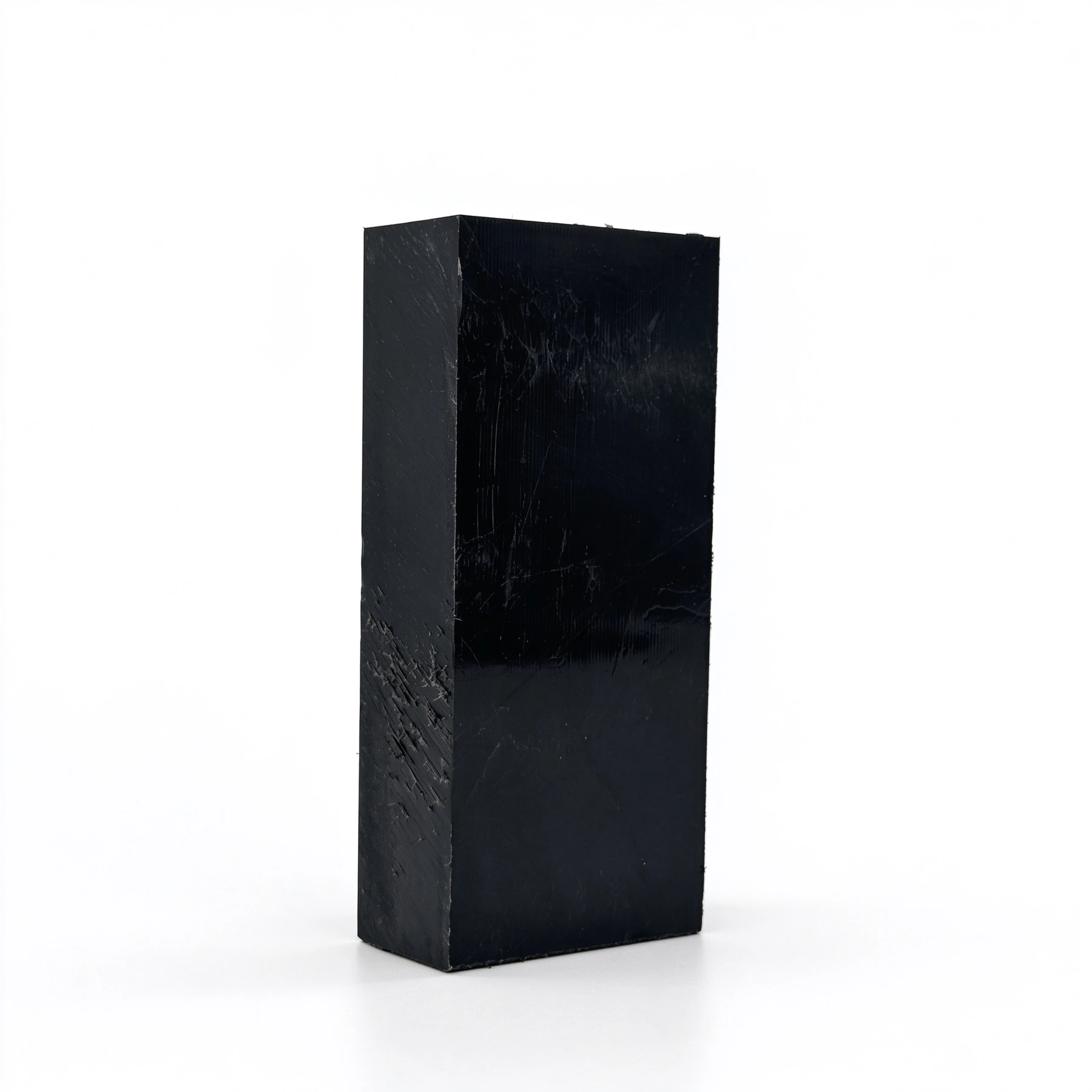
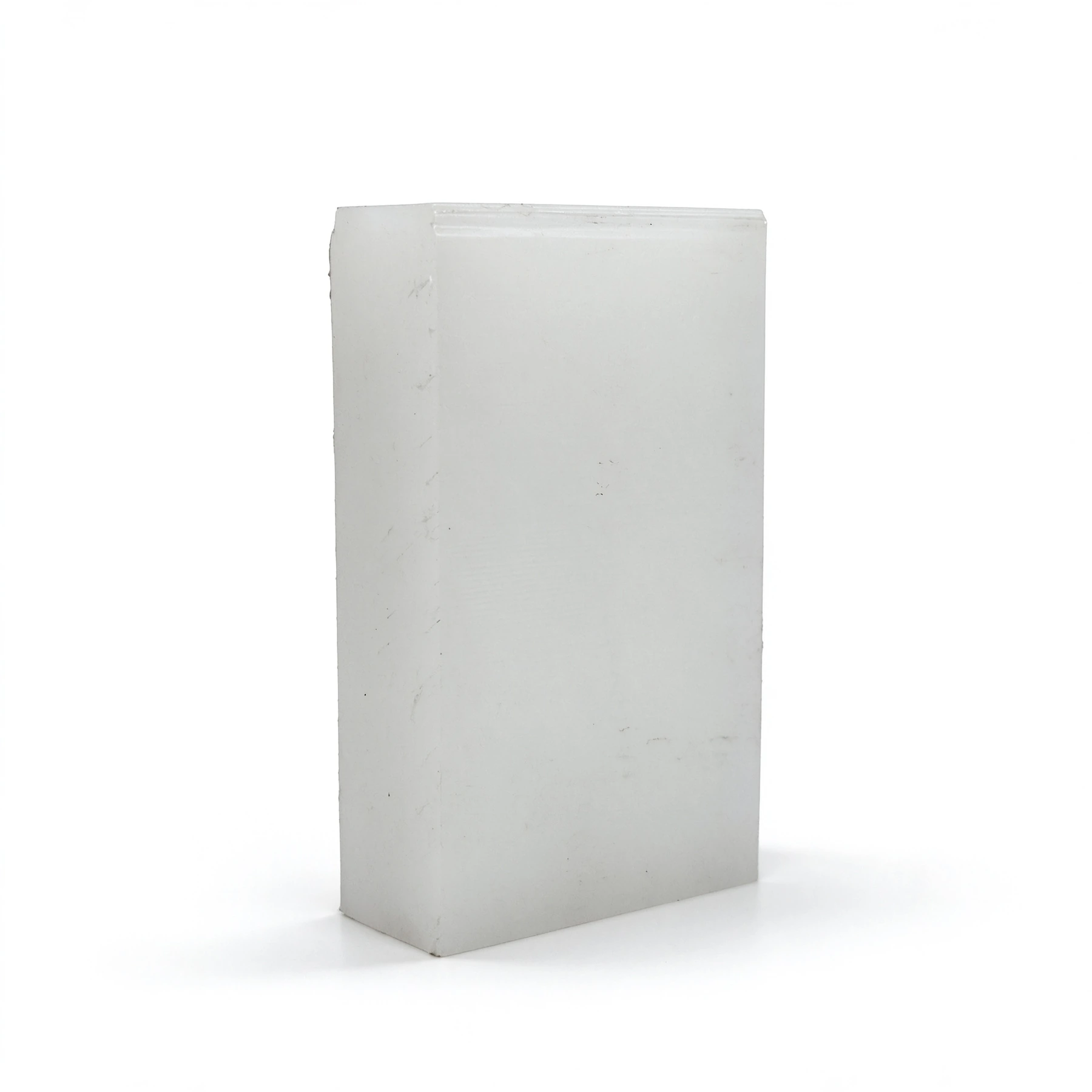
Nylon stock — view 01
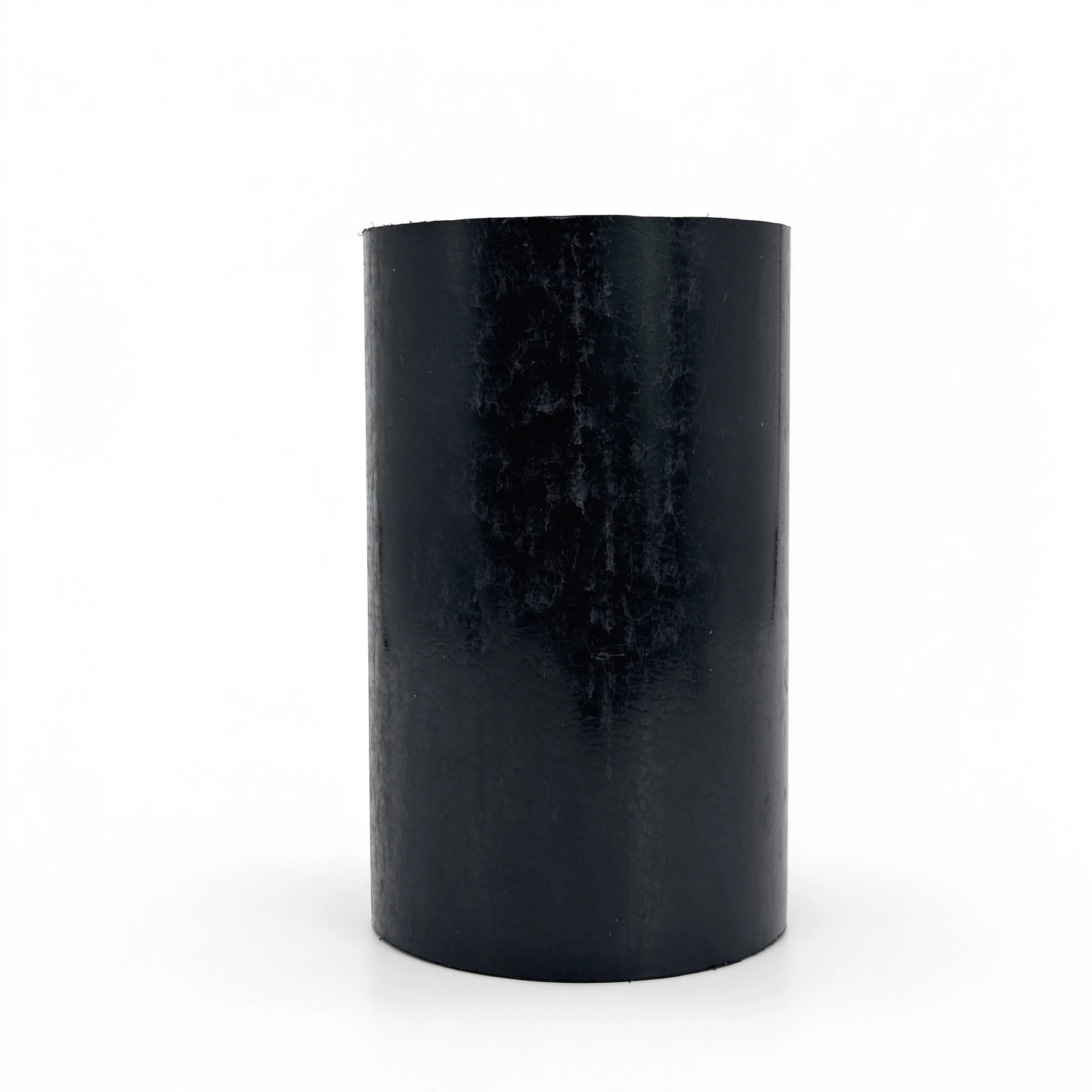
Nylon is a semi-crystalline engineering plastic for wear-resistant and load-bearing components.
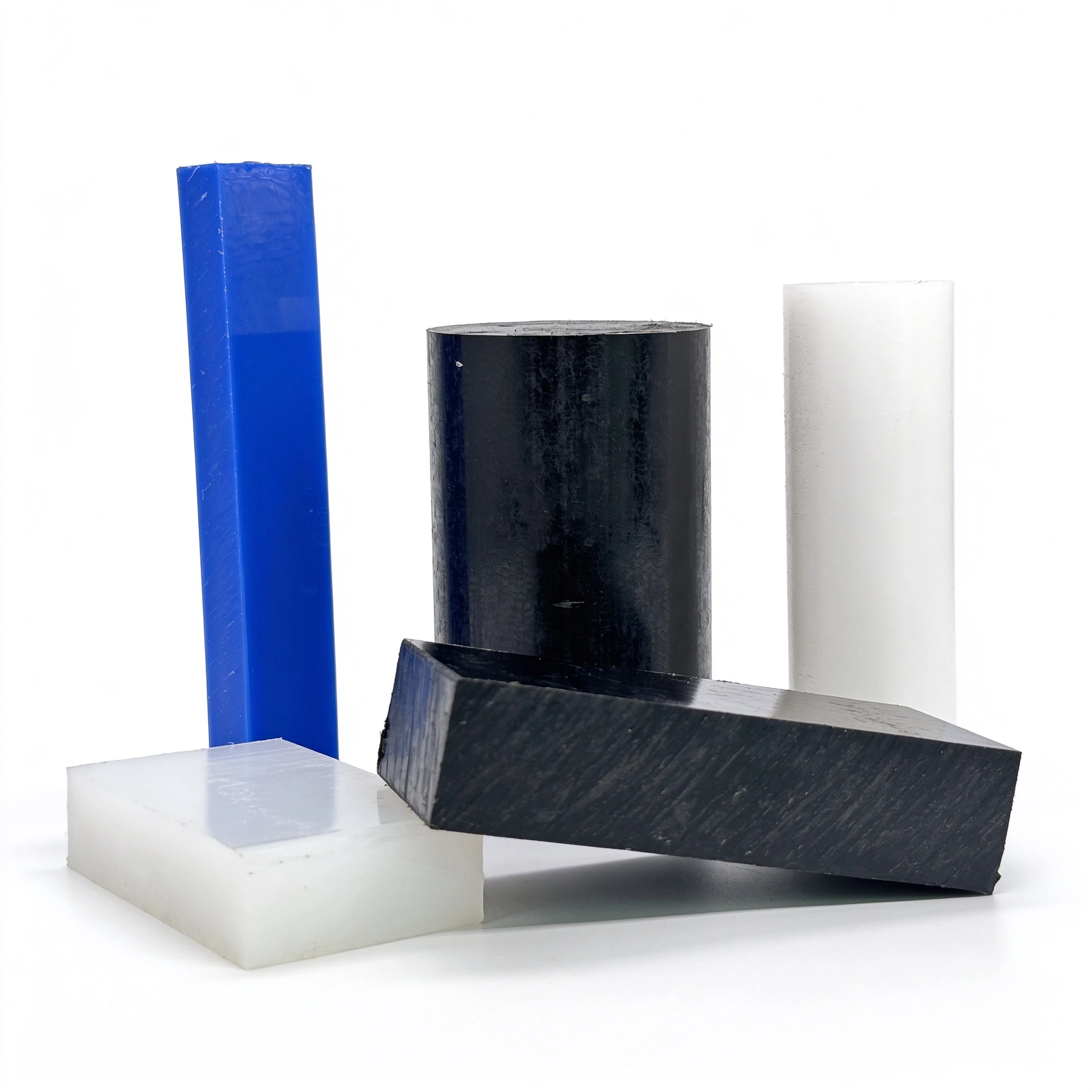
















A nylon sleeve or locating component needs a material choice that fits its working environment. Aria helps you discuss the grade, reinforcement and moisture conditions alongside the dimensions that control assembly. Keep dry and conditioned property values separate when comparing options, and agree which condition your dimensional requirements refer to.
Aria offers machining, molding and nylon printing options. You can compare the route for a trial component with the route for repeat parts, keeping the grade and test conditions explicit at each stage.
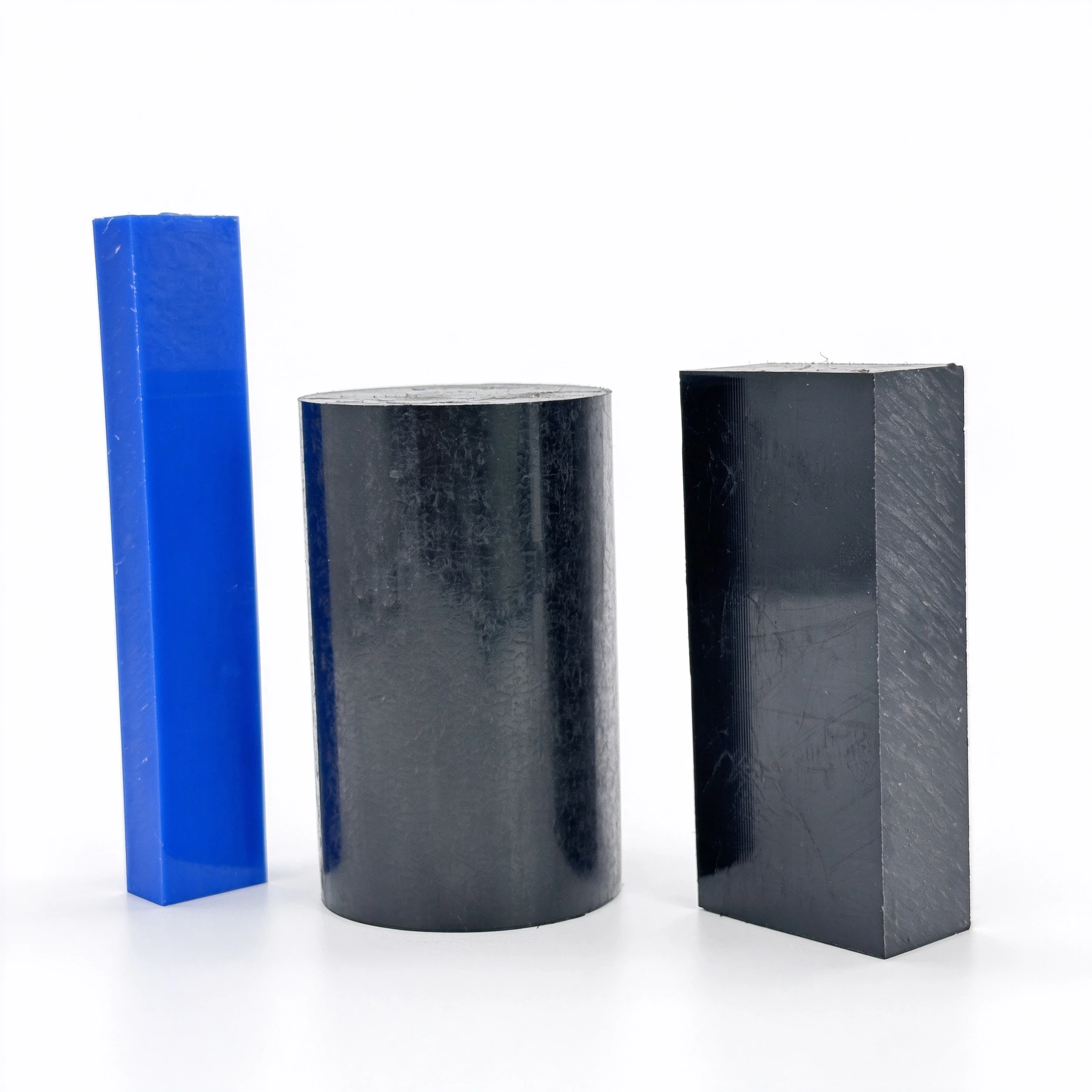
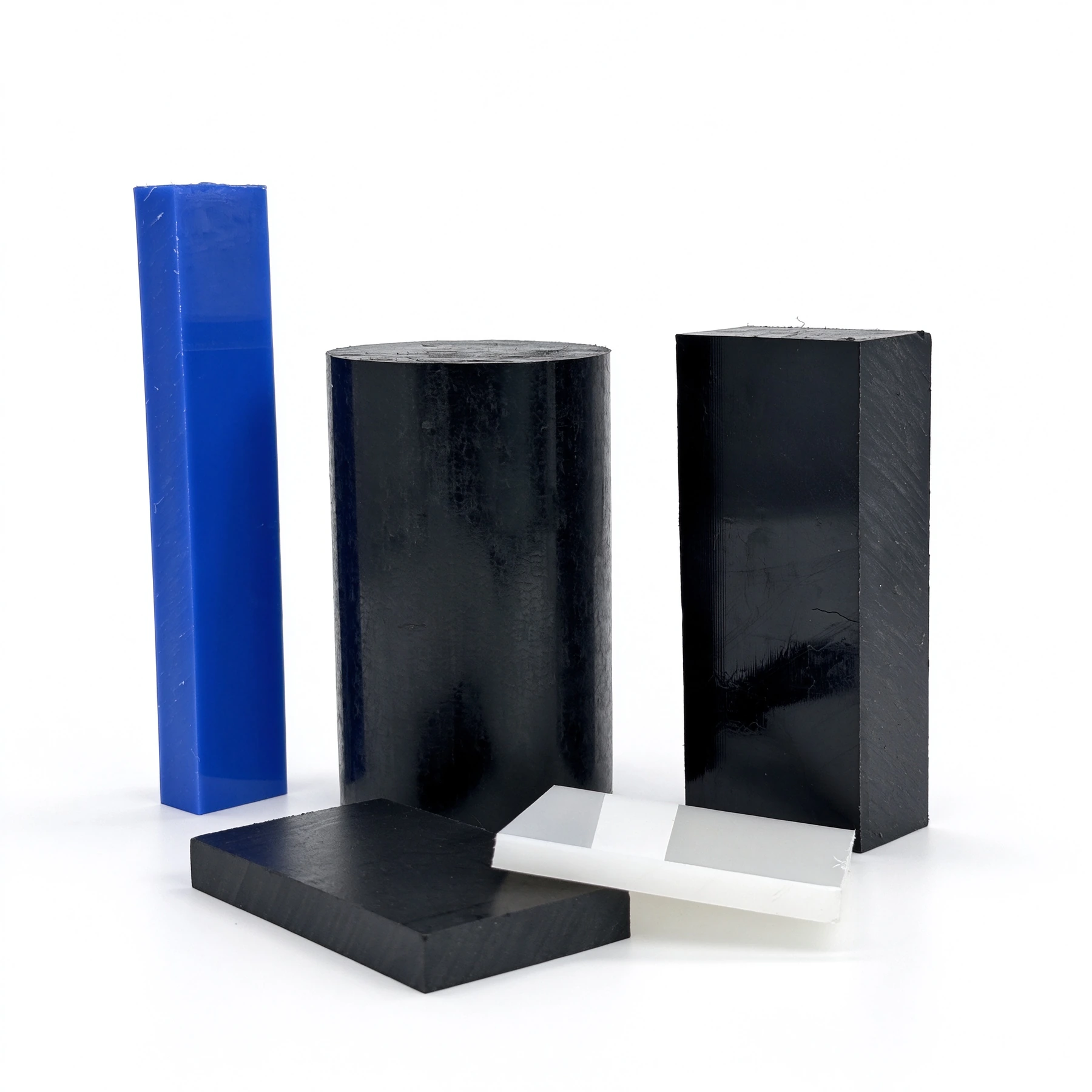
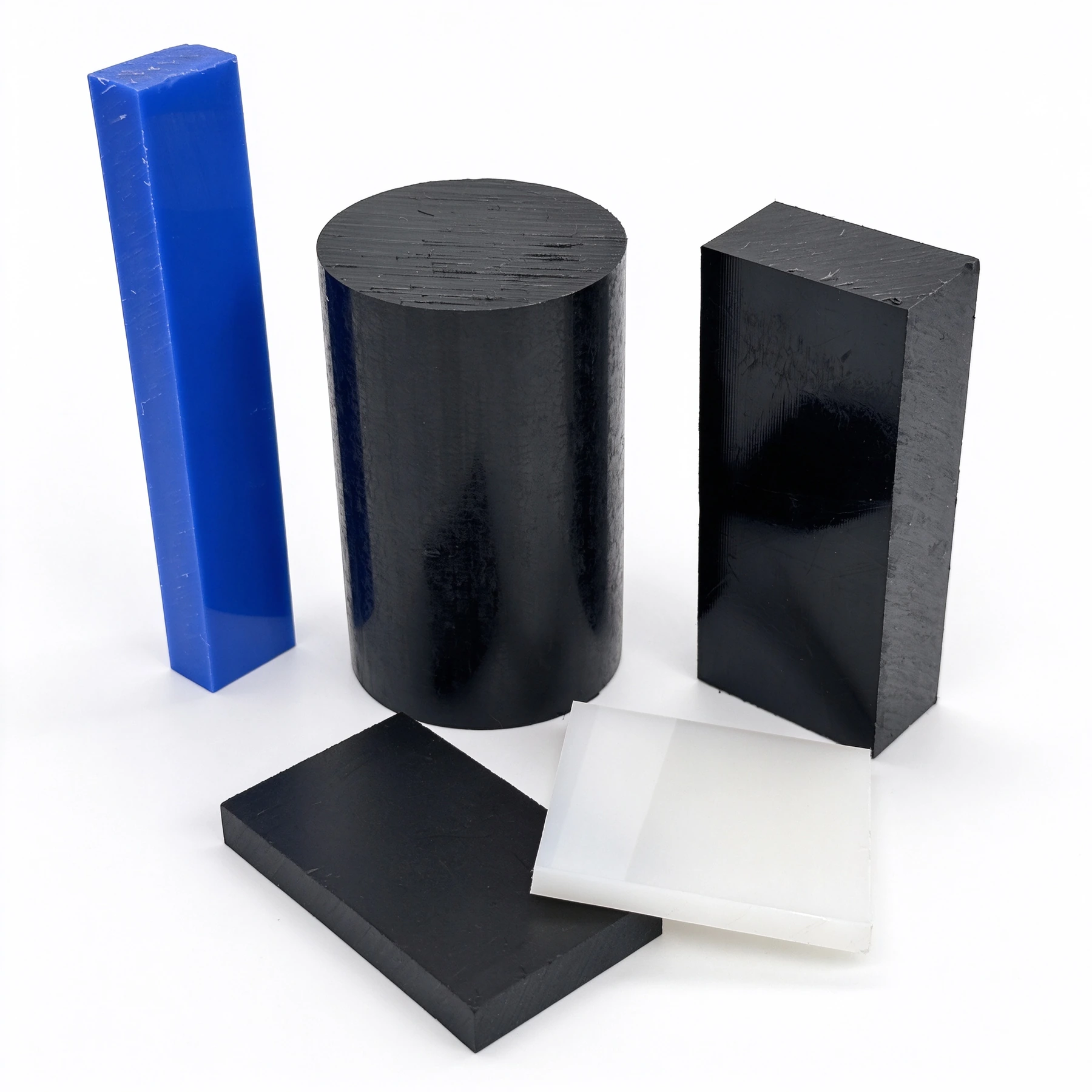
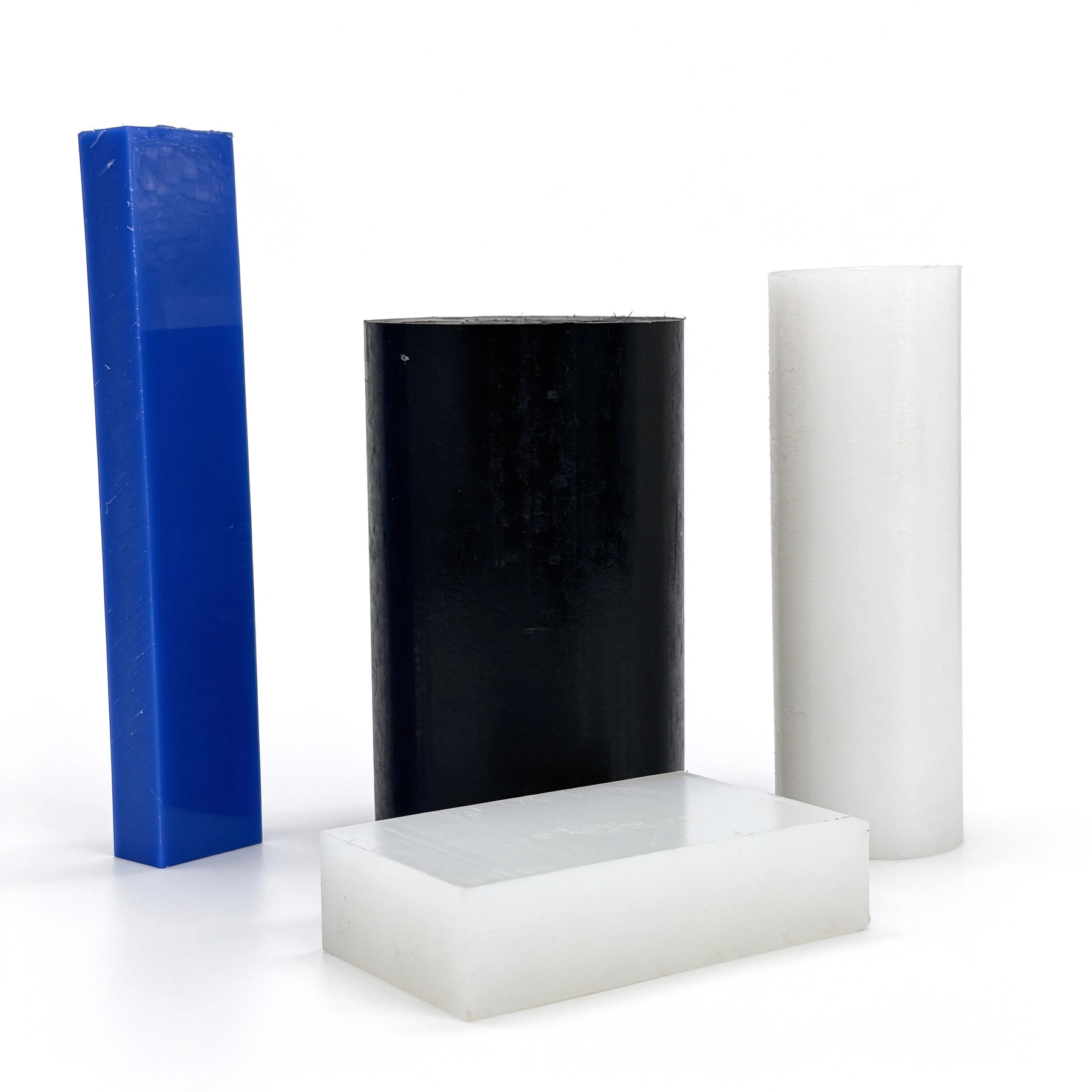
| Property | Details |
|---|---|
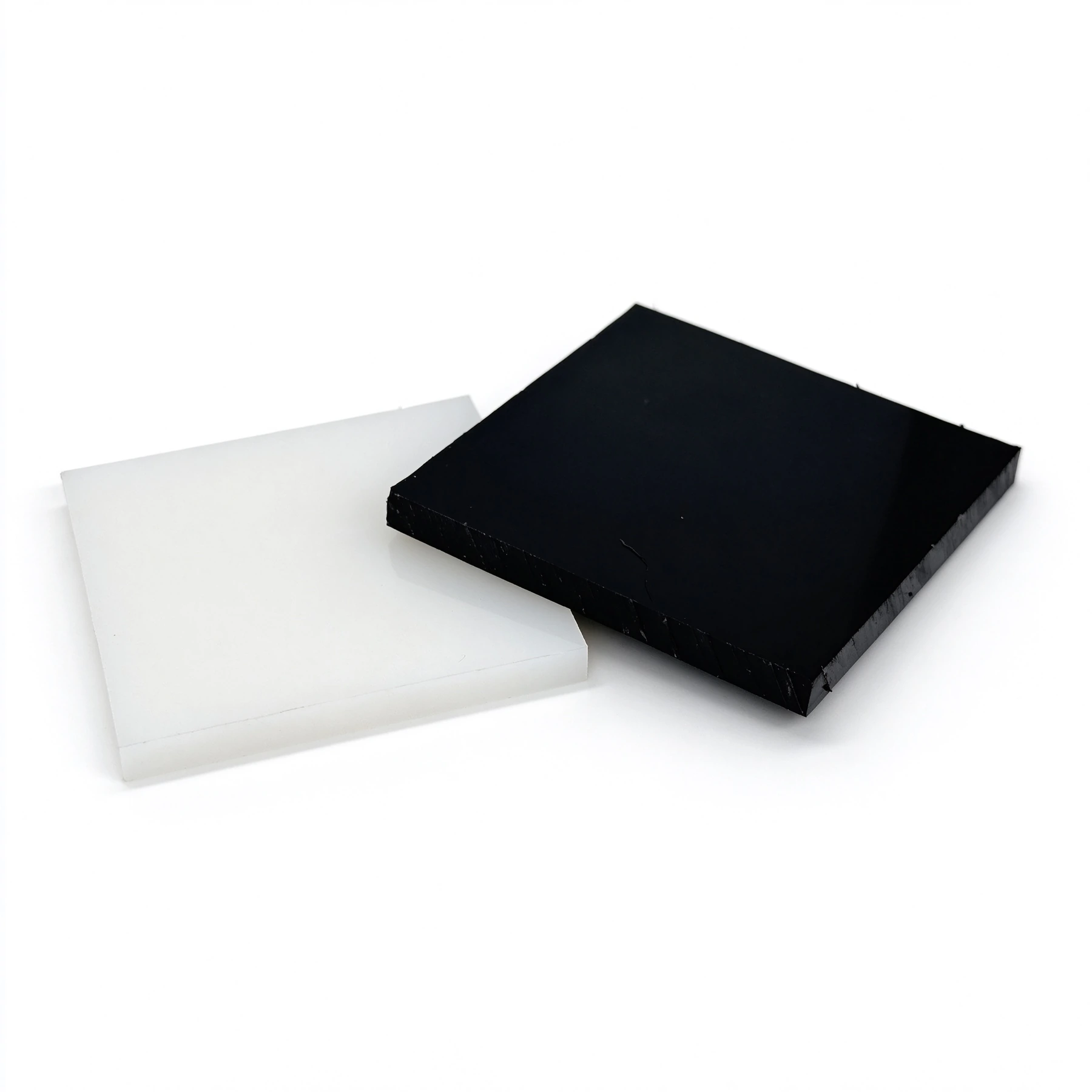
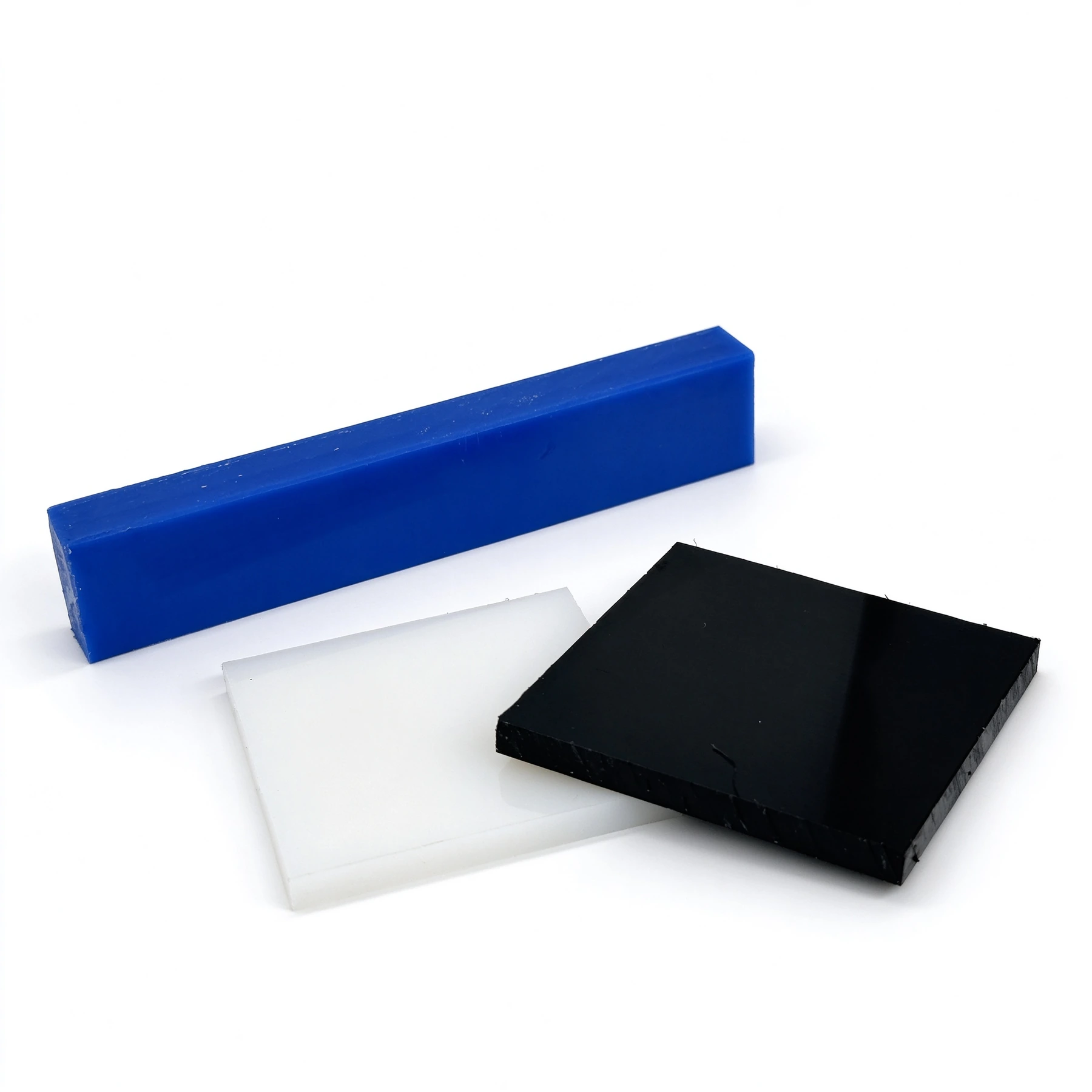
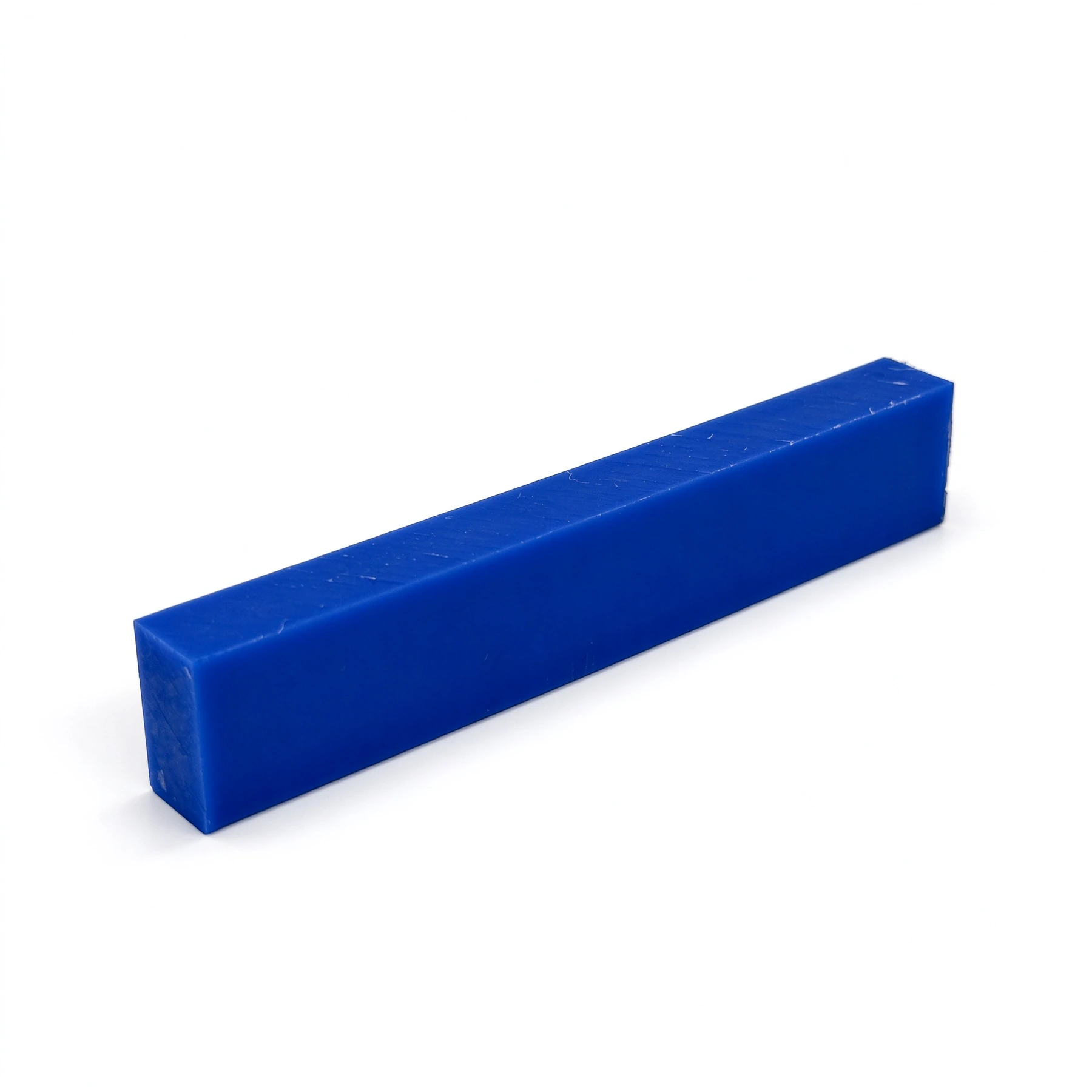
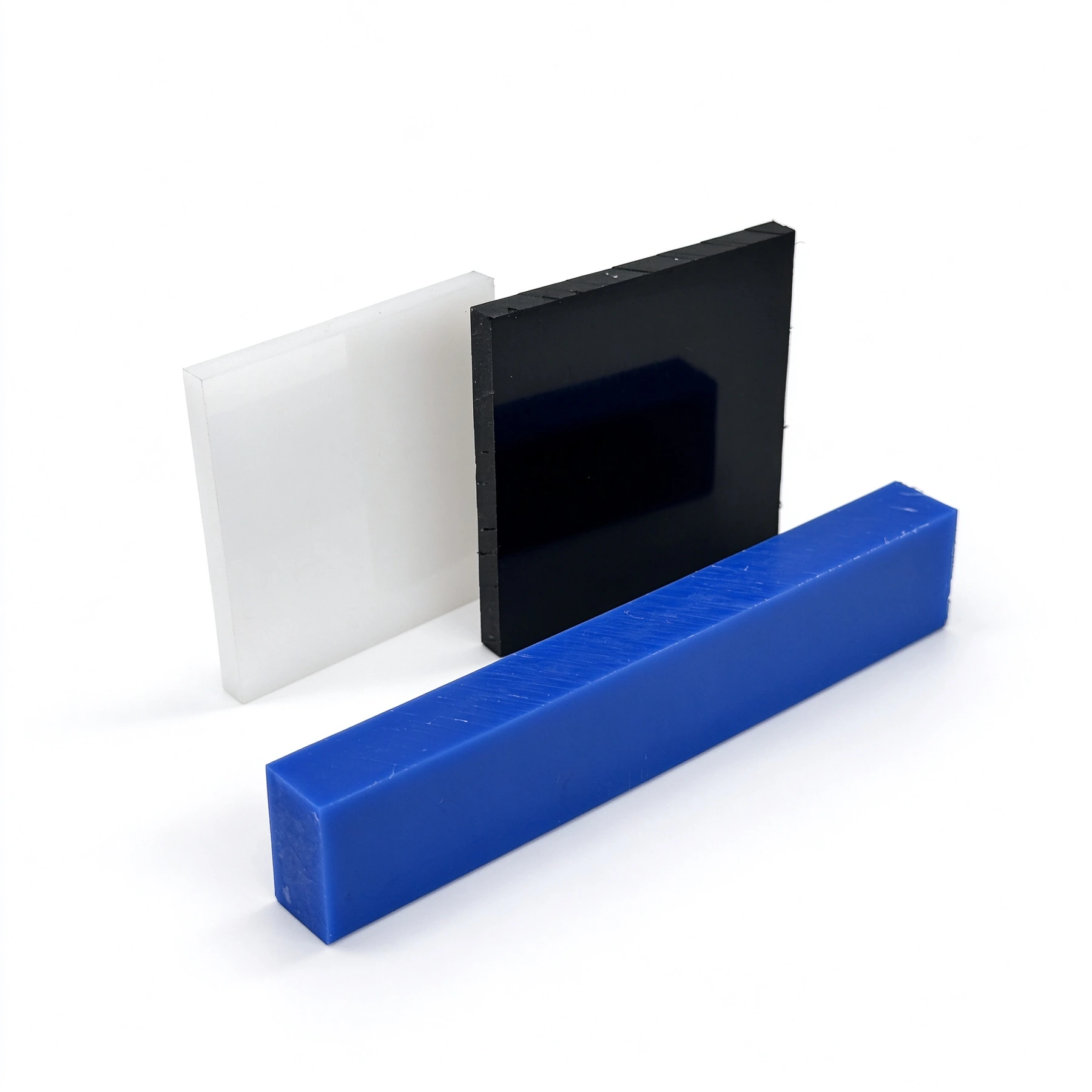
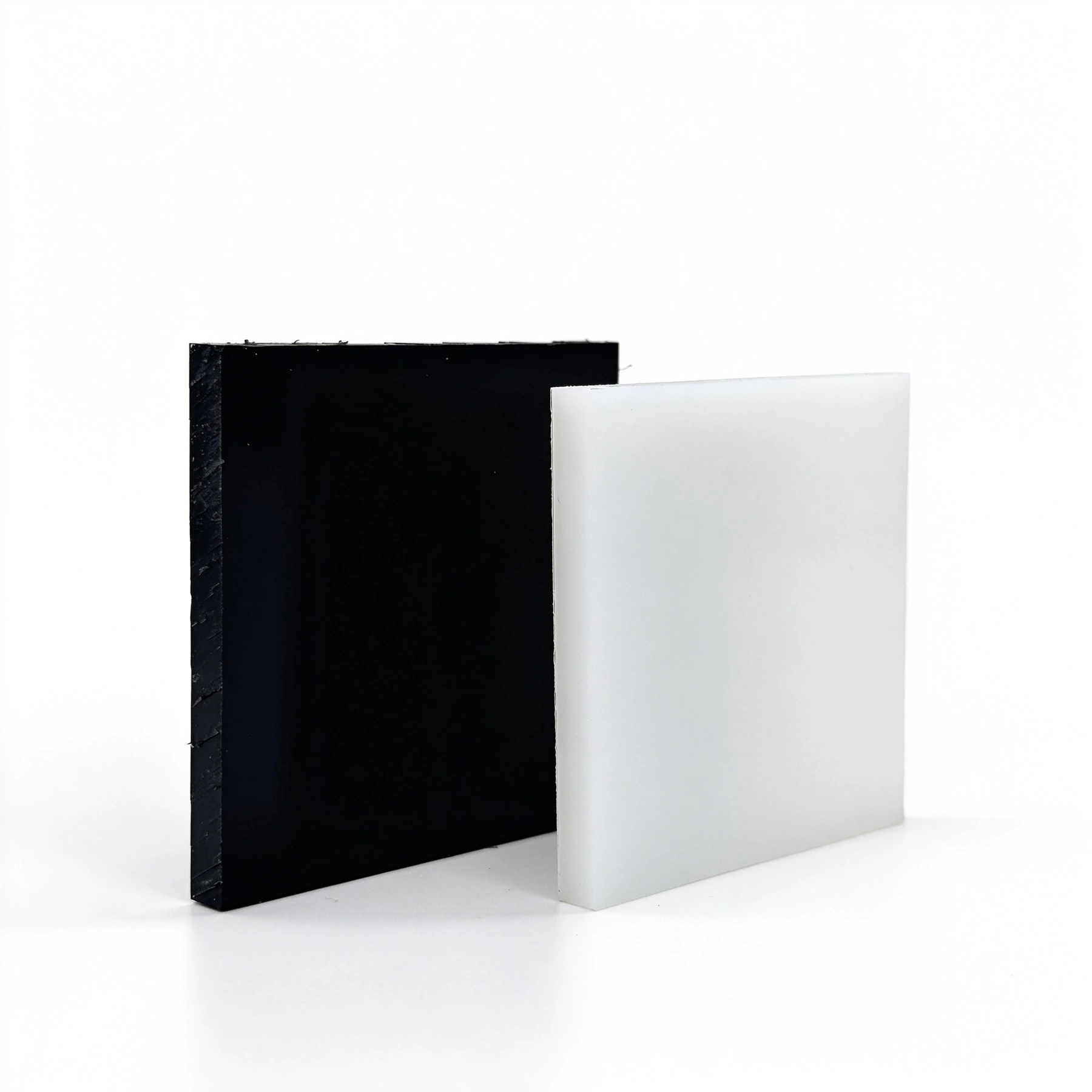
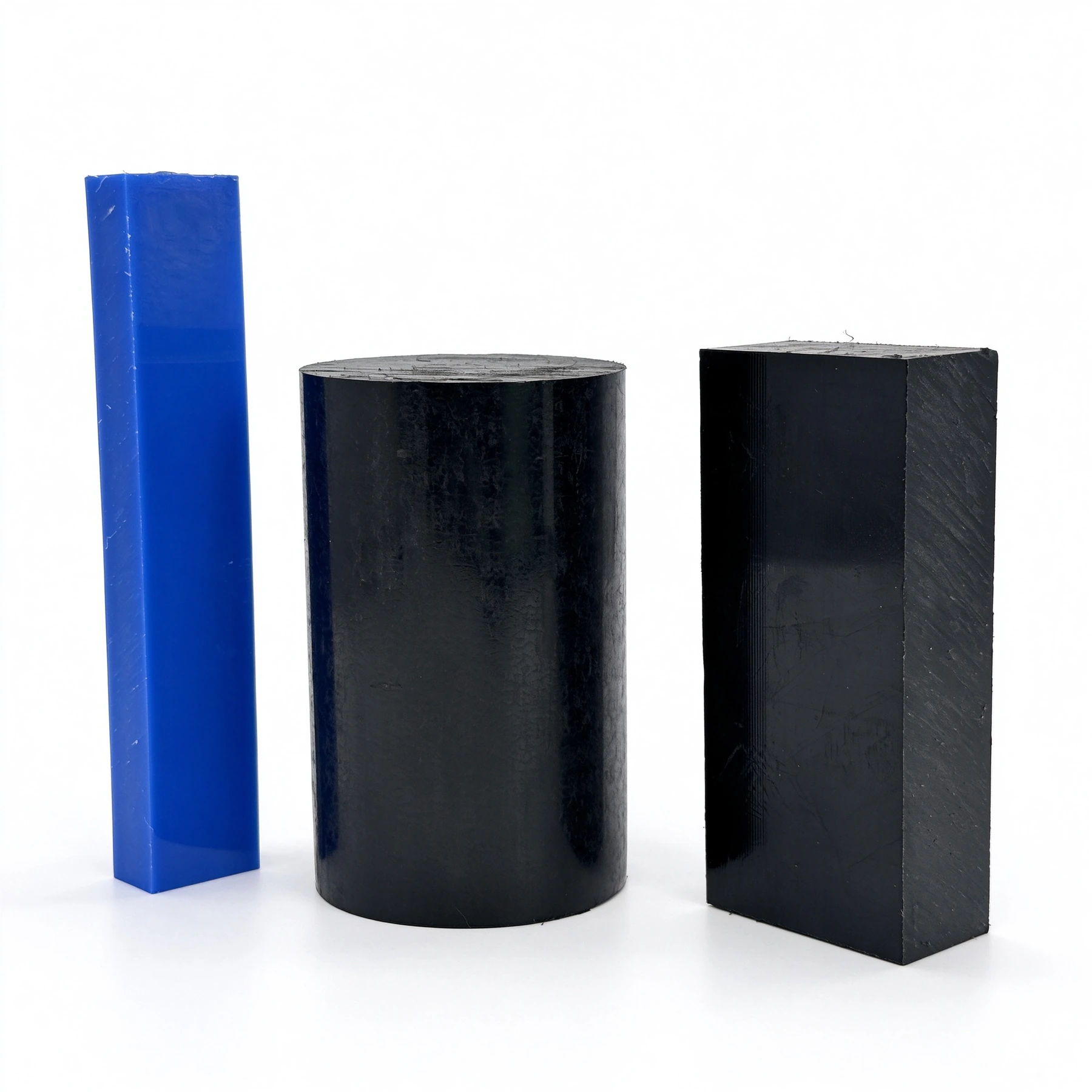
| Available variants | PA66 (Nylon) Black, PA6 (Nylon)+GF15 Black, PA6 (Nylon)+GF30 Black, PA(Nylon) Blue, PA66 (Nylon) Beige(Natural) |
| Colors | Beige(Natural), Black, Blue, Custom colors |
| Special properties | Glass- or mineral-filled, flame-retardant, heat-stabilized, conductive and UV-stabilized grades require separate specification. |
Detailed values describe BASF Ultramid A3K, PA66; dry / conditioned as indicated. Family ranges are broader selection references and may include different grades or reinforcement levels. Confirm the selected grade, condition and test method for your part.
| Property | Metric | Imperial | Test method / conditions |
|---|---|---|---|
| Density | 1.13 g/cm³ | 0.0408 lb/in³ | ISO 1183 · 23°C · Reference: BASF Ultramid A3K, PA66; dry / conditioned as indicated |
| Tensile Modulus (dry / conditioned) | 3000 / 1100 MPa | 435,000 / 160,000 psi | ISO 527 · Dry / conditioned · Reference: BASF Ultramid A3K, PA66; dry / conditioned as indicated |
| Yield Stress (dry / conditioned) | 85 / 50 MPa | 12,300 / 7,250 psi | ISO 527 · Dry / conditioned · Reference: BASF Ultramid A3K, PA66; dry / conditioned as indicated |
| Nominal Strain at Break (dry / conditioned) | 30 / >50 % | 30 / >50 % | ISO 527 · Dry / conditioned · Reference: BASF Ultramid A3K, PA66; dry / conditioned as indicated |
| Charpy notched impact (23°C, dry / conditioned) (dry / conditioned) | 5 / 20 kJ/m² | 2.4 / 9.5 ft·lb/in² | ISO 179/1eA · Dry / conditioned · Reference: BASF Ultramid A3K, PA66; dry / conditioned as indicated |
| Melting Temperature | 260 °C | 500 °F | ISO 11357 · 10°C/min · Reference: BASF Ultramid A3K, PA66; dry / conditioned as indicated |
| HDT (1.80 MPa) (dry) | 75 °C | 167 °F | ISO 75-1/-2 · 1.80 MPa · Reference: BASF Ultramid A3K, PA66; dry / conditioned as indicated |
| HDT (0.45 MPa) (dry) | 220 °C | 428 °F | ISO 75-1/-2 · 0.45 MPa · Reference: BASF Ultramid A3K, PA66; dry / conditioned as indicated |
| Vicat softening temperature (dry) | 250 °C | 482 °F | ISO 306 · 50N, 50°C/h · Reference: BASF Ultramid A3K, PA66; dry / conditioned as indicated |
| Water Absorption (saturated) | 8.5 % | 8.5 % | Sim. ISO 62 · Saturated by water immersion · Reference: BASF Ultramid A3K, PA66; dry / conditioned as indicated |
| Molding Shrinkage | 1.5~1.8 % | 1.5~1.8 % | ISO 294-4 · Parallel / perpendicular · Reference: BASF Ultramid A3K, PA66; dry / conditioned as indicated |
| Oxygen Index | 28 % | 28 % | ISO 4589 · Dry · Reference: BASF Ultramid A3K, PA66; dry / conditioned as indicated |
| Property | Family reference |
|---|---|
| Material class | Engineering plastic |
| Density (g/cm³) | 1.12–1.15 |
| Tensile strength (MPa) | 50–90 (dry) |
| Elongation at break (%) | 15–60 |
| Elastic modulus (GPa) | 1.0–3.5 |
| Hardness | R100–R120 |
| Temperature reference (°C) | HDT 70–100 |
CNC Milling Services: Injection molding after drying; CNC milling and turning of cast nylon sheet or rod. Keep dry and conditioned test values separate. Account for moisture expansion in precision fits. The supplied molding guidance calls for moisture at or below 0.15%. Glass reinforcement changes flow-direction shrinkage and mechanical performance. 3-axis milling, 4-axis milling, 5-axis milling: Use a machinable stock grade; geometry, workholding and material condition determine feasibility.
Injection molding: Injection molding after drying; CNC milling and turning of cast nylon sheet or rod. Keep dry and conditioned test values separate. Account for moisture expansion in precision fits. The supplied molding guidance calls for moisture at or below 0.15%. Glass reinforcement changes flow-direction shrinkage and mechanical performance. Single-material injection molding, Insert location and retention, Multi-shot / two-shot (2K) molding: Use an injection-molding grade. Fillers, shrinkage and processing temperatures affect tool and part design. Elastomer over plastic, Plastic over plastic: Substrate and overmold are a grade-specific pair. These materials are candidates, not an all-to-all bonding guarantee; qualify adhesion and mechanical retention. Elastomer over metal, Plastic over metal: Metal is the insert or substrate; polymer is the molded layer. Review grade pairing, surface preparation, thermal movement and retention.
FDM printing: Use a filament grade compatible with the printer and the intended loading direction; coating adhesion requires preparation. SLS printing: Use an SLS powder grade. Powder removal, surface texture and coating preparation affect the final part.
Use an injection-molding grade. Fillers, shrinkage and processing temperatures affect tool and part design.
CNC Milling Services, CNC turning: Injection molding after drying; CNC milling and turning of cast nylon sheet or rod. Keep dry and conditioned test values separate. Account for moisture expansion in precision fits. The supplied molding guidance calls for moisture at or below 0.15%. Glass reinforcement changes flow-direction shrinkage and mechanical performance. 3-axis milling, 4-axis milling, 5-axis milling, Cylindrical Turning, Boring, Threading, Grooving: Use a machinable stock grade; geometry, workholding and material condition determine feasibility.
CNC turning: Injection molding after drying; CNC milling and turning of cast nylon sheet or rod. Keep dry and conditioned test values separate. Account for moisture expansion in precision fits. The supplied molding guidance calls for moisture at or below 0.15%. Glass reinforcement changes flow-direction shrinkage and mechanical performance. Cylindrical Turning, Boring, Threading, Grooving: Use a machinable stock grade; geometry, workholding and material condition determine feasibility.
Multi-shot / two-shot (2K) molding: Use an injection-molding grade. Fillers, shrinkage and processing temperatures affect tool and part design. Elastomer over plastic, Plastic over plastic: Substrate and overmold are a grade-specific pair. These materials are candidates, not an all-to-all bonding guarantee; qualify adhesion and mechanical retention. Elastomer over metal, Plastic over metal: Metal is the insert or substrate; polymer is the molded layer. Review grade pairing, surface preparation, thermal movement and retention.
Good strength, stiffness, fatigue resistance, wear behavior and resistance to oils and many organic solvents. PA66 offers higher heat resistance than PA6; its melting point is around 260°C.
Moisture changes dimensions and mechanical properties. Dry material is less tough. Avoid strong acids and prolonged hot, wet conditions that promote hydrolysis.
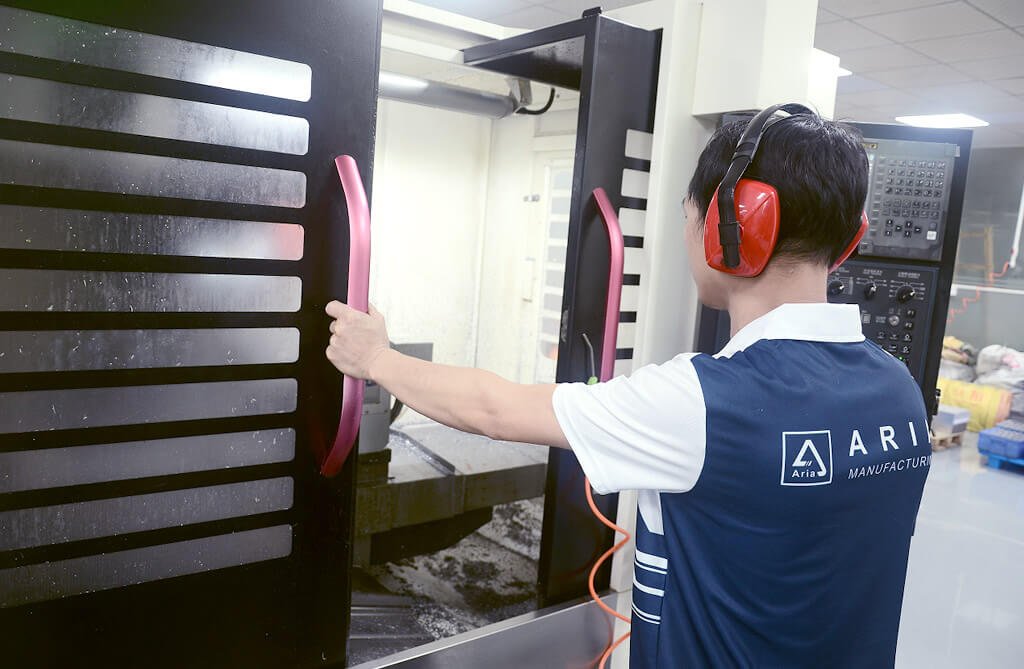
Compare materials for the loads, temperature and environment your part will face.
We review tool access, geometry and material choice before manufacturing.
Dimensional checks and inspection reports for the critical features on your drawing.
Adhesion depends on polymer grade, surface preparation and coating or ink chemistry. Confirm with the selected formulation.
Mold-transferred appearance depends on the resin and tool surface; gloss and texture do not specify a material-independent roughness.
Gears, bearings, slides, fasteners, automotive structural parts, power-tool parts and electrical connectors. Cast PA6 stock is also used for larger machined parts.
Injection molding after drying; CNC milling and turning of cast nylon sheet or rod.
Dyeing and printing are possible. Painting and bonding need process qualification; electroplating normally requires a specialized process.
Keep dry and conditioned test values separate. Account for moisture expansion in precision fits. The supplied molding guidance calls for moisture at or below 0.15%. Glass reinforcement changes flow-direction shrinkage and mechanical performance.
Natural milky white to pale yellow. Black and custom colors.
Upload your CAD files and tell us the material and quantity you need.
Talk to an engineer