
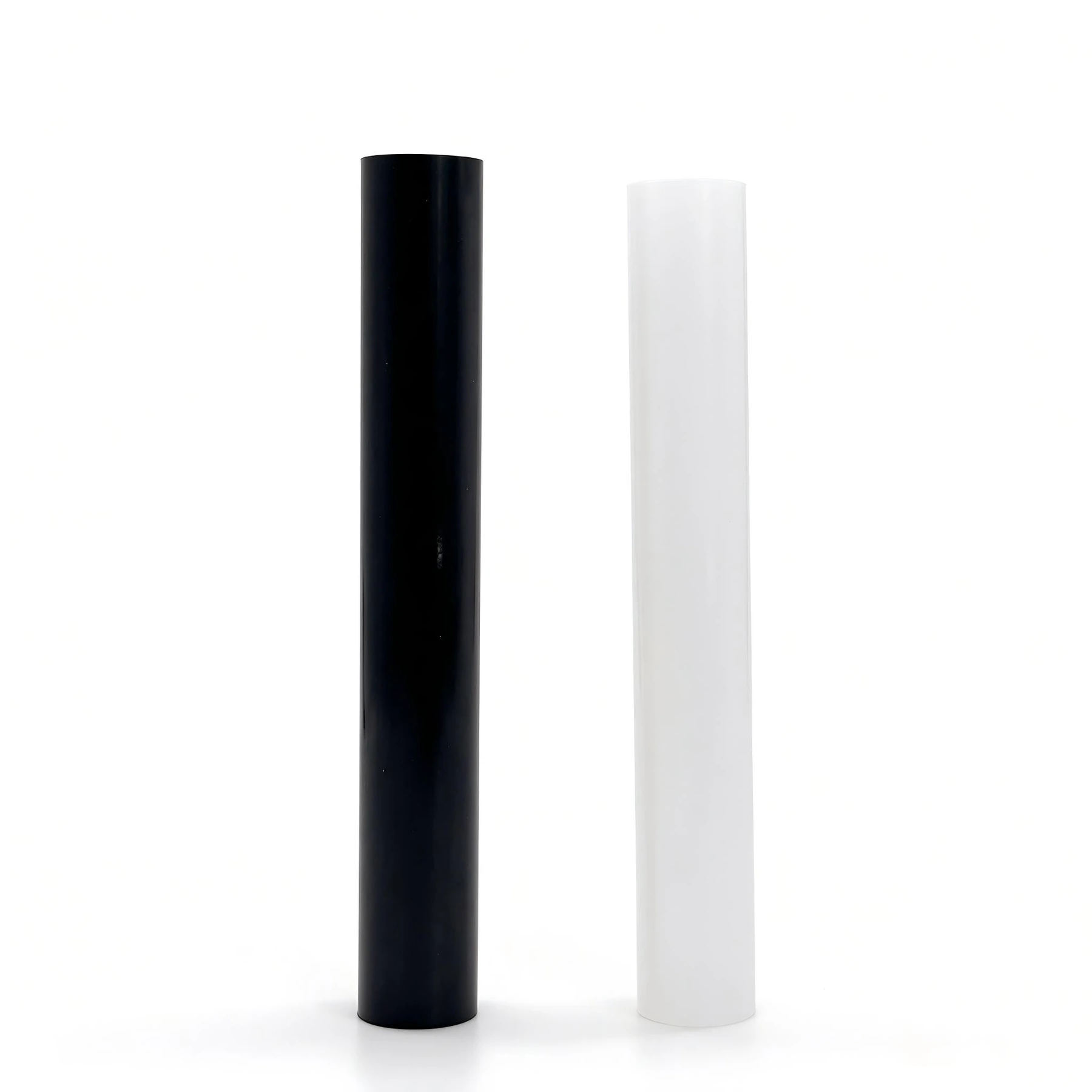
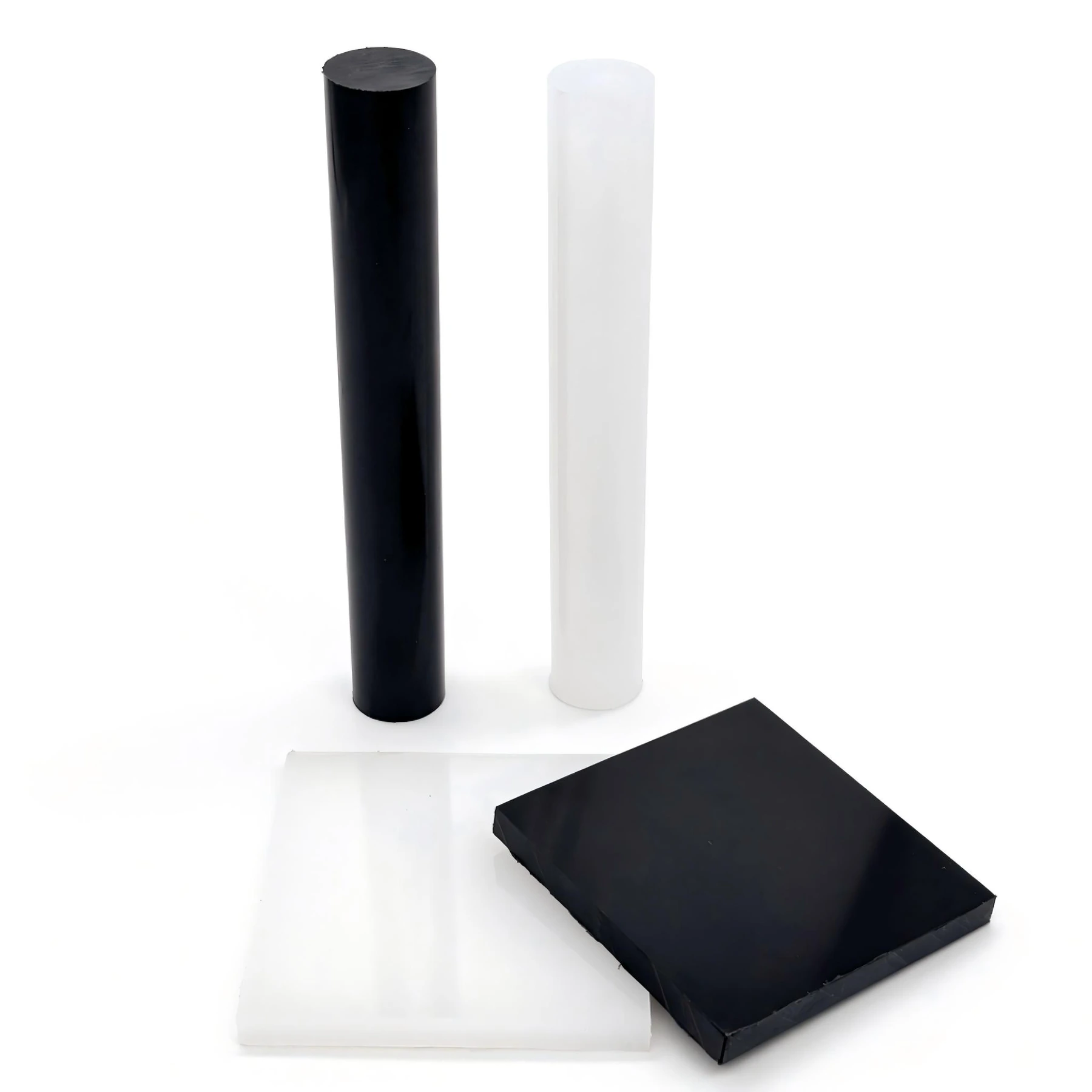
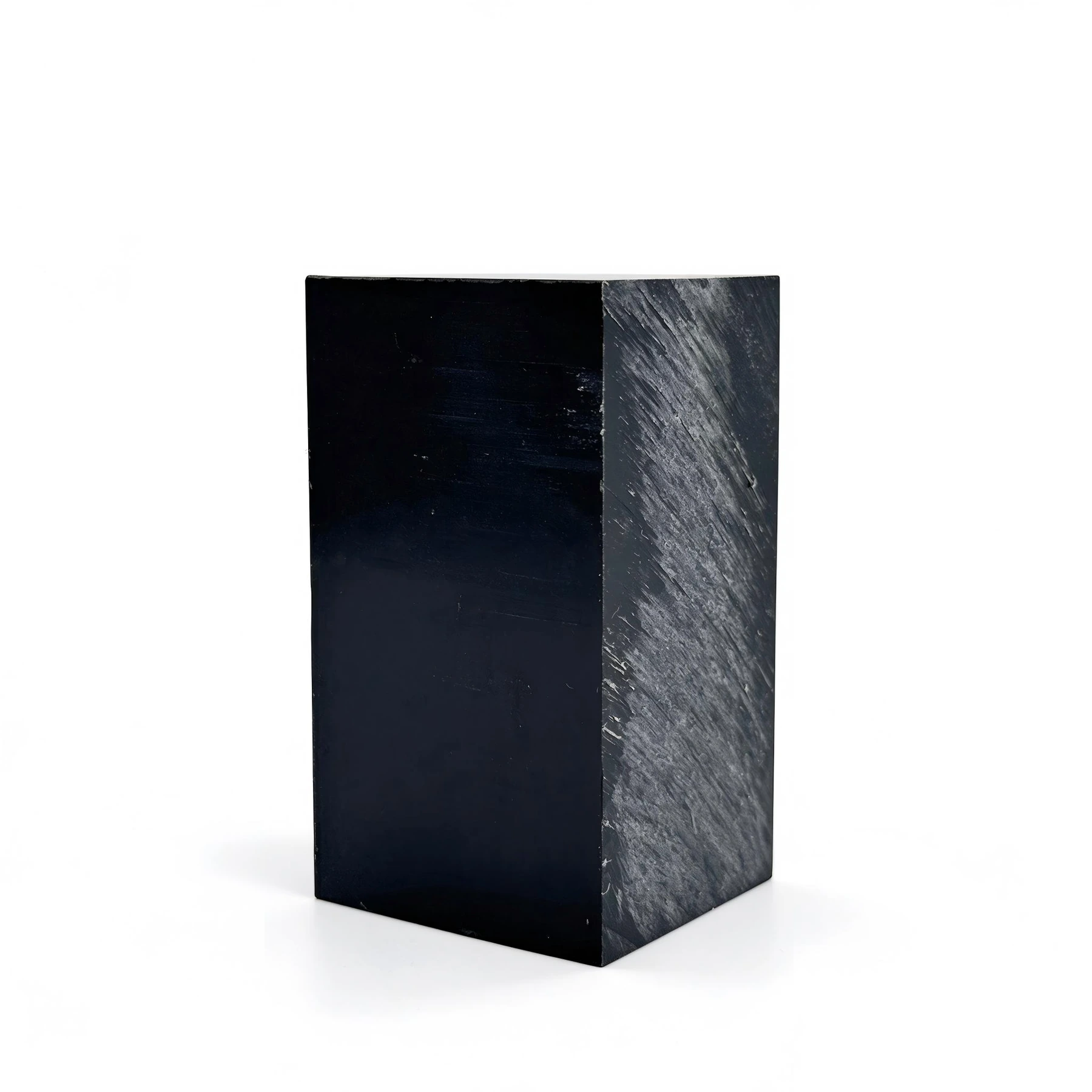
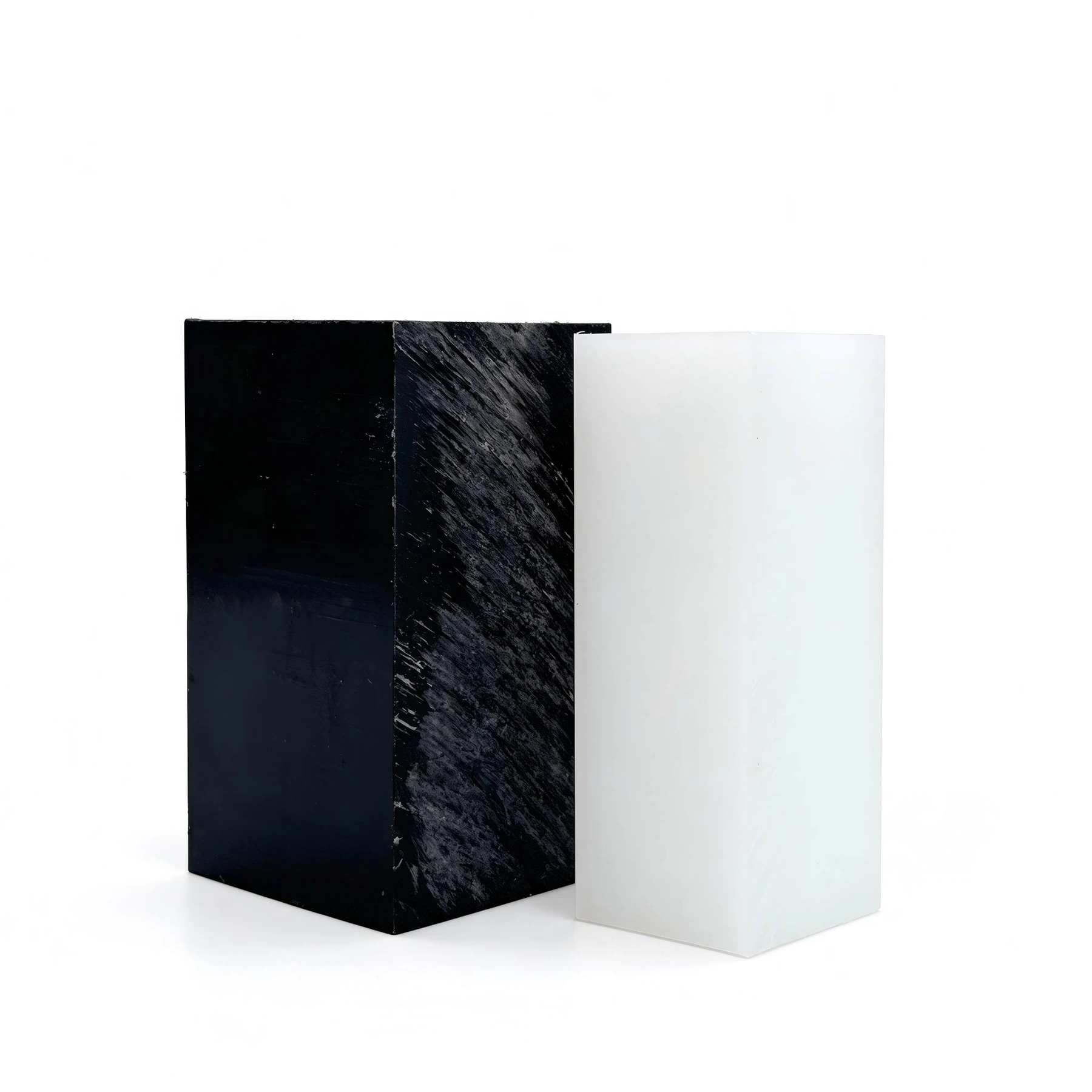
PP stock — view 01
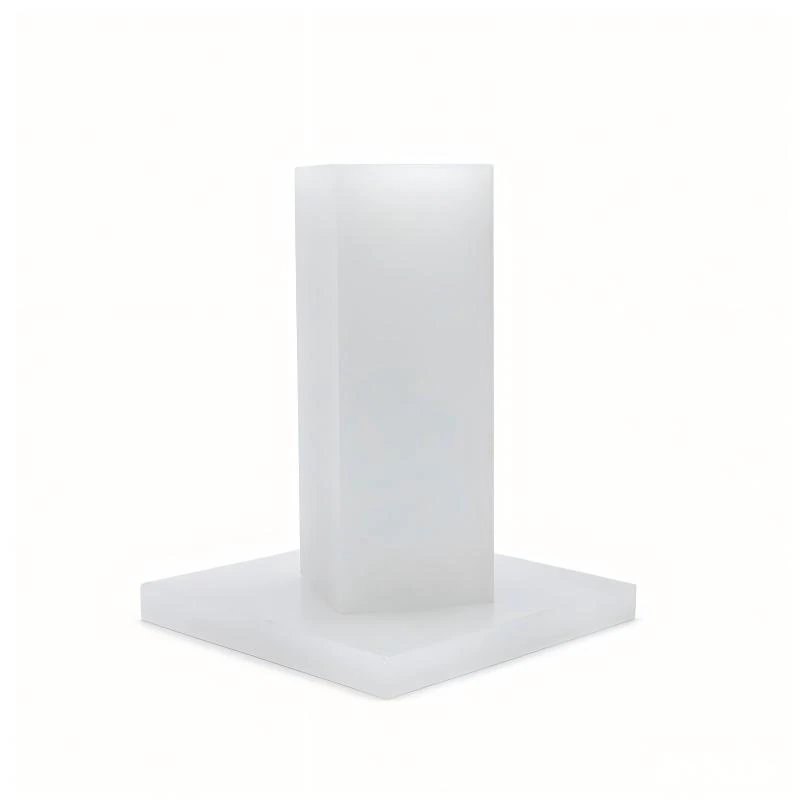
Polypropylene is a lightweight, semi-crystalline plastic used for chemically resistant containers, molded parts and repeatedly flexed features.
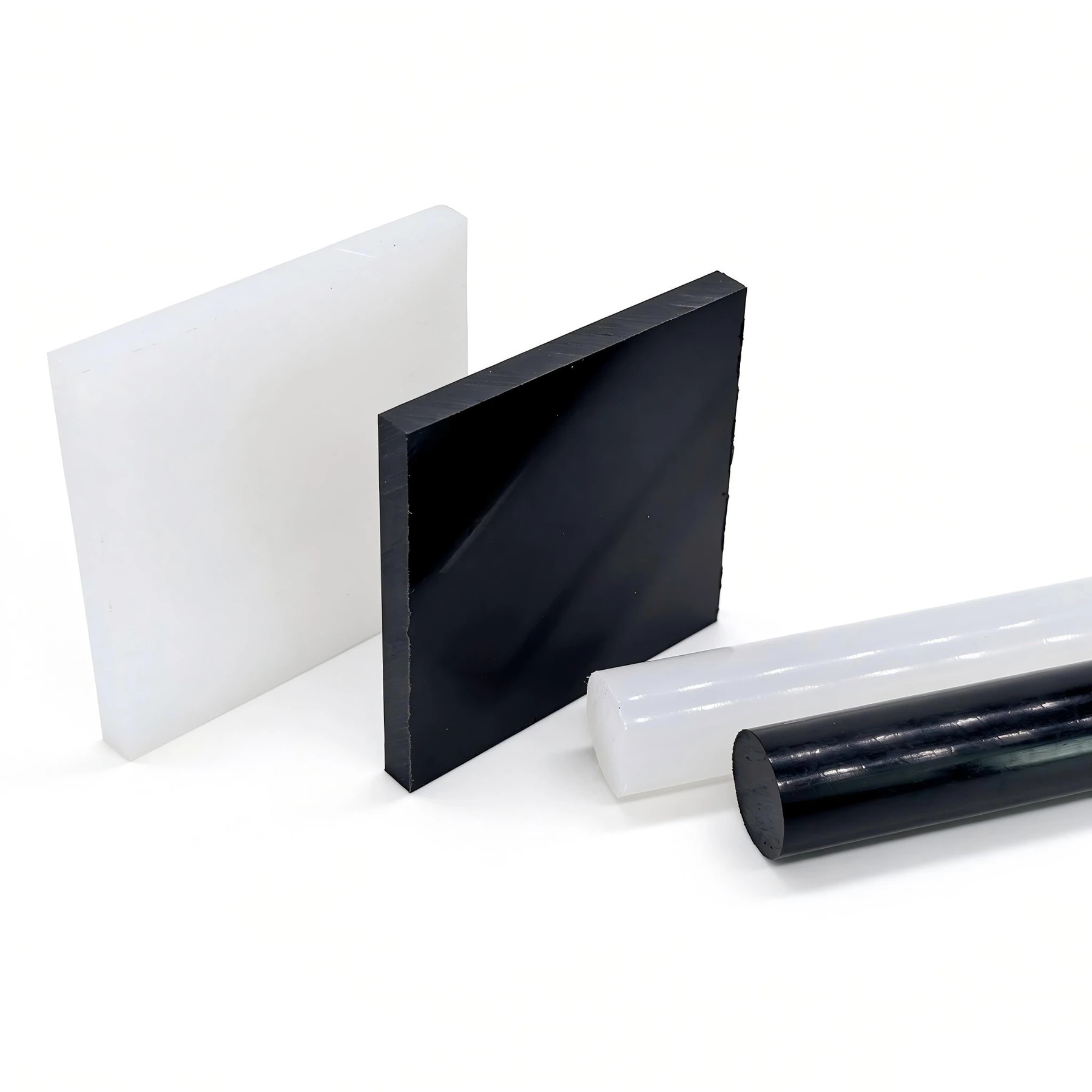


















If a PP part needs to flex repeatedly, resist chemicals or keep weight down, tell Aria which requirement controls the design. We can discuss the grade, section geometry and intended manufacturing route together. Include any assembly fits, color and surface-treatment needs so they are considered before the order is confirmed.
Aria’s machining and injection molding options let you discuss a trial part and the intended repeat-production route together. Keep the required material behavior and acceptance criteria explicit for each version.
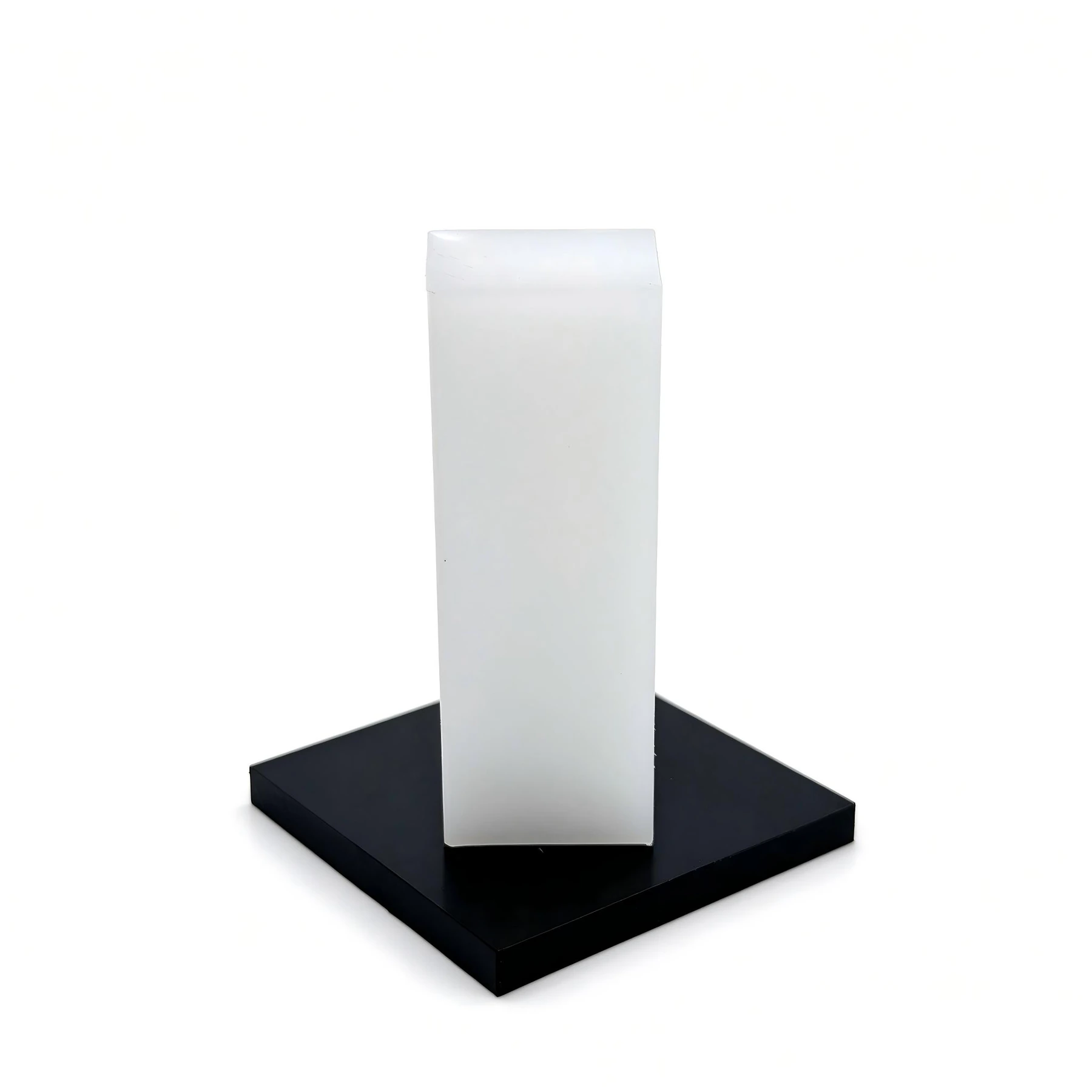
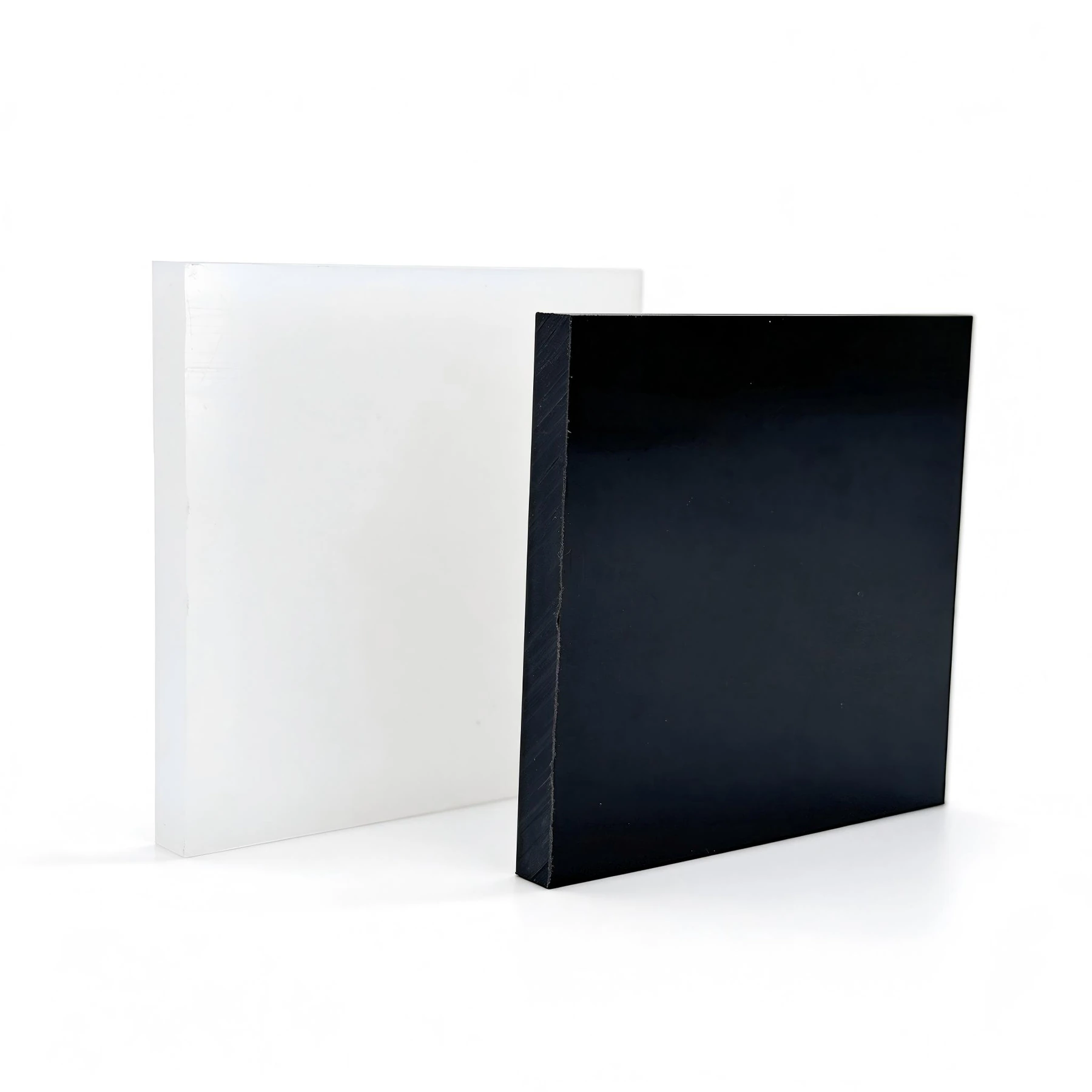
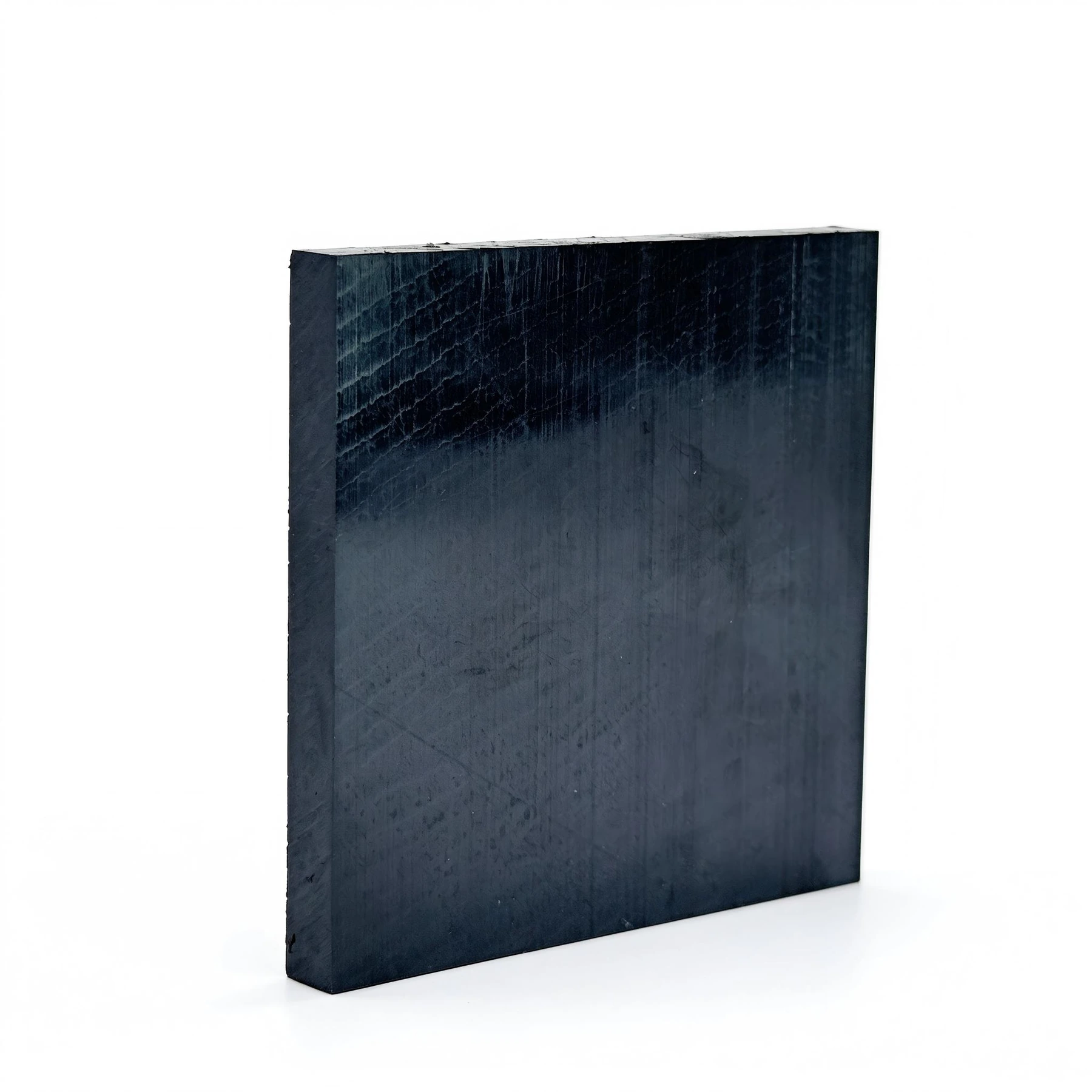
| Property | Details |
|---|---|
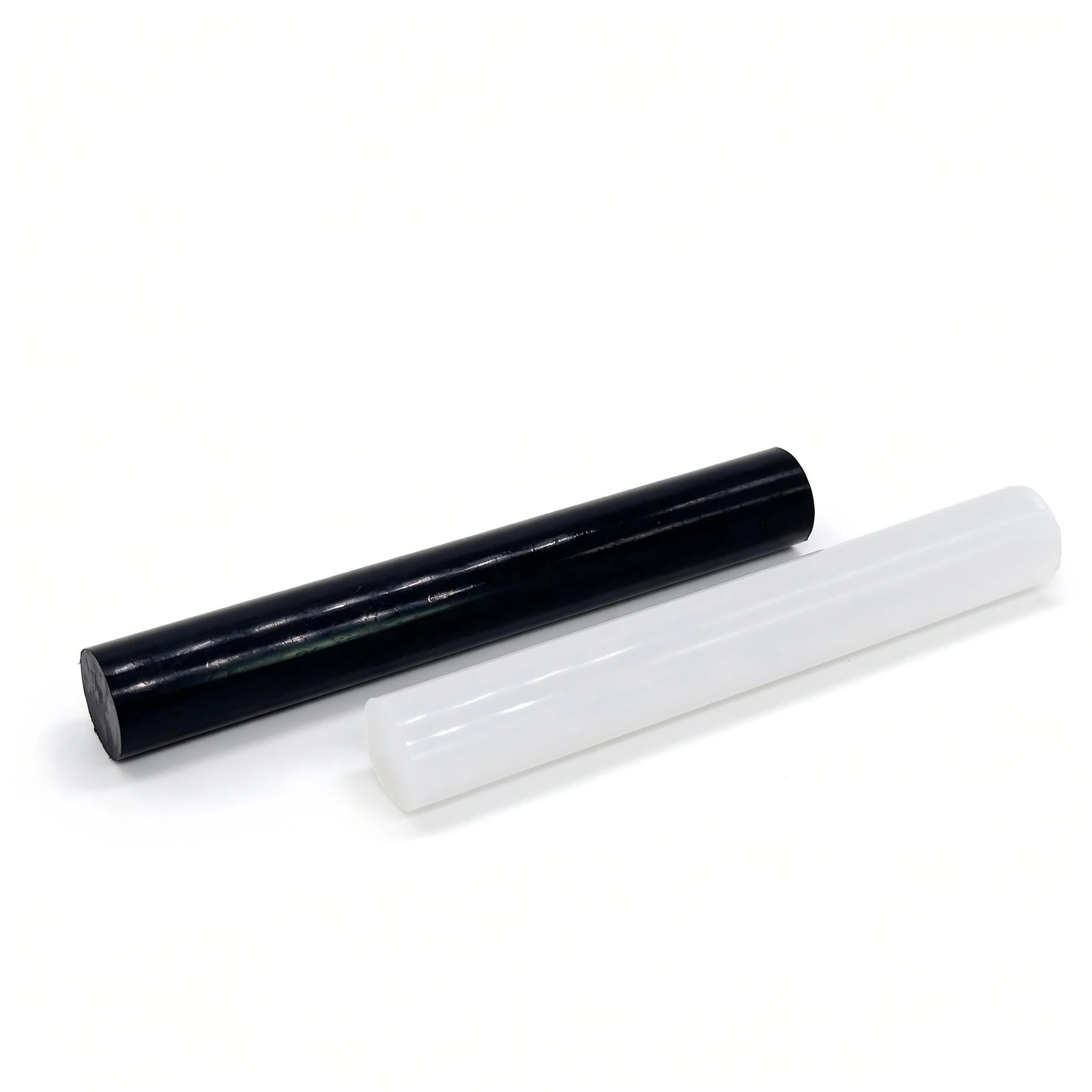
| Available variants | PP Black, PP+GF30 Black, PP White |
| Colors | Black, White, Natural milky white, Custom colors |
| Special properties | Flame-retardant, UV-stabilized, glass-filled and antimicrobial grades are separate options requiring grade-specific evidence. |
Detailed values describe LyondellBasell Moplen HP500N (ISO, 2018-07-12); LyondellBasell Moplen HP500N (ASTM). Family ranges are broader selection references and may include different grades or reinforcement levels. Confirm the selected grade, condition and test method for your part.
| Property | Metric | Imperial | Test method / conditions |
|---|---|---|---|
| Density | 0.90 g/cm³ | 0.0325 lb/in³ | ISO 1183 · 23°C · Reference: LyondellBasell Moplen HP500N (ISO, 2018-07-12) |
| Melt Flow Rate | 12 g/10min | 12 g/10min | ISO 1133 · 230°C, 2.16 kg · Reference: LyondellBasell Moplen HP500N (ISO, 2018-07-12) |
| Tensile Modulus | 1,400 MPa | 203,000 psi | ISO 527 · 23°C · Reference: LyondellBasell Moplen HP500N (ISO, 2018-07-12) |
| Tensile Stress at Yield | 35 MPa | 5,080 psi | ISO 527 · 50 mm/min · Reference: LyondellBasell Moplen HP500N (ISO, 2018-07-12) |
| Tensile Strain at Yield | 10 % | 10 % | ISO 527 · 50 mm/min · Reference: LyondellBasell Moplen HP500N (ISO, 2018-07-12) |
| Tensile Strain at Break | >50 % | >50 % | ISO 527 · 50 mm/min · Reference: LyondellBasell Moplen HP500N (ISO, 2018-07-12) |
| Charpy notched impact (23°C) | 4 kJ/m² | 1.9 ft·lb/in² | ISO 179/1eA · 23°C · Reference: LyondellBasell Moplen HP500N (ISO, 2018-07-12) |
| Flexural Modulus | 1,480 MPa | 215,000 psi | ASTM D790 · 23°C · Reference: LyondellBasell Moplen HP500N (ASTM) |
| Notched Izod | 25 J/m | 0.47 ft·lb/in | ASTM D256 · 23°C · Reference: LyondellBasell Moplen HP500N (ASTM) |
| Rockwell Hardness | R102 (R scale) | R102 (R scale) | ASTM D785 · 23°C · Reference: LyondellBasell Moplen HP500N (ASTM) |
| Vicat softening temperature (A/50N) | 153 °C | 307 °F | ISO 306 · 50N · Reference: LyondellBasell Moplen HP500N (ISO, 2018-07-12) |
| HDT (0.45 MPa) | 95 °C | 203 °F | ISO 75B · 0.45 MPa, unannealed · Reference: LyondellBasell Moplen HP500N (ISO, 2018-07-12) |
| Property | Family reference |
|---|---|
| Material class | General-purpose plastic |
| Density (g/cm³) | 0.90–0.91 |
| Tensile strength (MPa) | 25–40 |
| Elongation at break (%) | 50–600 |
| Elastic modulus (GPa) | 1.1–1.6 |
| Hardness | R80–R110 |
| Temperature reference (°C) | HDT 50–100 |
CNC Milling Services: Conventional and thin-wall injection molding; extrusion. CNC milling and turning are possible, but soft stock needs controlled clamping and stress management. Use a copolymer grade when low-temperature impact is important. Treat surfaces before bonding or painting and allow for stress-related warping in machined parts. 3-axis milling, 4-axis milling, 5-axis milling: Use a machinable stock grade; geometry, workholding and material condition determine feasibility.
Injection molding: Conventional and thin-wall injection molding; extrusion. CNC milling and turning are possible, but soft stock needs controlled clamping and stress management. Use a copolymer grade when low-temperature impact is important. Treat surfaces before bonding or painting and allow for stress-related warping in machined parts. Single-material injection molding, Insert location and retention, Multi-shot / two-shot (2K) molding: Use an injection-molding grade. Fillers, shrinkage and processing temperatures affect tool and part design. Elastomer over plastic, Plastic over plastic: Substrate and overmold are a grade-specific pair. These materials are candidates, not an all-to-all bonding guarantee; qualify adhesion and mechanical retention.
Use an injection-molding grade. Fillers, shrinkage and processing temperatures affect tool and part design.
CNC Milling Services, CNC turning: Conventional and thin-wall injection molding; extrusion. CNC milling and turning are possible, but soft stock needs controlled clamping and stress management. Use a copolymer grade when low-temperature impact is important. Treat surfaces before bonding or painting and allow for stress-related warping in machined parts. 3-axis milling, 4-axis milling, 5-axis milling, Cylindrical Turning, Boring, Threading, Grooving: Use a machinable stock grade; geometry, workholding and material condition determine feasibility.
CNC turning: Conventional and thin-wall injection molding; extrusion. CNC milling and turning are possible, but soft stock needs controlled clamping and stress management. Use a copolymer grade when low-temperature impact is important. Treat surfaces before bonding or painting and allow for stress-related warping in machined parts. Cylindrical Turning, Boring, Threading, Grooving: Use a machinable stock grade; geometry, workholding and material condition determine feasibility.
Multi-shot / two-shot (2K) molding: Use an injection-molding grade. Fillers, shrinkage and processing temperatures affect tool and part design. Elastomer over plastic, Plastic over plastic: Substrate and overmold are a grade-specific pair. These materials are candidates, not an all-to-all bonding guarantee; qualify adhesion and mechanical retention.
Low density, around 0.90 g/cm³; very low moisture uptake; good electrical insulation and resistance to acids, alkalis and salts. Fatigue resistance makes PP useful for living hinges.
Moderate stiffness and heat resistance. General-purpose PP becomes brittle below 0°C and needs UV stabilization outdoors. Its low surface energy makes untreated surfaces difficult to paint or bond.
Compare materials for the loads, temperature and environment your part will face.
We review tool access, geometry and material choice before manufacturing.
Dimensional checks and inspection reports for the critical features on your drawing.
Use a copolymer grade when low-temperature impact is important. Treat surfaces before bonding or painting and allow for stress-related warping in machined parts. Printing, screen printing and painting after flame or corona treatment. Ultrasonic and hot-plate welding are joining options. Electroplating is generally unsuitable.
Mold-transferred appearance depends on the resin and tool surface; gloss and texture do not specify a material-independent roughness.
Packaging, returnable containers, automotive trim, appliance parts, pipework, fibers, ropes and selected medical components.
Conventional and thin-wall injection molding; extrusion. CNC milling and turning are possible, but soft stock needs controlled clamping and stress management.
Printing, screen printing and painting after flame or corona treatment. Ultrasonic and hot-plate welding are joining options. Electroplating is generally unsuitable.
Use a copolymer grade when low-temperature impact is important. Treat surfaces before bonding or painting and allow for stress-related warping in machined parts.
Natural translucent milky white. Black and custom colors, subject to order quantity.
Upload your CAD files and tell us the material and quantity you need.
Talk to an engineer