
Advantages
Good corrosion/oxidation resistance and weldability. Annealed 304 is generally nonmagnetic and tough; cold work can increase strength and magnetism.
Stainless steel is used where corrosion resistance, toughness and appearance matter.
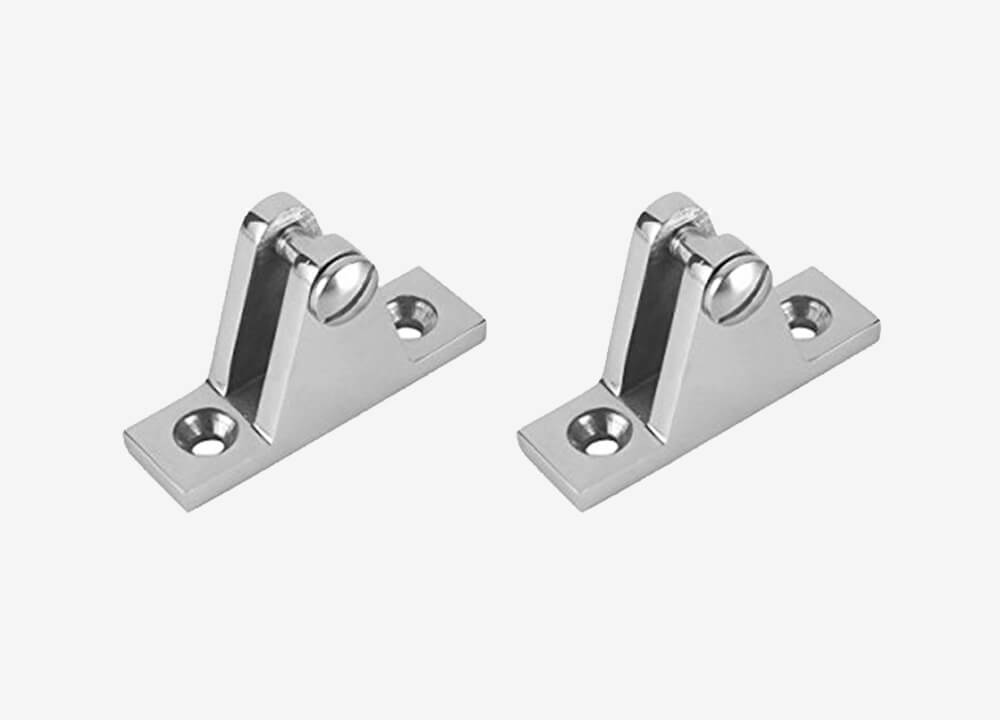


















A stainless part may face moisture, chemicals, wear or a visible cosmetic requirement. Bring those conditions to Aria’s material review so the grade, surface treatment and inspection requirements can be discussed together. The property values below identify a particular grade and condition; they are a starting point for selection, not a substitute for the grade on your order.
| Property | Details |
|---|---|
| Colors | Silver-white, PVD colors |
| Special properties | Passivation and electropolishing can improve surface condition and cleanliness. Select the grade for the actual corrosion environment. |
Detailed values describe Annealed 304 stainless steel. Family ranges are broader selection references and may include different grades or reinforcement levels. Confirm the selected grade, condition and test method for your part. Melting temperature is not a working-temperature limit; use the mill certificate for the specified alloy and temper.
| Property | Metric | Imperial | Test method / conditions |
|---|---|---|---|
| Density | 7.9 g/cm³ | 0.285 lb/in³ | Annealed · Reference: Annealed 304 stainless steel |
| Tensile Strength UTS | 580 MPa | 84,000 psi | ASTM A276 · Annealed (minimum 515) · Reference: Annealed 304 stainless steel |
| Yield Strength | 230 MPa | 34,000 psi | ASTM A276 · Annealed (minimum 205) · Reference: Annealed 304 stainless steel |
| Elongation | 43 % | 43 % | ASTM A276 · Annealed (minimum 40) · Reference: Annealed 304 stainless steel |
| Hardness | 170 HB / 79 HRB - | 170 HB / 79 HRB - | Annealed · Reference: Annealed 304 stainless steel |
| Elastic Modulus | 200 GPa | 29×10⁶ psi | Reference: Annealed 304 stainless steel |
| Shear Strength | 400 MPa | 58,000 psi | Annealed · Reference: Annealed 304 stainless steel |
| Fatigue Strength | 210 MPa | 30,000 psi | Reference: Annealed 304 stainless steel |
| Thermal Conductivity | 16 W/m·K | 9.2 BTU/h·ft·°F | Room temperature · Reference: Annealed 304 stainless steel |
| CTE | 17 µm/m·K | 9.4 µin/in·°F | Reference: Annealed 304 stainless steel |
| Specific Heat | 480 J/kg·K | 0.11 BTU/lb·°F | Reference: Annealed 304 stainless steel |
| Melting Range | 1400~1450 °C | 2550~2640 °F | Solidus–liquidus · Reference: Annealed 304 stainless steel |
| Electrical Conductivity | 2.4 % IACS | 2.4 % IACS | Reference: Annealed 304 stainless steel |
| Property | Family reference |
|---|---|
| Material class | Steel |
| Density (g/cm³) | 7.7–8.0 |
| Tensile strength (MPa) | 480–1300 |
| Elongation at break (%) | 8–60 |
| Elastic modulus (GPa) | 190–210 |
| Hardness | HB 150–350 |
| Temperature reference (°C) | Melting point 1400–1450 |
| Standard or designation | Scope and selection notes |
|---|---|
| ASTM A276 | Stainless steel bars and shapes. |
| ASTM A479 / A479M | Stainless steel bars and shapes for boilers and other pressure vessels. |
| ASTM A240 / A240M | Stainless steel plate, sheet and strip for pressure vessels and general applications. |
| 304 designation references | AISI 304 / UNS S30400; EN 1.4301; GB 06Cr19Ni10. Verify the ordered product specification and certificate. |
| Before ordering | Grade names listed for comparison are not a blanket equivalence declaration. Agree the product standard, edition, delivery condition and required certificate before approving a substitution. |
Good corrosion/oxidation resistance and weldability. Annealed 304 is generally nonmagnetic and tough; cold work can increase strength and magnetism.
Low thermal conductivity and work hardening make machining demanding. Chloride exposure can cause localized corrosion. 304 cannot be hardened by conventional heat treatment.
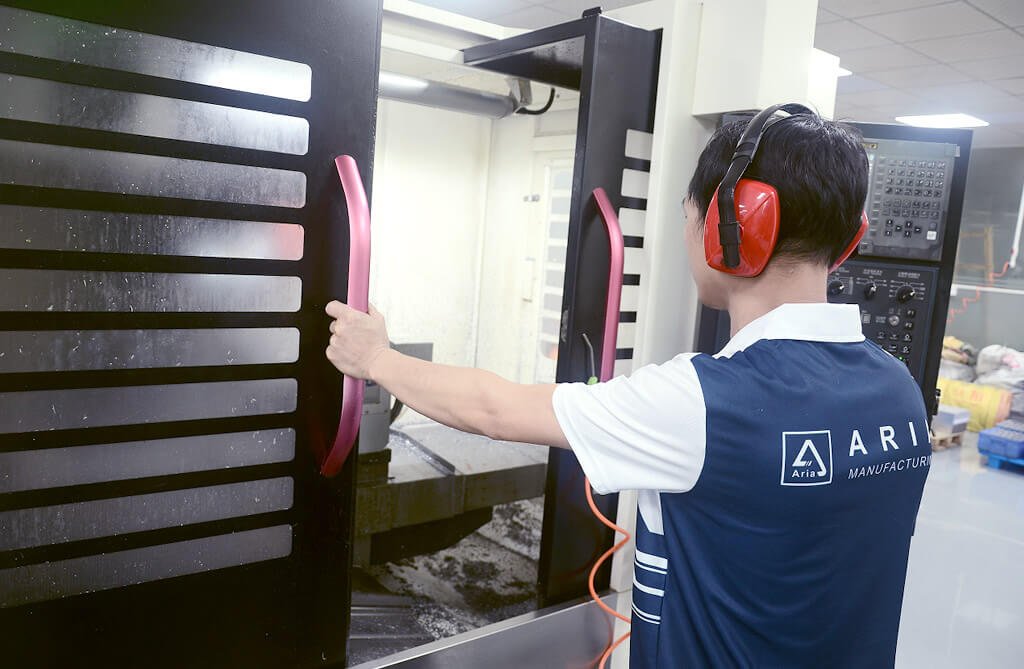
Compare materials for the loads, temperature and environment your part will face.
We review tool access, geometry and material choice before manufacturing.
Dimensional checks and inspection reports for the critical features on your drawing.
Food-processing and medical-equipment components, kitchenware, fasteners, housings, fittings, decorative parts and chemical/construction components.
Three- and five-axis milling, turning, drilling, tapping and wire EDM, with sharp tools, stable feed and adequate cooling.
Passivation, electropolishing, blasting, brushing, mirror polishing and qualified PVD coating; chemical coloring is process-dependent.
Consider 316/316L, 304L or other suitable grades for the environment and welding requirements. Free-machining 303 sacrifices some corrosion resistance and weldability. Use precipitation-hardening or martensitic grades when heat-treatment hardening is needed.
Natural silver-white. Polished, brushed or blasted surfaces. PVD colors such as black, gold and rose gold.
304 is commonly described as an 18/8 chromium-nickel stainless steel; the ordered standard defines the actual chemistry limits. For higher strength, 17-4PH (UNS S17400 / EN 1.4542) is a precipitation-hardening alternative. Its properties depend strongly on aging condition, and it should not inherit the annealed 304 values in this table. Specify the grade and heat treatment together.
Upload your CAD files and tell us the material and quantity you need.
Talk to an engineer