
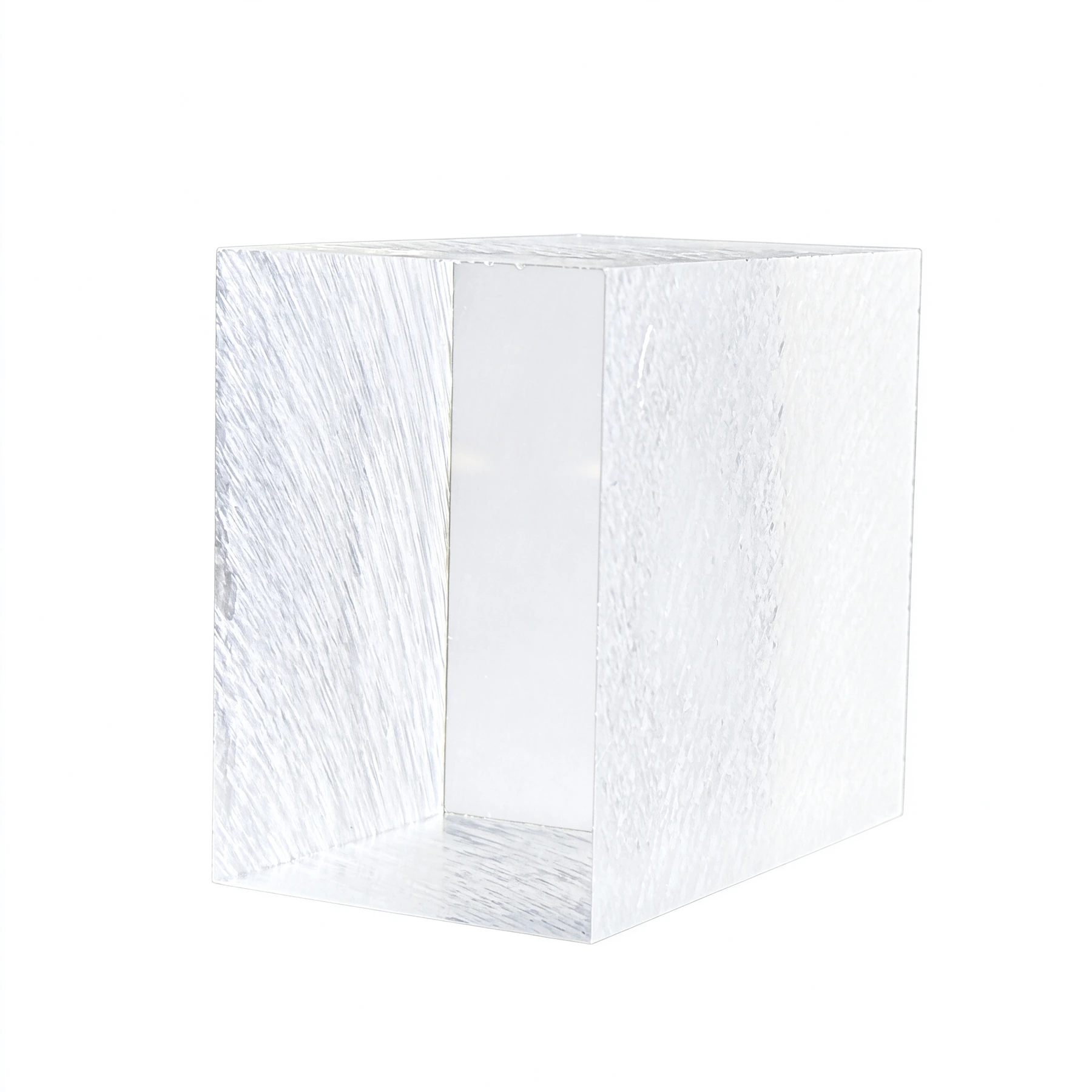
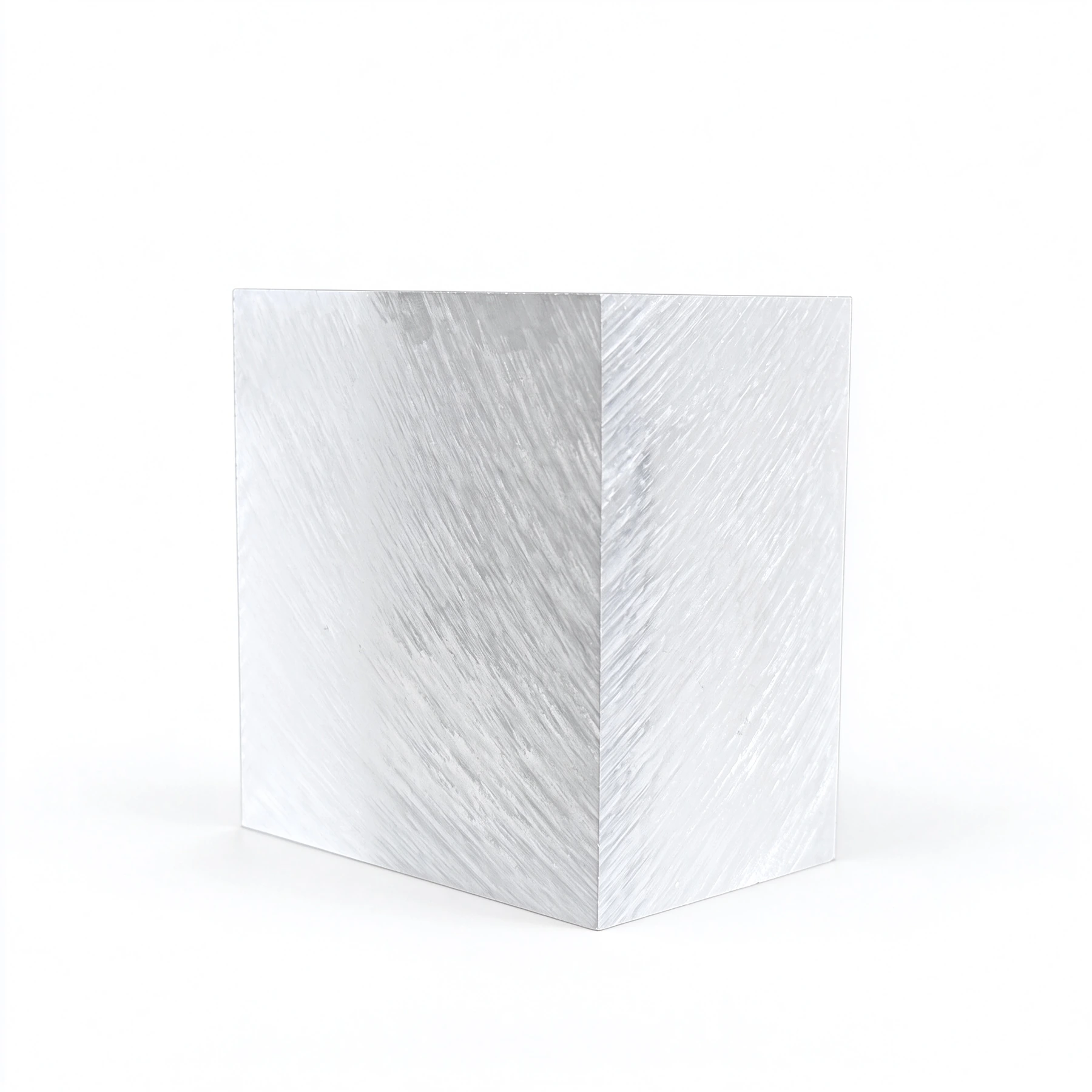
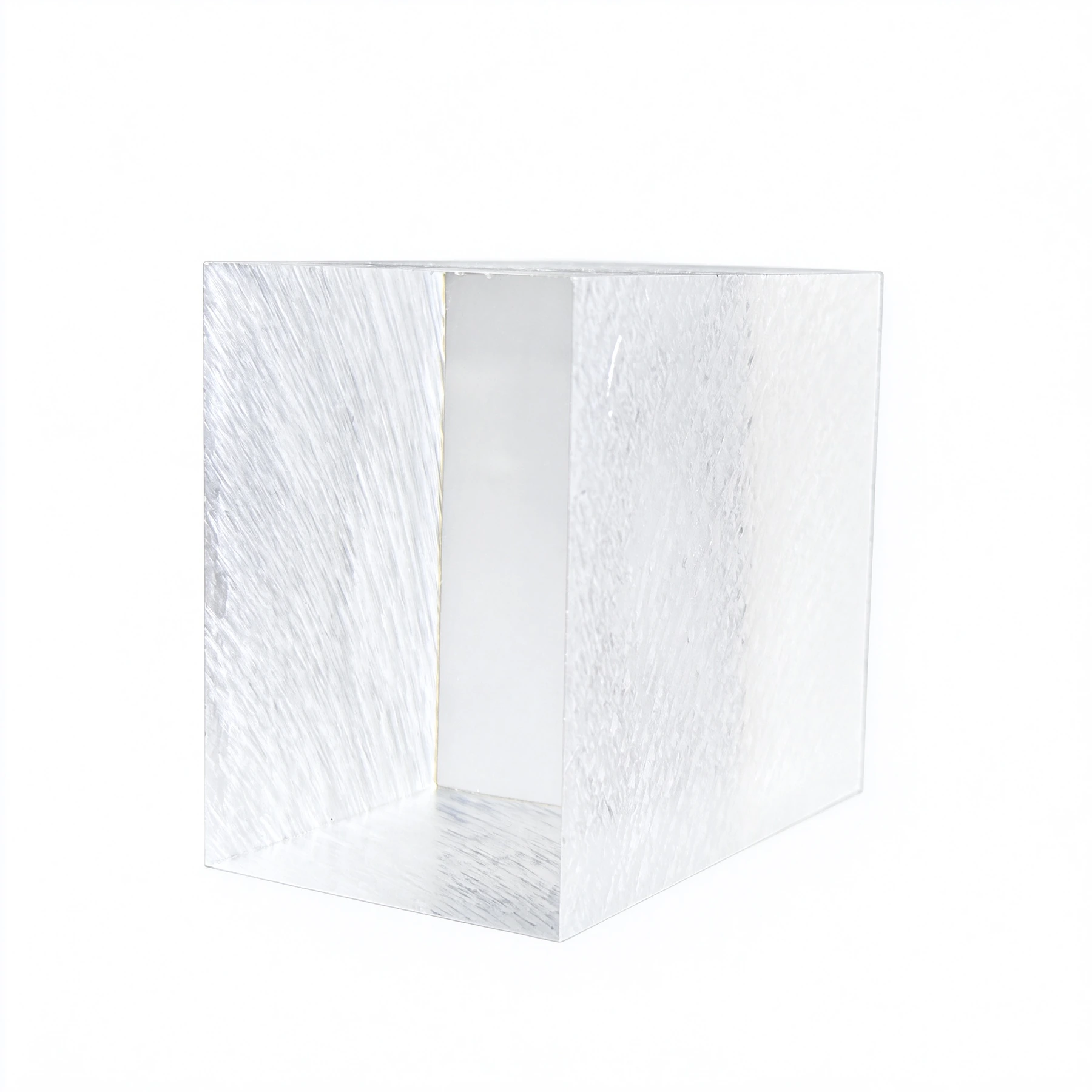
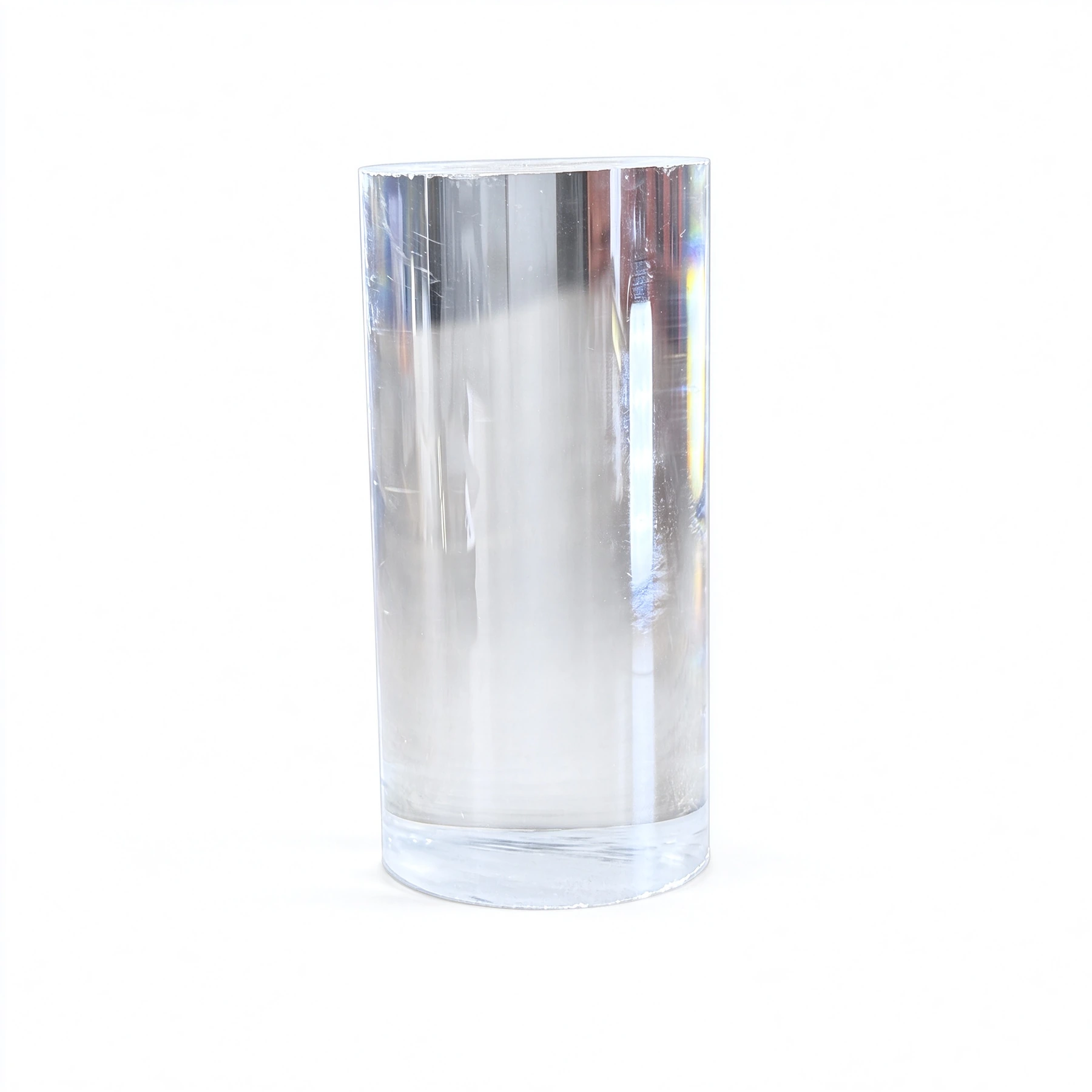
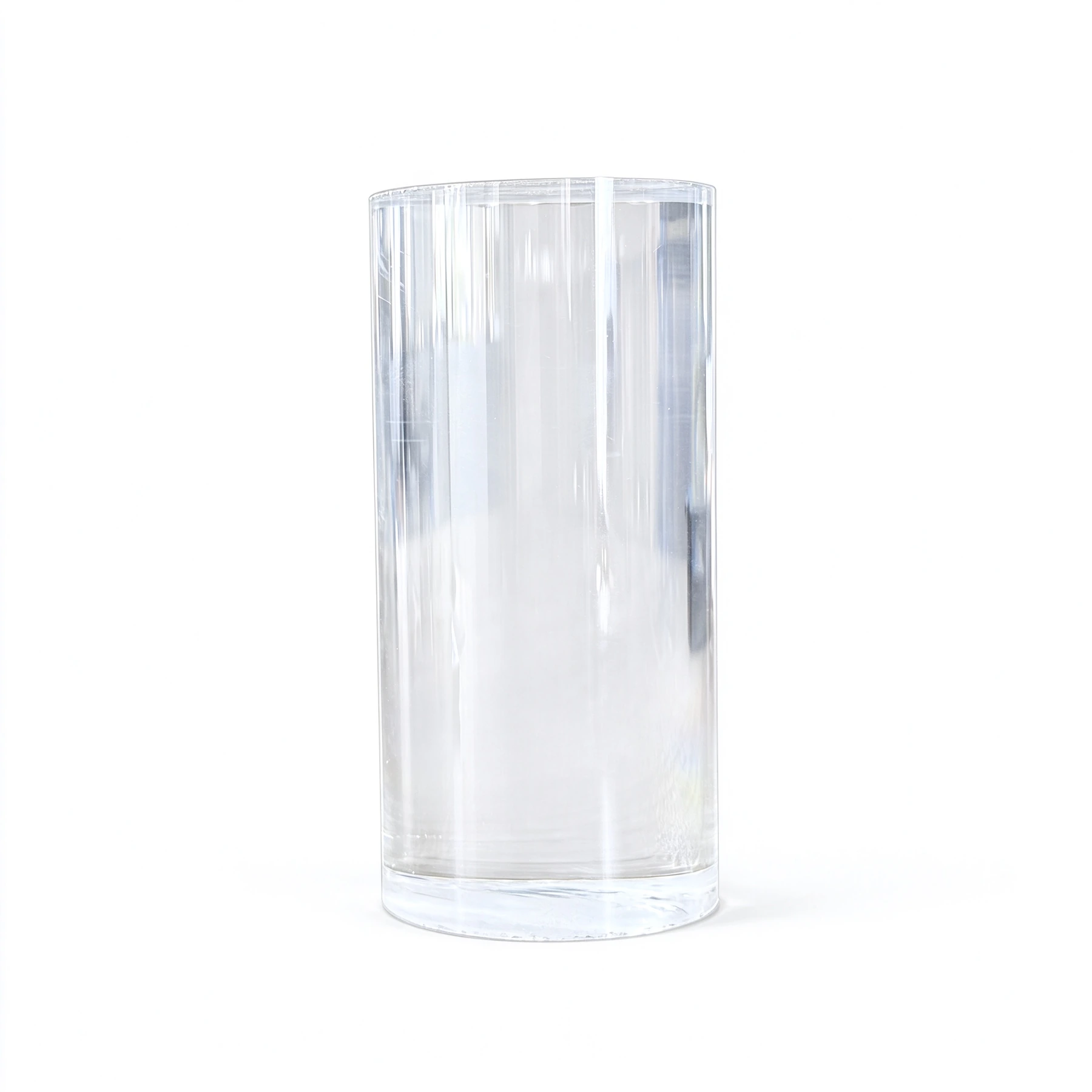
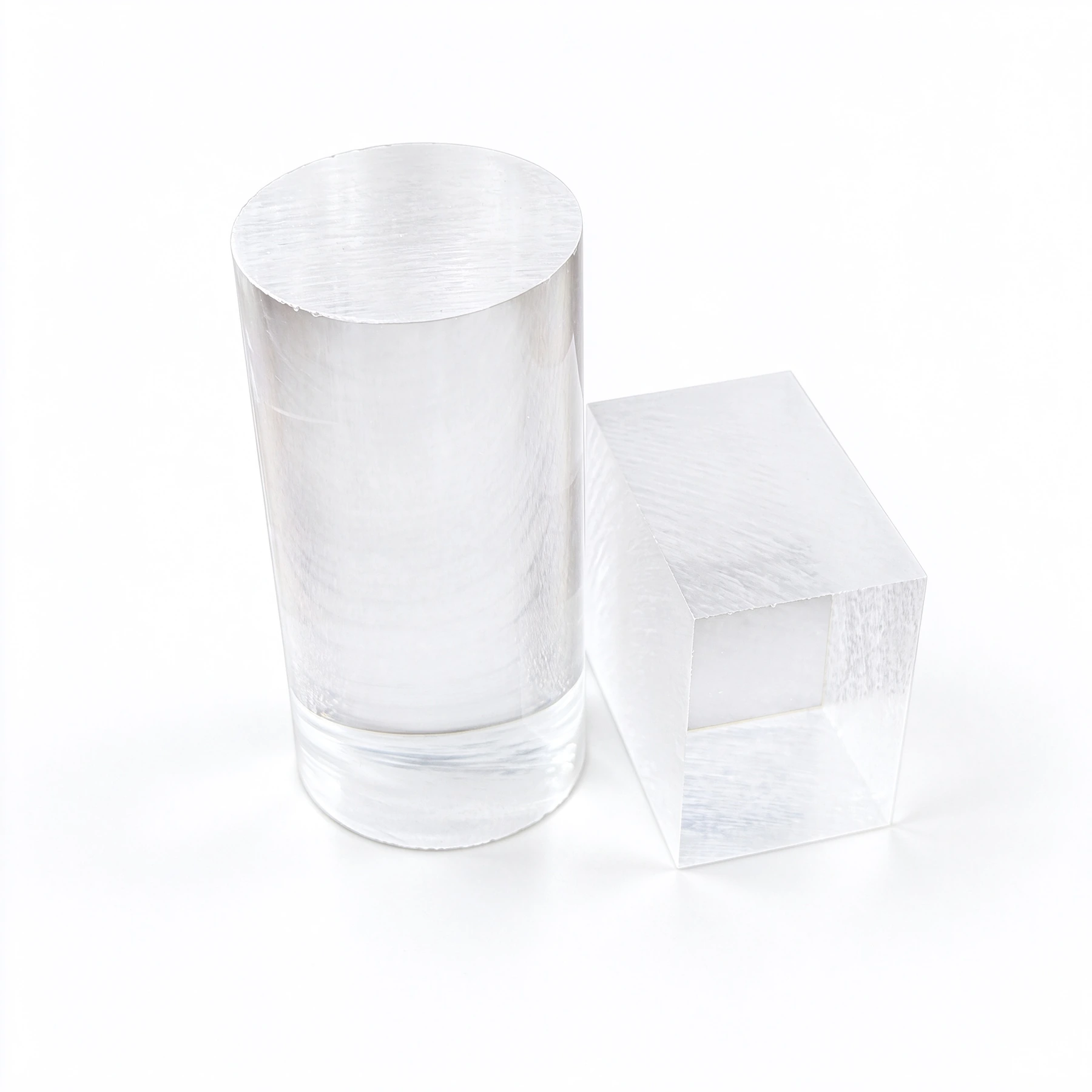
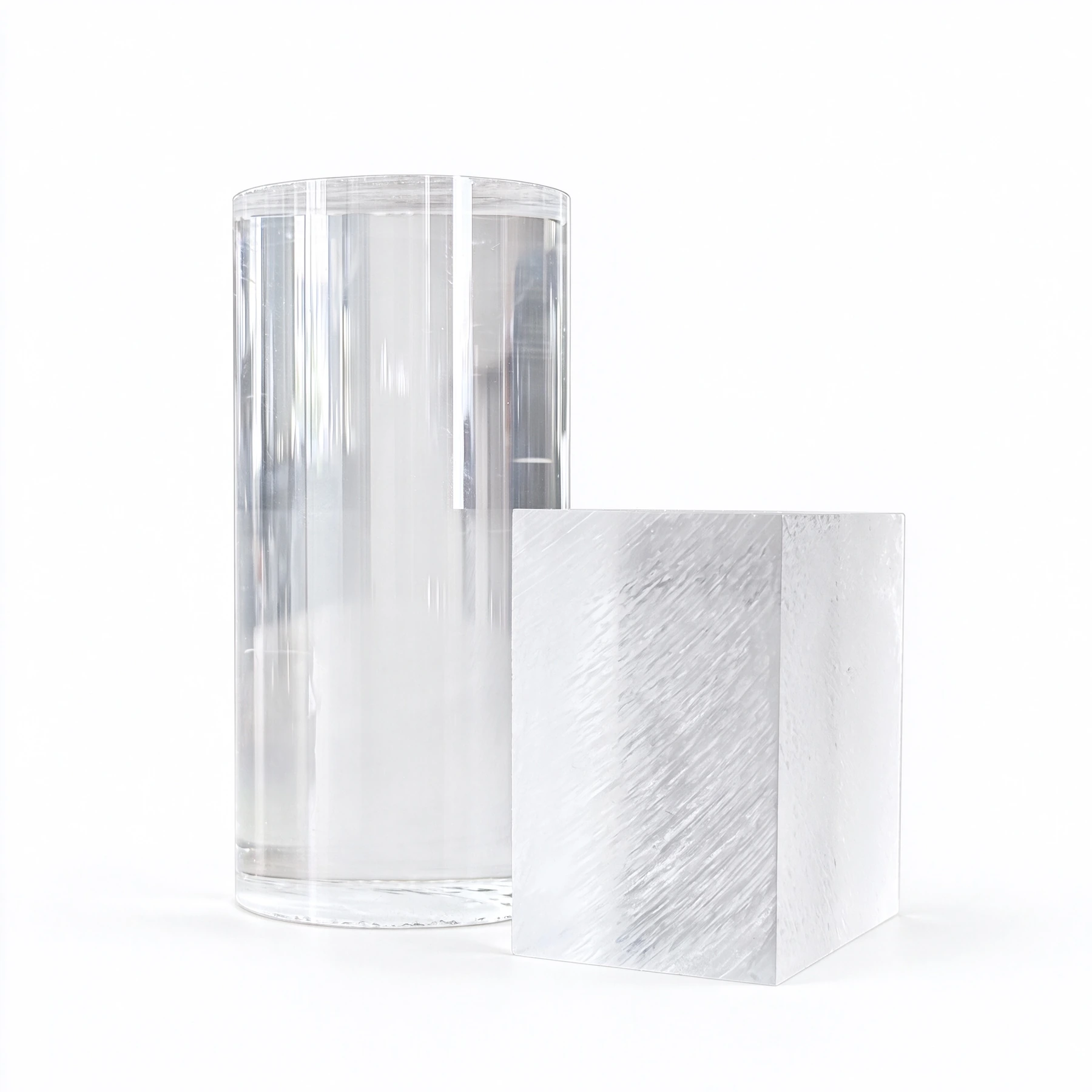
PMMA (Acrylic) stock — view 01
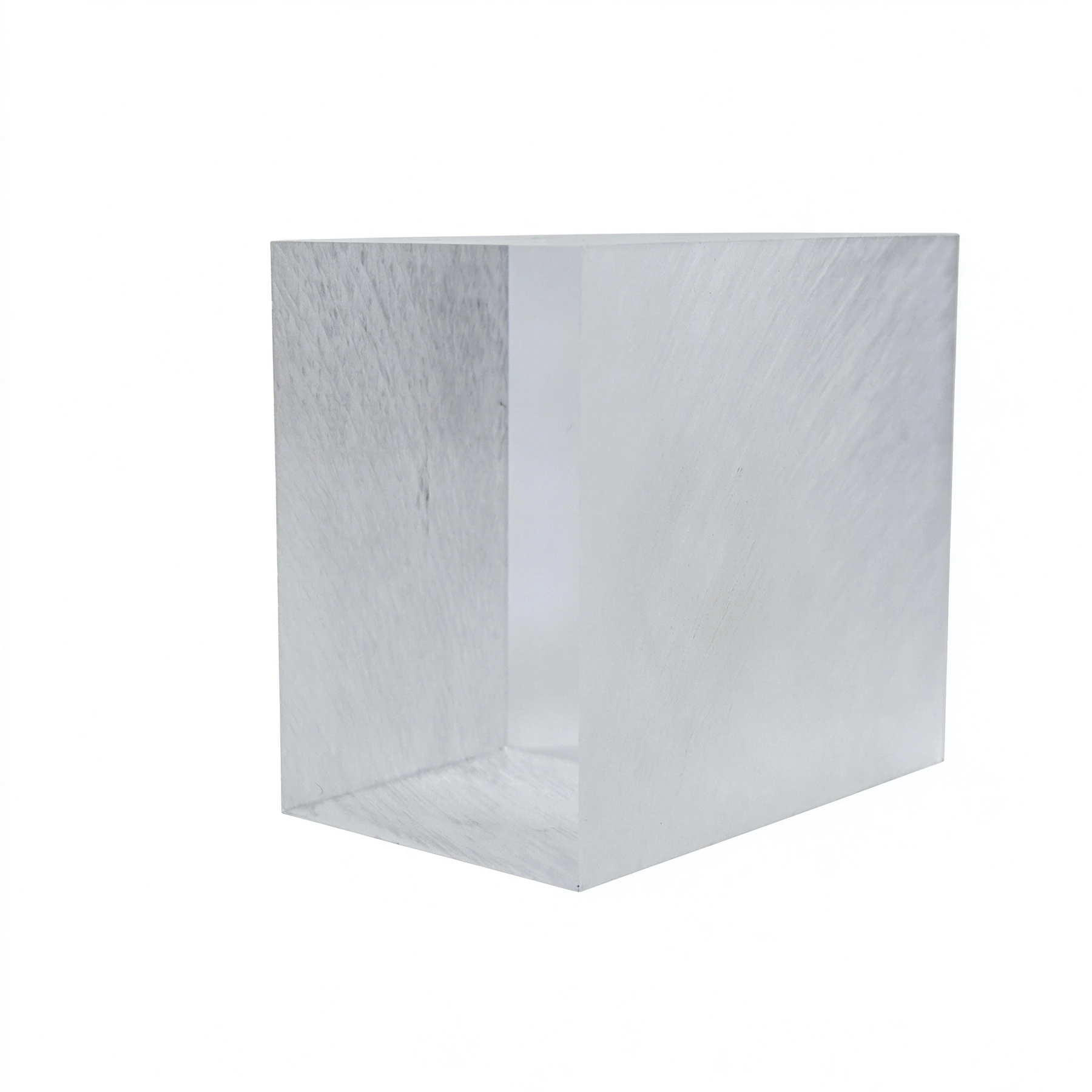
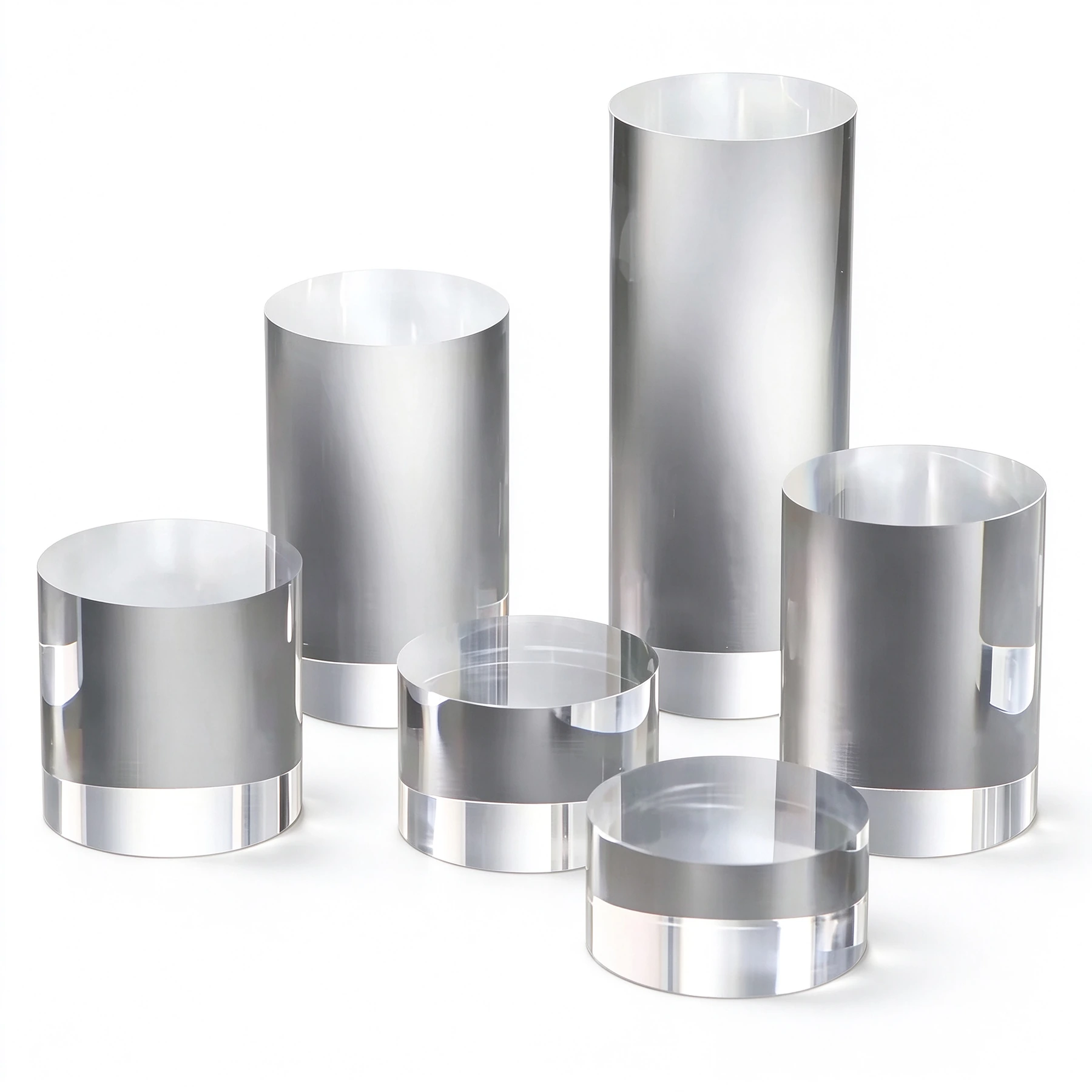
PMMA is a clear acrylic plastic for optical and appearance parts where transparency and weather resistance matter.
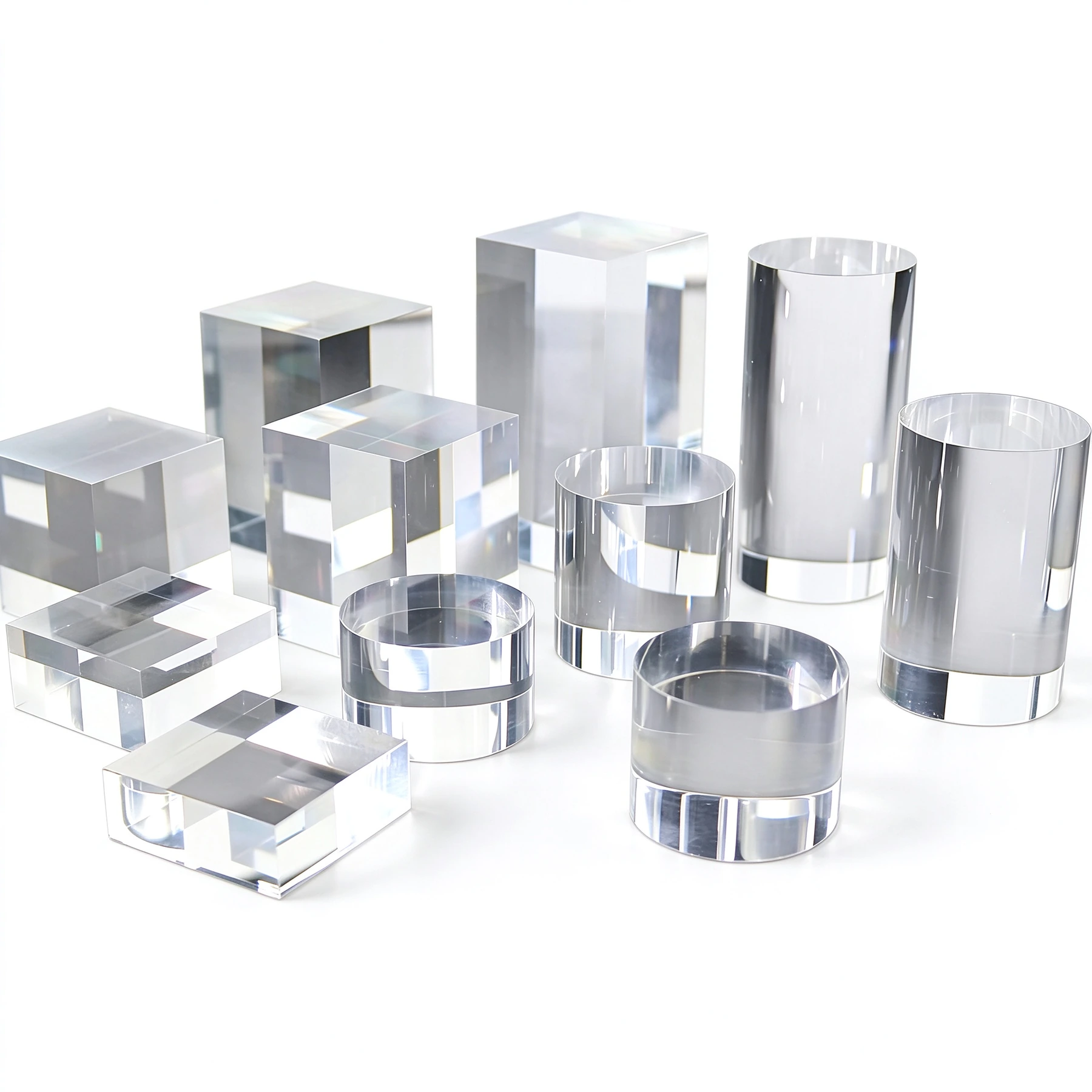

















For a clear cover or appearance part, the visible surfaces are part of the requirement. Aria helps you discuss transparency, color, finish and mounting features together before manufacture. Mark the viewing faces and cosmetic acceptance requirements on the drawing so they remain visible through the quotation and inspection discussion.
| Property | Details |
|---|---|
| Available variants | PMMA White, PMMA Black, PMMA Transparent |
| Colors | Transparent, White, Black, Custom colors |
| Special properties | Impact-modified, anti-glare, frosted, light-guiding and scratch-resistant options require separate grade or coating selection. |
Detailed values describe Röhm PLEXIGLAS 7N (ISO, 2015-08-15). Family ranges are broader selection references and may include different grades or reinforcement levels. Confirm the selected grade, condition and test method for your part.
| Property | Metric | Imperial | Test method / conditions |
|---|---|---|---|
| Density | 1.19 g/cm³ | 0.0430 lb/in³ | ISO 1183 · 23°C · Reference: Röhm PLEXIGLAS 7N (ISO, 2015-08-15) |
| MVR | 6 cm³/10min | 6 cm³/10min | ISO 1133 · 230°C, 3.8 kg · Reference: Röhm PLEXIGLAS 7N (ISO, 2015-08-15) |
| Tensile Modulus | 3,200 MPa | 464,000 psi | ISO 527 · 23°C · Reference: Röhm PLEXIGLAS 7N (ISO, 2015-08-15) |
| Stress at Break | 73 MPa | 10,600 psi | ISO 527 · 23°C · Reference: Röhm PLEXIGLAS 7N (ISO, 2015-08-15) |
| Strain at Break | 3.5 % | 3.5 % | ISO 527 · 23°C · Reference: Röhm PLEXIGLAS 7N (ISO, 2015-08-15) |
| Charpy Unnotched | 20 kJ/m² | 9.5 ft·lb/in² | ISO 179/1eU · 23°C · Reference: Röhm PLEXIGLAS 7N (ISO, 2015-08-15) |
| HDT (1.80 MPa) | 95 °C | 203 °F | ISO 75-1/-2 · 1.80 MPa · Reference: Röhm PLEXIGLAS 7N (ISO, 2015-08-15) |
| HDT (0.45 MPa) | 100 °C | 212 °F | ISO 75-1/-2 · 0.45 MPa · Reference: Röhm PLEXIGLAS 7N (ISO, 2015-08-15) |
| Vicat softening temperature | 103 °C | 217 °F | ISO 306 · 50N, 50°C/h · Reference: Röhm PLEXIGLAS 7N (ISO, 2015-08-15) |
| Water Absorption | 2 % | 2 % | Sim. ISO 62 · Reference: Röhm PLEXIGLAS 7N (ISO, 2015-08-15) |
| Luminous Transmittance | 92 % | 92 % | ISO 13468 · Reference: Röhm PLEXIGLAS 7N (ISO, 2015-08-15) |
| Flammability | HB (UL94) | HB (UL94) | IEC 60695-11-10 · 1.5 mm · Reference: Röhm PLEXIGLAS 7N (ISO, 2015-08-15) |
| Property | Family reference |
|---|---|
| Material class | Engineering plastic |
| Density (g/cm³) | 1.17–1.20 |
| Tensile strength (MPa) | 60–75 |
| Elongation at break (%) | 2–6 |
| Elastic modulus (GPa) | 2.9–3.3 |
| Hardness | M90–M100 |
| Temperature reference (°C) | HDT 90–105 |
CNC Milling Services: Injection molding after drying, CNC milling and engraving, laser cutting and heat bending. Machined edges may need polishing for optical clarity. Use impact-modified grades for impact exposure. Confirm cleaning and bonding compatibility; avoid acetone and unsuitable alcohol cleaners. Laser cutting can provide a bright edge, while CNC edges may need finishing. 3-axis milling, 4-axis milling, 5-axis milling: Use a machinable stock grade; geometry, workholding and material condition determine feasibility.
Injection molding: Injection molding after drying, CNC milling and engraving, laser cutting and heat bending. Machined edges may need polishing for optical clarity. Use impact-modified grades for impact exposure. Confirm cleaning and bonding compatibility; avoid acetone and unsuitable alcohol cleaners. Laser cutting can provide a bright edge, while CNC edges may need finishing. Single-material injection molding, Insert location and retention, Multi-shot / two-shot (2K) molding: Use an injection-molding grade. Fillers, shrinkage and processing temperatures affect tool and part design.
Use an injection-molding grade. Fillers, shrinkage and processing temperatures affect tool and part design.
CNC Milling Services, CNC turning: Injection molding after drying, CNC milling and engraving, laser cutting and heat bending. Machined edges may need polishing for optical clarity. Use impact-modified grades for impact exposure. Confirm cleaning and bonding compatibility; avoid acetone and unsuitable alcohol cleaners. Laser cutting can provide a bright edge, while CNC edges may need finishing. 3-axis milling, 4-axis milling, 5-axis milling, Cylindrical Turning, Boring, Threading, Grooving: Use a machinable stock grade; geometry, workholding and material condition determine feasibility.
CNC turning: Injection molding after drying, CNC milling and engraving, laser cutting and heat bending. Machined edges may need polishing for optical clarity. Use impact-modified grades for impact exposure. Confirm cleaning and bonding compatibility; avoid acetone and unsuitable alcohol cleaners. Laser cutting can provide a bright edge, while CNC edges may need finishing. Cylindrical Turning, Boring, Threading, Grooving: Use a machinable stock grade; geometry, workholding and material condition determine feasibility.
Light transmission around 92%, good UV/weather resistance, useful surface hardness and easy polishing or coloring.
Brittle under impact, sensitive to notches and solvents, and limited in heat resistance. Avoid highly loaded structures and incompatible cleaners or adhesives.
Compare materials for the loads, temperature and environment your part will face.
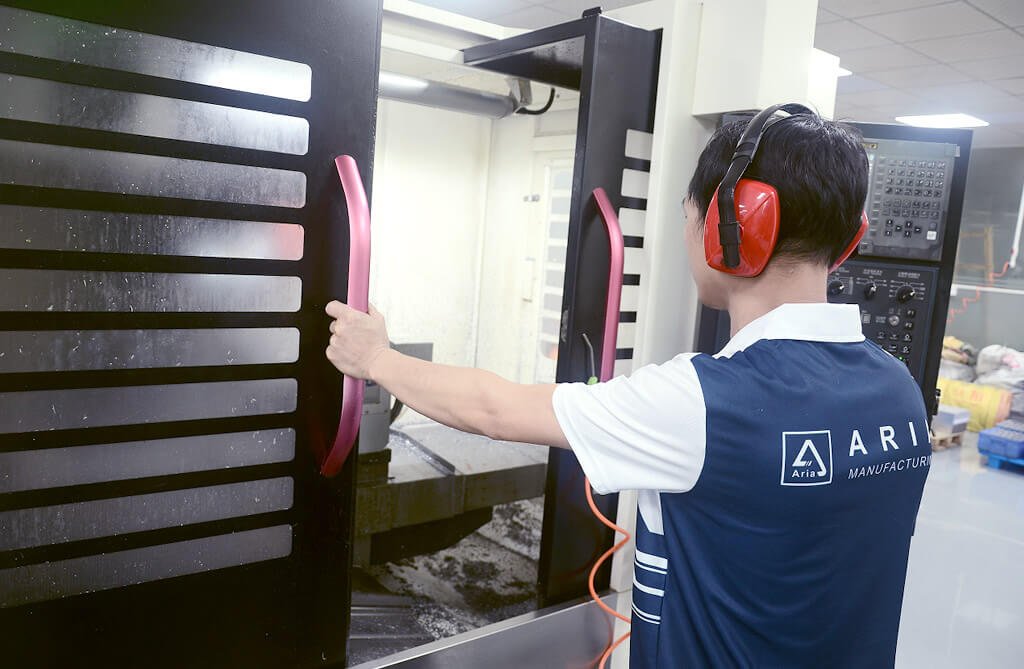
We review tool access, geometry and material choice before manufacturing.
Dimensional checks and inspection reports for the critical features on your drawing.
Use impact-modified grades for impact exposure. Confirm cleaning and bonding compatibility; avoid acetone and unsuitable alcohol cleaners. Laser cutting can provide a bright edge, while CNC edges may need finishing. Flame or mechanical polishing, painting, printing, UV printing and vacuum metallization. Compatible solvent or UV-curing adhesives can be used.
Mold-transferred appearance depends on the resin and tool surface; gloss and texture do not specify a material-independent roughness.
Signs, light boxes, light guides, lamp covers, displays, lenses, medical-device parts, aquariums and vehicle tail lights.
Injection molding after drying, CNC milling and engraving, laser cutting and heat bending. Machined edges may need polishing for optical clarity.
Flame or mechanical polishing, painting, printing, UV printing and vacuum metallization. Compatible solvent or UV-curing adhesives can be used.
Use impact-modified grades for impact exposure. Confirm cleaning and bonding compatibility; avoid acetone and unsuitable alcohol cleaners. Laser cutting can provide a bright edge, while CNC edges may need finishing.
Natural water-clear. Transparent, translucent and opaque colors; custom colors by order.
Upload your CAD files and tell us the material and quantity you need.
Talk to an engineer