
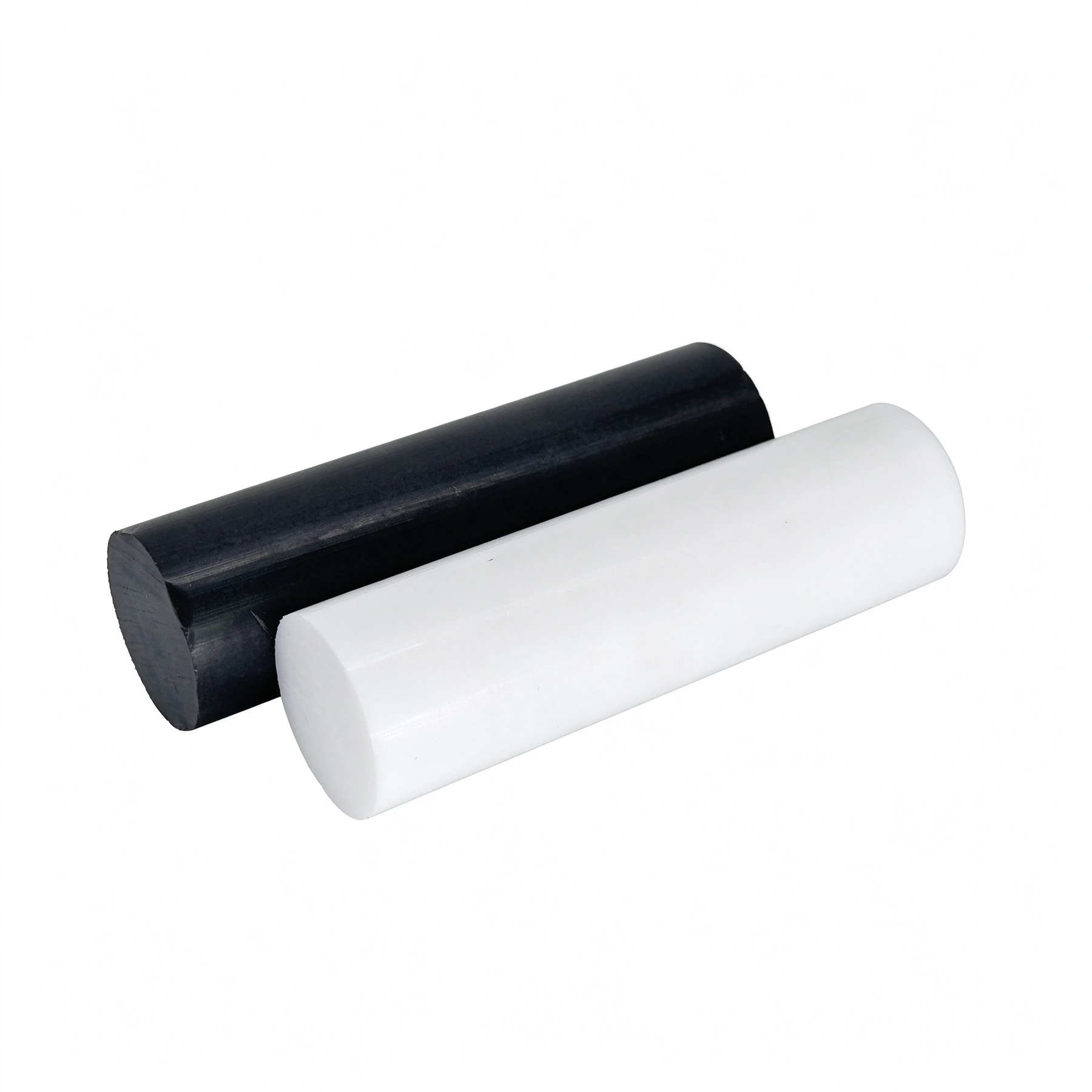
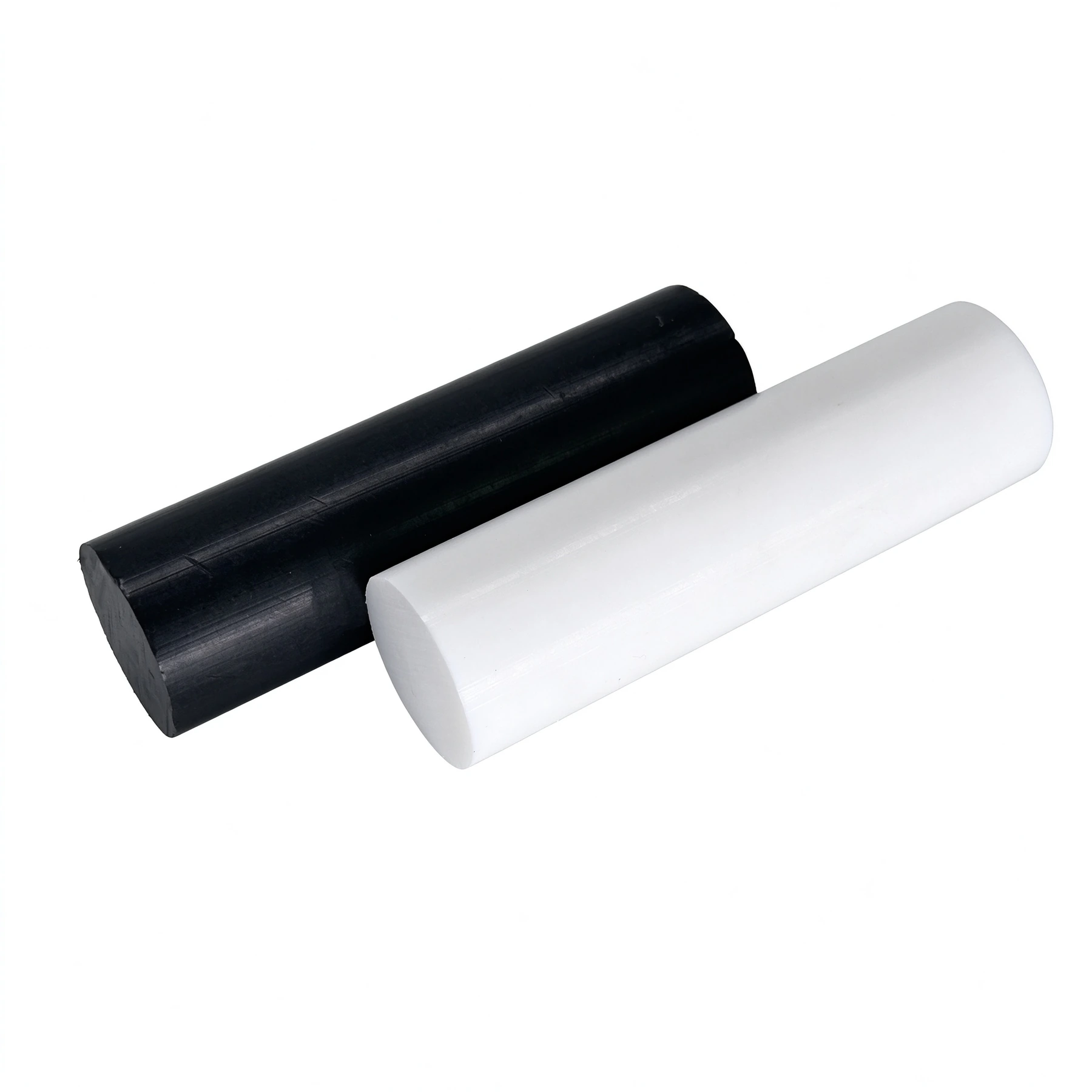
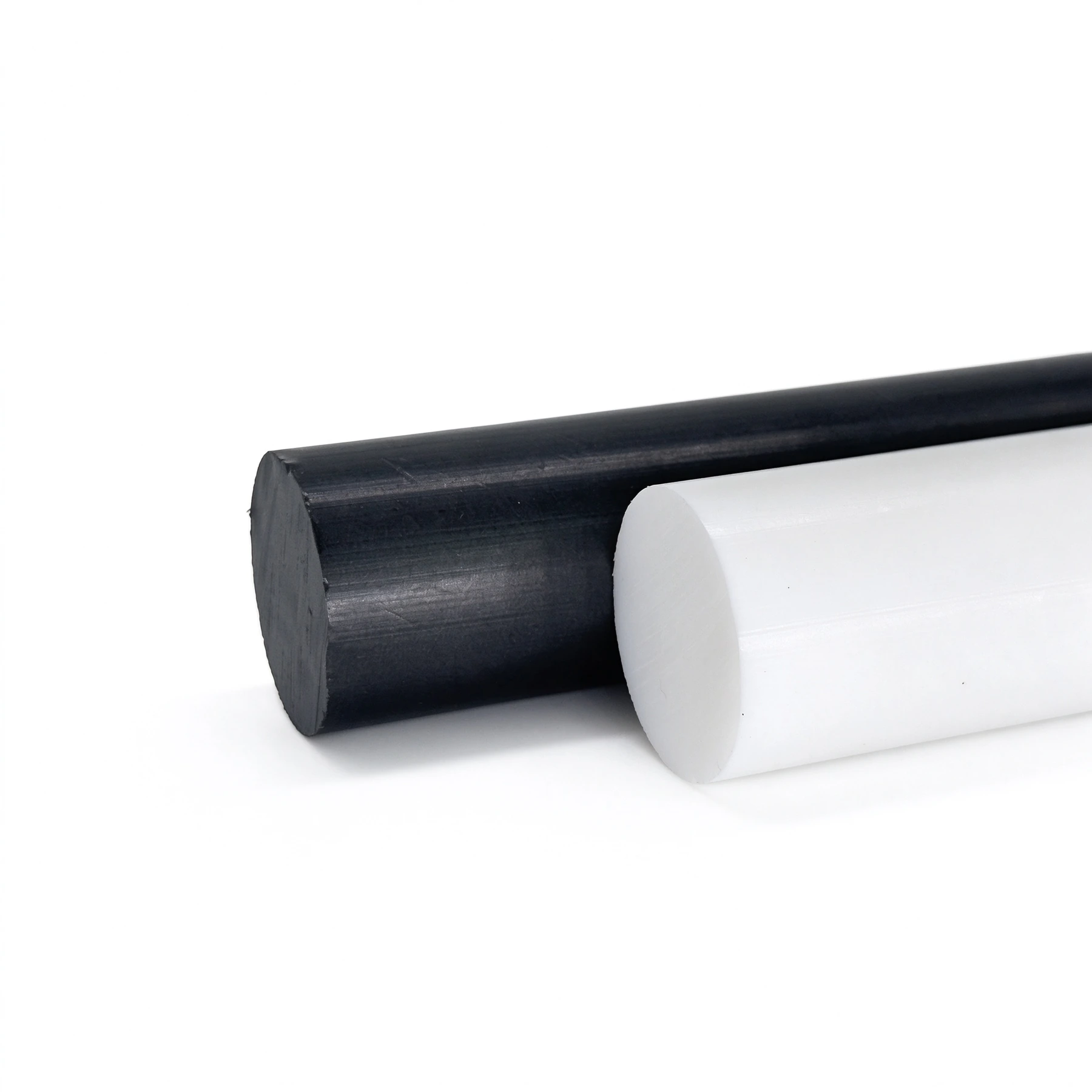
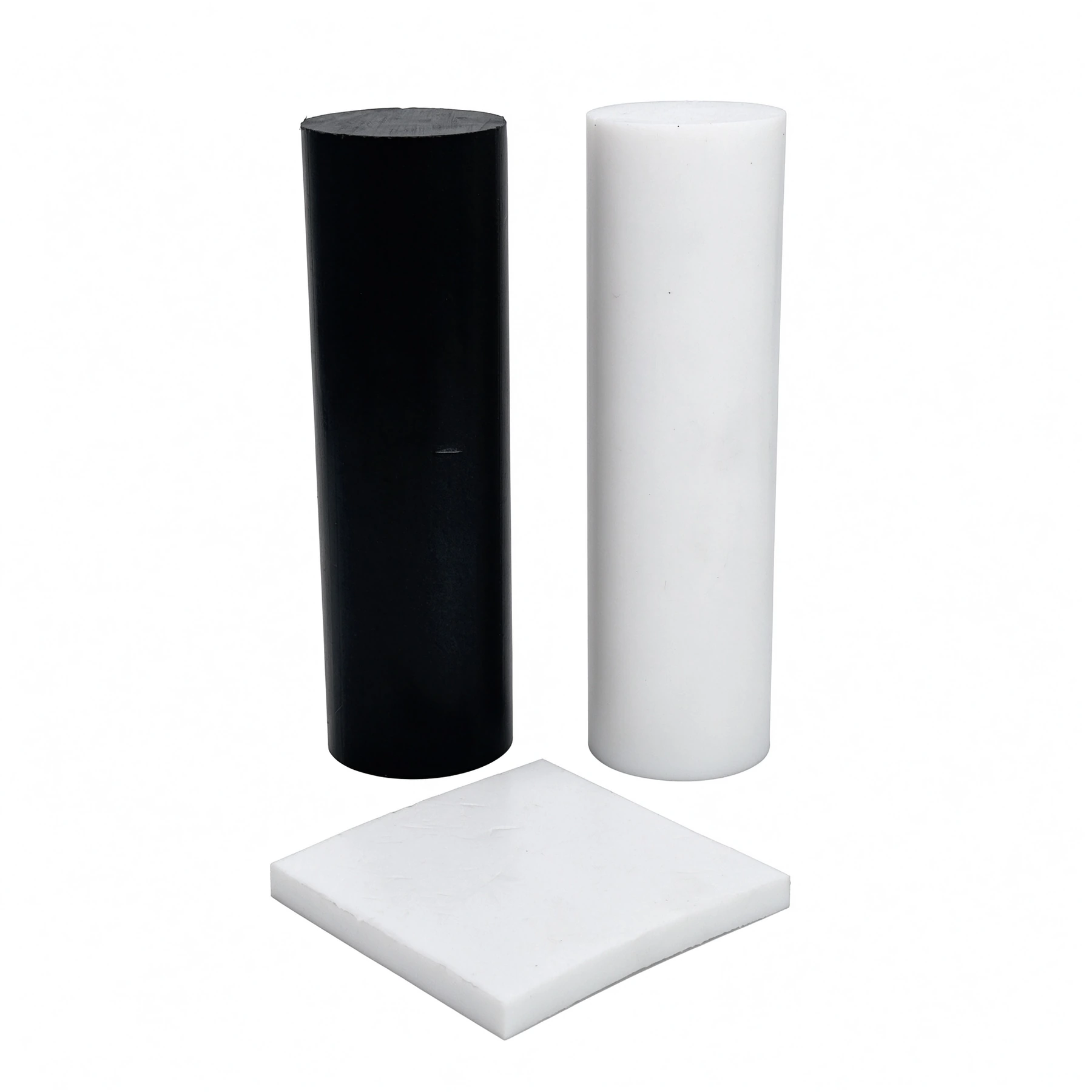
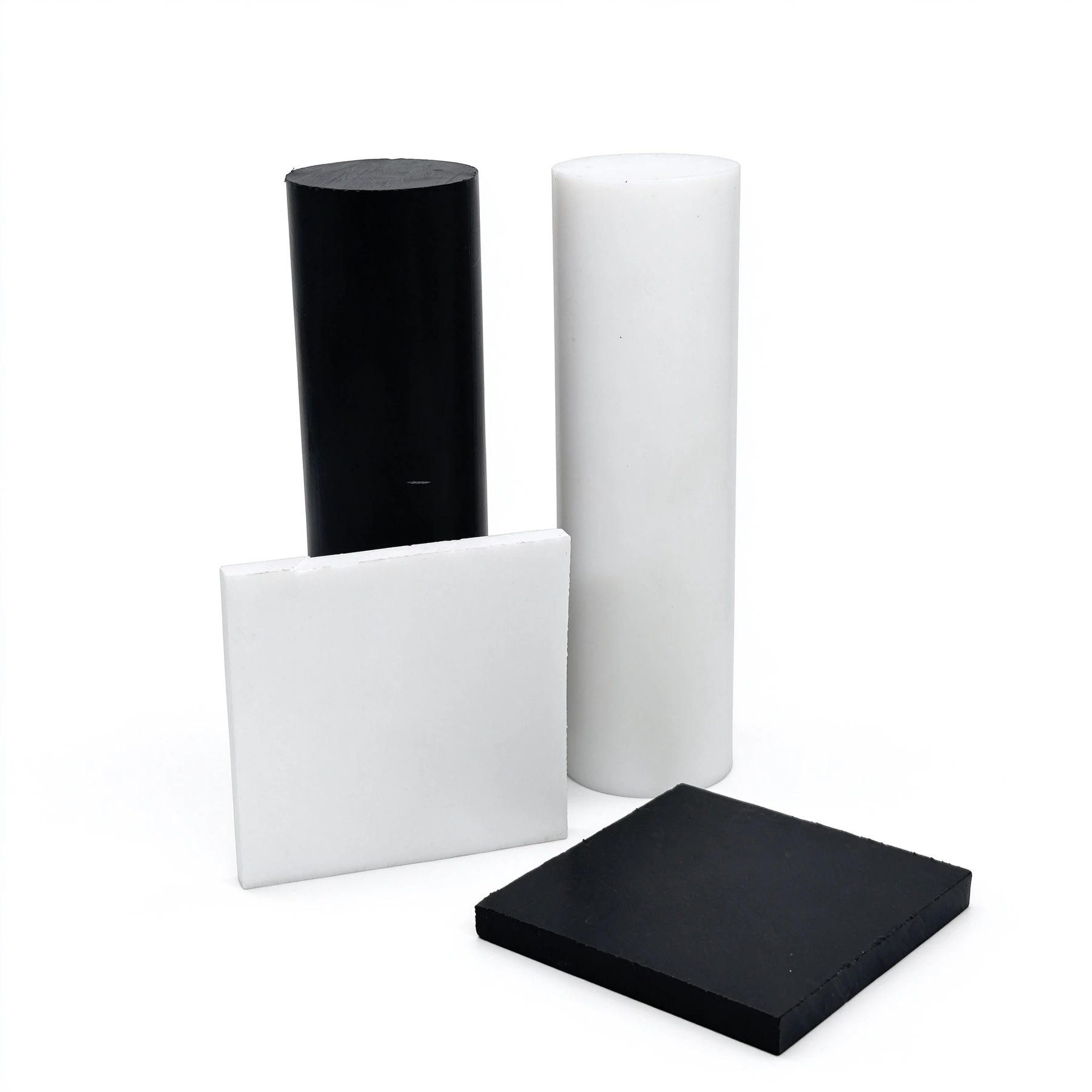
PTFE (Teflon) stock — view 01
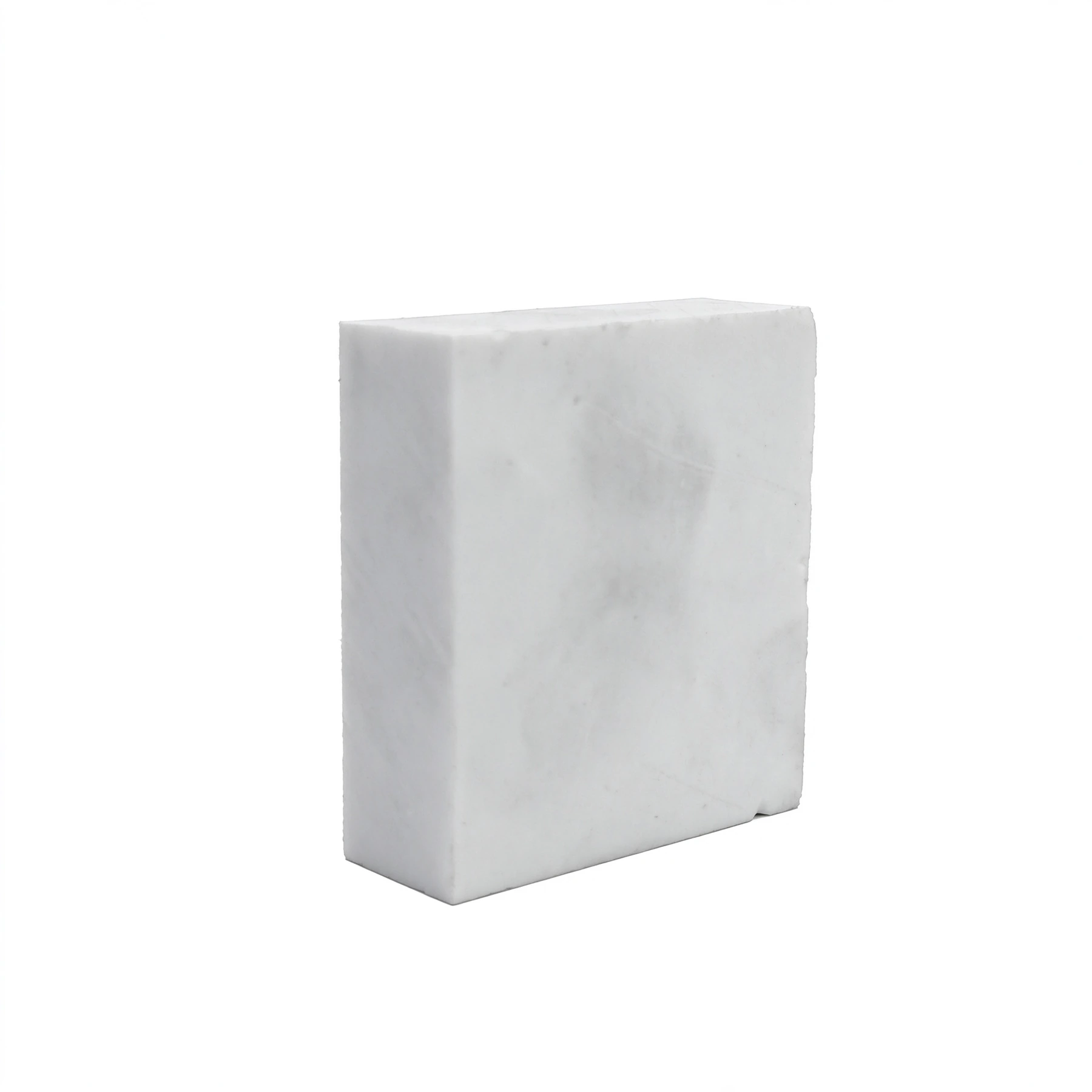
PTFE is a low-friction fluoropolymer for chemically resistant seals, liners and sliding components.
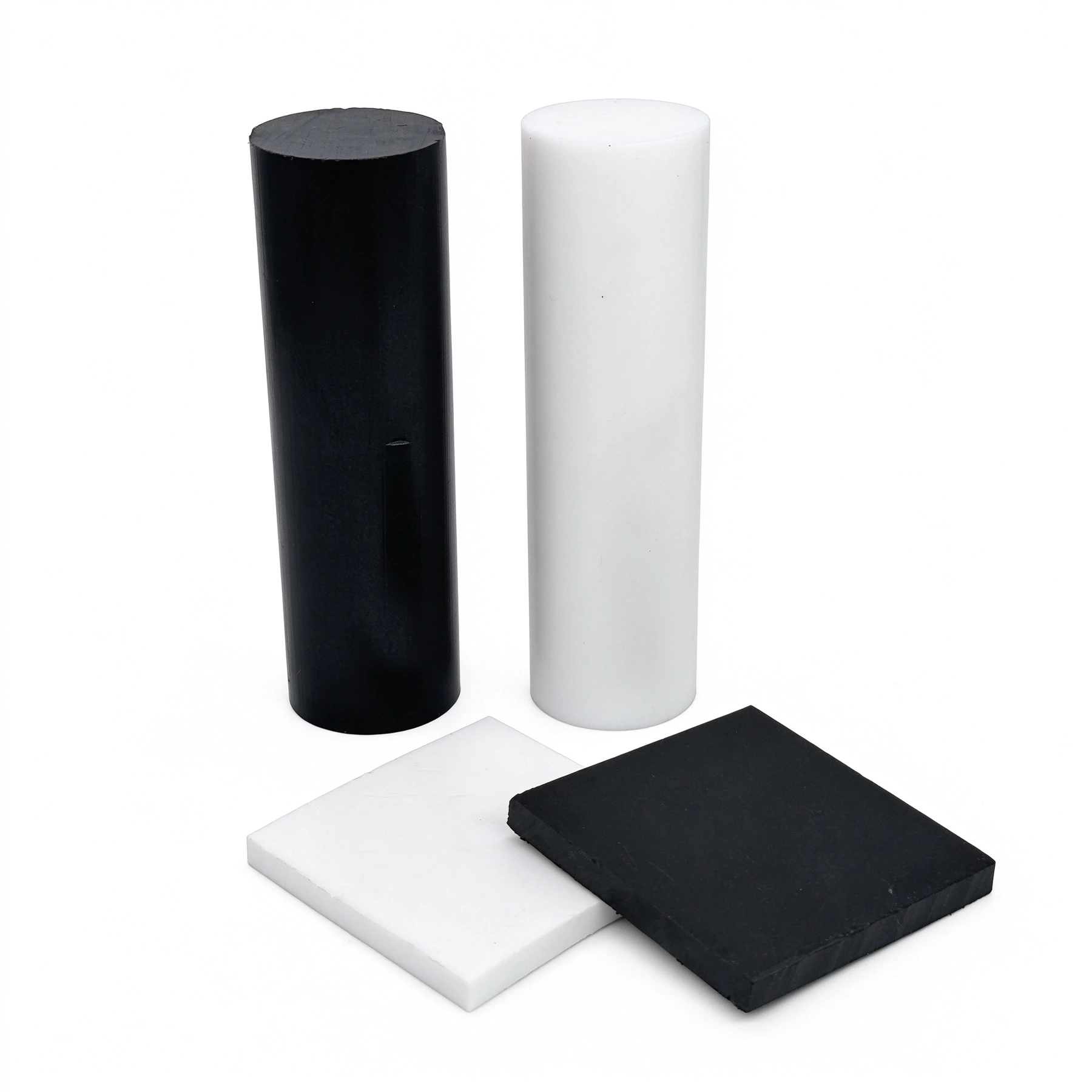


















For a PTFE seal, liner or sliding component, explain the mating surface, load and chemical exposure to Aria. We help you discuss the grade and geometry with the dimensions that need inspection. Filled and unfilled formulations should be selected for the actual application rather than treated as one universal PTFE specification.
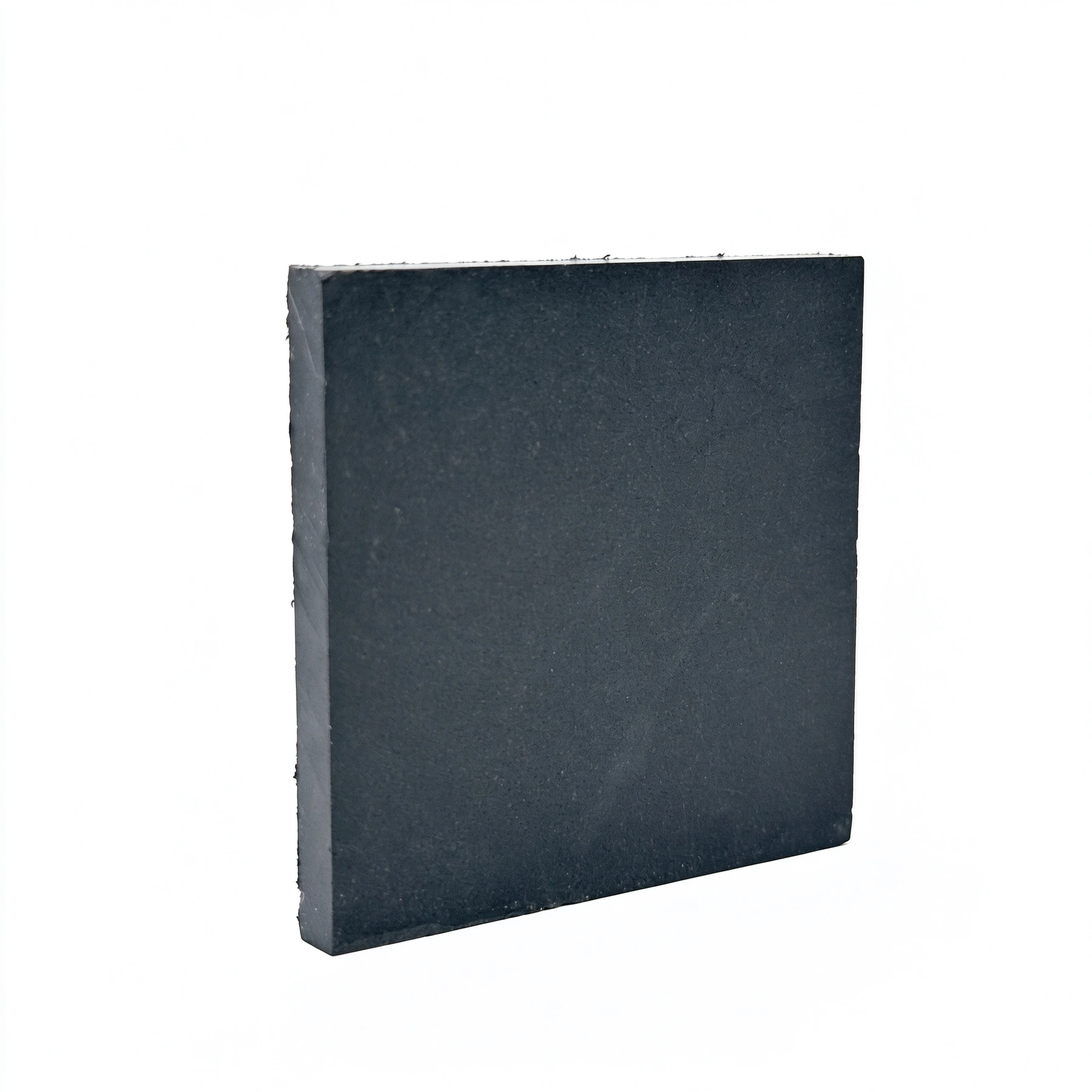
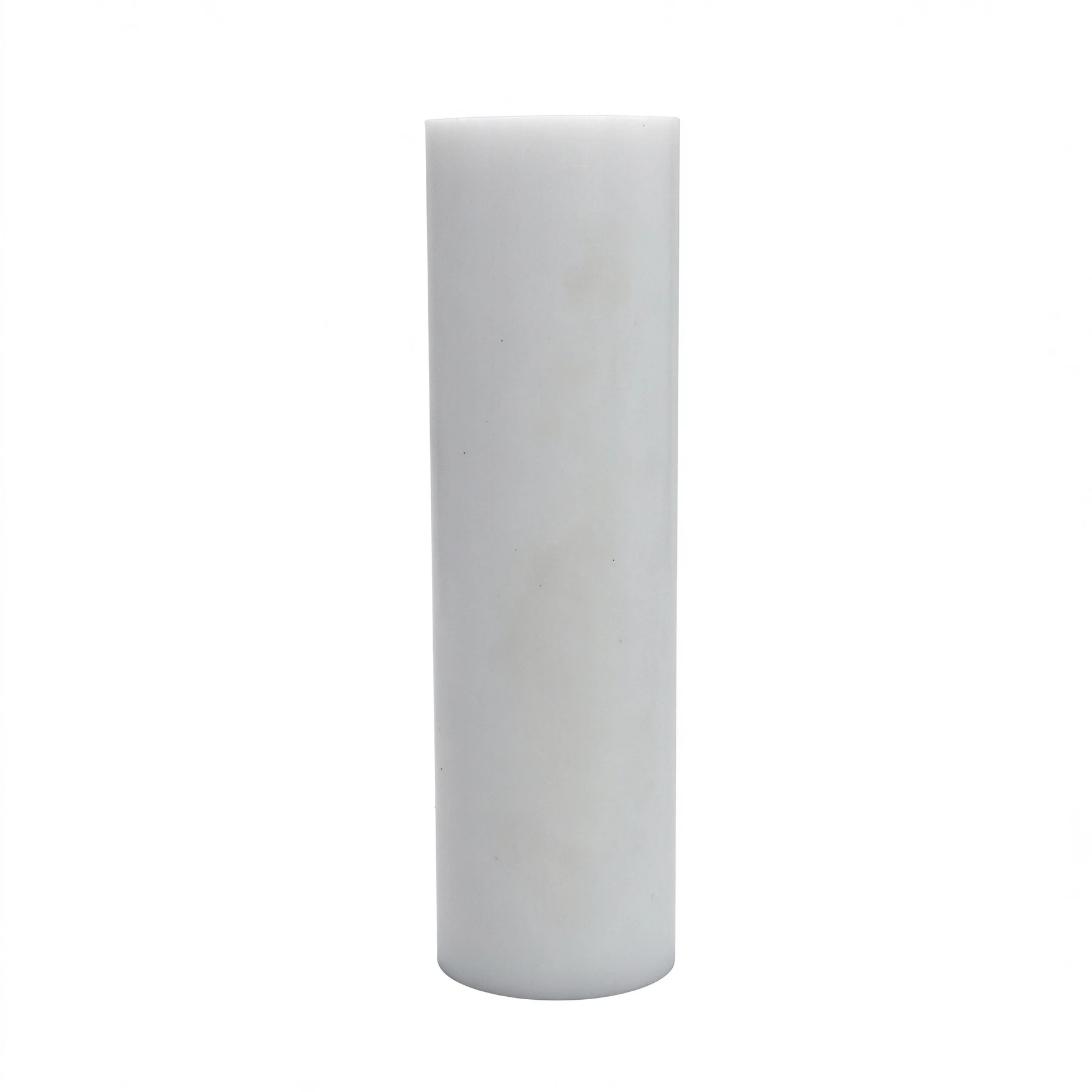
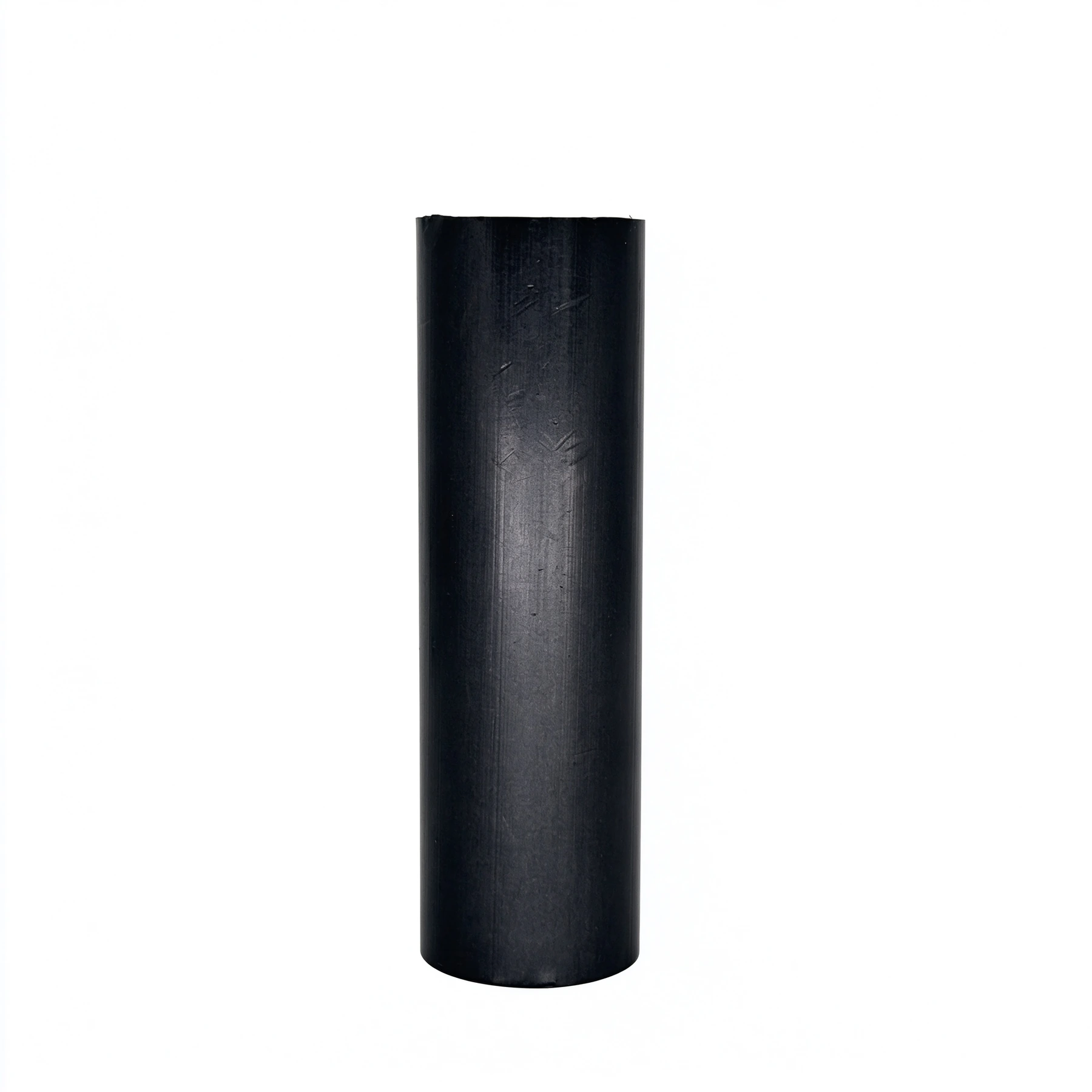
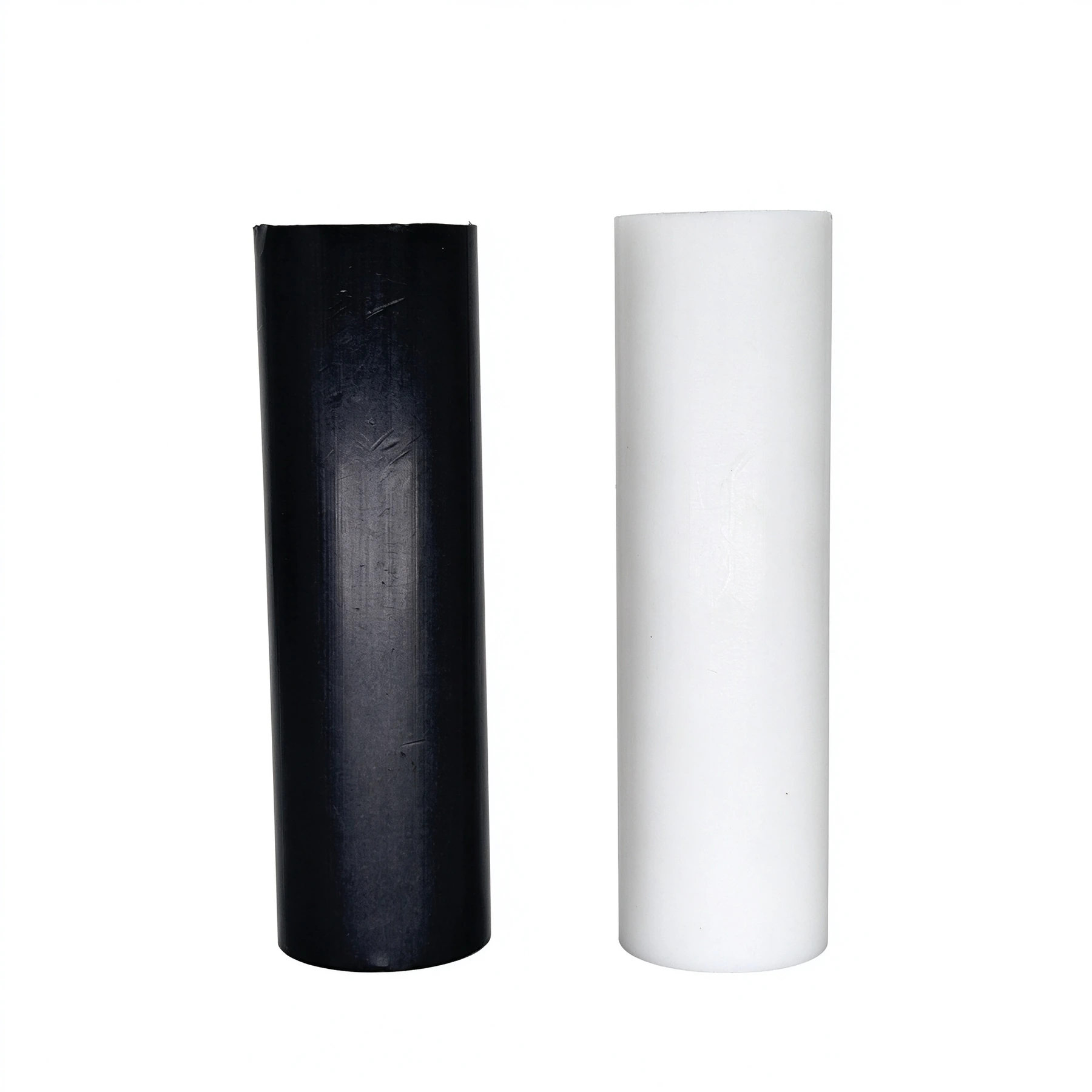
| Property | Details |
|---|---|
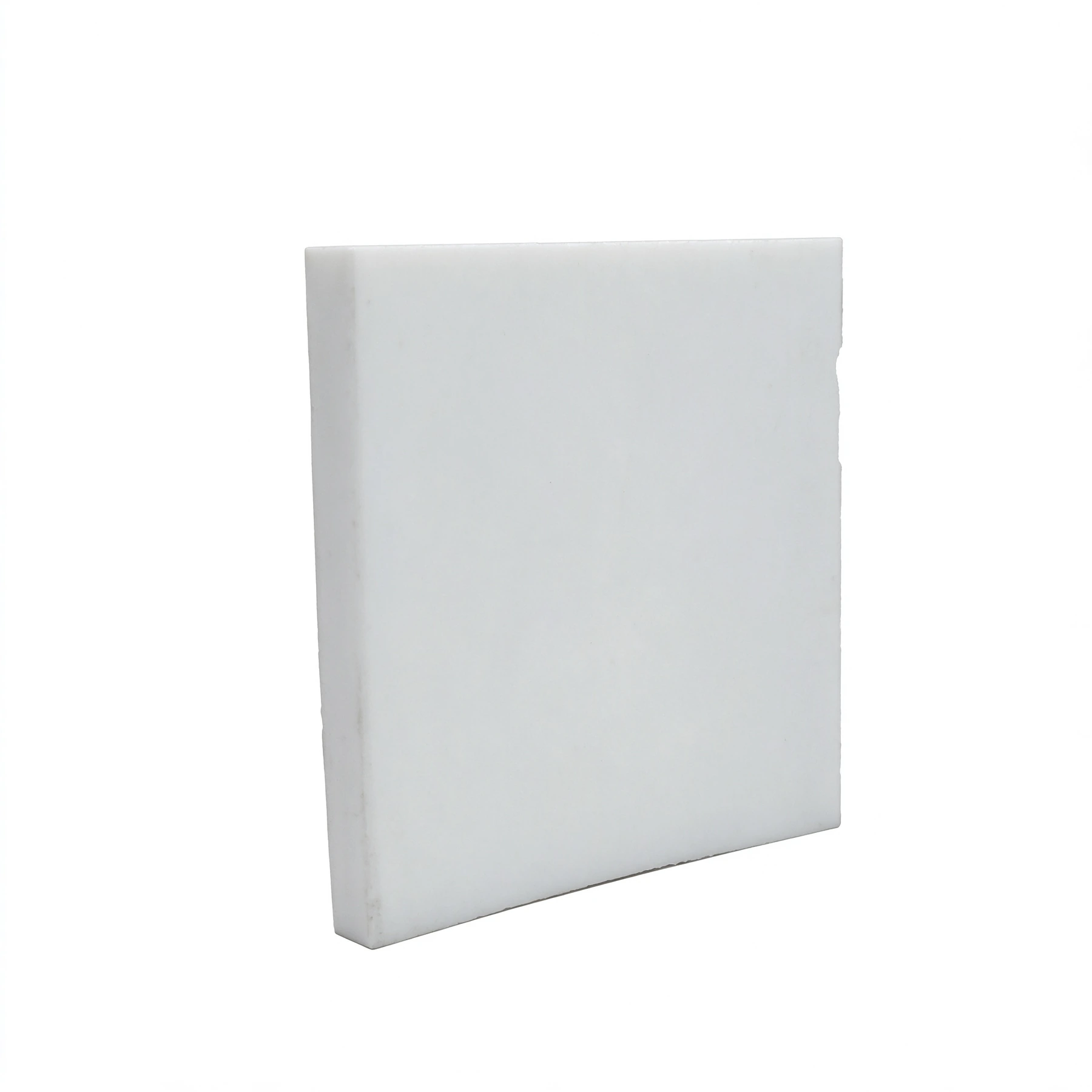
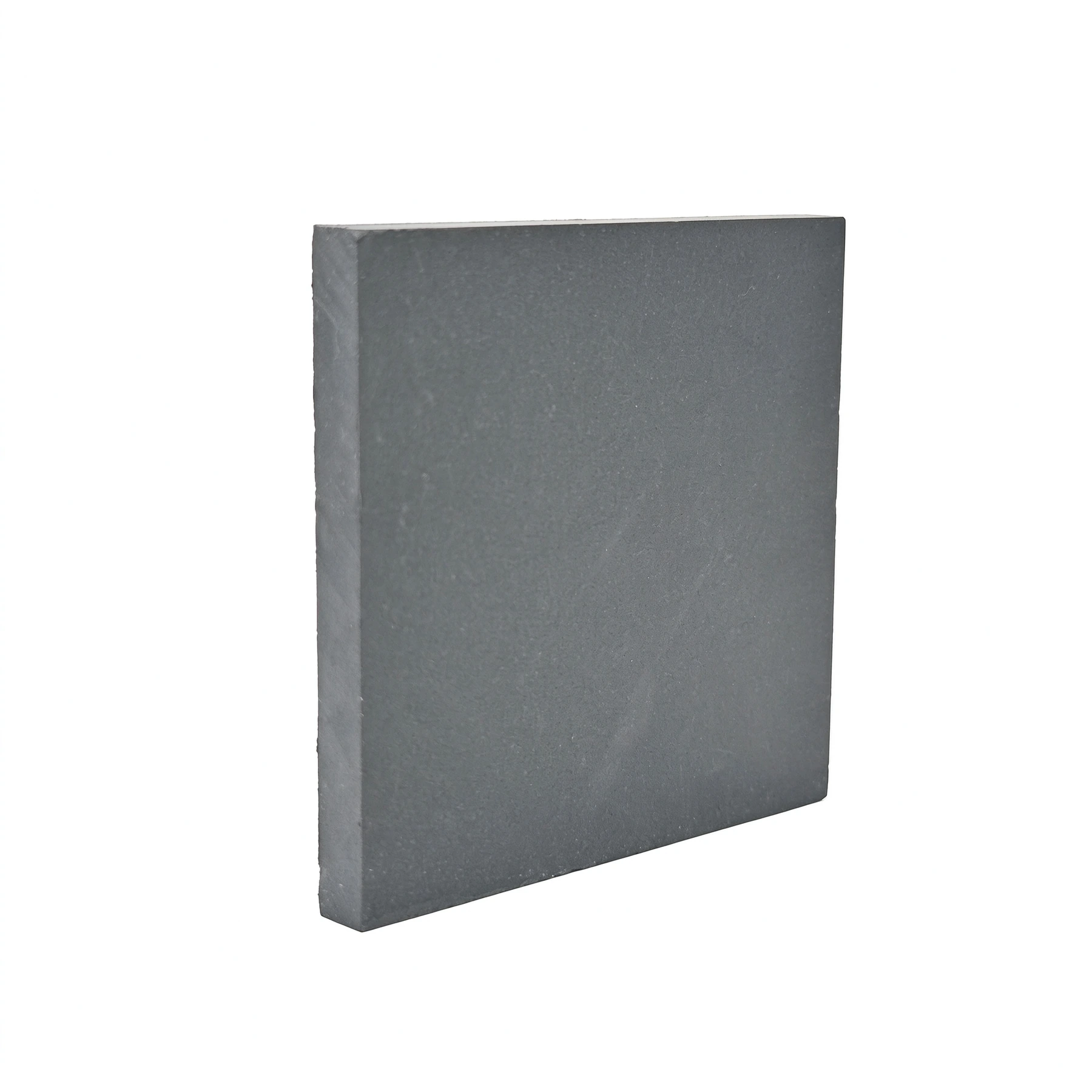
| Available variants | Teflon (PTFE) Black, Teflon (PTFE) White |
| Colors | White, Black, Natural white, Gray / black / brown filled grades |
| Special properties | Glass, carbon, bronze, graphite and MoS₂ fillers can improve wear, creep and load behavior; filled-grade values differ from unfilled PTFE. |
Detailed values describe Guarniflon G400, virgin PTFE, compression-molding grade (Rev.06); Virgin PTFE, generic water-absorption reference. Family ranges are broader selection references and may include different grades or reinforcement levels. Confirm the selected grade, condition and test method for your part.
| Property | Metric | Imperial | Test method / conditions |
|---|---|---|---|
| Density | 2.14~2.18 g/cm³ | 0.0773~0.0788 lb/in³ | ASTM D792 · 23°C · Reference: Guarniflon G400, virgin PTFE, compression-molding grade (Rev.06) |
| Tensile Strength | 24 MPa | 3,480 psi | ISO 527 · 50 mm/min · Reference: Guarniflon G400, virgin PTFE, compression-molding grade (Rev.06) |
| Elongation at Break | ≥250 % | ≥250 % | ISO 527 · 50 mm/min · Reference: Guarniflon G400, virgin PTFE, compression-molding grade (Rev.06) |
| Shore hardness | ≥51D (Shore D) | ≥51D (Shore D) | ASTM D2240 · Reference: Guarniflon G400, virgin PTFE, compression-molding grade (Rev.06) |
| Notched Izod impact | 153 J/m | 2.9 ft·lb/in | ASTM D256 · 23°C · Reference: Guarniflon G400, virgin PTFE, compression-molding grade (Rev.06) |
| Coefficient of Friction | 0.06 - | 0.06 - | ASTM D1894 · Dynamic friction · Reference: Guarniflon G400, virgin PTFE, compression-molding grade (Rev.06) |
| Service Temperature | -200~+260 °C | -328~+500 °F | Continuous use · Reference: Guarniflon G400, virgin PTFE, compression-molding grade (Rev.06) |
| CLTE | 12~13×10⁻⁵ /°C | 6.7~7.2×10⁻⁵ /°F | Sim. ASTM D696 · 25-100°C · Reference: Guarniflon G400, virgin PTFE, compression-molding grade (Rev.06) |
| Dielectric Constant | 2.05~2.10 - | 2.05~2.10 - | ASTM D150 · Reference: Guarniflon G400, virgin PTFE, compression-molding grade (Rev.06) |
| Volume Resistivity | 10¹⁸ Ω·cm | 10¹⁸ Ω·cm | ASTM D257 · Reference: Guarniflon G400, virgin PTFE, compression-molding grade (Rev.06) |
| Water Absorption | <0.01 % | <0.01 % | ASTM D570 · Reference: Virgin PTFE, generic water-absorption reference |
| Property | Family reference |
|---|---|
| Material class | High-performance plastic |
| Density (g/cm³) | 2.13–2.20 |
| Tensile strength (MPa) | 20–35 |
| Elongation at break (%) | 200–450 |
| Elastic modulus (GPa) | 0.4–0.6 |
| Hardness | Shore D50–65 |
| Temperature reference (°C) | Service temperature ≤260 |
CNC Milling Services: Powder compression molding followed by sintering, then CNC turning or milling of the stock. Allow for creep and thermal expansion in seals and fits. Choose fillers for the load and medium. The stated service-temperature limit is not a sintering-process temperature. 3-axis milling, 4-axis milling, 5-axis milling: Use a machinable stock grade; geometry, workholding and material condition determine feasibility.
CNC Milling Services, CNC turning: Powder compression molding followed by sintering, then CNC turning or milling of the stock. Allow for creep and thermal expansion in seals and fits. Choose fillers for the load and medium. The stated service-temperature limit is not a sintering-process temperature. 3-axis milling, 4-axis milling, 5-axis milling, Cylindrical Turning, Boring, Threading, Grooving: Use a machinable stock grade; geometry, workholding and material condition determine feasibility.
CNC turning: Powder compression molding followed by sintering, then CNC turning or milling of the stock. Allow for creep and thermal expansion in seals and fits. Choose fillers for the load and medium. The stated service-temperature limit is not a sintering-process temperature. Cylindrical Turning, Boring, Threading, Grooving: Use a machinable stock grade; geometry, workholding and material condition determine feasibility.
Low friction, approximately 0.05–0.10 in the supplied overview, strong chemical resistance, low dielectric constant, weather resistance and a broad reference service range of −200 to 260°C.
Low stiffness and load capacity, creep/cold flow, high thermal expansion and difficult adhesion. PTFE cannot be processed by conventional injection molding.
Compare materials for the loads, temperature and environment your part will face.
We review tool access, geometry and material choice before manufacturing.
Dimensional checks and inspection reports for the critical features on your drawing.
Seals, gaskets, liners, sliding bearings, guide rails, insulators and chemically resistant valve parts; food/medical contact requires the appropriate grade documentation.
Powder compression molding followed by sintering, then CNC turning or milling of the stock.
Bonding generally needs specialized chemical surface activation, such as sodium-based etching. Painting and adhesion are otherwise difficult.
Allow for creep and thermal expansion in seals and fits. Choose fillers for the load and medium. The stated service-temperature limit is not a sintering-process temperature.
Natural opaque white. Filled grades may be gray, black or brown.
PTFE service-temperature guidance must be distinguished from manufacturing temperatures. A commonly cited 260°C service reference is not a universal sintering or processing ceiling. Use the selected resin grade’s processing procedure, and assess operating limits against load, creep, chemical exposure and duration.
Upload your CAD files and tell us the material and quantity you need.
Talk to an engineer