
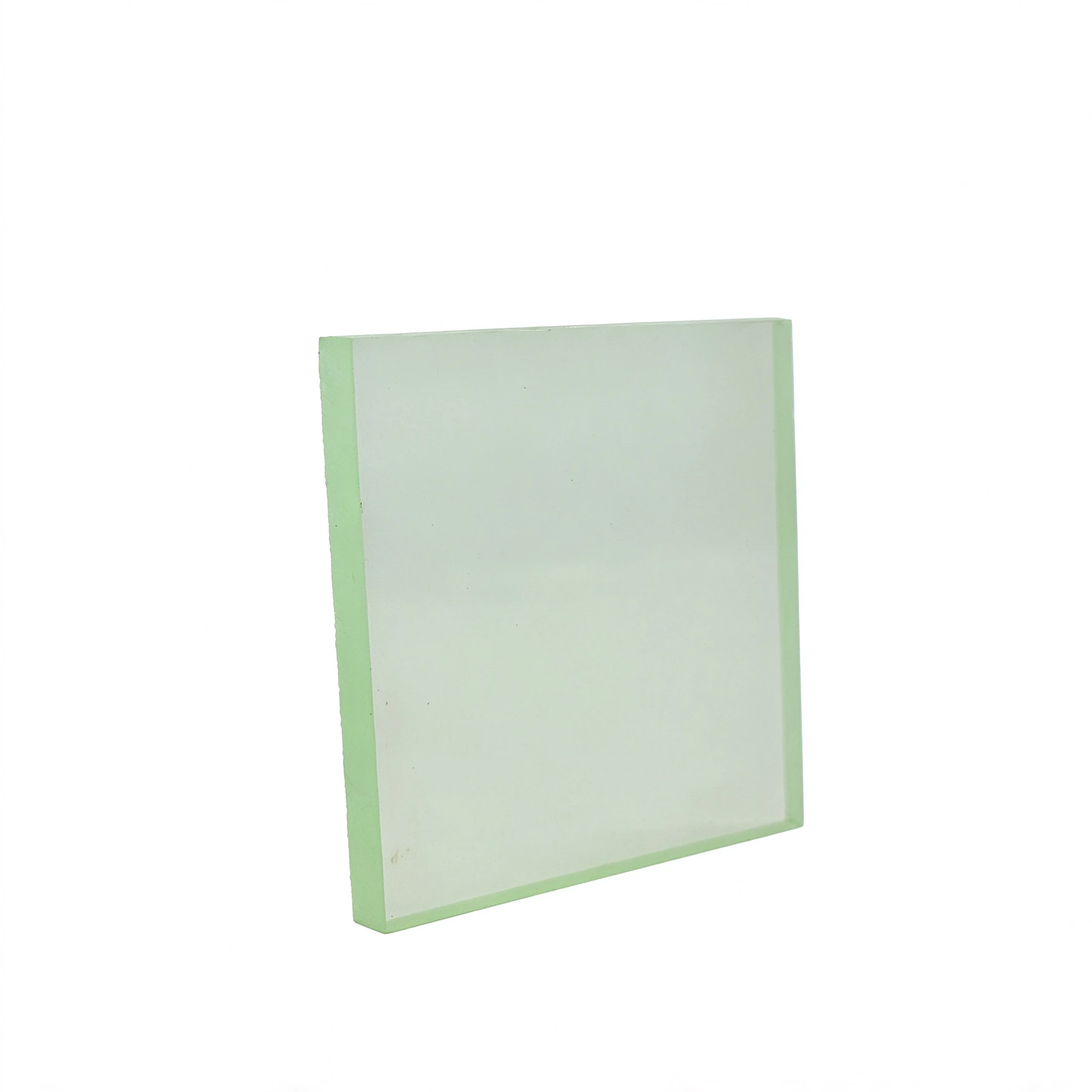
TPU stock — view 01


















For a TPU component, explain the required flexibility, contact conditions and assembly features to Aria. We help you discuss the grade and manufacturing route against that use. A hard Shore D reference grade is not a substitute for a soft Shore A material, so confirm the hardness system and formulation in the quotation.
| Property | Details |
|---|---|
| Colors | Natural translucent yellow / milky white, Black, Custom colors |
| Special properties | Hydrolysis-resistant, flame-retardant, UV/anti-yellowing, antistatic and approved food/medical grades depend on formulation. |
Detailed values describe BASF Elastollan 1164D, polyether TPU, Shore 64D (July 2020). Family ranges are broader selection references and may include different grades or reinforcement levels. Confirm the selected grade, condition and test method for your part.
| Property | Metric | Imperial | Test method / conditions |
|---|---|---|---|
| Density | 1.18 g/cm³ | 0.0426 lb/in³ | ASTM D792 · 23°C · Reference: BASF Elastollan 1164D, polyether TPU, Shore 64D (July 2020) |
| Shore hardness | 64D (Shore D) | 64D (Shore D) | ASTM D2240 · 3s · Reference: BASF Elastollan 1164D, polyether TPU, Shore 64D (July 2020) |
| Tensile Strength | 49 MPa | 7,100 psi | ASTM D412 · 23°C · Reference: BASF Elastollan 1164D, polyether TPU, Shore 64D (July 2020) |
| Tensile Stress at 100% | 33 MPa | 4,800 psi | ASTM D412 · 23°C · Reference: BASF Elastollan 1164D, polyether TPU, Shore 64D (July 2020) |
| Ultimate Elongation | 390 % | 390 % | ASTM D412 · 23°C · Reference: BASF Elastollan 1164D, polyether TPU, Shore 64D (July 2020) |
| E-Modulus | 296 MPa | 43,000 psi | ASTM D412 · 23°C · Reference: BASF Elastollan 1164D, polyether TPU, Shore 64D (July 2020) |
| Flexural Modulus | 255 MPa | 37,000 psi | ASTM D790 · 23°C · Reference: BASF Elastollan 1164D, polyether TPU, Shore 64D (July 2020) |
| Tear Strength | 245 kN/m | 1,400 lb/in | ASTM D624 · Die C · Reference: BASF Elastollan 1164D, polyether TPU, Shore 64D (July 2020) |
| Vicat softening temperature | 128 °C | 262 °F | ASTM D1525 · Reference: BASF Elastollan 1164D, polyether TPU, Shore 64D (July 2020) |
| Glass Transition Temp. | 13 °C | 55 °F | DMA · Reference: BASF Elastollan 1164D, polyether TPU, Shore 64D (July 2020) |
| Taber Abrasion | 55 mg loss | 55 mg loss | ASTM D4060 · Reference: BASF Elastollan 1164D, polyether TPU, Shore 64D (July 2020) |
| Property | Family reference |
|---|---|
| Material class | Elastomer |
| Density (g/cm³) | 1.10–1.25 |
| Tensile strength (MPa) | 25–55 |
| Elongation at break (%) | 300–500 |
| Elastic modulus (GPa) | 0.02–0.3 |
| Hardness | Shore D50–75 |
| Temperature reference (°C) | Vicat ~120 |
Injection molding after drying, with a supplied moisture reference below 0.03%; specialized CNC processing of soft stock; FDM with suitable flexible filament. Polyether grades favor hydrolysis resistance; polyester grades can favor oil and wear performance. Confirm the environment and keep hard Shore D values separate from soft Shore A materials.
Injection molding: Injection molding after drying, with a supplied moisture reference below 0.03%; specialized CNC processing of soft stock; FDM with suitable flexible filament. Polyether grades favor hydrolysis resistance; polyester grades can favor oil and wear performance. Confirm the environment and keep hard Shore D values separate from soft Shore A materials. Single-material injection molding, Insert location and retention, Multi-shot / two-shot (2K) molding: Use an injection-molding grade. Fillers, shrinkage and processing temperatures affect tool and part design. Elastomer over plastic, Plastic over plastic: Substrate and overmold are a grade-specific pair. These materials are candidates, not an all-to-all bonding guarantee; qualify adhesion and mechanical retention. Elastomer over metal, Plastic over metal: Metal is the insert or substrate; polymer is the molded layer. Review grade pairing, surface preparation, thermal movement and retention.
3D printing: Injection molding after drying, with a supplied moisture reference below 0.03%; specialized CNC processing of soft stock; FDM with suitable flexible filament. Polyether grades favor hydrolysis resistance; polyester grades can favor oil and wear performance. Confirm the environment and keep hard Shore D values separate from soft Shore A materials. FDM printing: Use a filament grade compatible with the printer and the intended loading direction; coating adhesion requires preparation.
Use an injection-molding grade. Fillers, shrinkage and processing temperatures affect tool and part design.
Multi-shot / two-shot (2K) molding: Use an injection-molding grade. Fillers, shrinkage and processing temperatures affect tool and part design. Elastomer over plastic, Plastic over plastic: Substrate and overmold are a grade-specific pair. These materials are candidates, not an all-to-all bonding guarantee; qualify adhesion and mechanical retention. Elastomer over metal, Plastic over metal: Metal is the insert or substrate; polymer is the molded layer. Review grade pairing, surface preparation, thermal movement and retention.
Good tear and impact resistance, toughness, oil/grease resistance and low-temperature flexibility. Hard Shore D grades provide more stiffness while retaining elasticity.
Moderate heat resistance, moisture sensitivity during processing and poor resistance to strong acids or alkalis. It is not a substitute for a rigid precision structural plastic.
Compare materials for the loads, temperature and environment your part will face.
We review tool access, geometry and material choice before manufacturing.
Dimensional checks and inspection reports for the critical features on your drawing.
Polyether grades favor hydrolysis resistance; polyester grades can favor oil and wear performance. Confirm the environment and keep hard Shore D values separate from soft Shore A materials. Printing or painting with dedicated primers, compatible bonding, and qualified high-frequency or ultrasonic welding.
Mold-transferred appearance depends on the resin and tool surface; gloss and texture do not specify a material-independent roughness.
Wheels, rollers, seals, wear bushings, hoses, cable jackets, shoe soles, connector covers, guards and drive belts.
Injection molding after drying, with a supplied moisture reference below 0.03%; specialized CNC processing of soft stock; FDM with suitable flexible filament.
Printing or painting with dedicated primers, compatible bonding, and qualified high-frequency or ultrasonic welding.
Polyether grades favor hydrolysis resistance; polyester grades can favor oil and wear performance. Confirm the environment and keep hard Shore D values separate from soft Shore A materials.
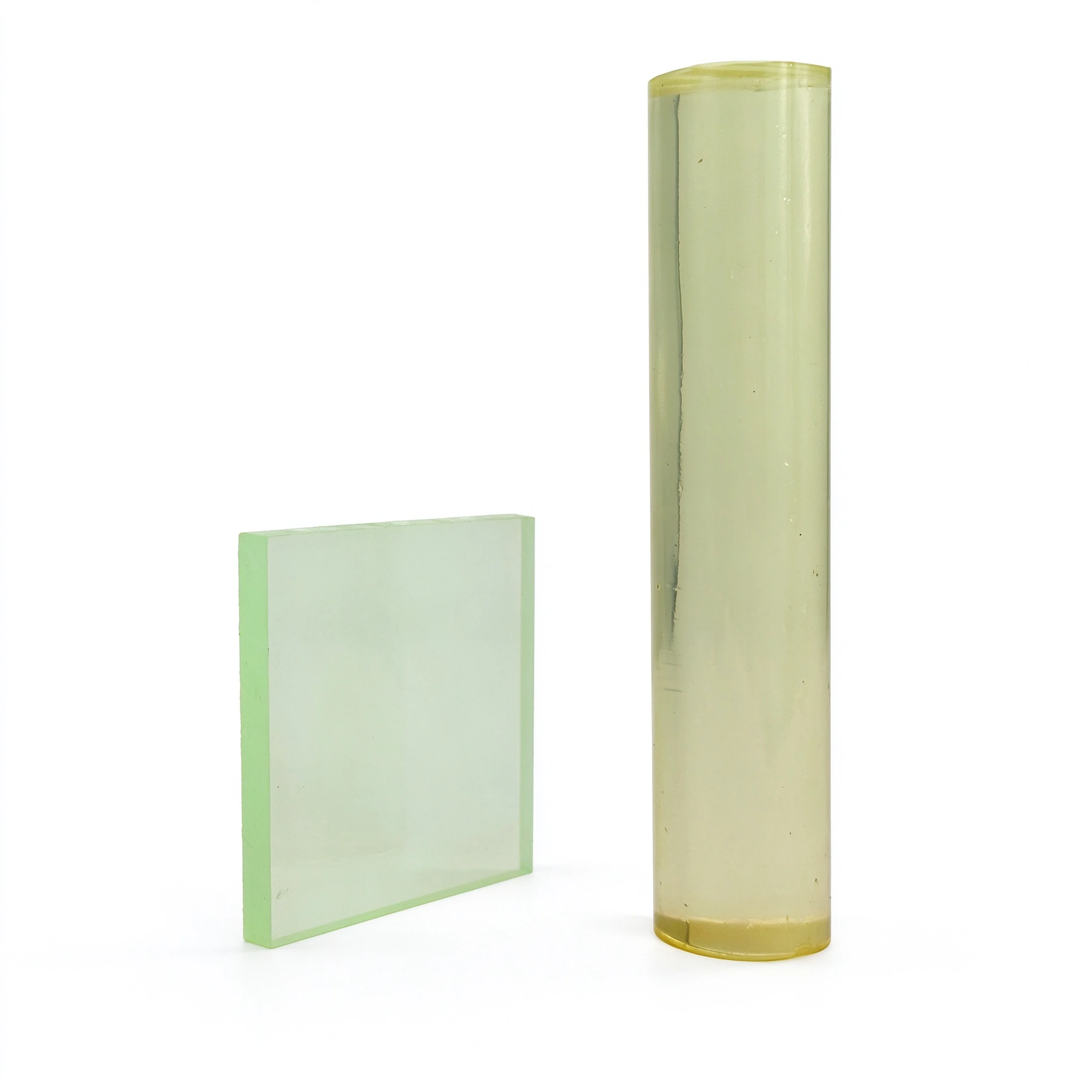
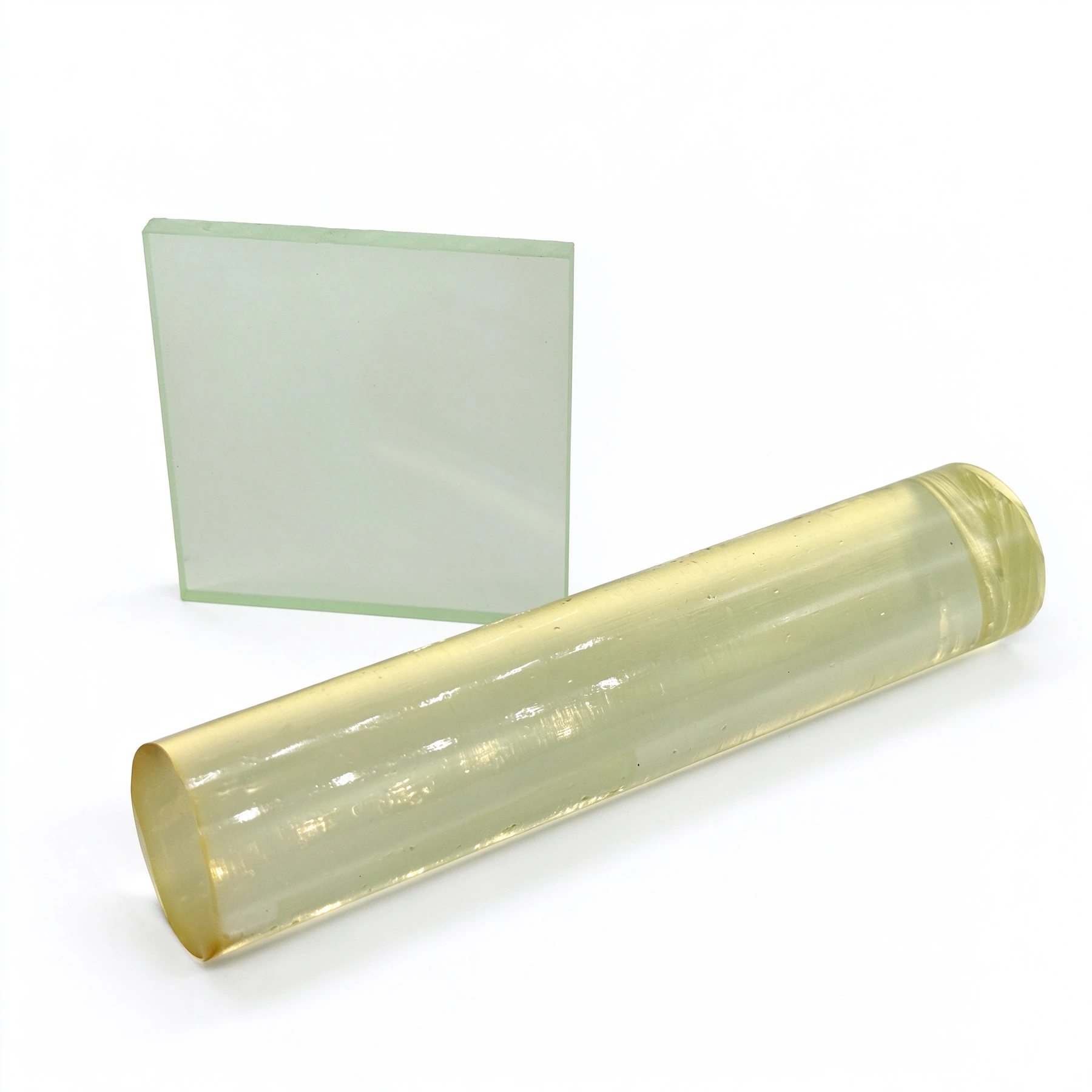
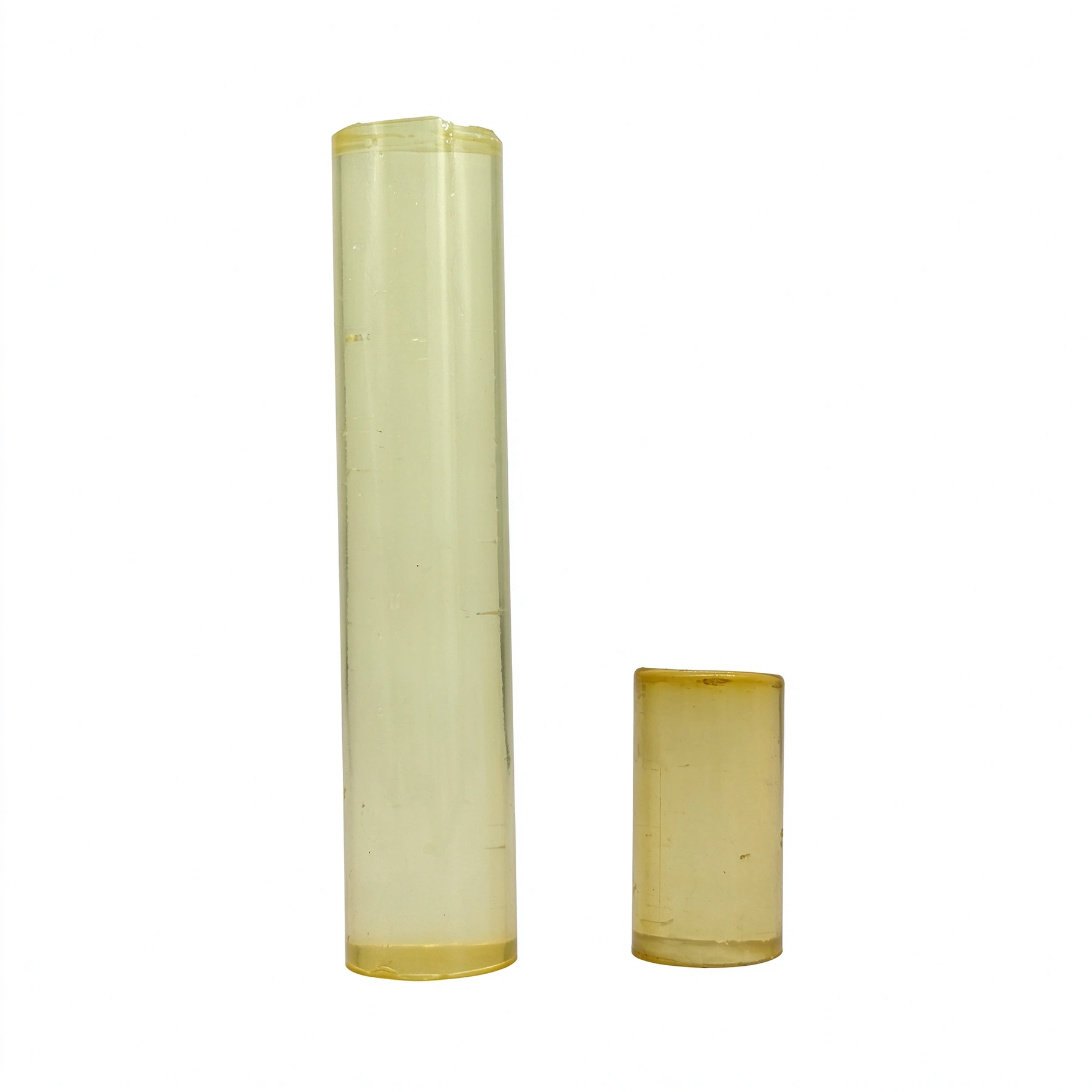
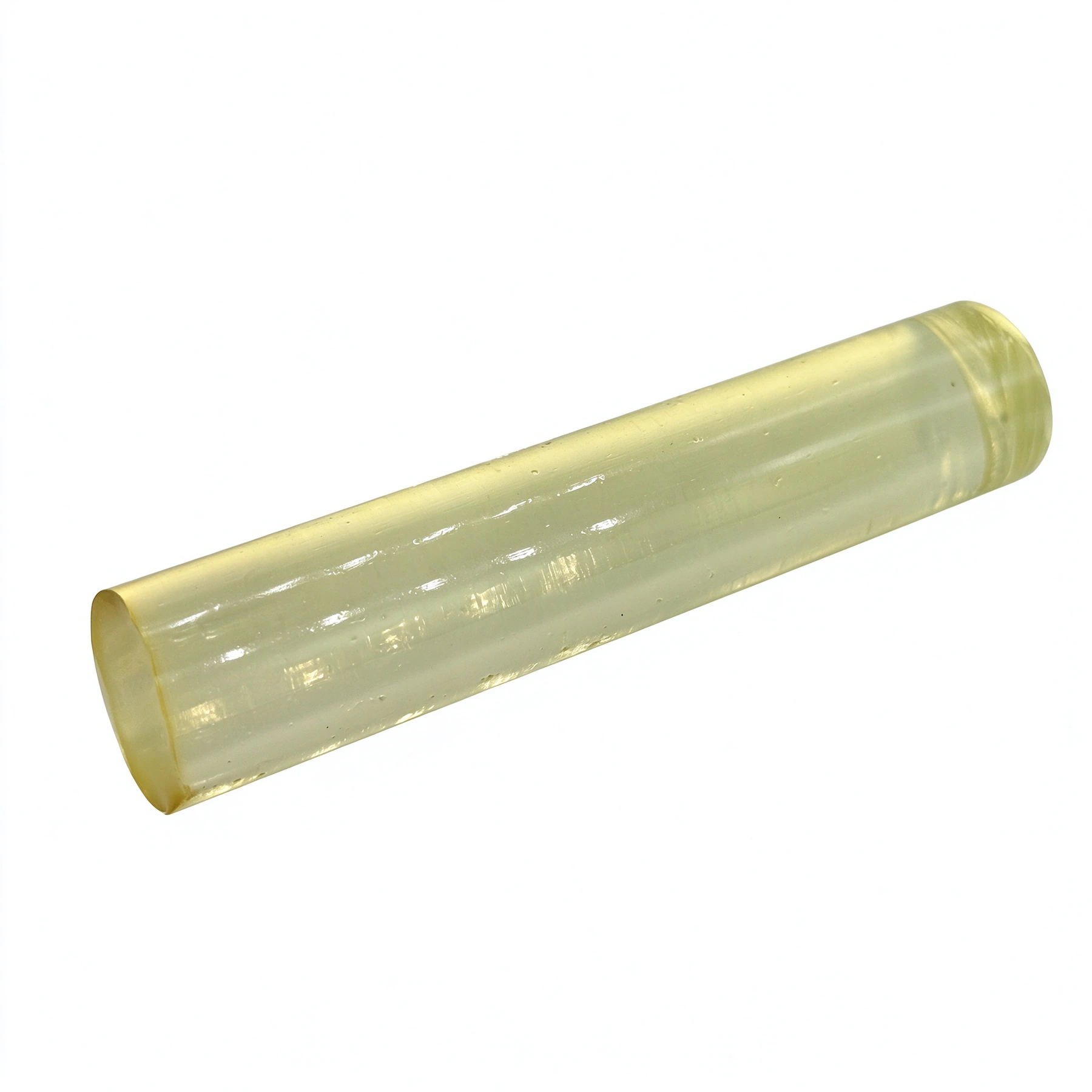
Natural slightly yellow transparent to milky white. Black and custom colors.
TPU spans soft elastomeric Shore A grades and harder Shore D grades. BASF’s Elastollan material-properties guide illustrates a range from 60 Shore A to 74 Shore D; individual series may extend beyond that range. The 64 Shore D representative grade on this page is one selection, not the hardness of all TPU. State the scale, test conditions and grade; Shore A and Shore D numbers are not interchangeable.
Upload your CAD files and tell us the material and quantity you need.
Talk to an engineer