
PBT stock — view 01
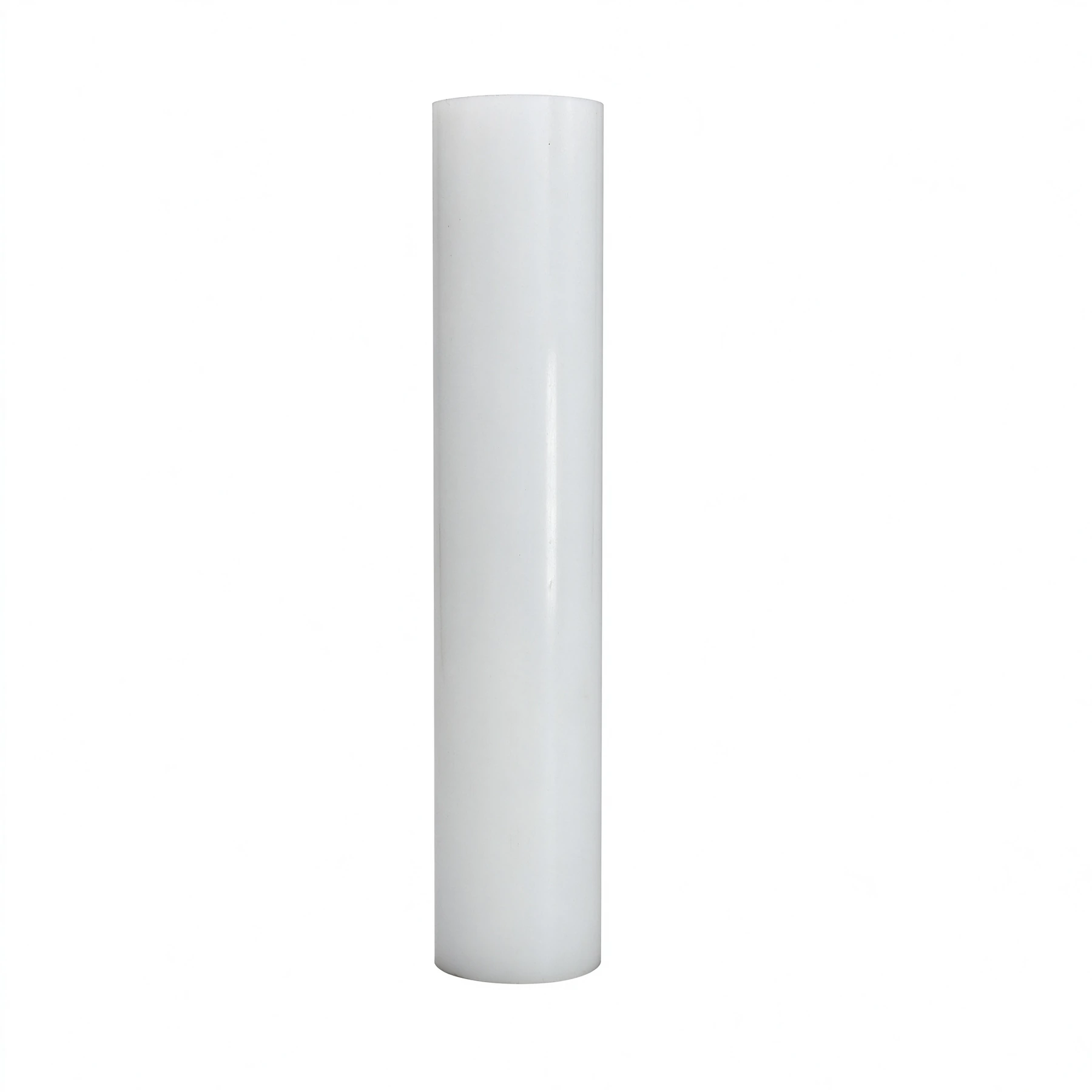
PBT is a semi-crystalline polyester used for dimensionally stable electrical and molded components.
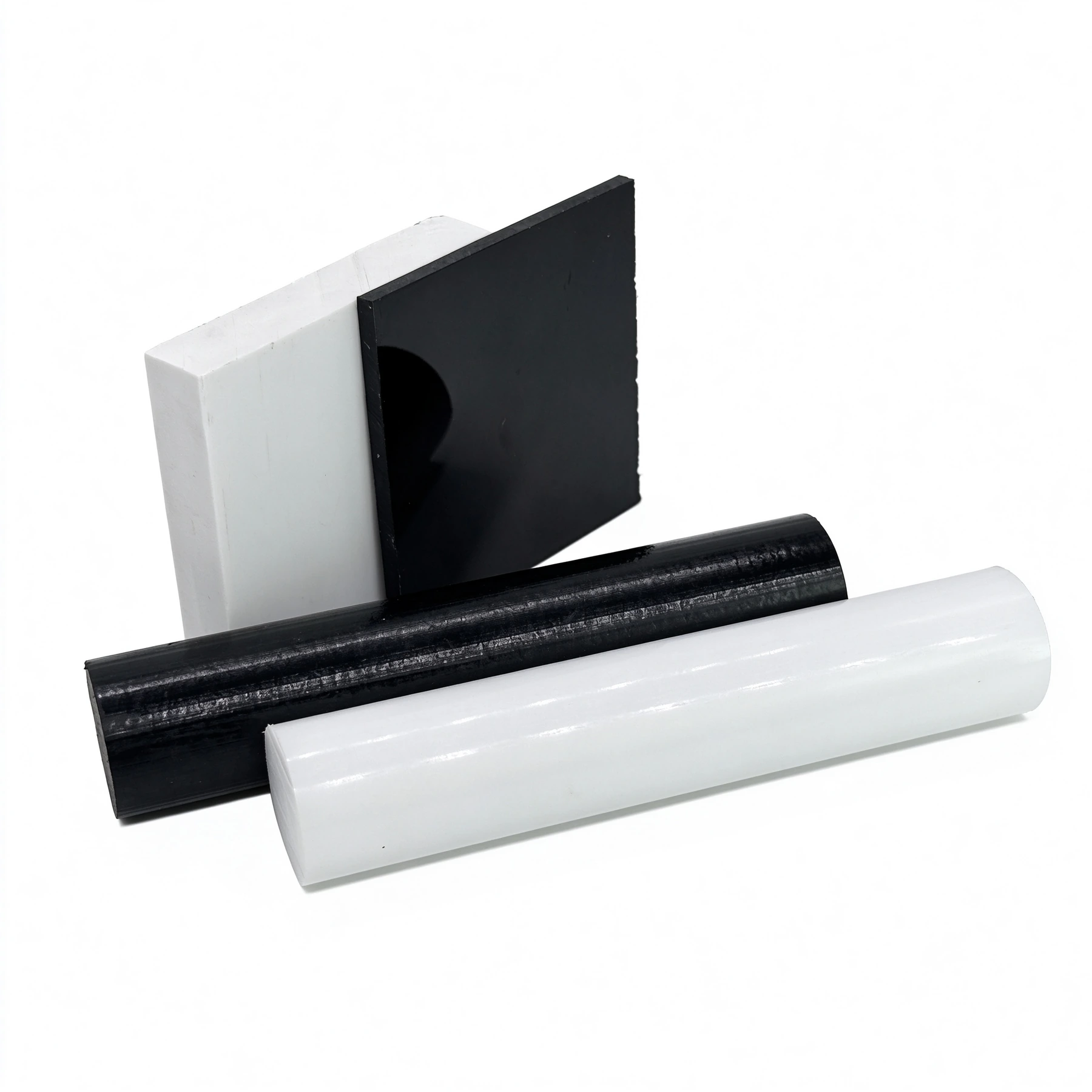


















For a connector or molded housing, explain the locating features, service environment and any electrical or flame-rating requirements to Aria. We help you discuss the PBT grade with the part geometry and inspection needs. Unfilled and reinforced grades require separate selection; the values below should be read with their stated grade.
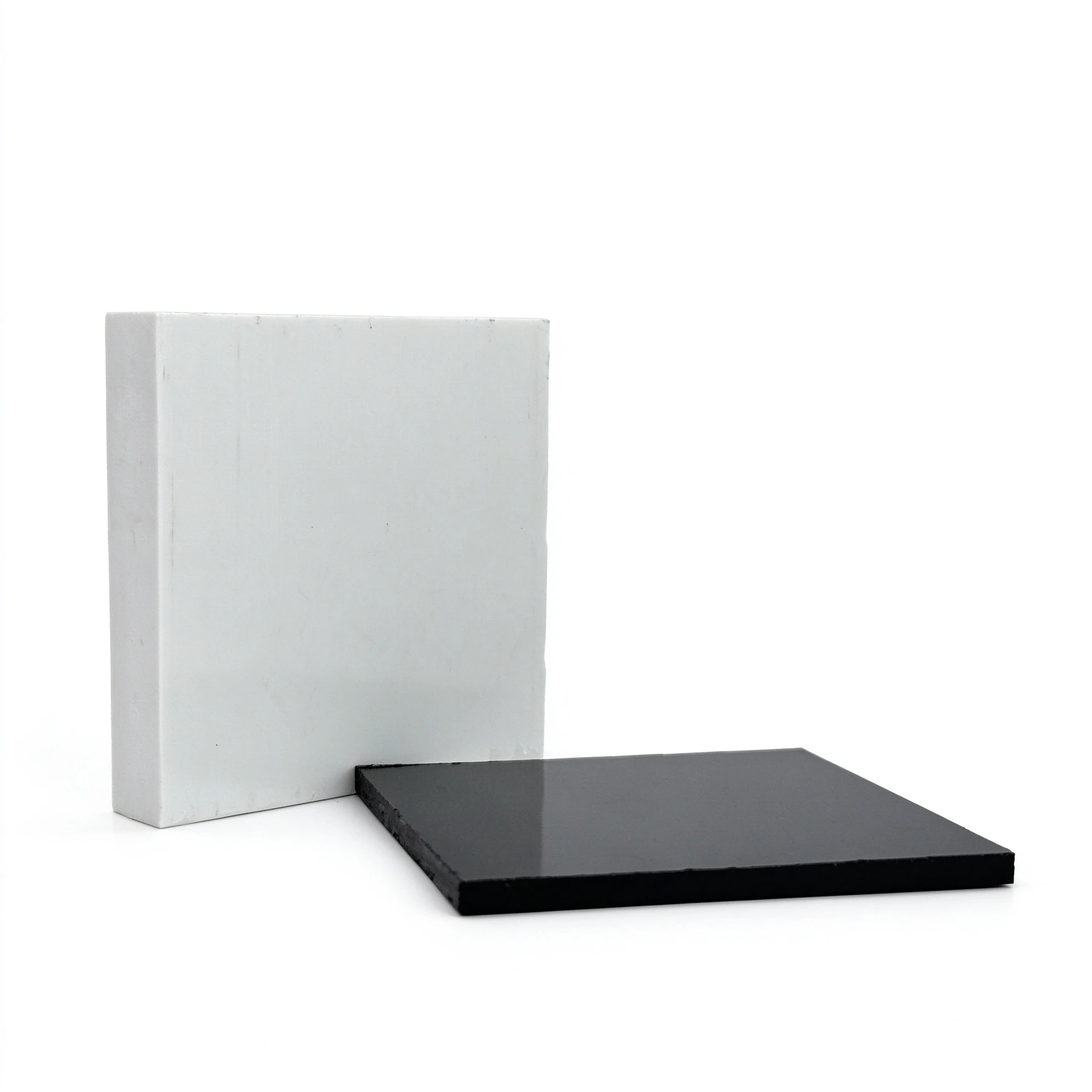
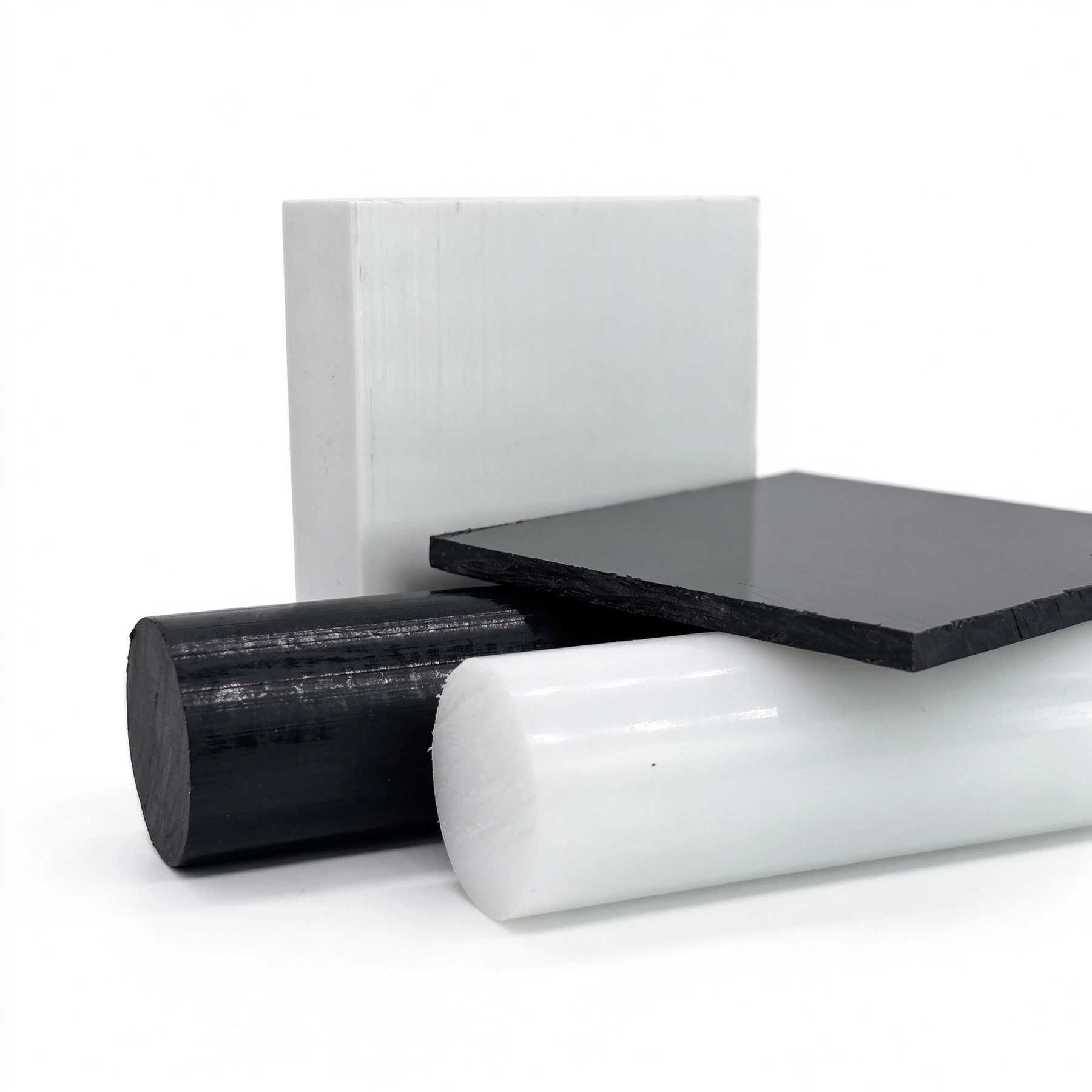
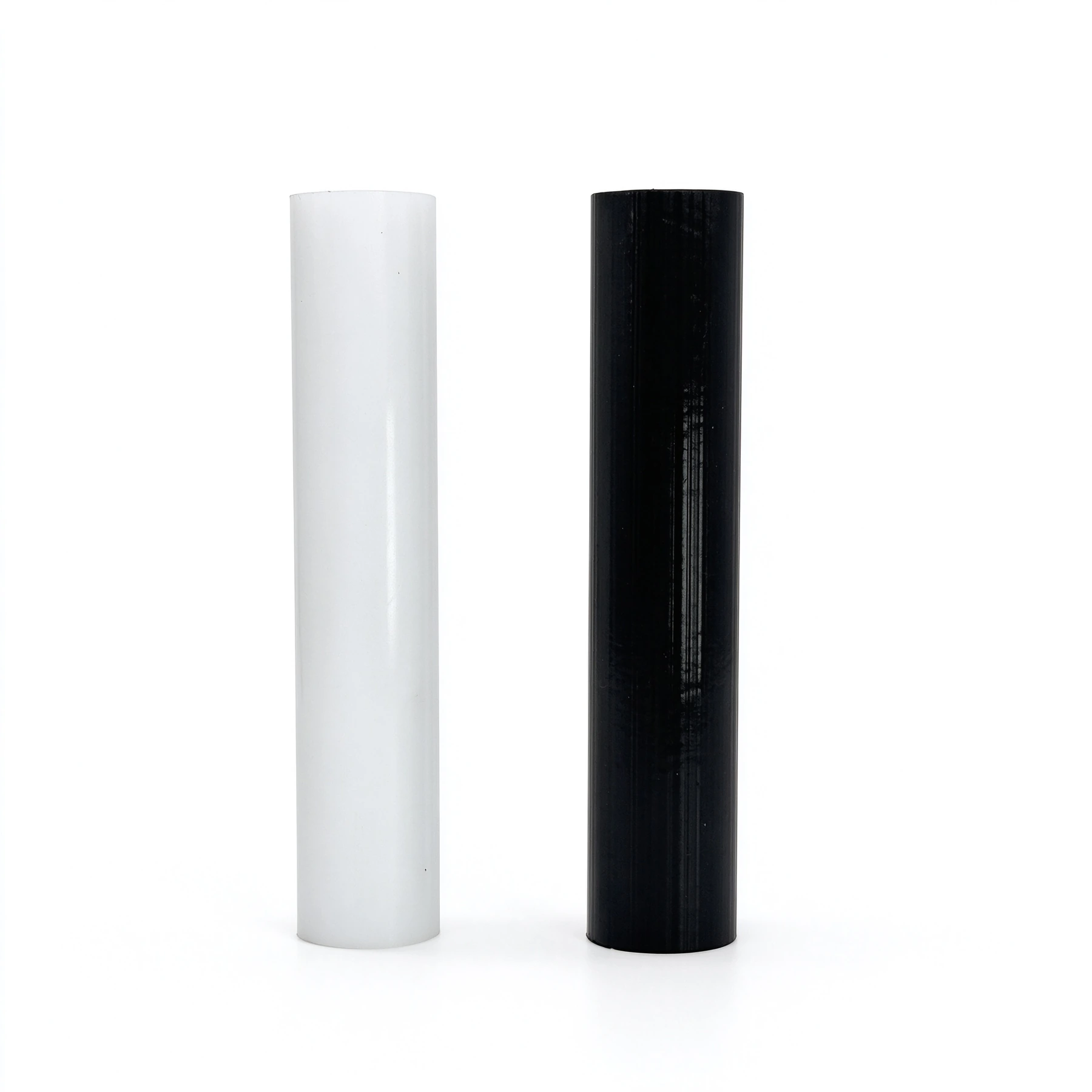
| Property | Details |
|---|---|
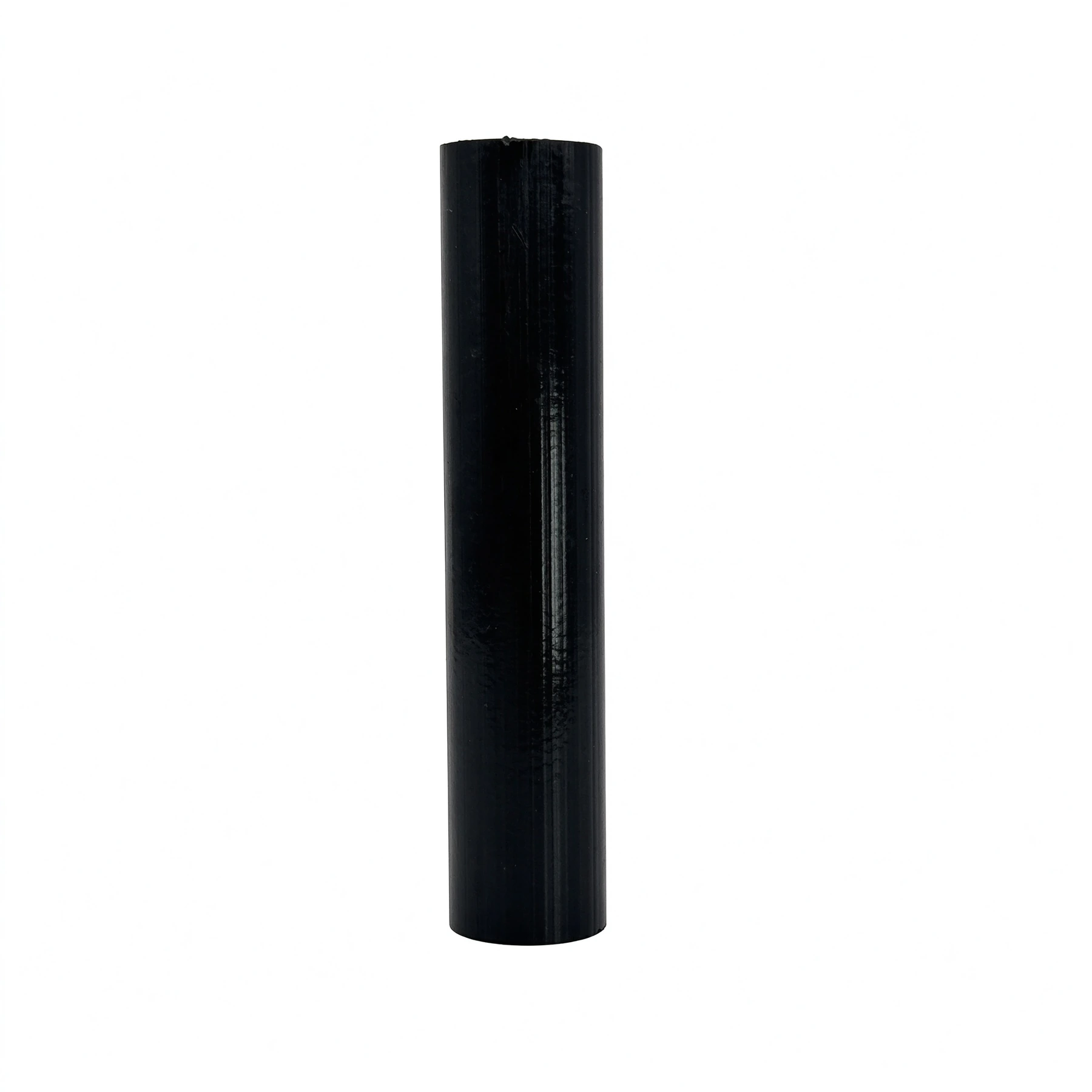
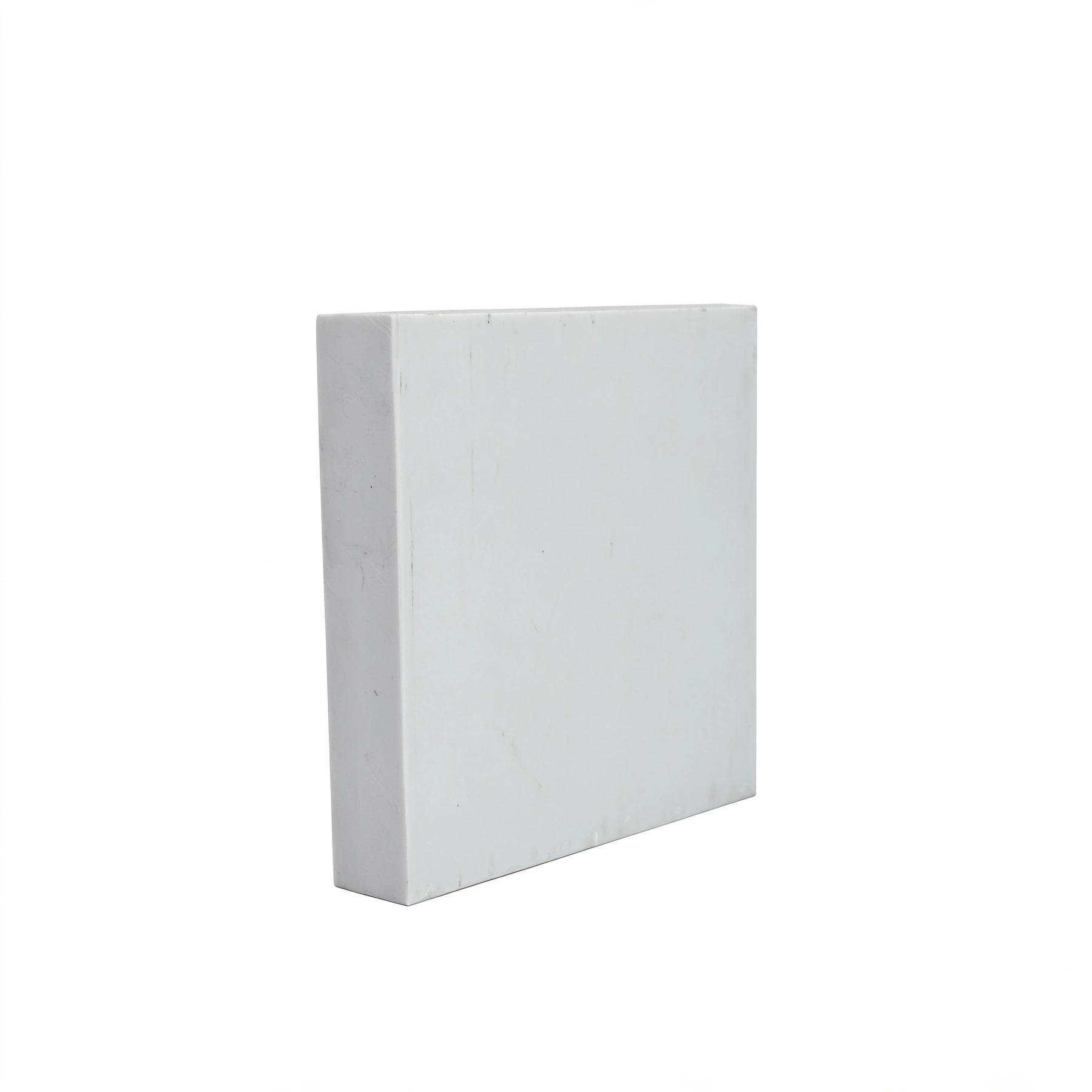
| Available variants | PBT Milky White(Natural), PBT Black |
| Colors | Milky White, Black, Natural, Custom colors |
| Special properties | Glass-filled, flame-retardant, hydrolysis-resistant and impact-modified grades require separate specification. |
Detailed values describe BASF Ultradur B 4500, unfilled PBT (September 2016). Family ranges are broader selection references and may include different grades or reinforcement levels. Confirm the selected grade, condition and test method for your part.
| Property | Metric | Imperial | Test method / conditions |
|---|---|---|---|
| Density | 1.30 g/cm³ | 0.0470 lb/in³ | ISO 1183 · 23°C · Reference: BASF Ultradur B 4500, unfilled PBT (September 2016) |
| MVR | 21 cm³/10min | 21 cm³/10min | ISO 1133 · 250°C, 2.16 kg · Reference: BASF Ultradur B 4500, unfilled PBT (September 2016) |
| Molding Shrinkage | 1.6~1.9 % | 1.6~1.9 % | ISO 294-4 · Parallel / perpendicular · Reference: BASF Ultradur B 4500, unfilled PBT (September 2016) |
| Tensile Modulus | 2,500 MPa | 363,000 psi | ISO 527 · 23°C · Reference: BASF Ultradur B 4500, unfilled PBT (September 2016) |
| Yield Stress | 55 MPa | 7,980 psi | ISO 527 · 50 mm/min · Reference: BASF Ultradur B 4500, unfilled PBT (September 2016) |
| Nominal Strain at Break | >50 % | >50 % | ISO 527 · 50 mm/min · Reference: BASF Ultradur B 4500, unfilled PBT (September 2016) |
| Flexural Modulus | 2,300 MPa | 334,000 psi | ISO 178 · 23°C · Reference: BASF Ultradur B 4500, unfilled PBT (September 2016) |
| Flexural Strength | 85 MPa | 12,300 psi | ISO 178 · 23°C · Reference: BASF Ultradur B 4500, unfilled PBT (September 2016) |
| Charpy notched impact (23°C) | 5.2 kJ/m² | 2.5 ft·lb/in² | ISO 179/1eA · 23°C · Reference: BASF Ultradur B 4500, unfilled PBT (September 2016) |
| Ball Indentation Hardness | 130 N/mm² | 130 N/mm² | ISO 2039-1 · Reference: BASF Ultradur B 4500, unfilled PBT (September 2016) |
| Melting Temperature | 223 °C | 433 °F | ISO 11357 · Reference: BASF Ultradur B 4500, unfilled PBT (September 2016) |
| HDT (1.80 MPa) | 65 °C | 149 °F | ISO 75-1/-2 · 1.80 MPa · Reference: BASF Ultradur B 4500, unfilled PBT (September 2016) |
| HDT (0.45 MPa) | 165 °C | 329 °F | ISO 75-1/-2 · 0.45 MPa · Reference: BASF Ultradur B 4500, unfilled PBT (September 2016) |
| Water Absorption (saturated) | 0.5 % | 0.5 % | Sim. ISO 62 · Water immersion at 23°C · Reference: BASF Ultradur B 4500, unfilled PBT (September 2016) |
| Flammability | HB (UL94) | HB (UL94) | IEC 60695-11-10 · 1.6 mm · Reference: BASF Ultradur B 4500, unfilled PBT (September 2016) |
| Property | Family reference |
|---|---|
| Material class | Engineering plastic |
| Density (g/cm³) | 1.30–1.35 |
| Tensile strength (MPa) | 50–60 |
| Elongation at break (%) | 50–300 |
| Elastic modulus (GPa) | 2.3–2.6 |
| Hardness | R100–R120 |
| Temperature reference (°C) | HDT 50–200 |
Injection molding is the main route. Dry thoroughly; supplied guidance specifies less than 0.04% moisture. CNC milling and turning are possible in suitable stock. Use reinforced grades where unfilled PBT cannot meet structural stiffness or heat requirements. Select hydrolysis resistance for hot/wet exposure and specify the required flame rating.
Injection molding: Injection molding is the main route. Dry thoroughly; supplied guidance specifies less than 0.04% moisture. CNC milling and turning are possible in suitable stock. Use reinforced grades where unfilled PBT cannot meet structural stiffness or heat requirements. Select hydrolysis resistance for hot/wet exposure and specify the required flame rating. Single-material injection molding, Insert location and retention, Multi-shot / two-shot (2K) molding: Use an injection-molding grade. Fillers, shrinkage and processing temperatures affect tool and part design.
Use an injection-molding grade. Fillers, shrinkage and processing temperatures affect tool and part design.
Low moisture uptake, fast crystallization and molding cycles, useful chemical/oil resistance, electrical insulation and surface gloss.
Unfilled grades have moderate notch-impact and heat performance. Prolonged heat and humidity can cause hydrolysis; reinforcement changes the performance range.
Compare materials for the loads, temperature and environment your part will face.
We review tool access, geometry and material choice before manufacturing.
Dimensional checks and inspection reports for the critical features on your drawing.
Use reinforced grades where unfilled PBT cannot meet structural stiffness or heat requirements. Select hydrolysis resistance for hot/wet exposure and specify the required flame rating. Laser marking, painting, printing and qualified bonding. Suitable grades may be laser-welded.
Mold-transferred appearance depends on the resin and tool surface; gloss and texture do not specify a material-independent roughness.
Automotive connectors, relays, switches, motor bobbins, appliance parts and power-tool housings.
Injection molding is the main route. Dry thoroughly; supplied guidance specifies less than 0.04% moisture. CNC milling and turning are possible in suitable stock.
Laser marking, painting, printing and qualified bonding. Suitable grades may be laser-welded.
Use reinforced grades where unfilled PBT cannot meet structural stiffness or heat requirements. Select hydrolysis resistance for hot/wet exposure and specify the required flame rating.
Natural milky white. Black and custom colors.
Upload your CAD files and tell us the material and quantity you need.
Talk to an engineer