
PEEK stock — view 01
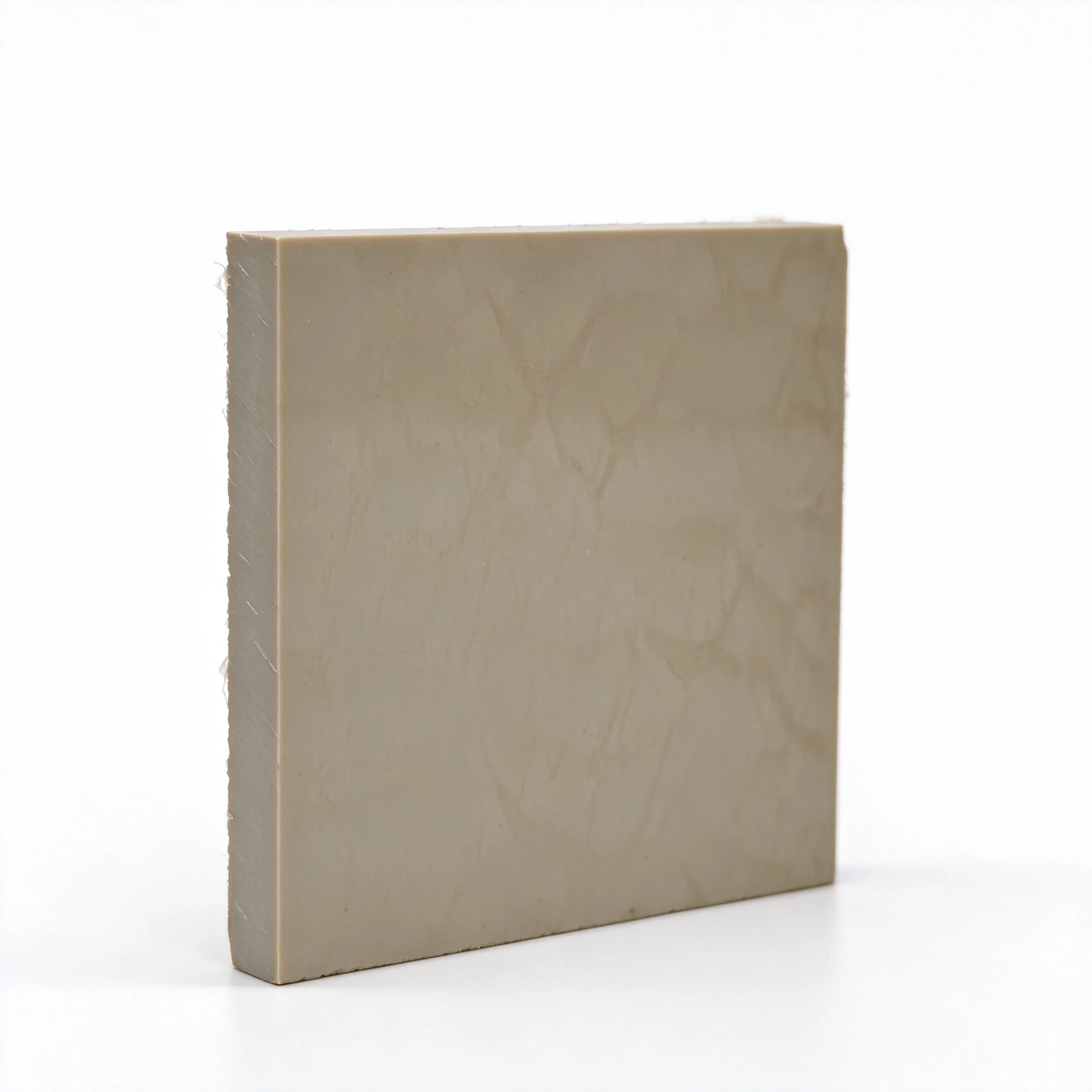
PEEK is a high-performance semi-crystalline plastic for demanding heat, chemical and wear environments.
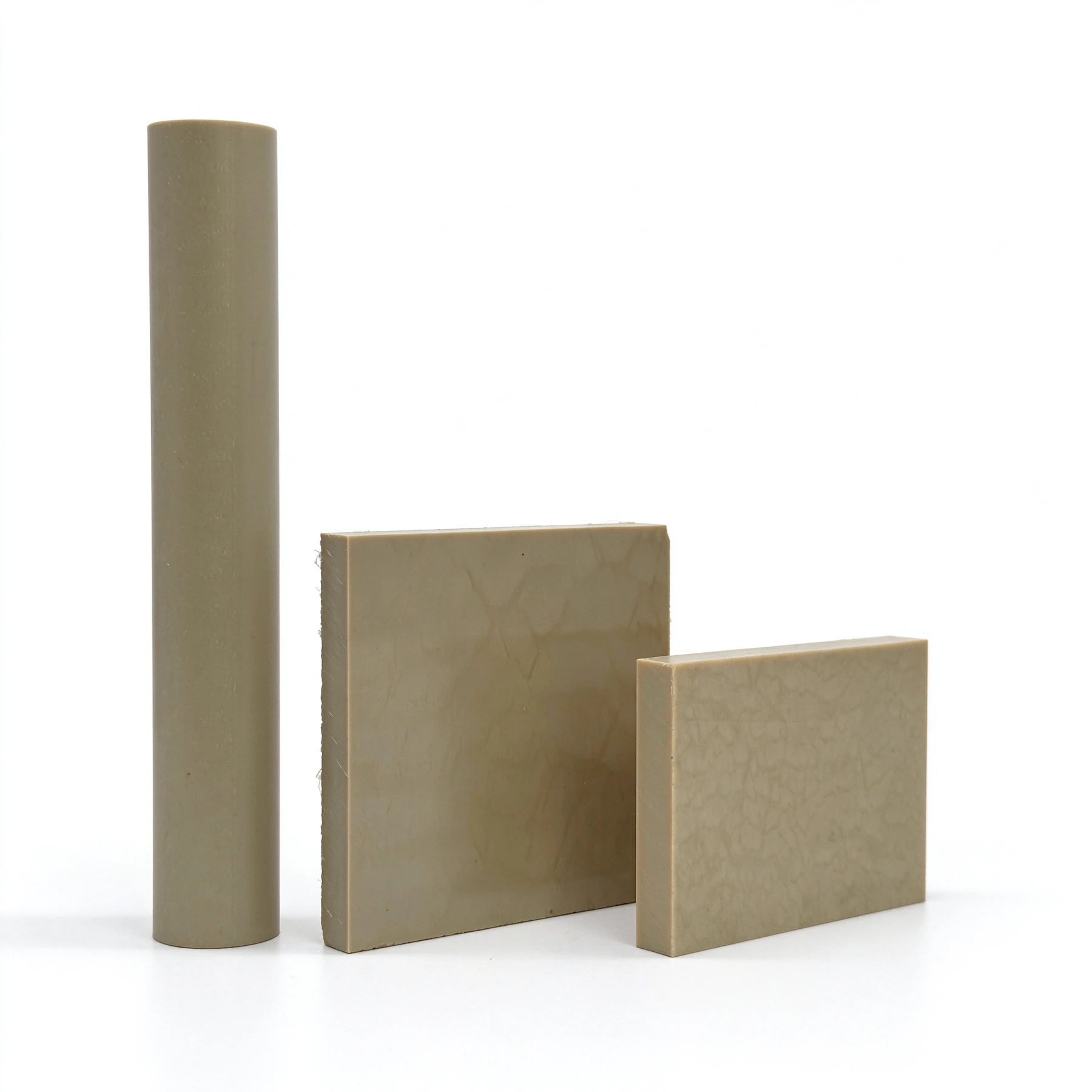


















Bring Aria the temperature, chemical exposure, wear and dimensional requirements that led you to consider PEEK. Our material review helps connect those requirements to the selected grade and manufacturing work. If reinforcement, a particular material condition or grade documentation is required, include it with the part drawing rather than relying on the PEEK name alone.
Aria offers CNC machining and injection molding for suitable PEEK projects. Bring the grade and demand into the same review so the manufacturing route and material requirements are considered together.
| Property | Details |
|---|---|
| Available variants | PEEK Black, PEEK Beige(Natural) |
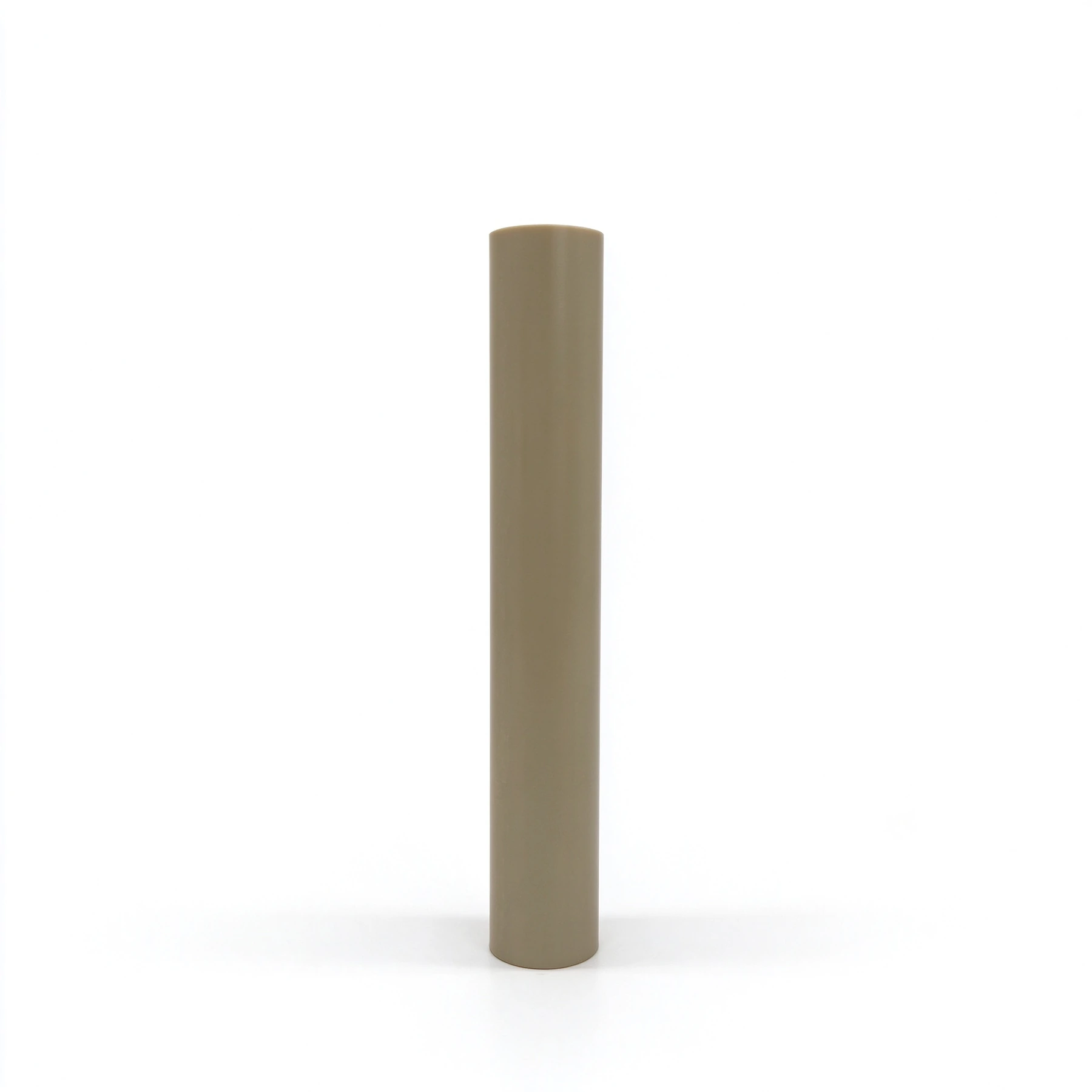
| Colors | Beige(Natural), Black |
| Special properties | Glass- or carbon-fiber reinforcement, PTFE/graphite wear modifications, antistatic and medical grades require separate selection. |
Detailed values describe Victrex PEEK 450G (July 2014). Family ranges are broader selection references and may include different grades or reinforcement levels. Confirm the selected grade, condition and test method for your part.
| Property | Metric | Imperial | Test method / conditions |
|---|---|---|---|
| Density | 1.30 g/cm³ | 0.0470 lb/in³ | ISO 1183 · Crystalline · Reference: Victrex PEEK 450G (July 2014) |
| Tensile strength at yield | 98 MPa | 14,200 psi | ISO 527 · 23°C · Reference: Victrex PEEK 450G (July 2014) |
| Tensile Elongation at Break | 45 % | 45 % | ISO 527 · 23°C · Reference: Victrex PEEK 450G (July 2014) |
| Tensile Modulus | 4,000 MPa | 580,000 psi | ISO 527 · 23°C · Reference: Victrex PEEK 450G (July 2014) |
| Flexural Strength | 165 MPa | 23,900 psi | ISO 178 · At yield, 23°C · Reference: Victrex PEEK 450G (July 2014) |
| Flexural Modulus | 3,800 MPa | 551,000 psi | ISO 178 · 23°C · Reference: Victrex PEEK 450G (July 2014) |
| Charpy notched impact (23°C) | 7.0 kJ/m² | 3.3 ft·lb/in² | ISO 179/1eA · 23°C · Reference: Victrex PEEK 450G (July 2014) |
| Izod notched impact (23°C) | 8.0 kJ/m² | 8.0 kJ/m² | ISO 180/A · 23°C · Reference: Victrex PEEK 450G (July 2014) |
| Shore D hardness | 84.5 - | 84.5 - | ISO 868 · 23°C · Reference: Victrex PEEK 450G (July 2014) |
| Melting Point | 343 °C | 649 °F | ISO 11357 · Reference: Victrex PEEK 450G (July 2014) |
| HDT (1.80 MPa) | 152 °C | 306 °F | ISO 75-f · 1.80 MPa, as moulded · Reference: Victrex PEEK 450G (July 2014) |
| Water Absorption (saturated) | 0.45 % | 0.45 % | ISO 62-1 · Saturated at 23°C · Reference: Victrex PEEK 450G (July 2014) |
| Limiting Oxygen Index | 35 % | 35 % | ISO 4589 · 3.2 mm · Reference: Victrex PEEK 450G (July 2014) |
| Mould Shrinkage | 1.0~1.3 % | 1.0~1.3 % | ISO 294-4 · Parallel / perpendicular · Reference: Victrex PEEK 450G (July 2014) |
| Property | Family reference |
|---|---|
| Material class | High-performance plastic |
| Density (g/cm³) | 1.30–1.32 |
| Tensile strength (MPa) | 90–100 |
| Elongation at break (%) | 30–60 |
| Elastic modulus (GPa) | 3.6–4.0 |
| Hardness | Shore D84–88 |
| Temperature reference (°C) | HDT 140–160 |
CNC Milling Services: High-temperature injection molding; the supplied guidance gives mold temperatures around 170–200°C. CNC milling and turning often need stress-control and annealing. Use equipment suited to the grade processing window, approximately 360–400°C in the supplied guidance. Control crystallinity through molding and annealing. Reinforced grades are direction-dependent. 3-axis milling, 4-axis milling, 5-axis milling: Use a machinable stock grade; geometry, workholding and material condition determine feasibility.
Injection molding: High-temperature injection molding; the supplied guidance gives mold temperatures around 170–200°C. CNC milling and turning often need stress-control and annealing. Use equipment suited to the grade processing window, approximately 360–400°C in the supplied guidance. Control crystallinity through molding and annealing. Reinforced grades are direction-dependent. Single-material injection molding, Insert location and retention, Multi-shot / two-shot (2K) molding: Use an injection-molding grade. Fillers, shrinkage and processing temperatures affect tool and part design.
Use an injection-molding grade. Fillers, shrinkage and processing temperatures affect tool and part design.
CNC Milling Services, CNC turning: High-temperature injection molding; the supplied guidance gives mold temperatures around 170–200°C. CNC milling and turning often need stress-control and annealing. Use equipment suited to the grade processing window, approximately 360–400°C in the supplied guidance. Control crystallinity through molding and annealing. Reinforced grades are direction-dependent. 3-axis milling, 4-axis milling, 5-axis milling, Cylindrical Turning, Boring, Threading, Grooving: Use a machinable stock grade; geometry, workholding and material condition determine feasibility.
CNC turning: High-temperature injection molding; the supplied guidance gives mold temperatures around 170–200°C. CNC milling and turning often need stress-control and annealing. Use equipment suited to the grade processing window, approximately 360–400°C in the supplied guidance. Control crystallinity through molding and annealing. Reinforced grades are direction-dependent. Cylindrical Turning, Boring, Threading, Grooving: Use a machinable stock grade; geometry, workholding and material condition determine feasibility.
Good strength, stiffness, fatigue and wear resistance; low smoke and useful hydrolysis and radiation resistance. The supplied reference gives continuous use around 250°C and a melting point of 343°C.
High material and processing costs. Concentrated sulfuric or nitric acid can attack it. Crystallinity and residual stress affect dimensions and performance.
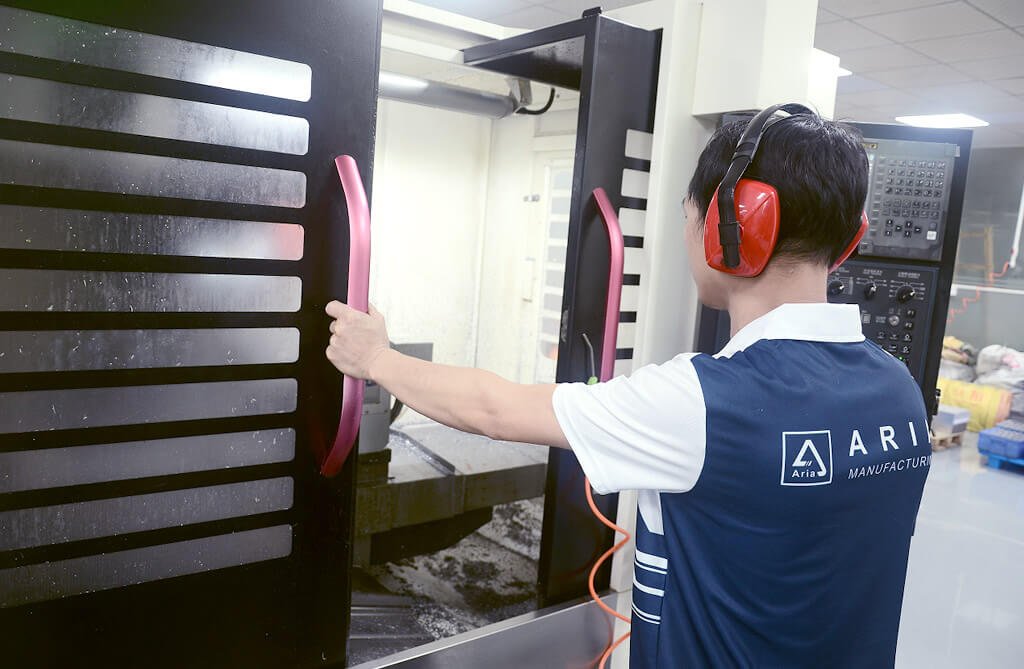
Compare materials for the loads, temperature and environment your part will face.
We review tool access, geometry and material choice before manufacturing.
Dimensional checks and inspection reports for the critical features on your drawing.
Use equipment suited to the grade processing window, approximately 360–400°C in the supplied guidance. Control crystallinity through molding and annealing. Reinforced grades are direction-dependent. Laser marking; limited coating options and plasma pretreatment for bonding. Electroplating is generally unsuitable.
Mold-transferred appearance depends on the resin and tool surface; gloss and texture do not specify a material-independent roughness.
Aerospace parts, semiconductor carriers, oil-and-gas seals, high-temperature bearings and gears, and selected medical or food-contact components with suitable grade approvals.
High-temperature injection molding; the supplied guidance gives mold temperatures around 170–200°C. CNC milling and turning often need stress-control and annealing.
Laser marking; limited coating options and plasma pretreatment for bonding. Electroplating is generally unsuitable.
Use equipment suited to the grade processing window, approximately 360–400°C in the supplied guidance. Control crystallinity through molding and annealing. Reinforced grades are direction-dependent.
Natural beige or light brown. Black; other colors are limited by grade.
Upload your CAD files and tell us the material and quantity you need.
Talk to an engineer