
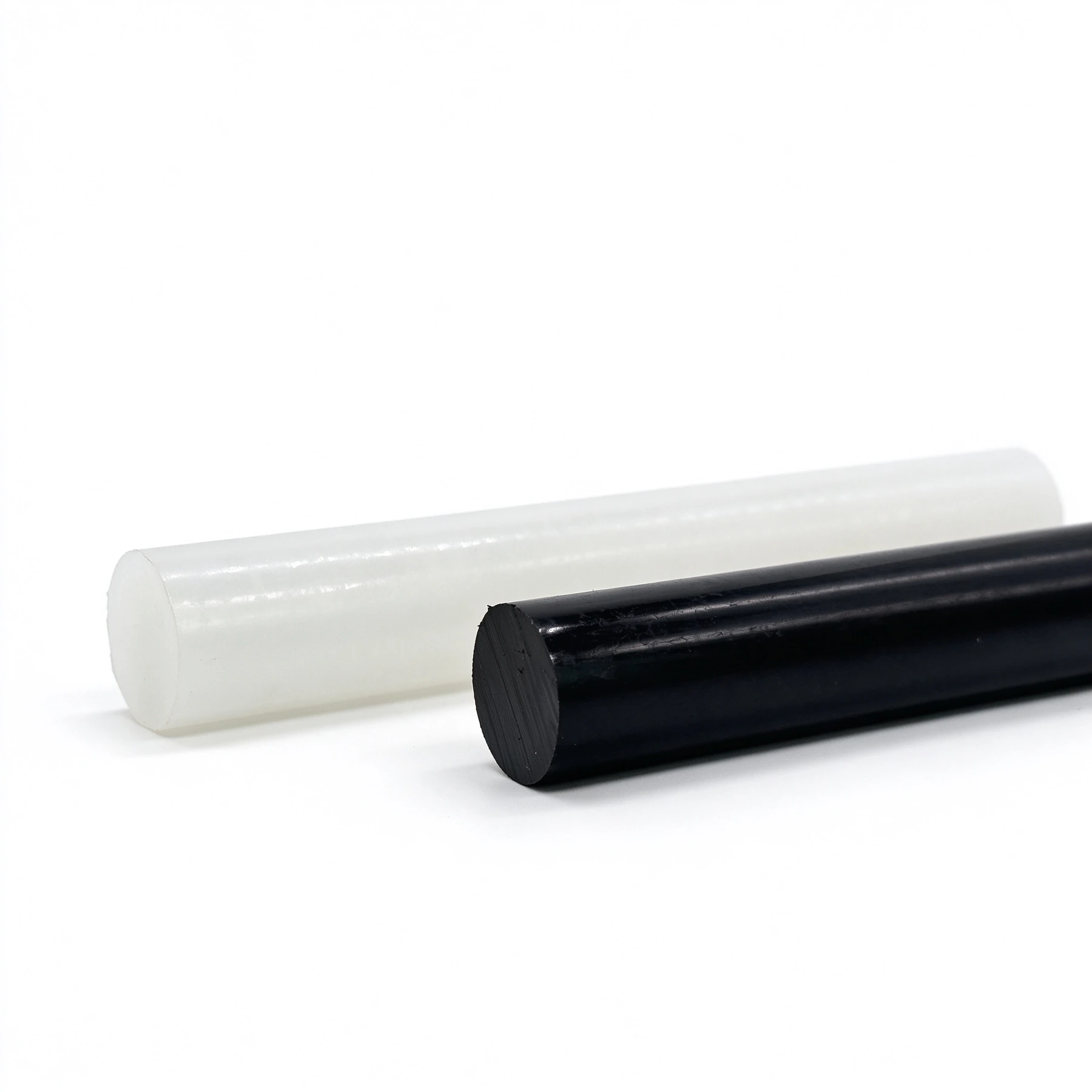
PET stock — view 01
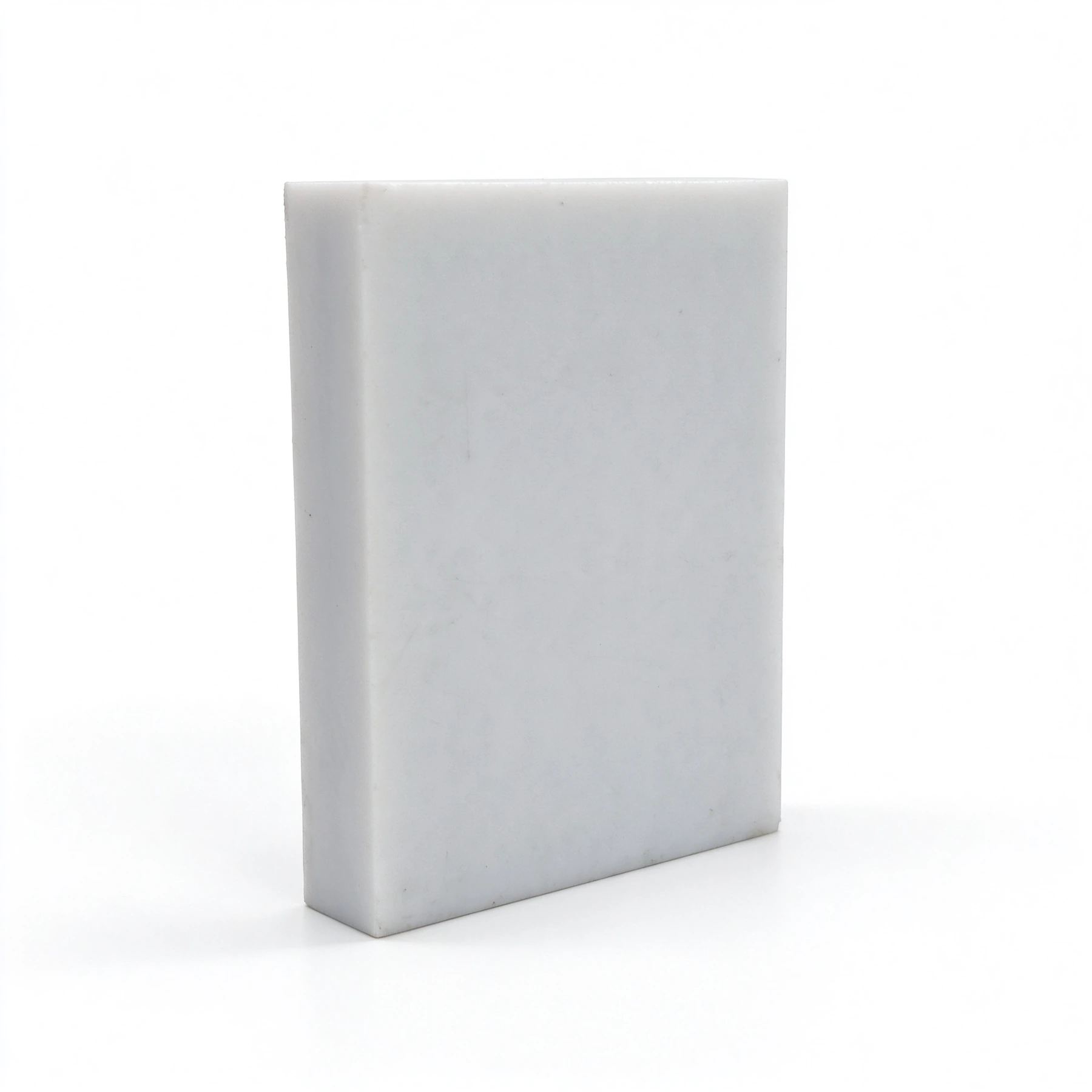
Engineering PET-P is a semi-crystalline polyester for dimensionally stable, wear-resistant machined components.
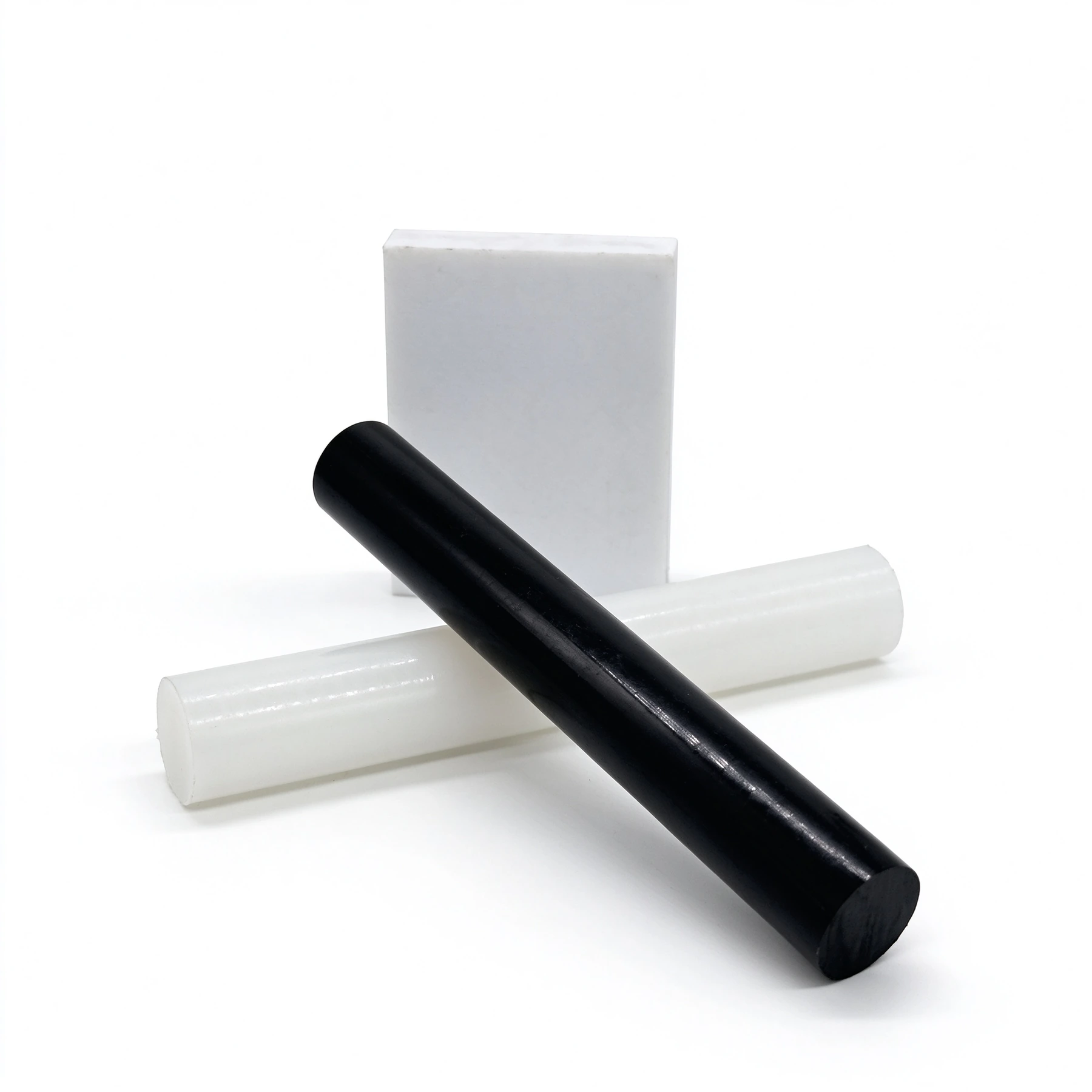

















For a machined PET component, bring the wear, stability and fit requirements to Aria’s review. We help you connect the selected stock grade to the drawing and intended use. Engineering PET-P and clear packaging grades are different choices, so identify the required grade rather than specifying PET without further detail.
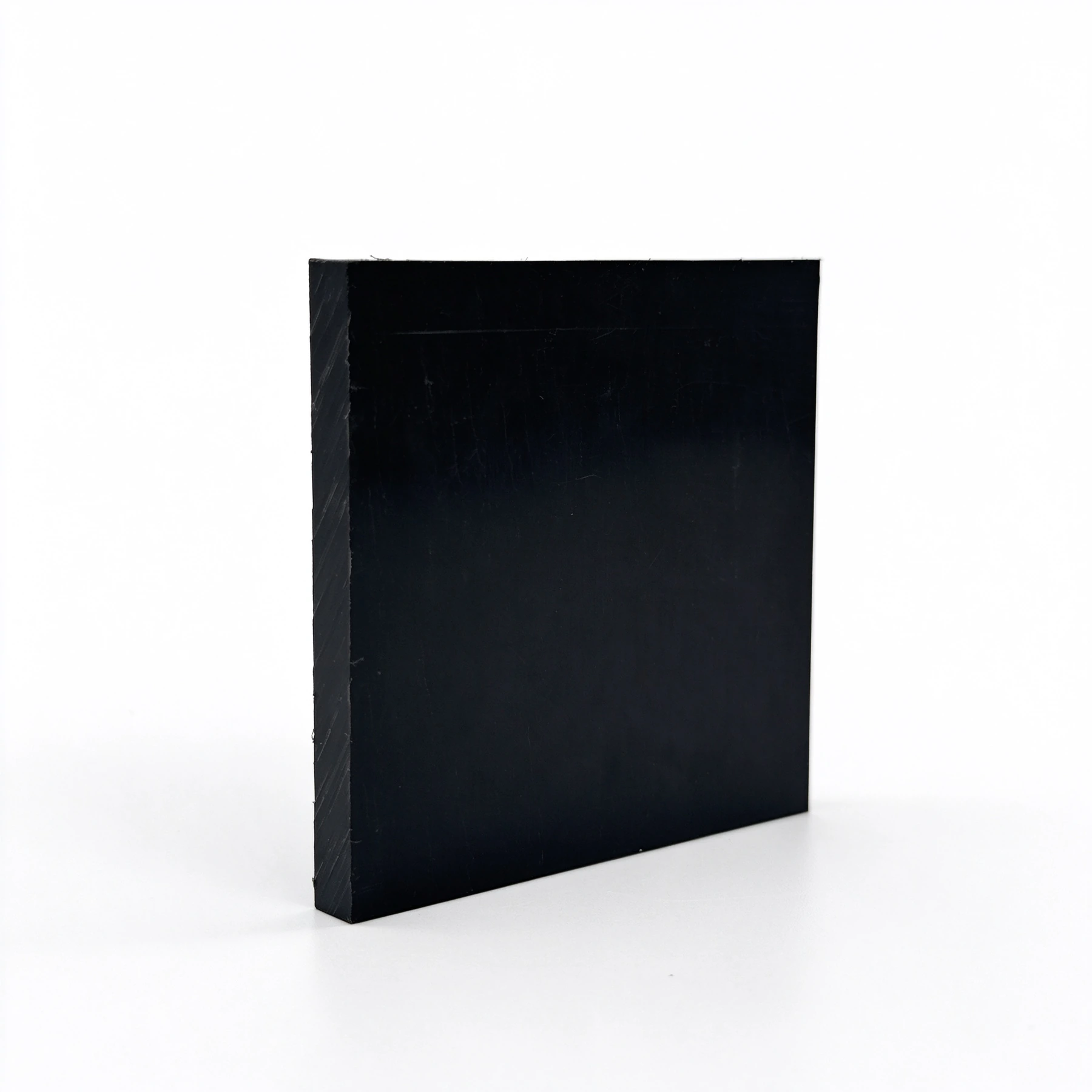
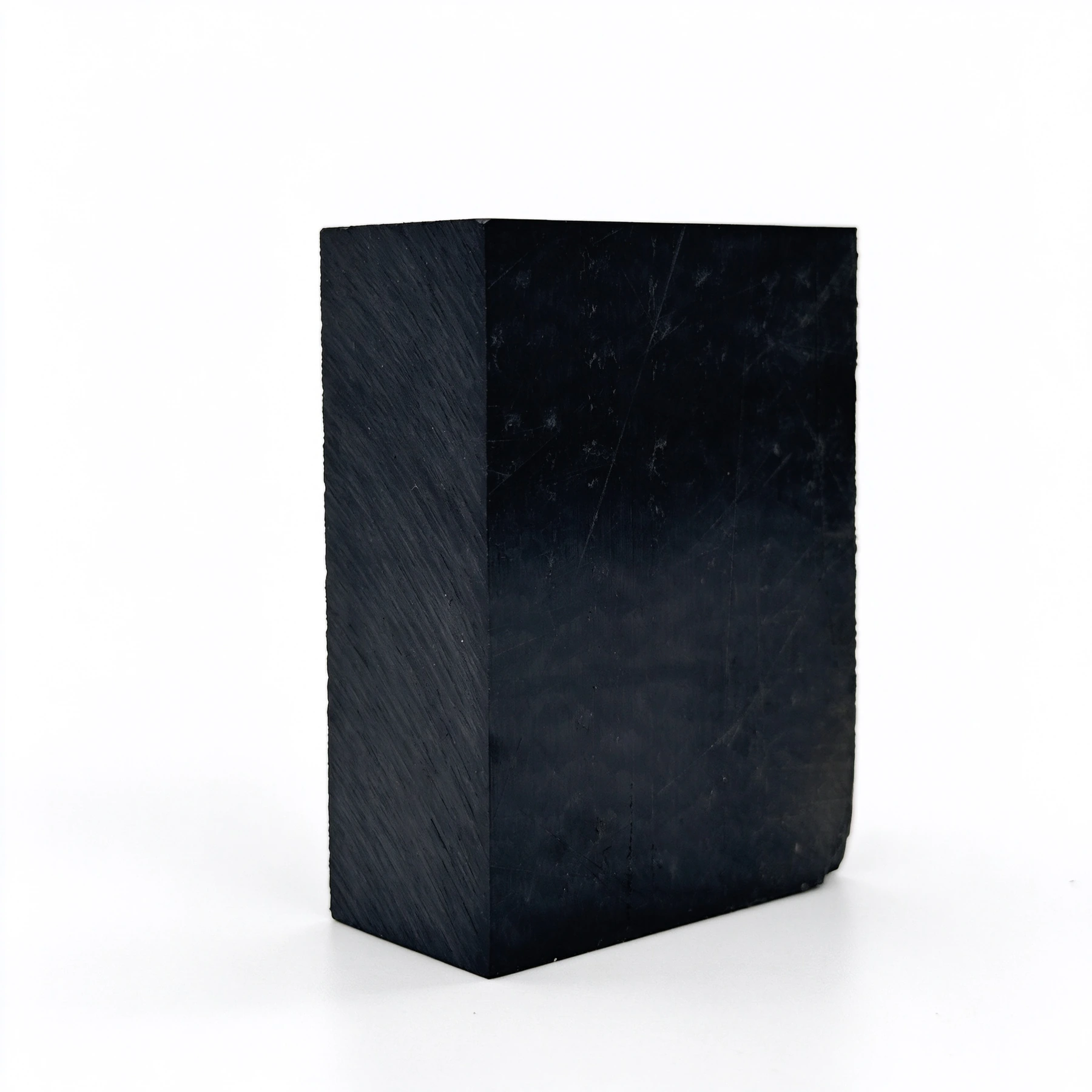
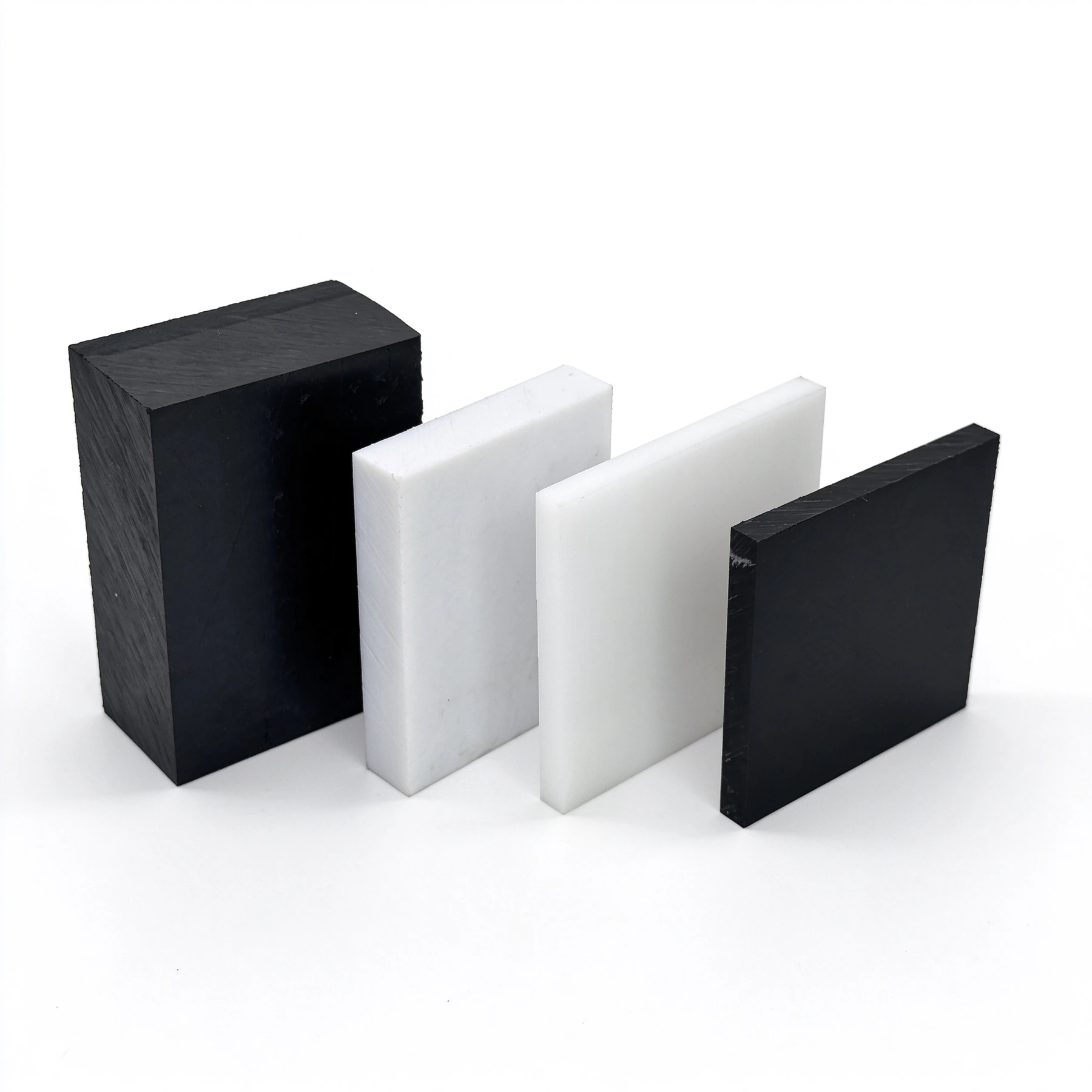
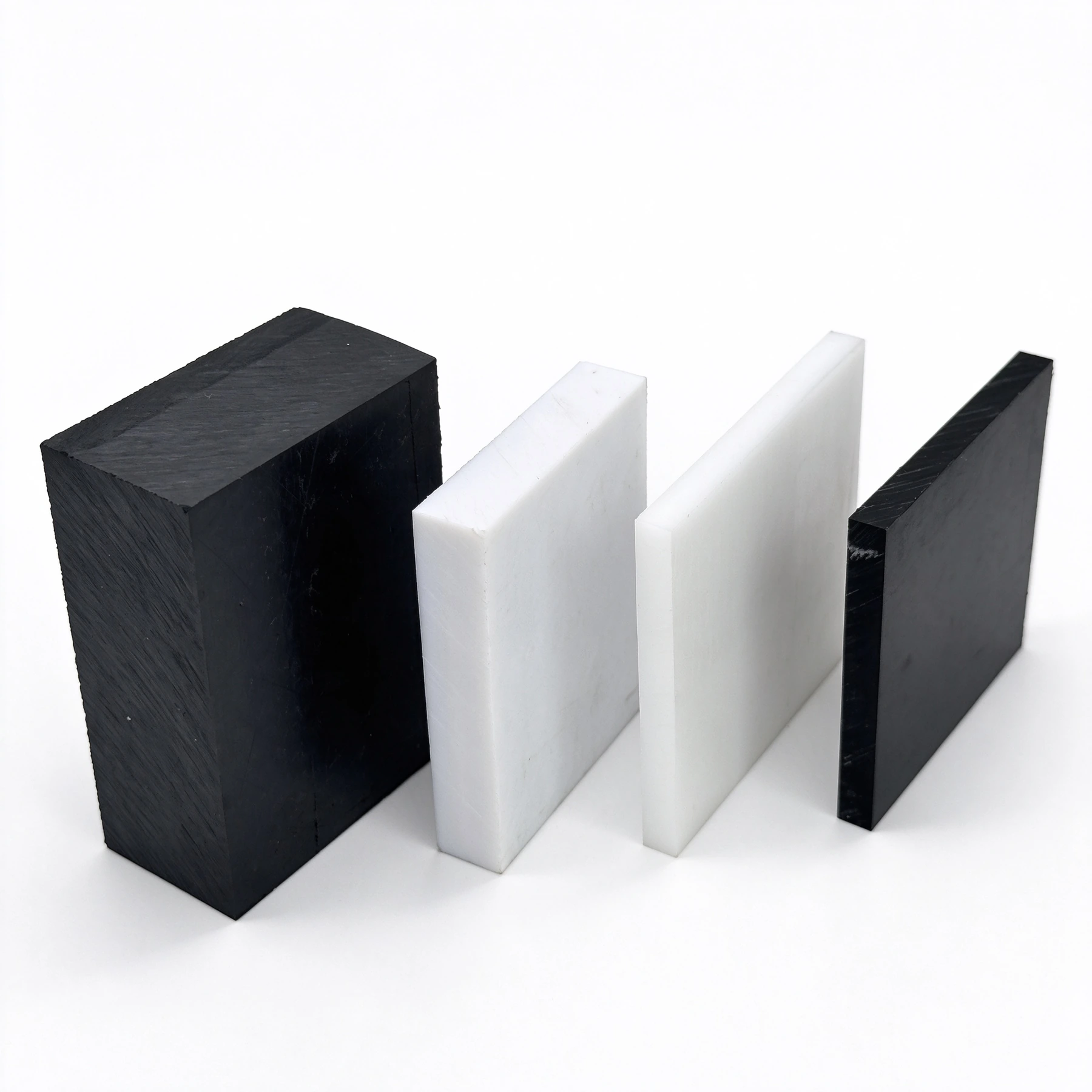
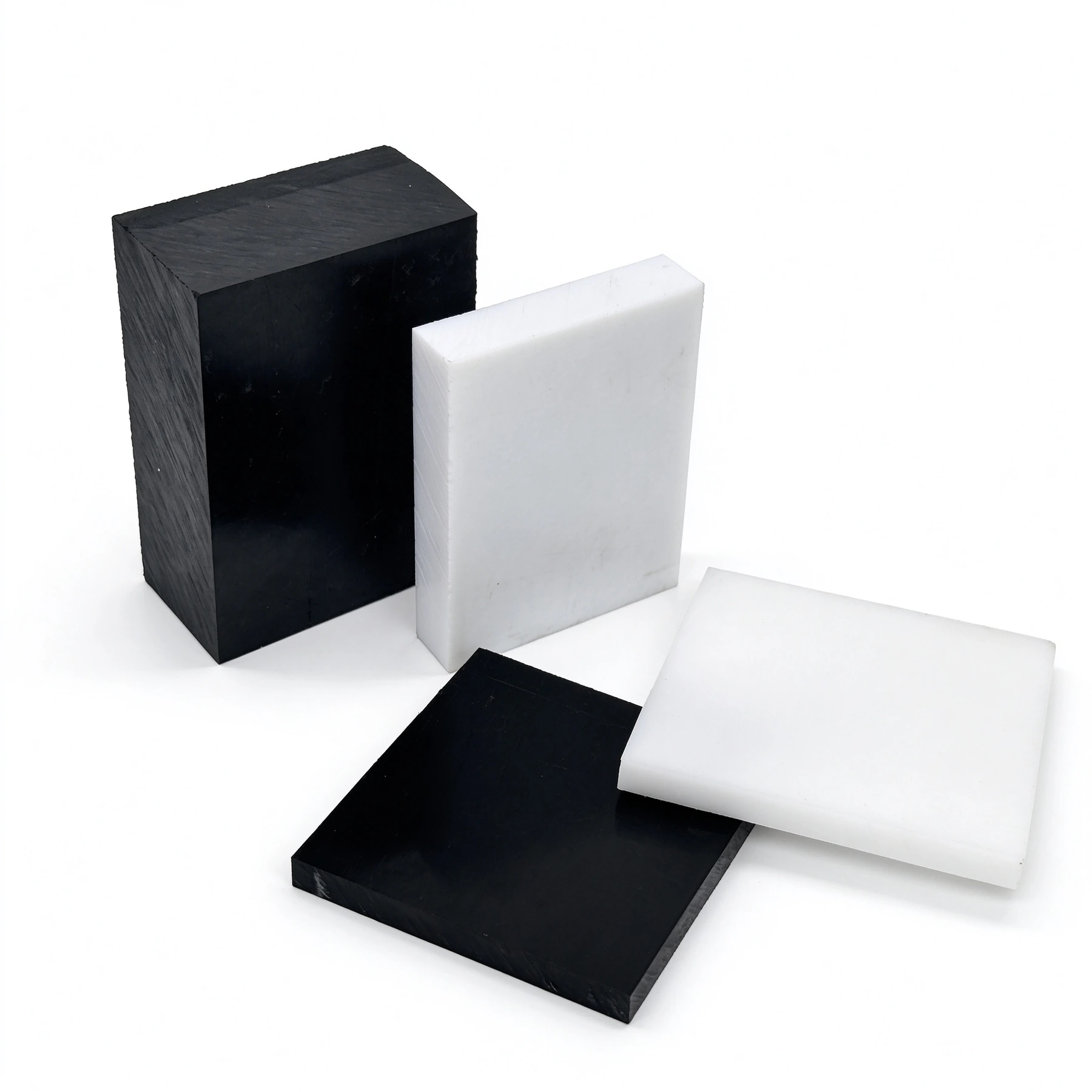
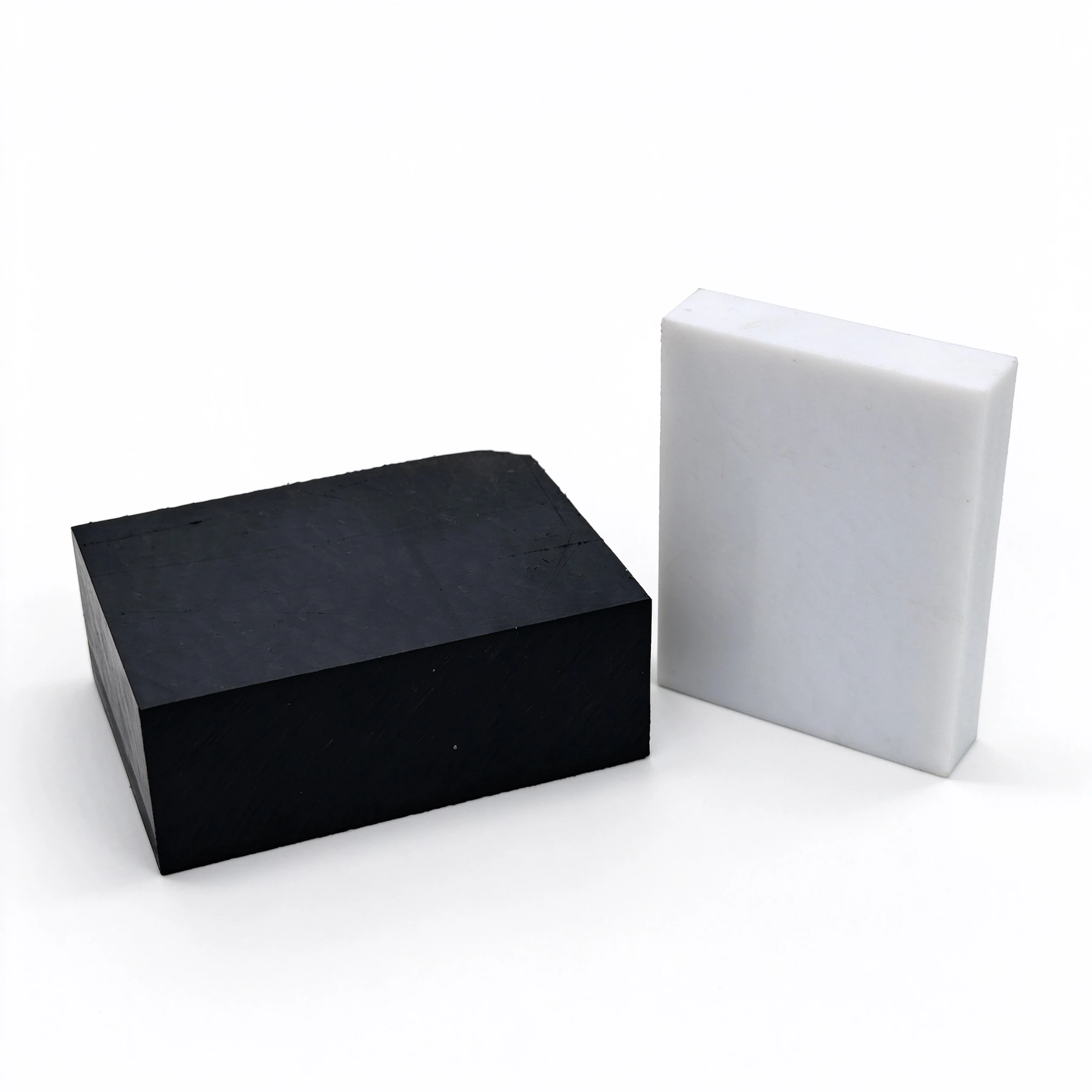
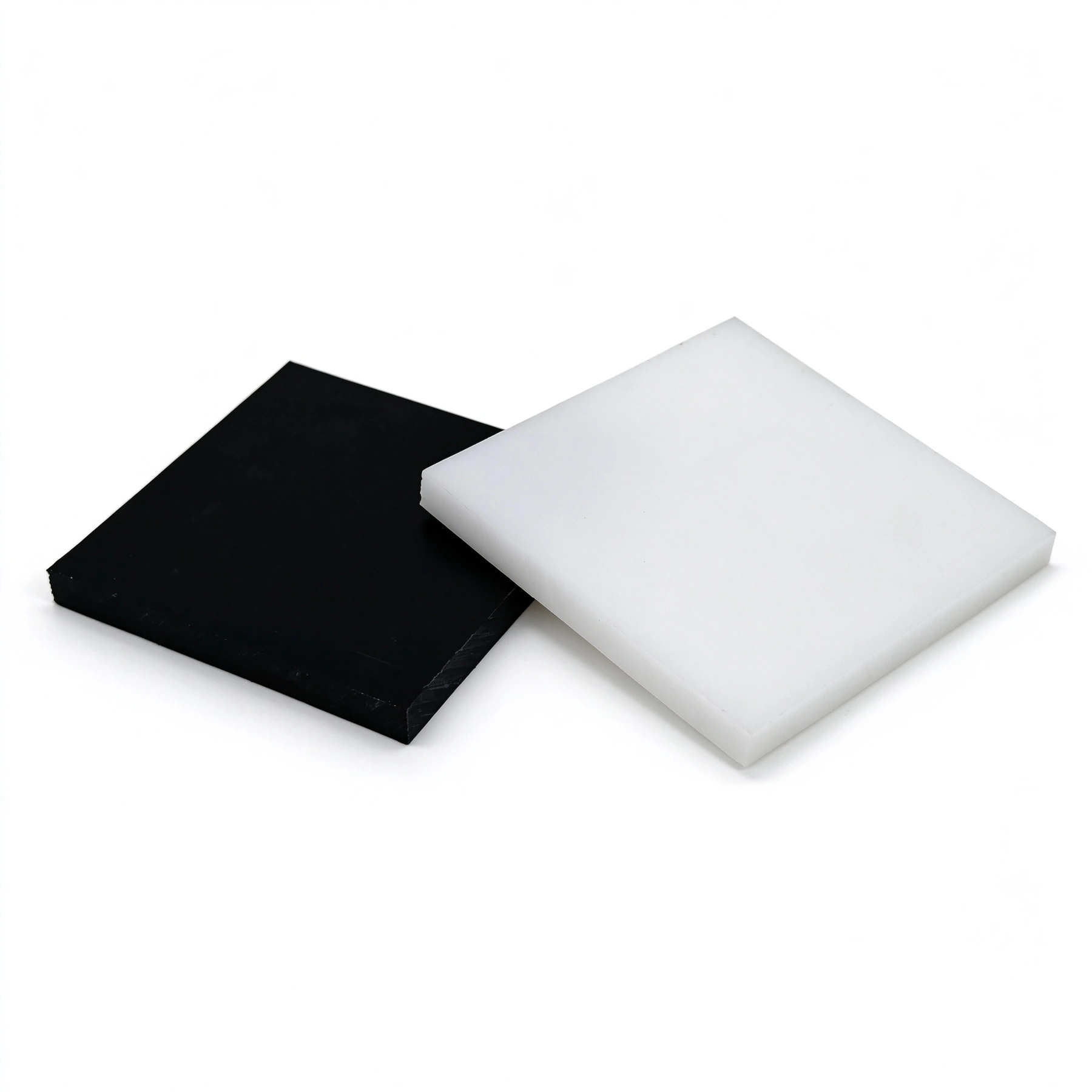
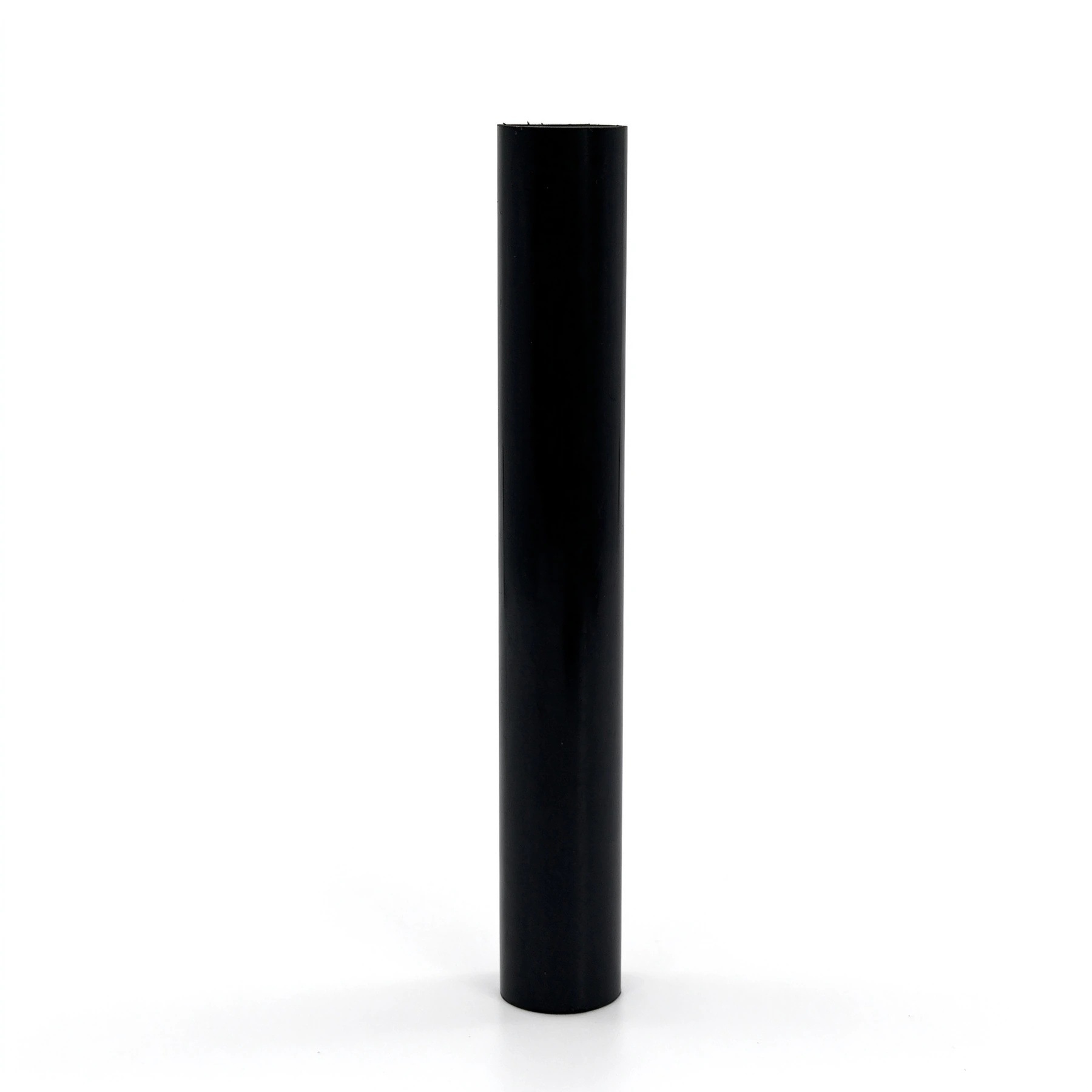
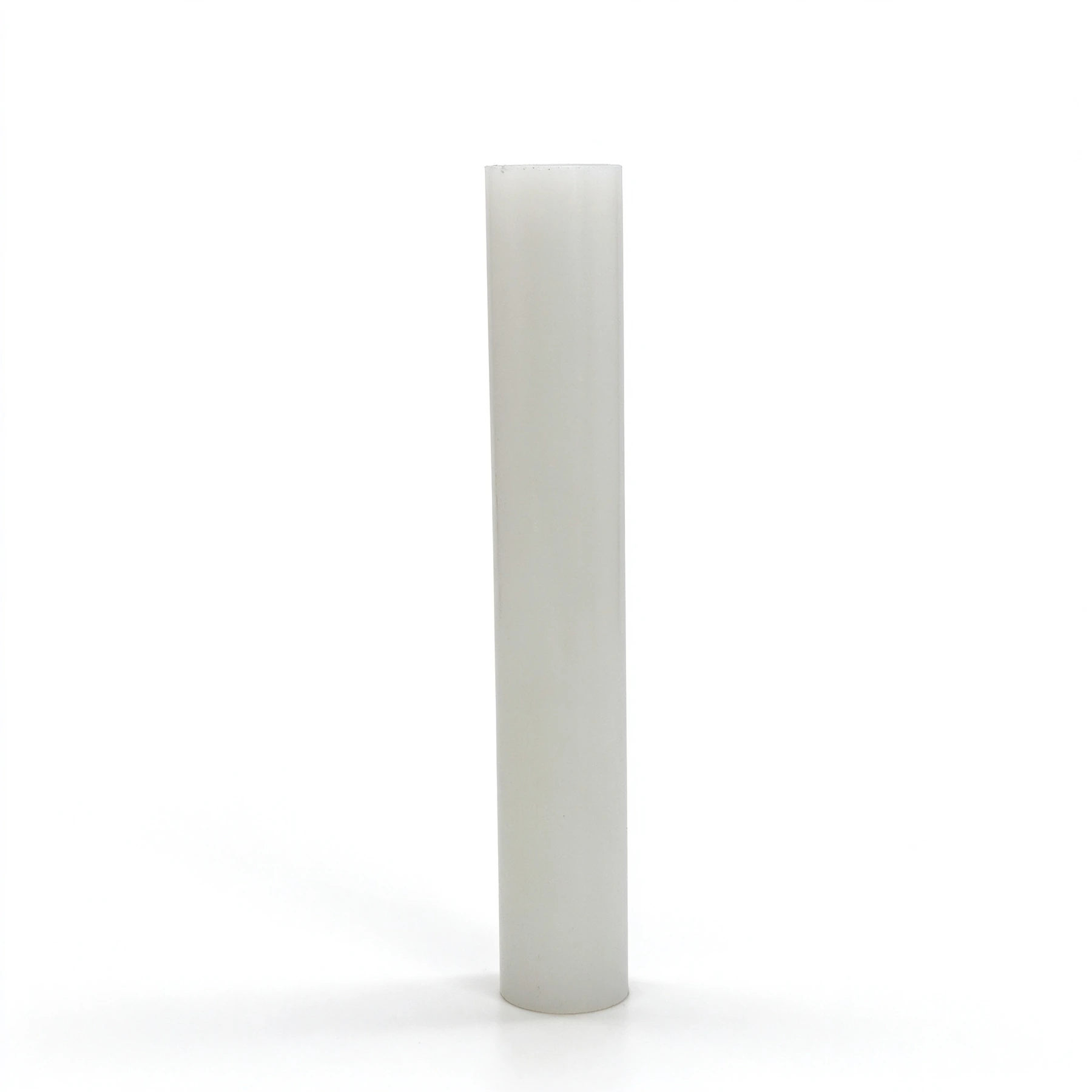
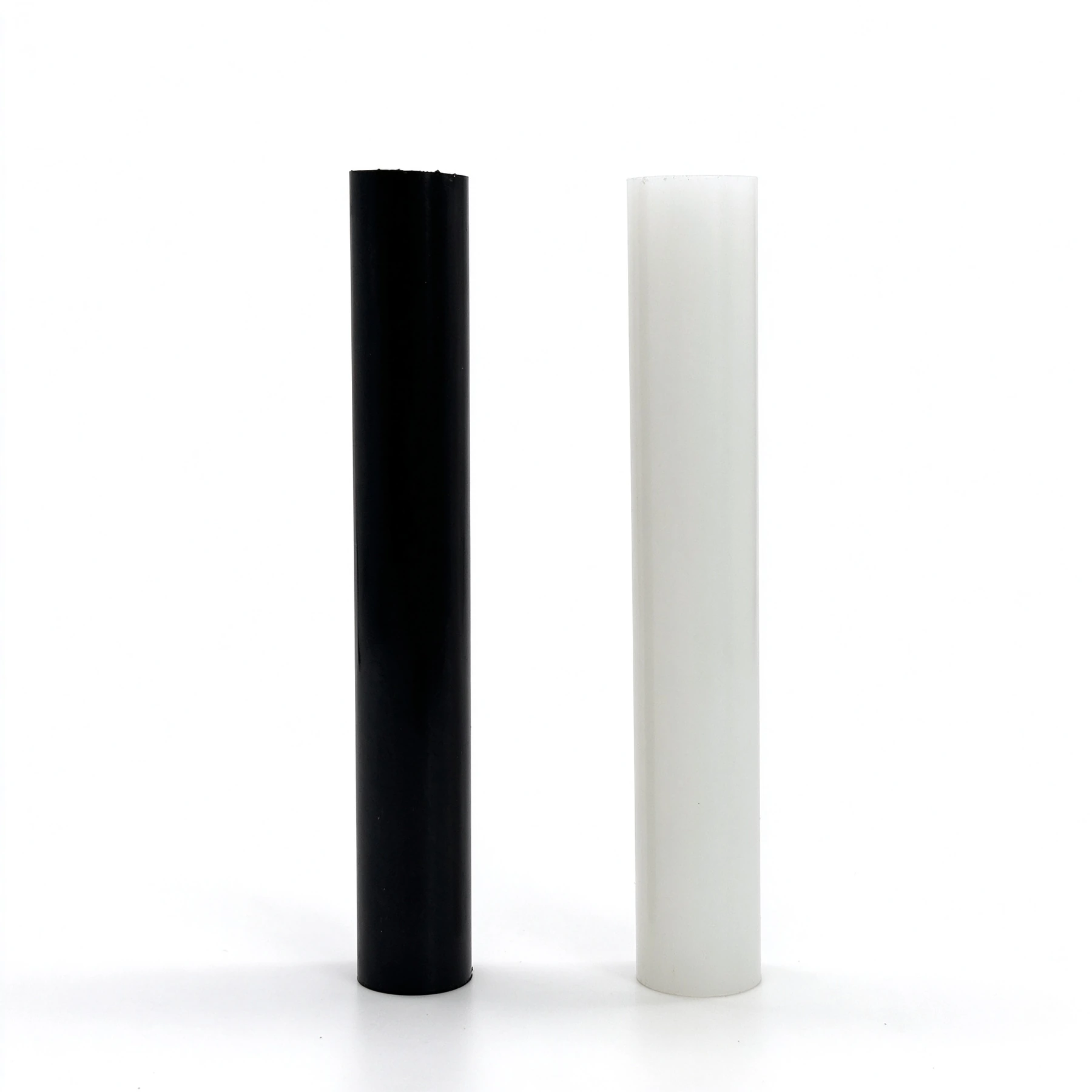
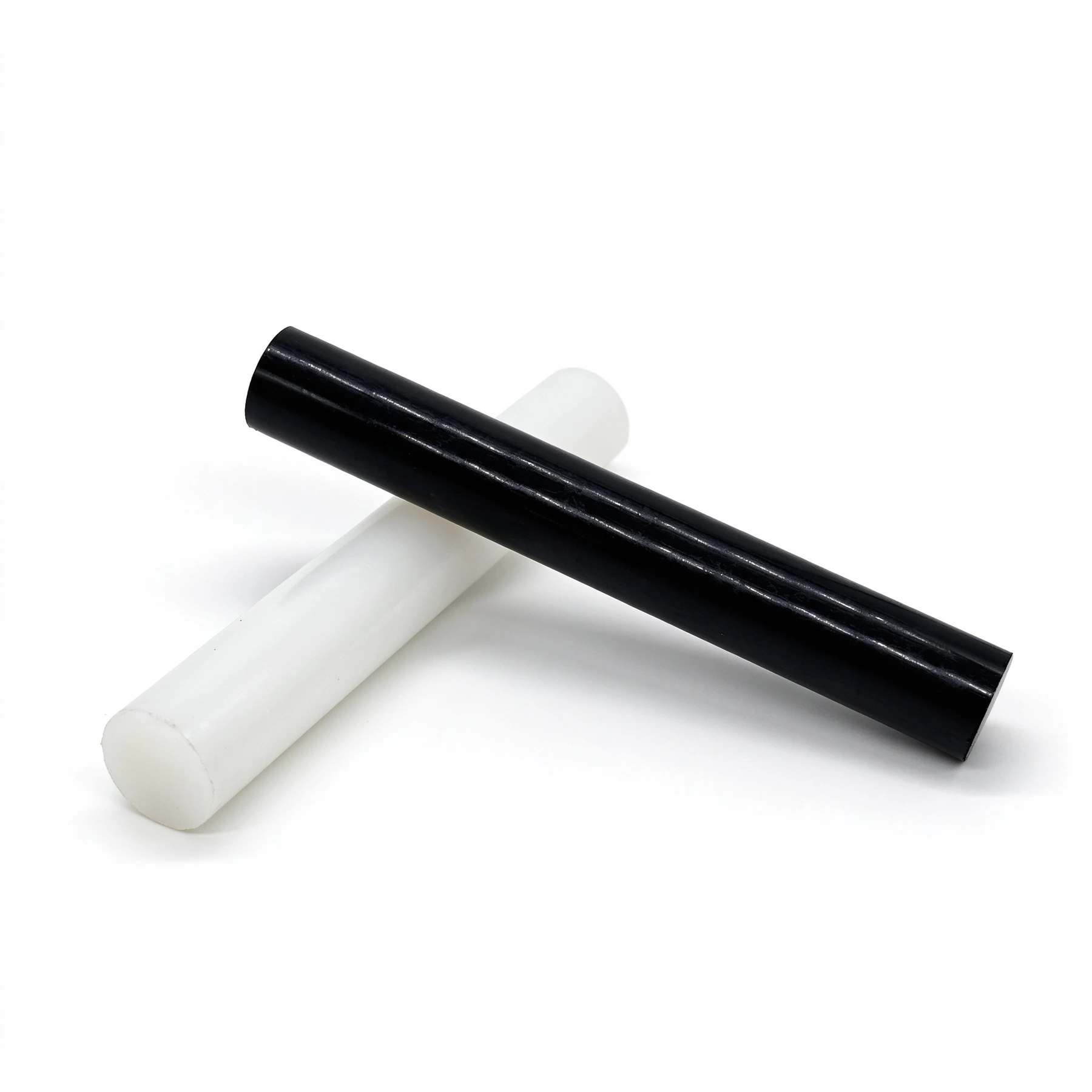
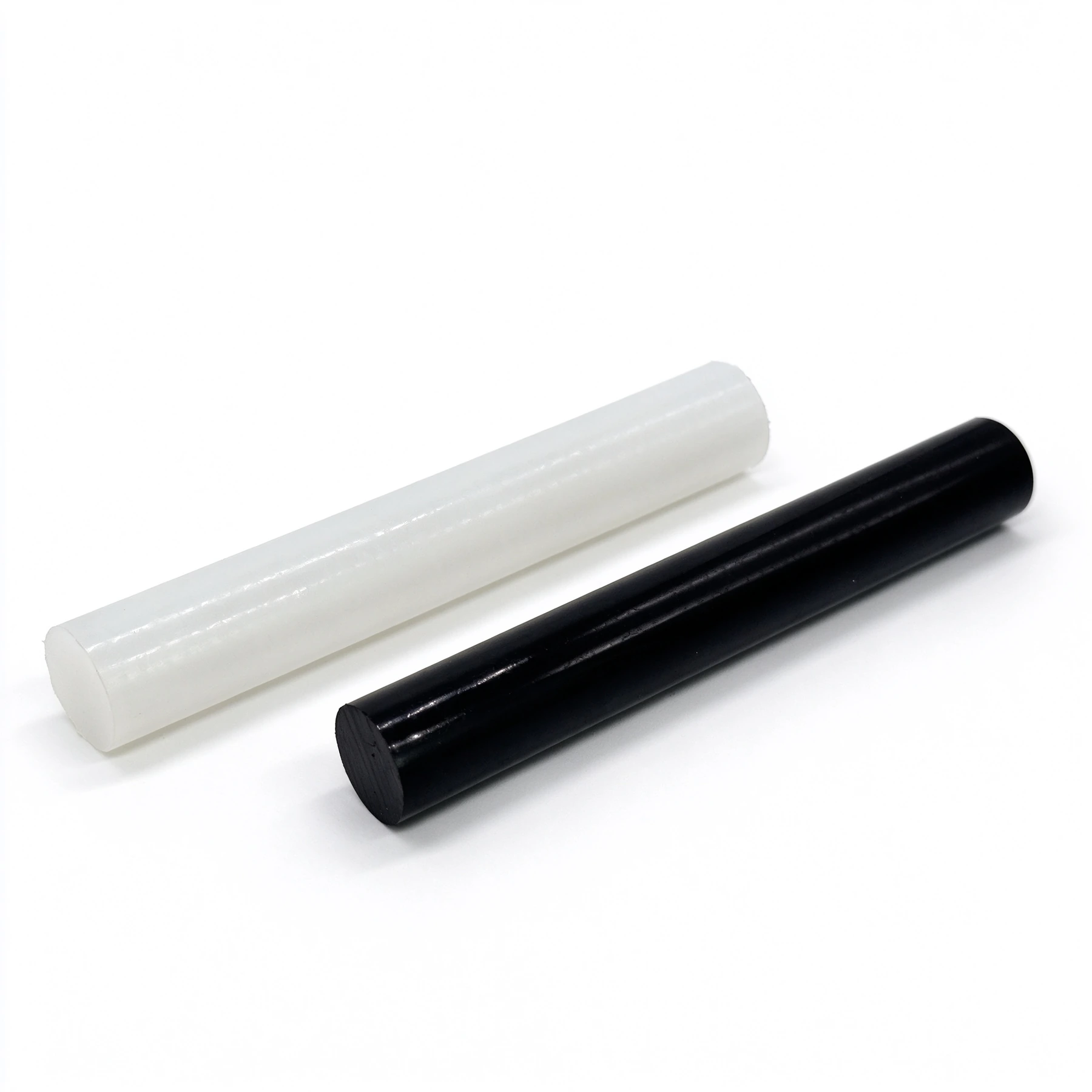
| Property | Details |
|---|---|
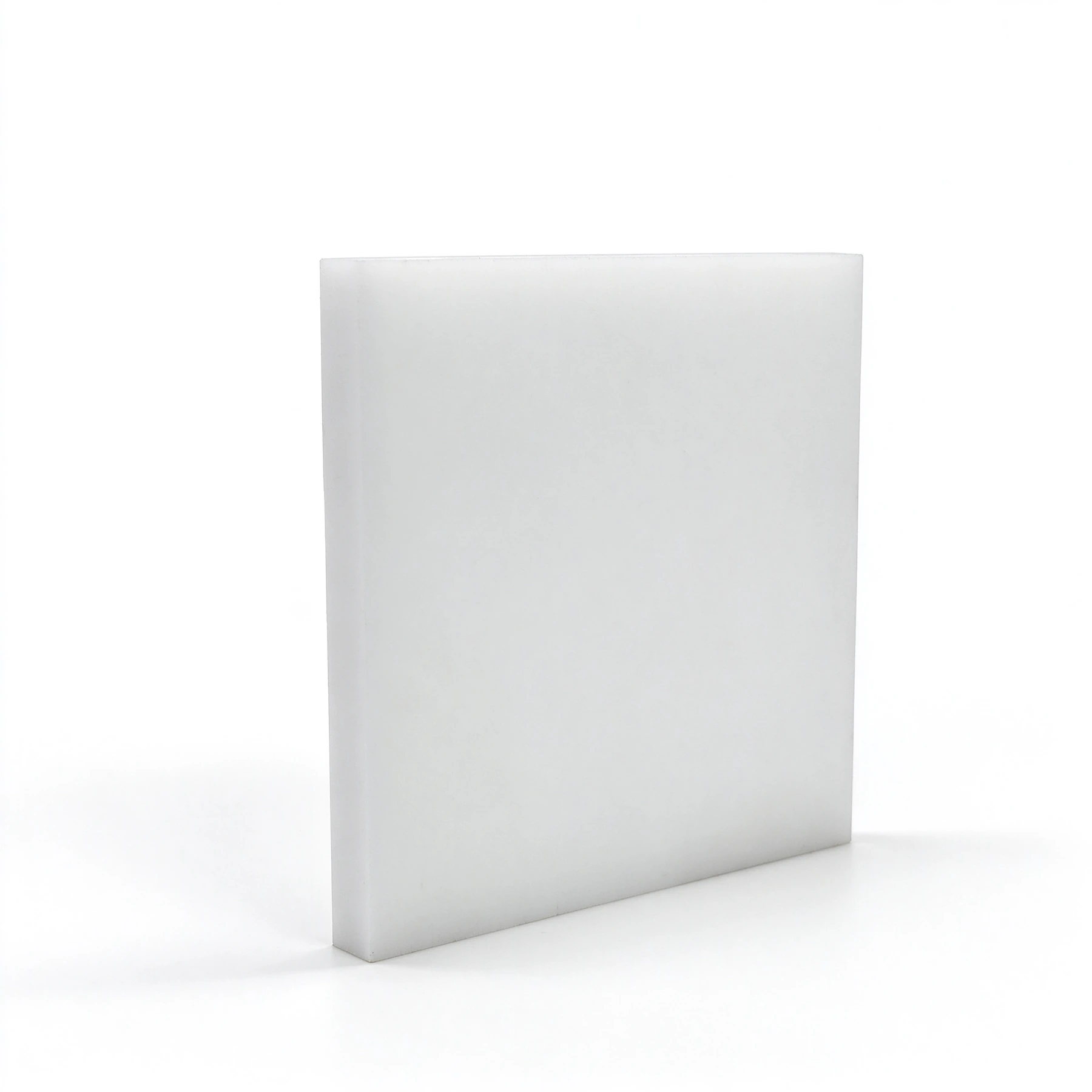
| Available variants | PET+GF30 Black, PET+GF30 White, PET Black, PET White |
| Colors | White, Black, Natural milky white |
| Special properties | PTFE-modified wear grades, glass-filled grades and approved food-contact grades require separate selection. |
Detailed values describe Ertalyte PET-P, semi-crystalline machining stock (2011). Family ranges are broader selection references and may include different grades or reinforcement levels. Confirm the selected grade, condition and test method for your part.
| Property | Metric | Imperial | Test method / conditions |
|---|---|---|---|
| Density | 1.39 g/cm³ | 0.0502 lb/in³ | ISO 1183 · 23°C · Reference: Ertalyte PET-P, semi-crystalline machining stock (2011) |
| Water Absorption (24 hr) | 0.07 % | 0.07 % | ISO 62 · 24-hour water immersion · Reference: Ertalyte PET-P, semi-crystalline machining stock (2011) |
| Tensile Stress at Yield | 90 MPa | 13,050 psi | ISO 527 · 50 mm/min · Reference: Ertalyte PET-P, semi-crystalline machining stock (2011) |
| Tensile Modulus | 3,500 MPa | 508,000 psi | ISO 527 · 1 mm/min · Reference: Ertalyte PET-P, semi-crystalline machining stock (2011) |
| Tensile Strain at Break | 15 % | 15 % | ISO 527 · 50 mm/min · Reference: Ertalyte PET-P, semi-crystalline machining stock (2011) |
| Compressive Stress at 5% | 107 MPa | 15,500 psi | ISO 604 · 23°C · Reference: Ertalyte PET-P, semi-crystalline machining stock (2011) |
| Charpy notched impact (23°C) | 2 kJ/m² | 0.95 ft·lb/in² | ISO 179/1eA · 23°C · Reference: Ertalyte PET-P, semi-crystalline machining stock (2011) |
| Charpy Unnotched | 50 kJ/m² | 24 ft·lb/in² | ISO 179/1eU · 23°C · Reference: Ertalyte PET-P, semi-crystalline machining stock (2011) |
| Ball Indentation Hardness | 170 N/mm² | 170 N/mm² | ISO 2039-1 · Reference: Ertalyte PET-P, semi-crystalline machining stock (2011) |
| Rockwell Hardness | M96 (M scale) | M96 (M scale) | ISO 2039-2 · Reference: Ertalyte PET-P, semi-crystalline machining stock (2011) |
| HDT (1.80 MPa) | 80 °C | 176 °F | ISO 75-1/-2 · 1.80 MPa · Reference: Ertalyte PET-P, semi-crystalline machining stock (2011) |
| Melting Temperature | 245 °C | 473 °F | ISO 11357 · Reference: Ertalyte PET-P, semi-crystalline machining stock (2011) |
| Oxygen Index | 25 % | 25 % | ISO 4589 · Reference: Ertalyte PET-P, semi-crystalline machining stock (2011) |
| Flammability | HB (UL94) | HB (UL94) | UL 94 · 3/6 mm · Reference: Ertalyte PET-P, semi-crystalline machining stock (2011) |
| Property | Family reference |
|---|---|
| Material class | Engineering plastic |
| Density (g/cm³) | 1.30–1.40 |
| Tensile strength (MPa) | 55–90 |
| Elongation at break (%) | 15–300 |
| Elastic modulus (GPa) | 2.8–3.5 |
| Hardness | M94–M100 |
| Temperature reference (°C) | HDT 70–210 |
CNC milling and turning of engineering stock; injection molding requires thorough drying. Protect notched features from impact. Dry before molding to limit hydrolysis, and avoid prolonged strong-alkali, hot-water or steam exposure.
Good stiffness, low moisture uptake, creep resistance and machinability, with low friction and useful resistance to weak acids.
Low notch-impact resistance and limited tolerance of strong alkalis or prolonged hot water and steam. Do not substitute APET properties for PET-P.
Compare materials for the loads, temperature and environment your part will face.
We review tool access, geometry and material choice before manufacturing.
Dimensional checks and inspection reports for the critical features on your drawing.
Protect notched features from impact. Dry before molding to limit hydrolysis, and avoid prolonged strong-alkali, hot-water or steam exposure. Laser marking, printing and qualified bonding. Electroplating is generally unsuitable.
Precision gears, bearings, slides, pump and valve components, electrical insulators and selected food-machinery parts.
CNC milling and turning of engineering stock; injection molding requires thorough drying.
Laser marking, printing and qualified bonding. Electroplating is generally unsuitable.
Protect notched features from impact. Dry before molding to limit hydrolysis, and avoid prolonged strong-alkali, hot-water or steam exposure.
Natural milky white or off-white. Black and grade-dependent colors; APET transparency does not describe PET-P.
Upload your CAD files and tell us the material and quantity you need.
Talk to an engineer