
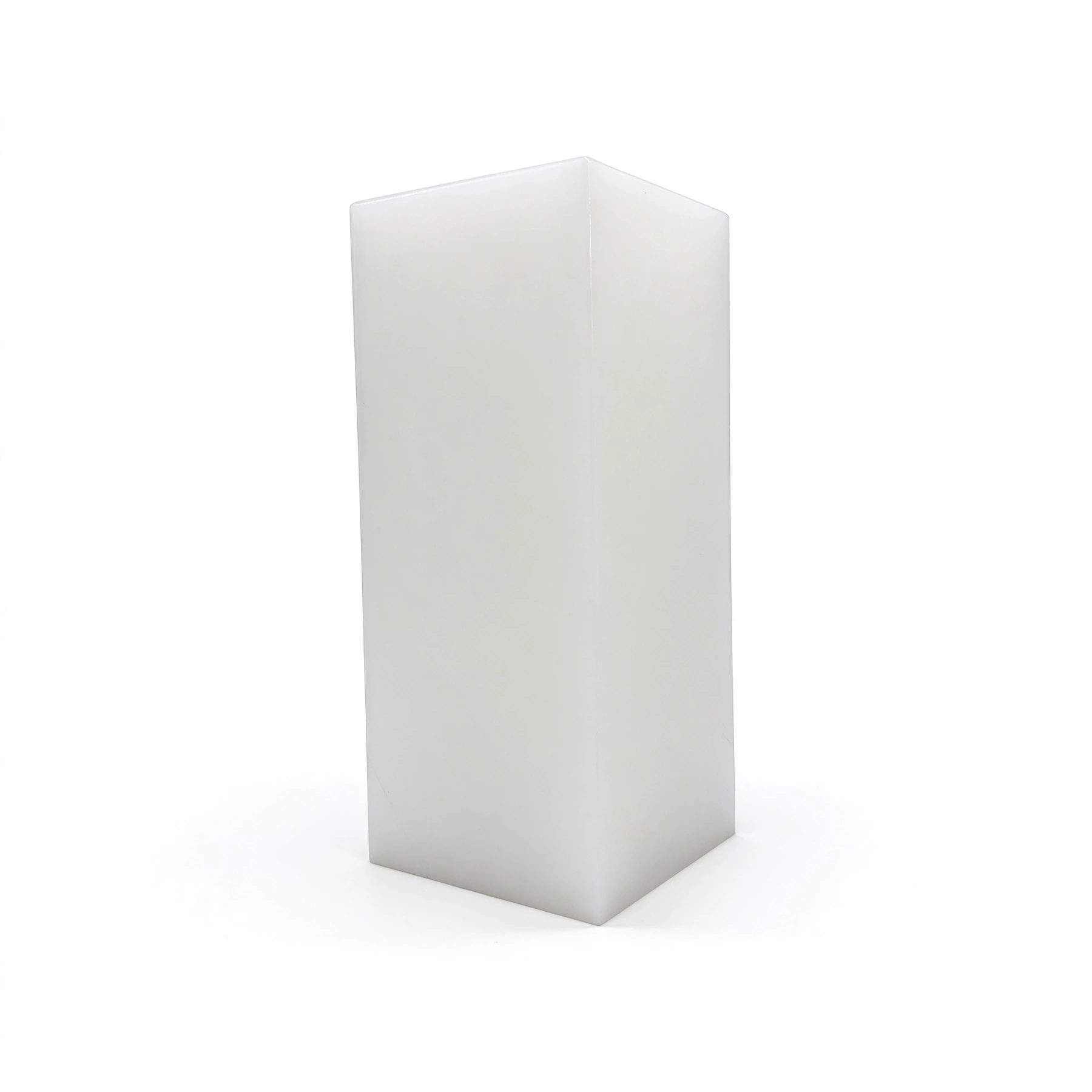
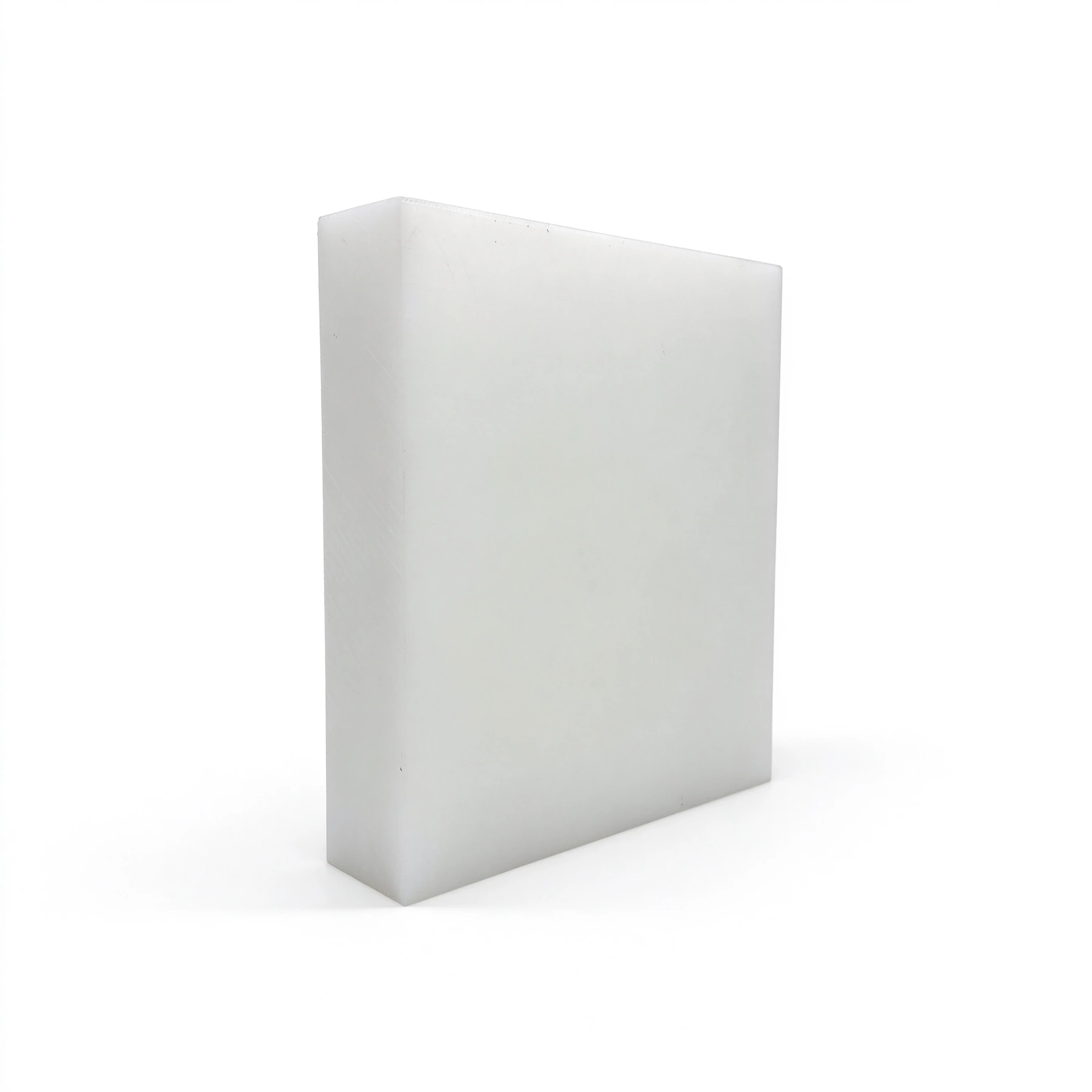
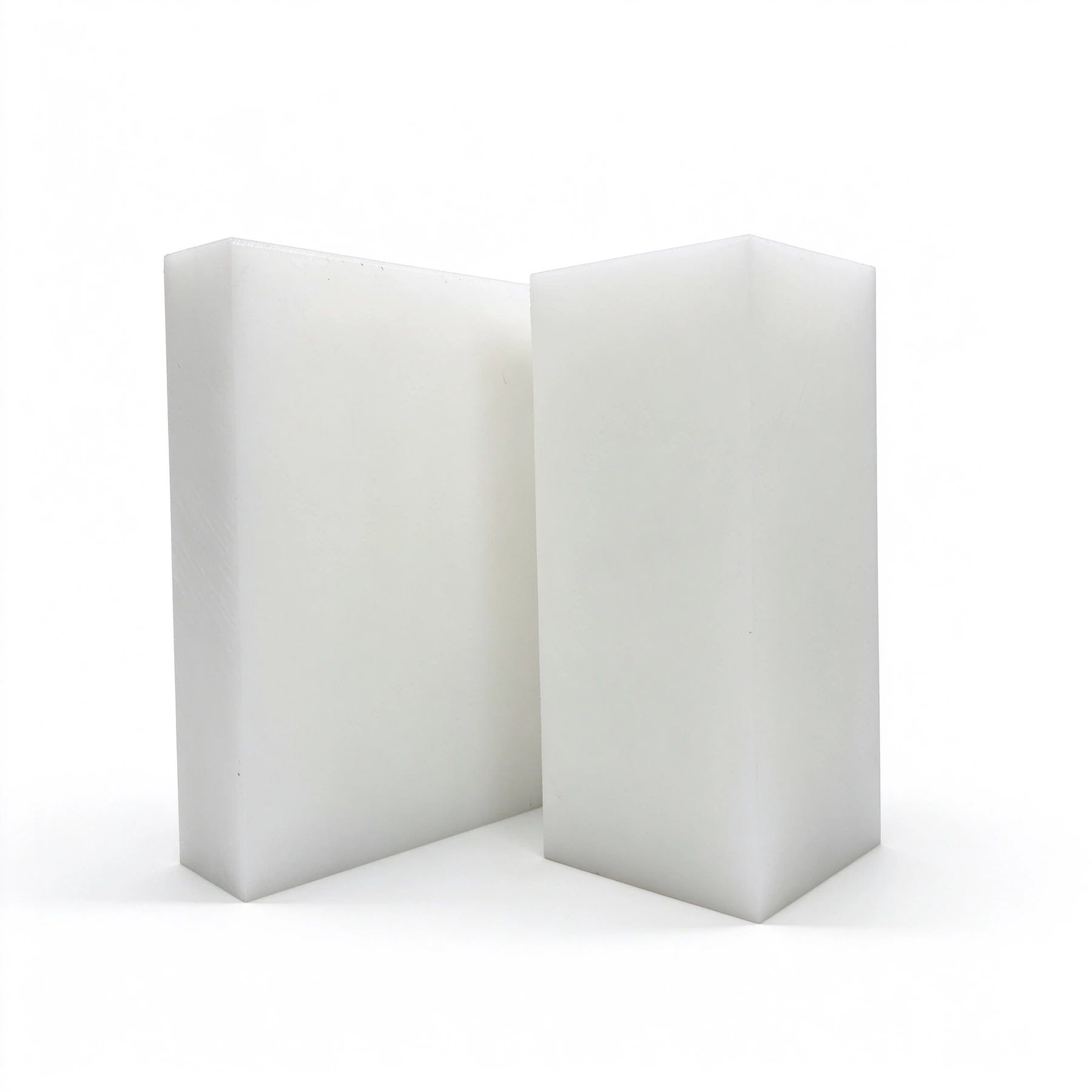
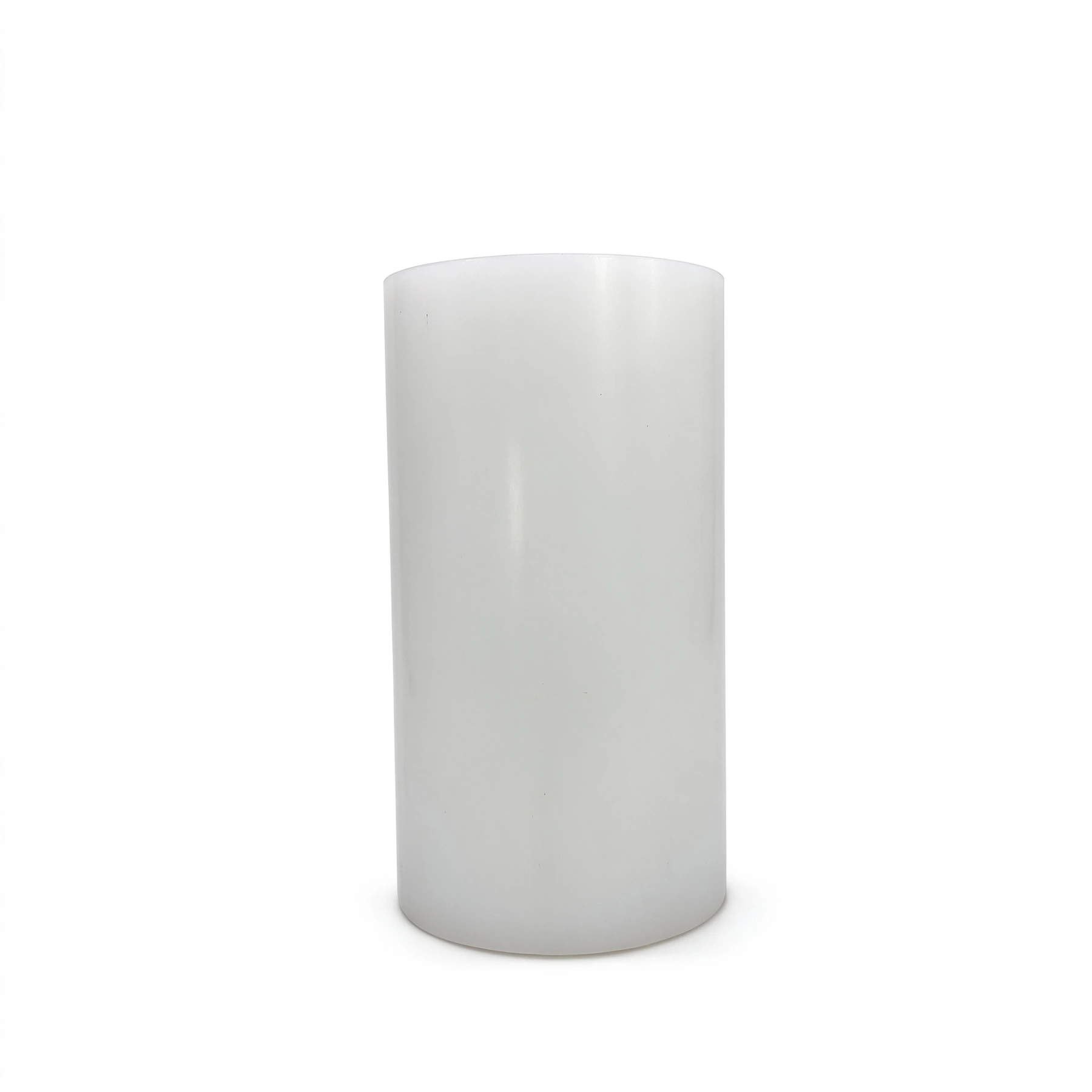
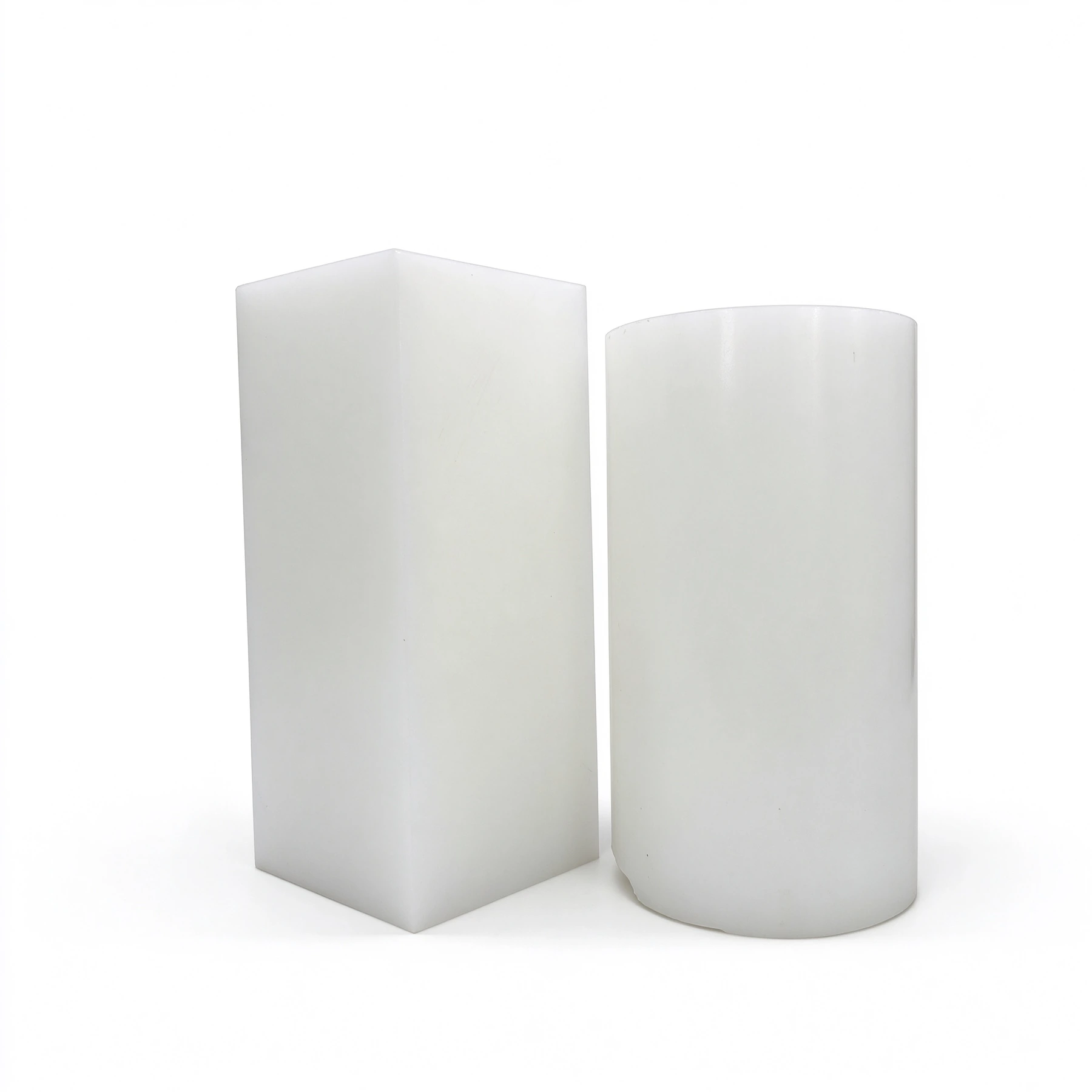
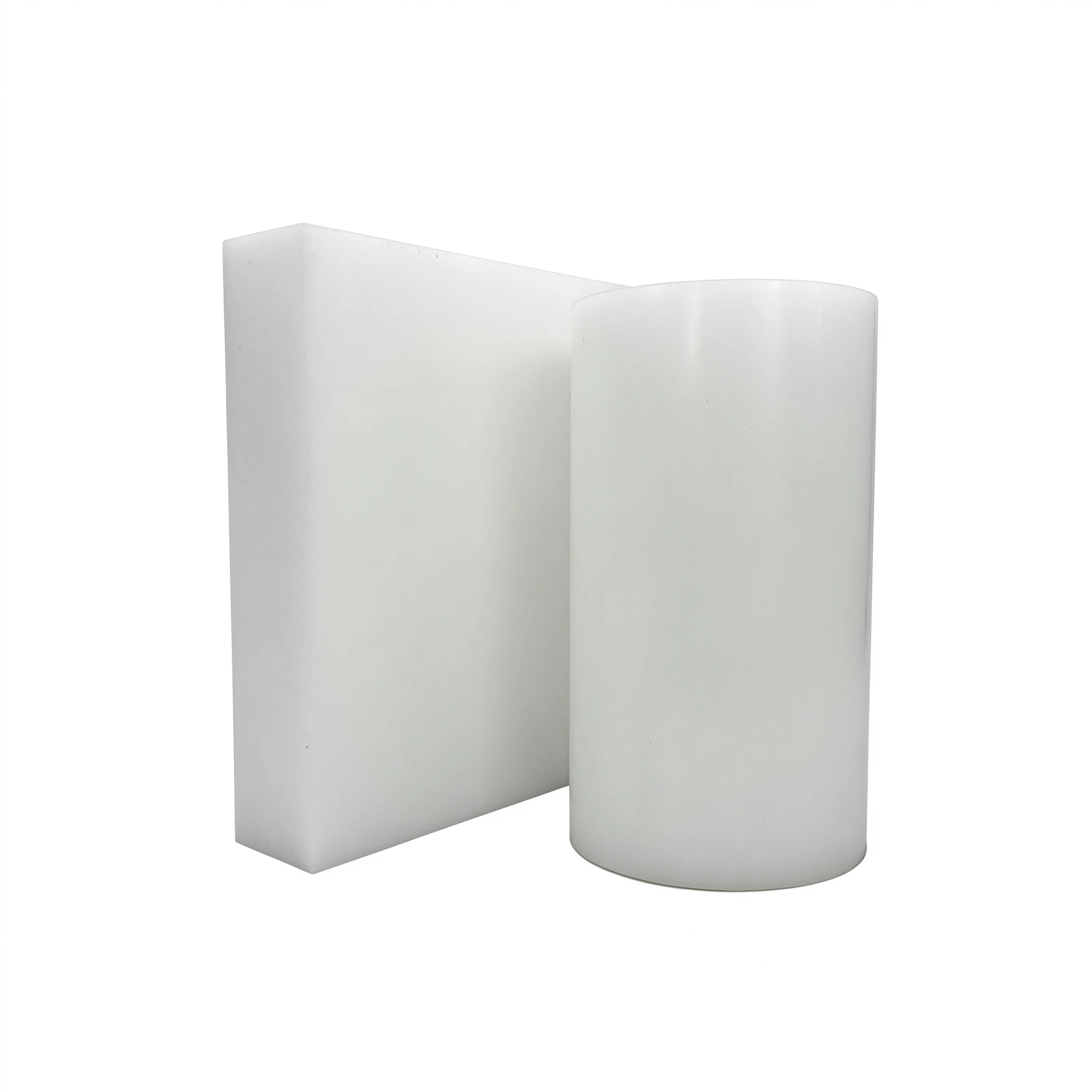
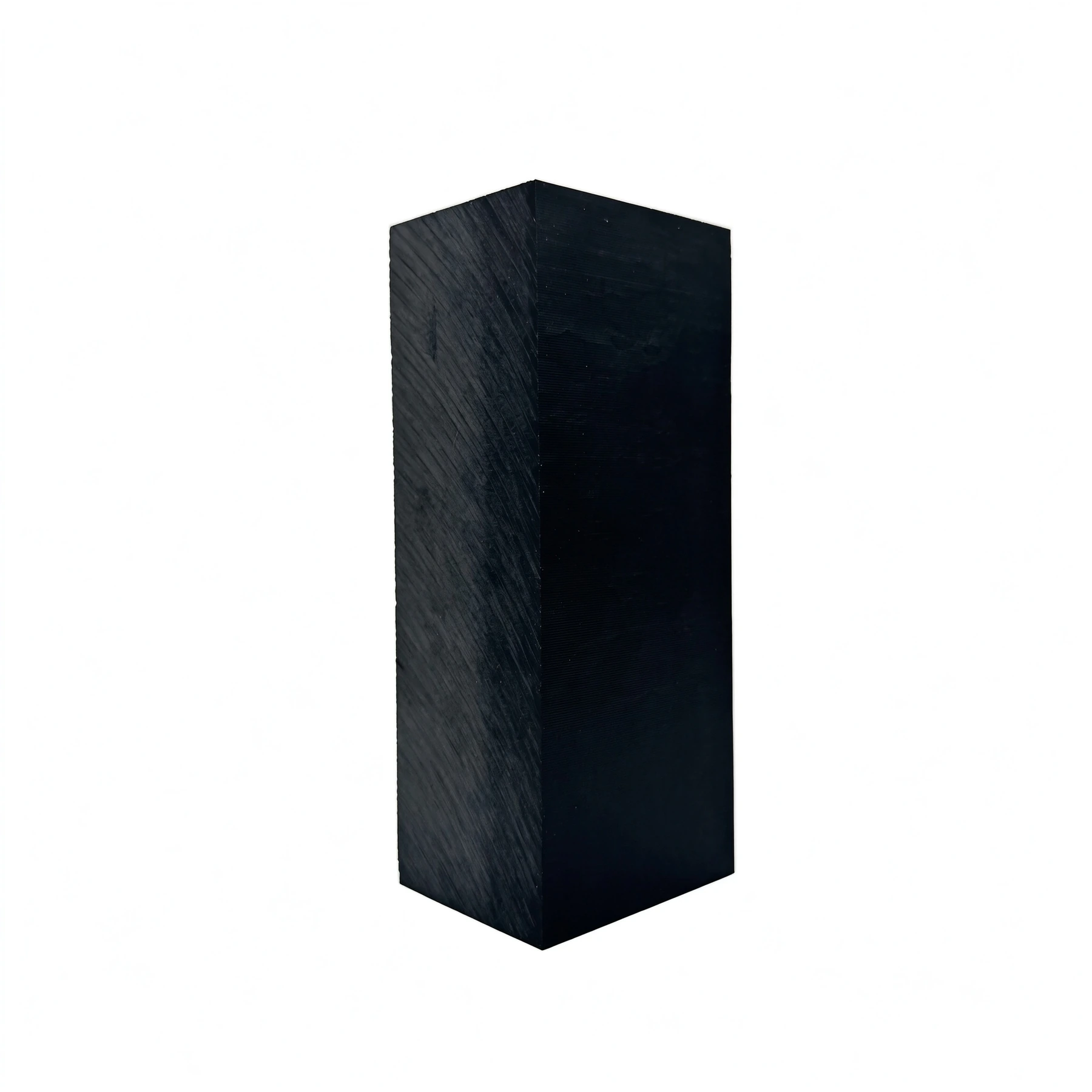
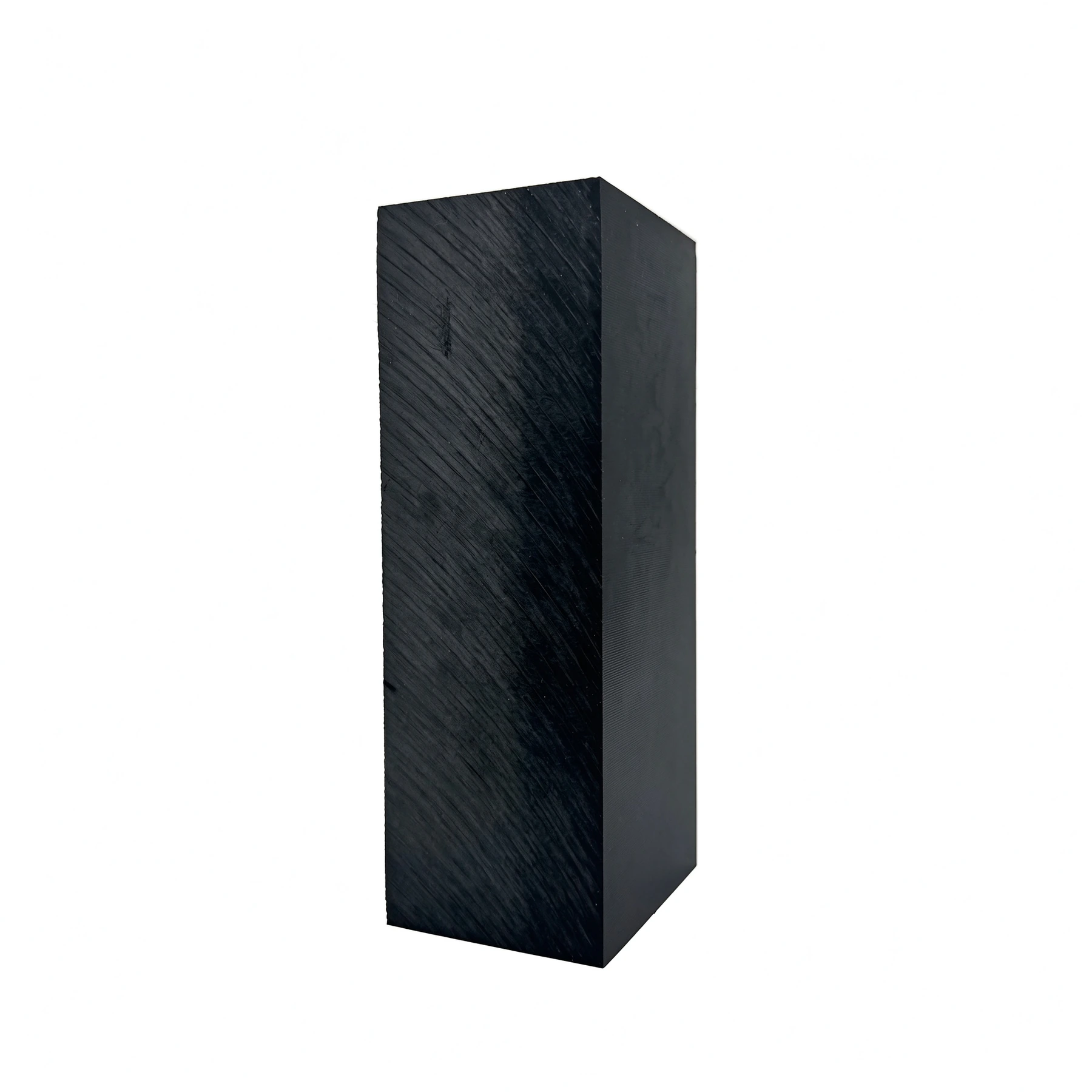
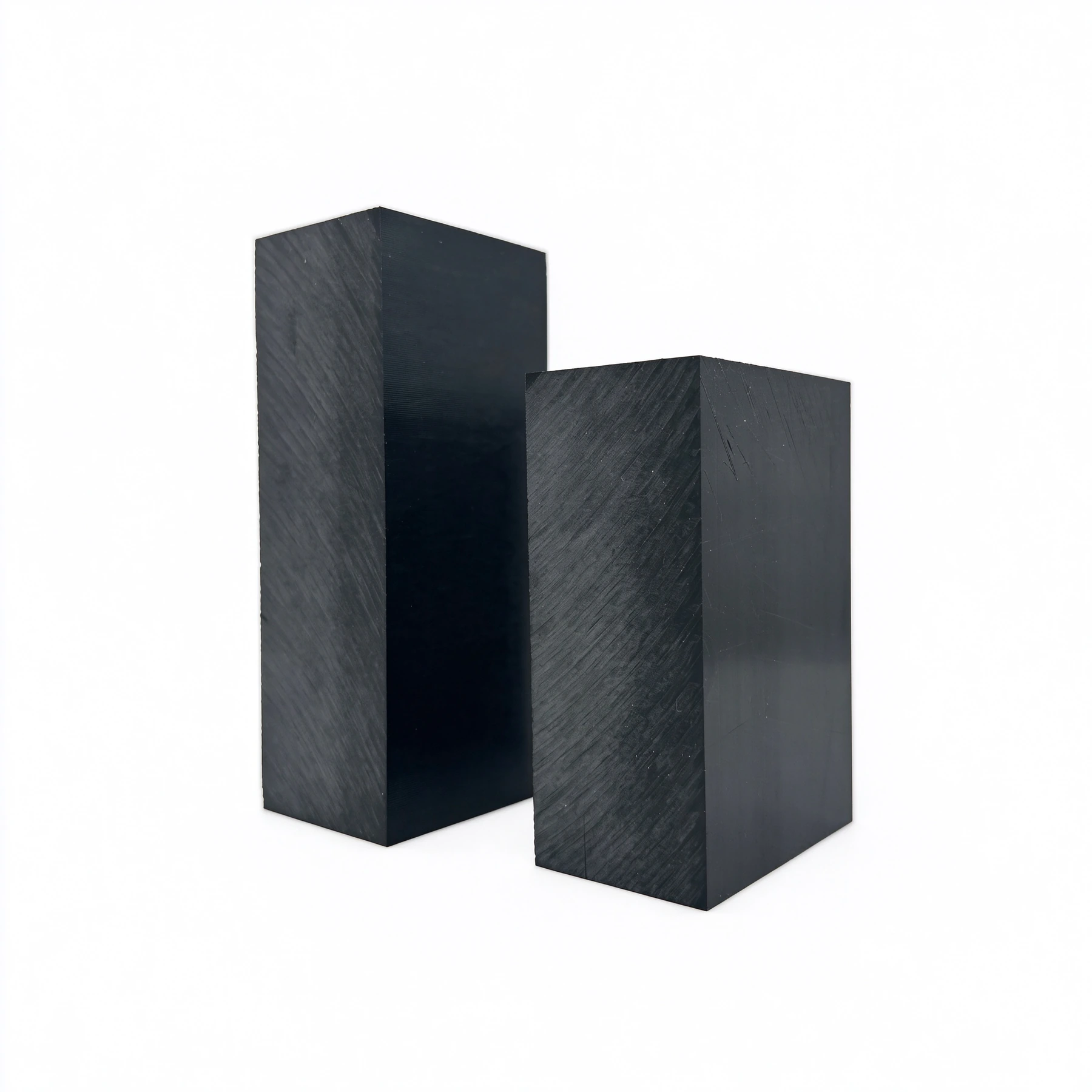
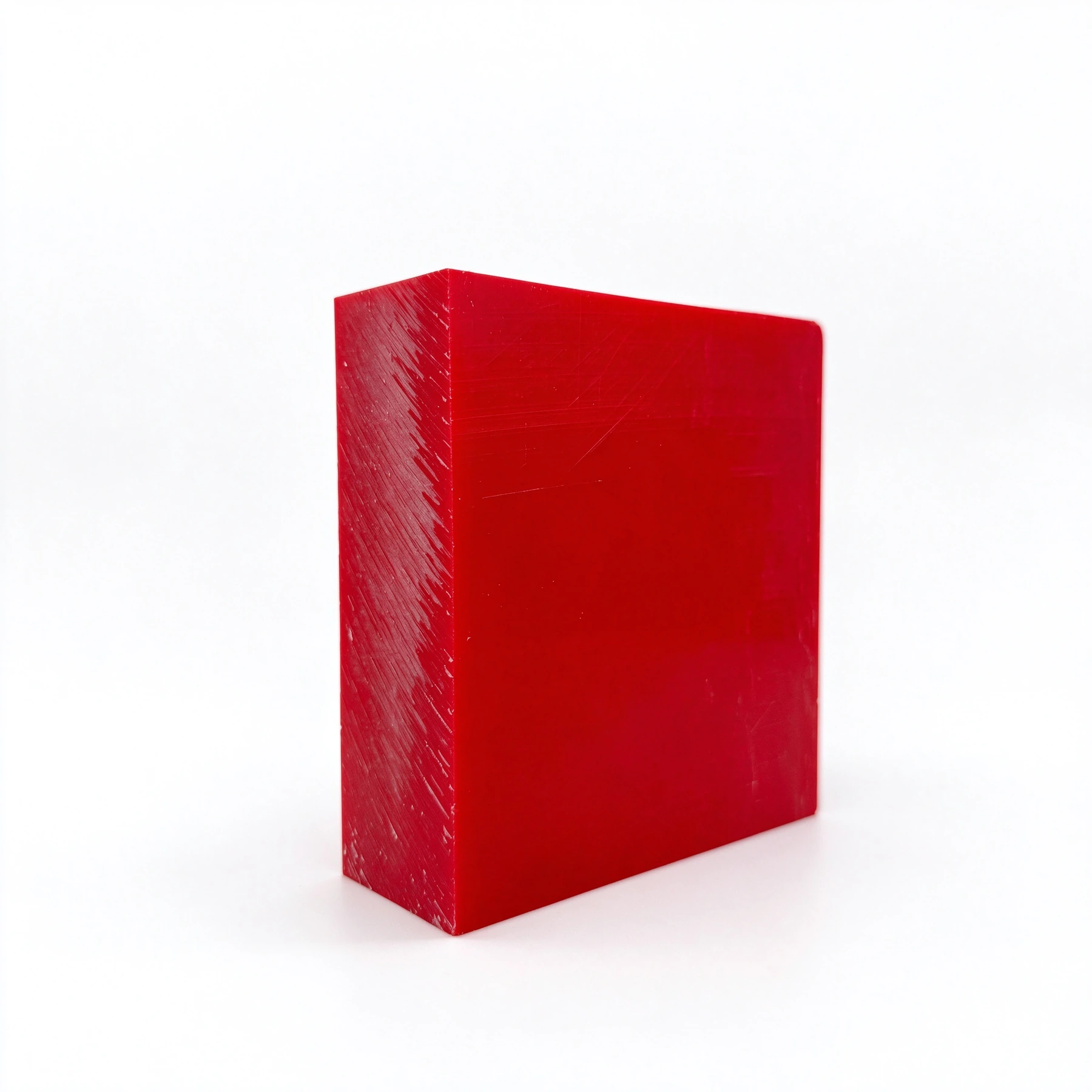
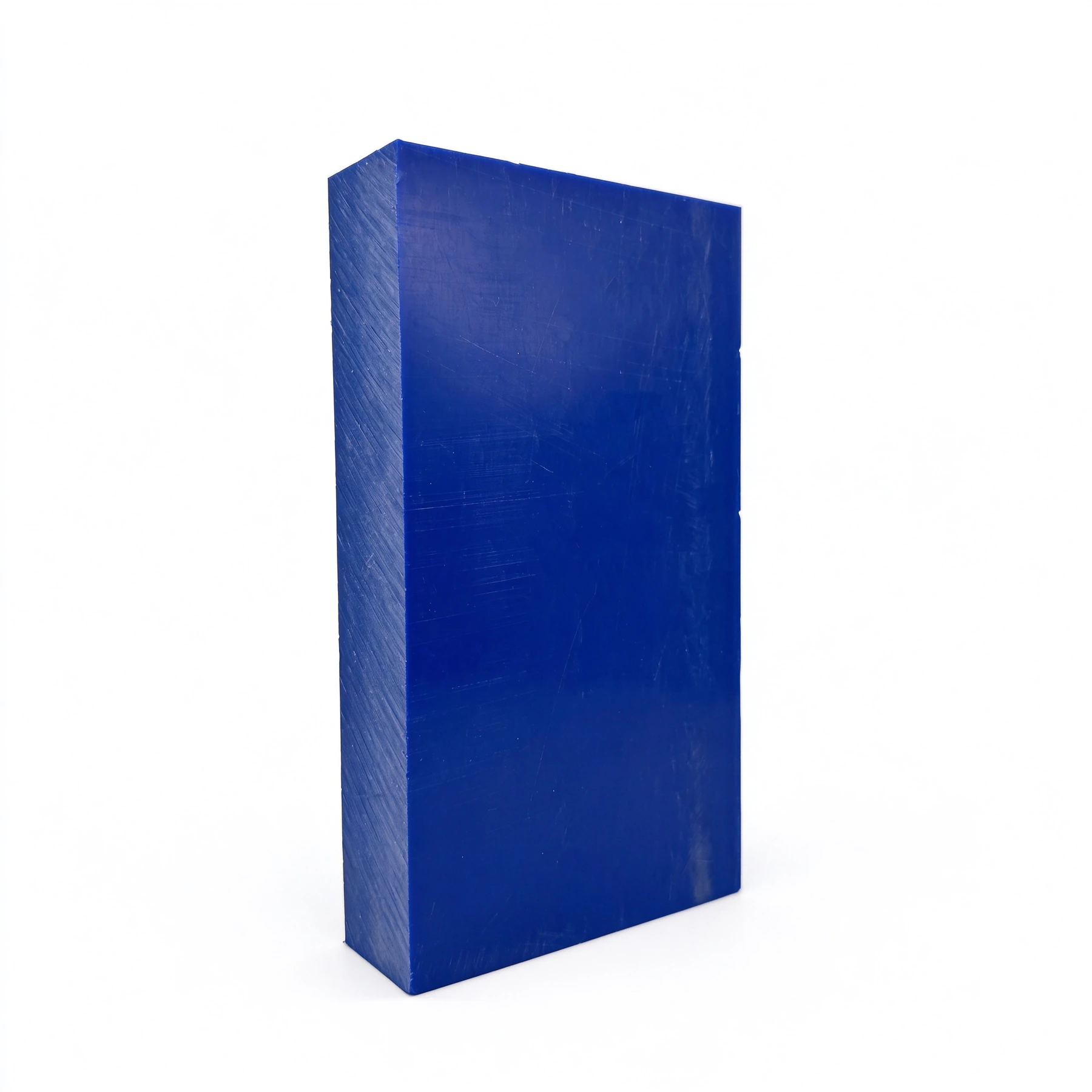
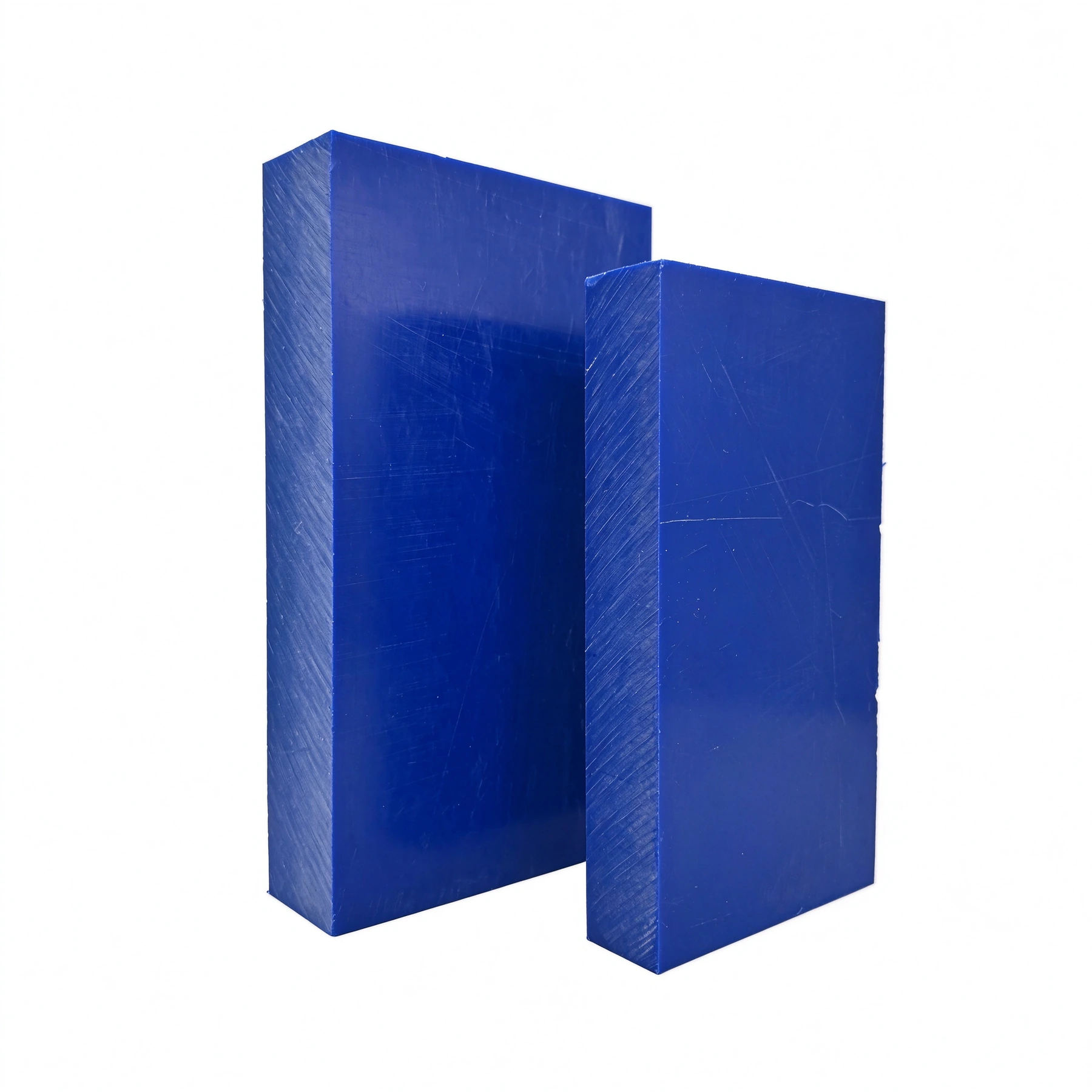
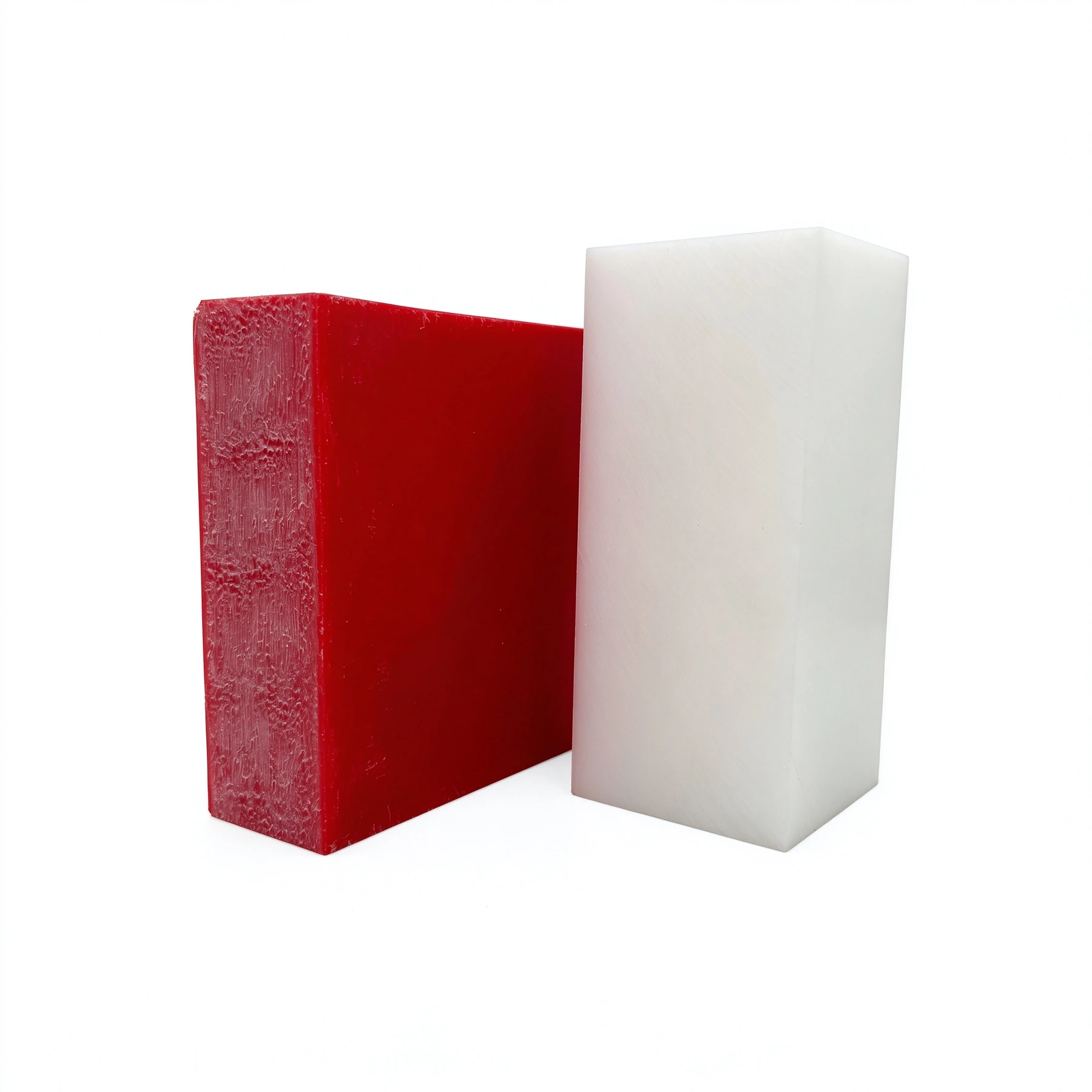
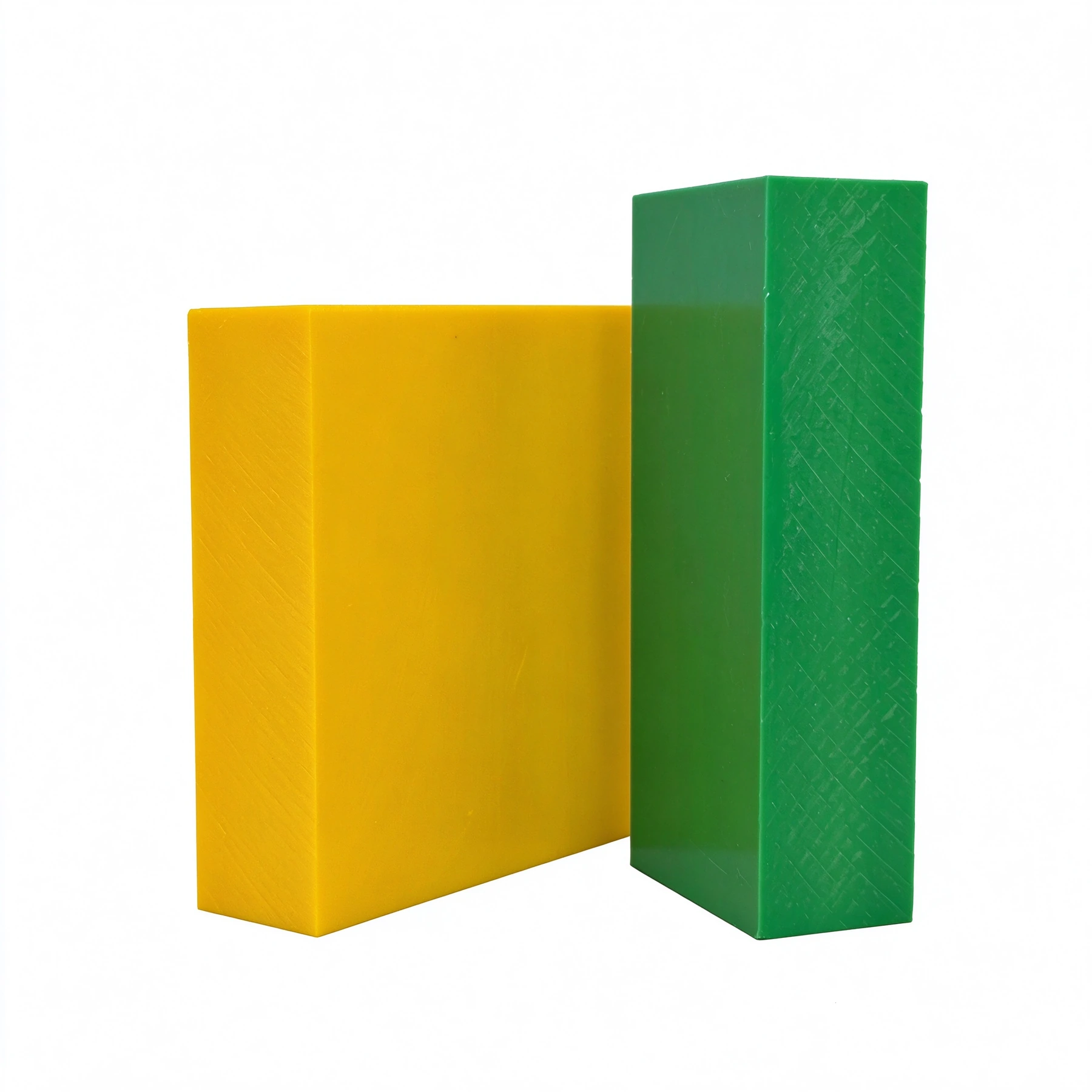
POM stock — view 01
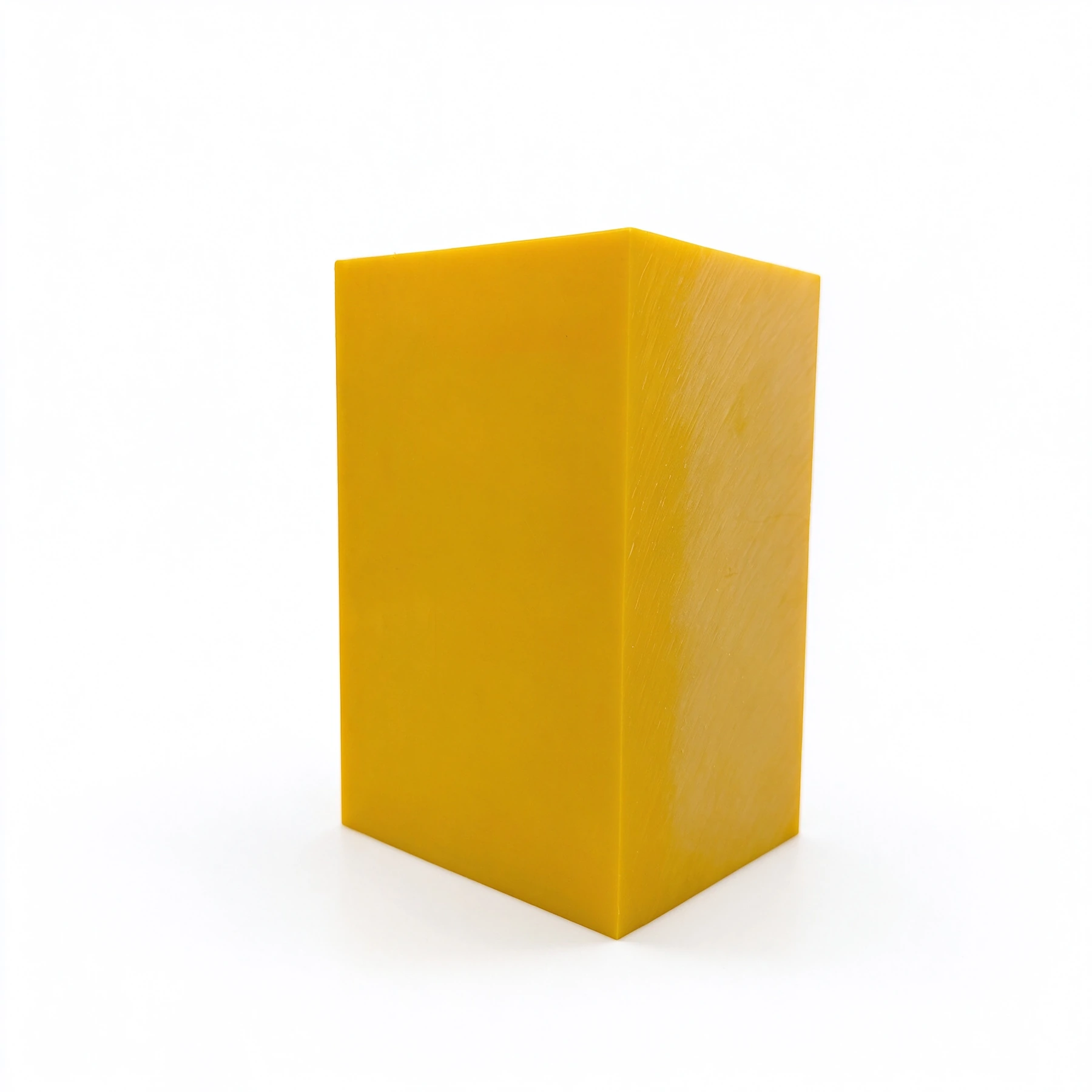
POM, or acetal, is a stiff, low-friction engineering plastic for precision moving parts.
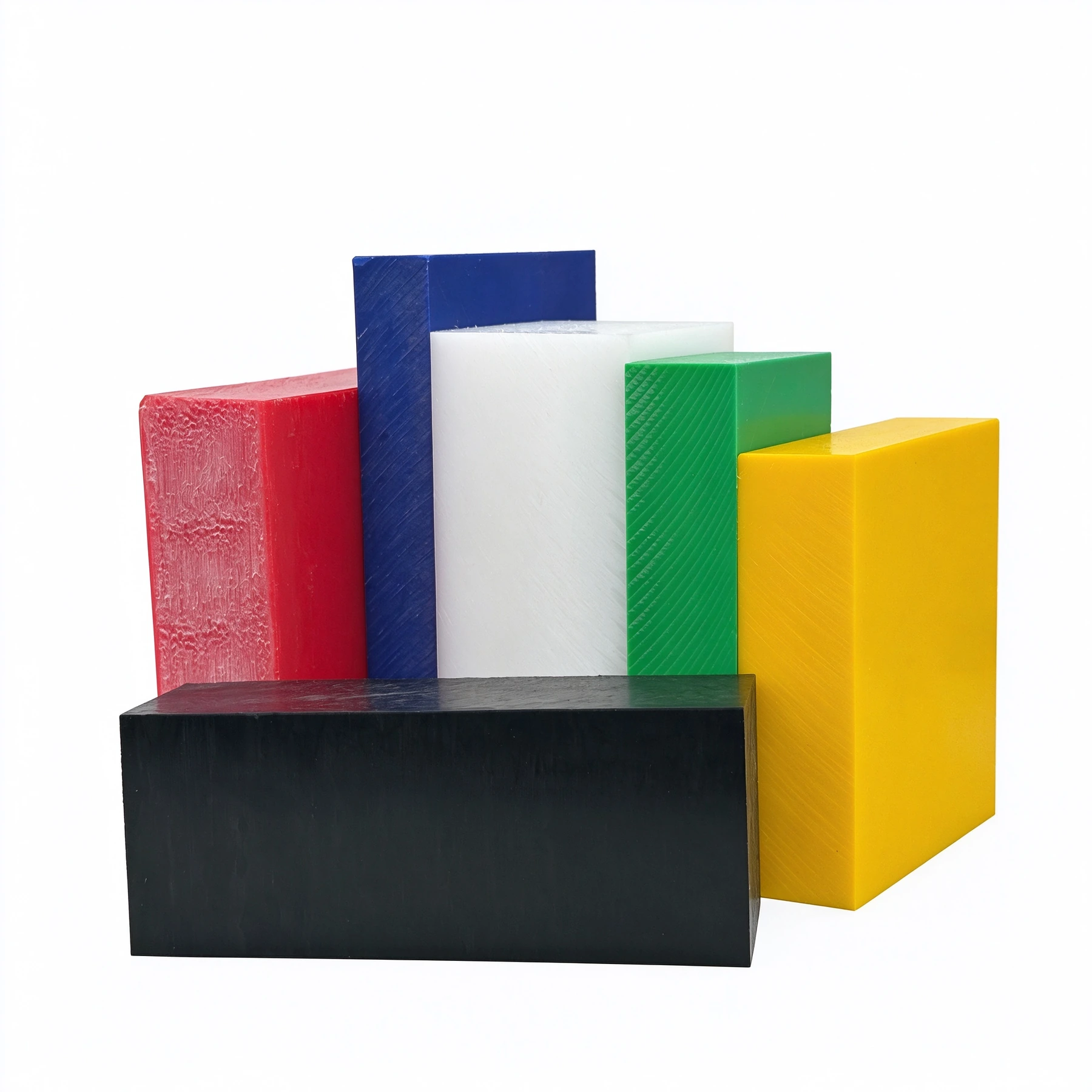


















For a POM slider, sleeve or locating part, explain how it mates with the surrounding components. Aria reviews the selected material with the critical fits and surface requirements, so those details are part of the manufacturing brief. Specify the intended POM grade; copolymer, homopolymer and modified materials should not be treated as one interchangeable set of properties.
Aria offers both CNC machining and injection molding. Discuss the prototype quantity and expected repeat demand together so the material, tooling and production choices can be reviewed as the project develops.
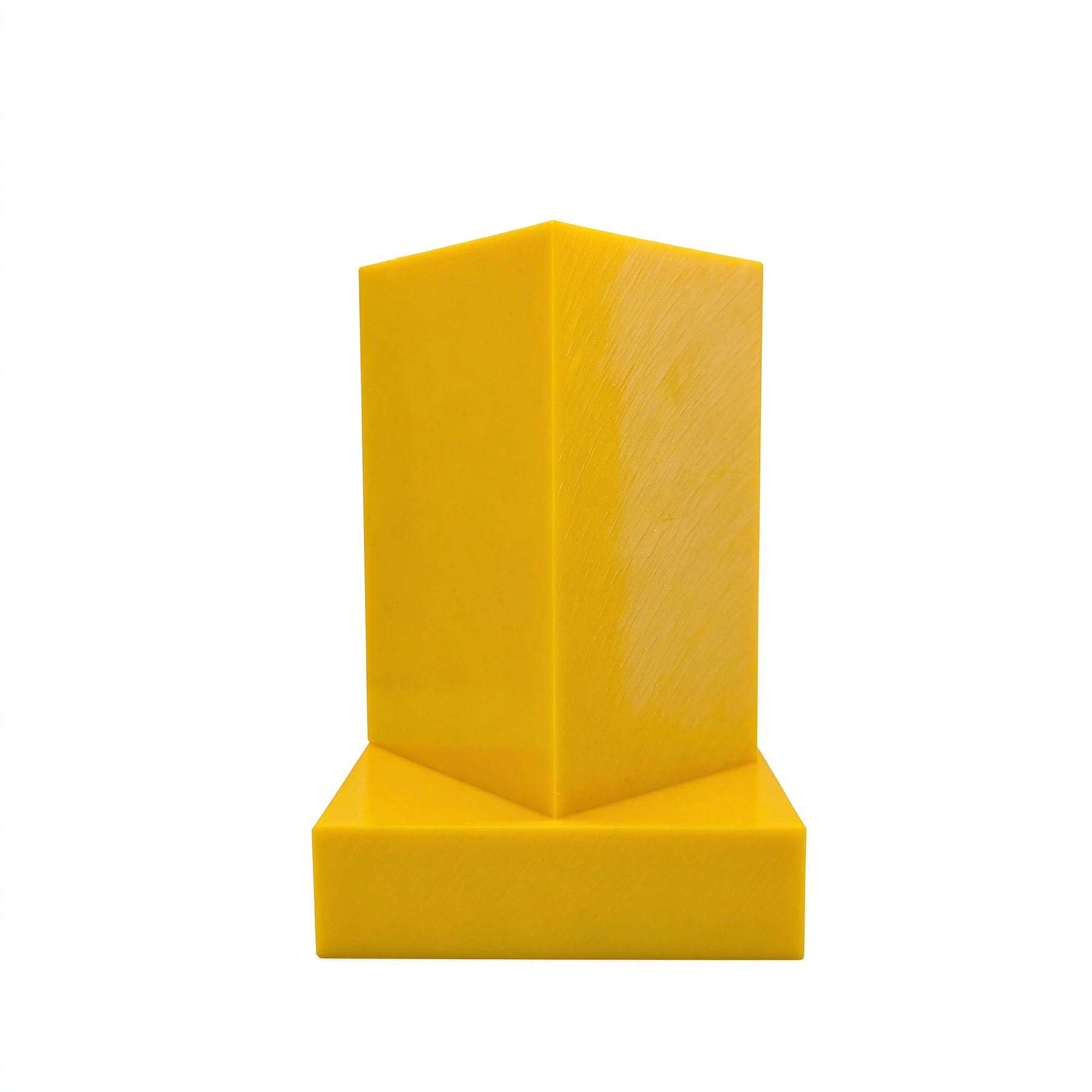
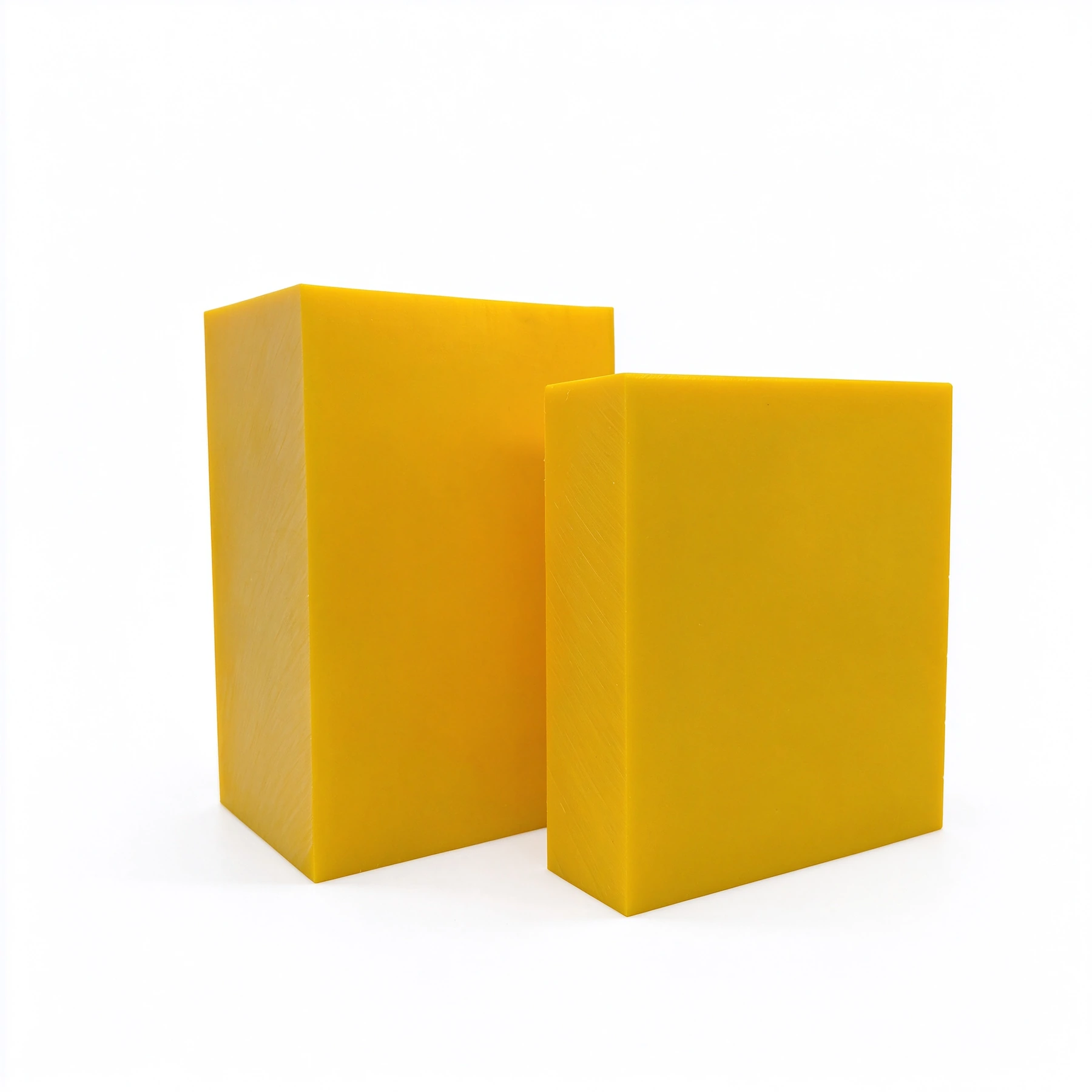
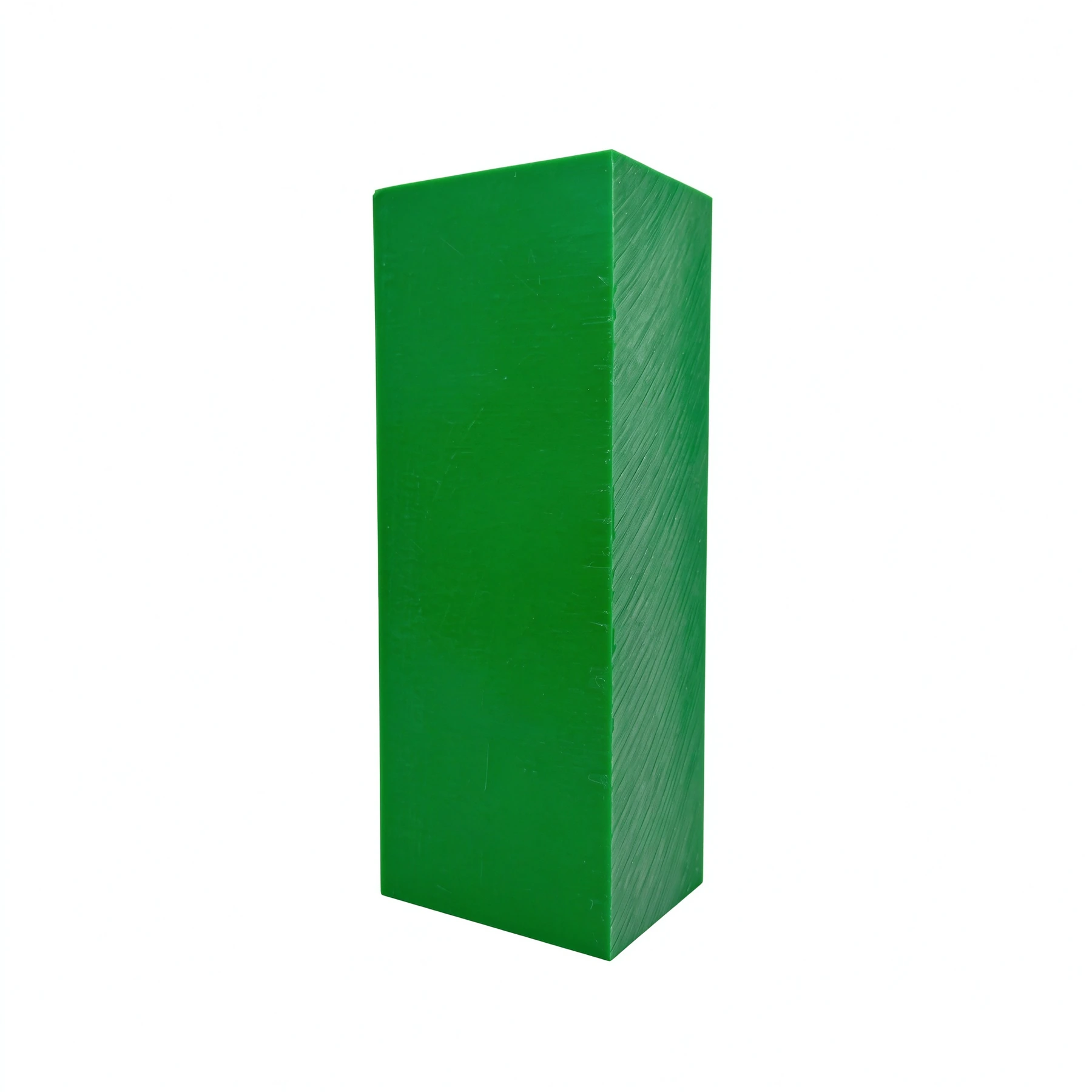
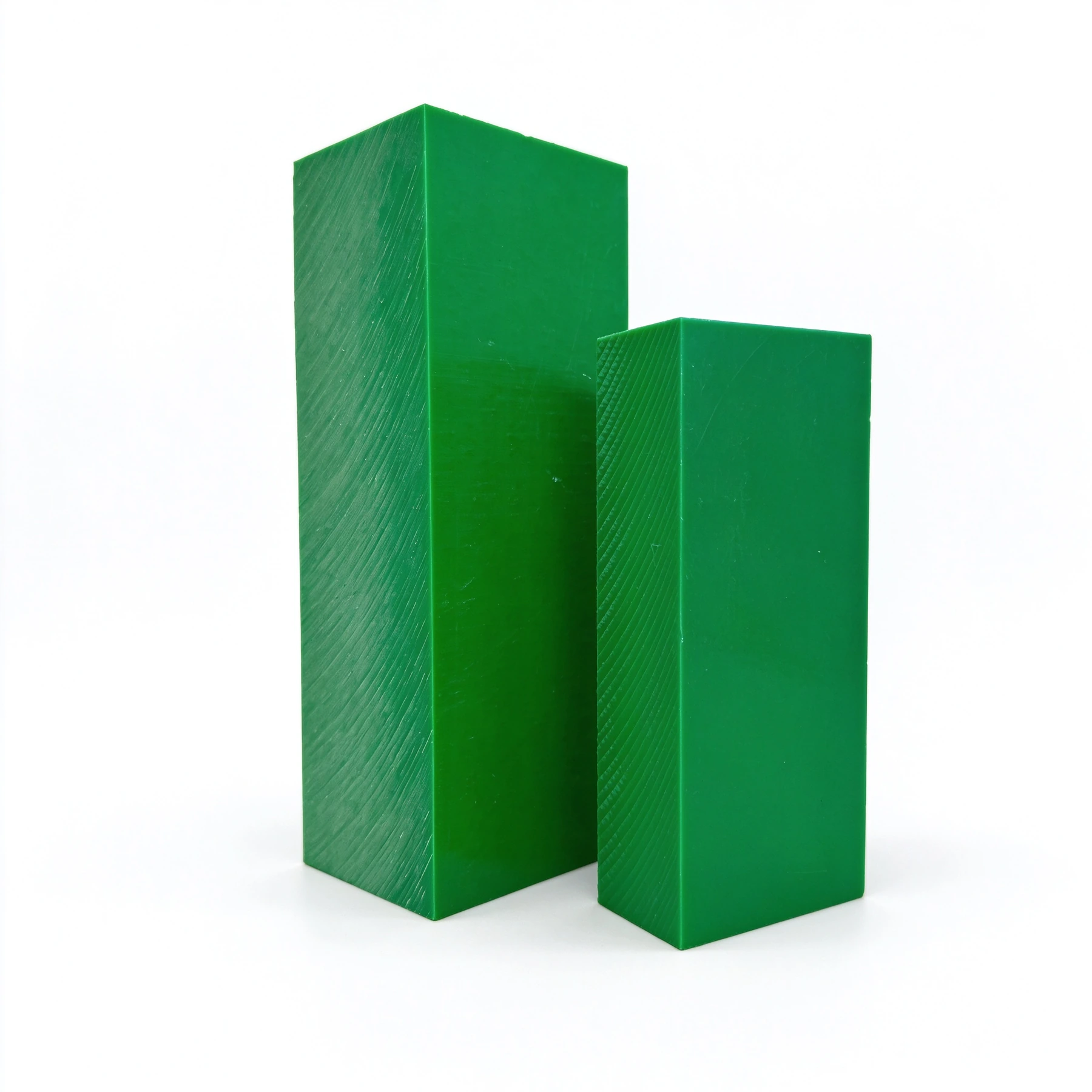
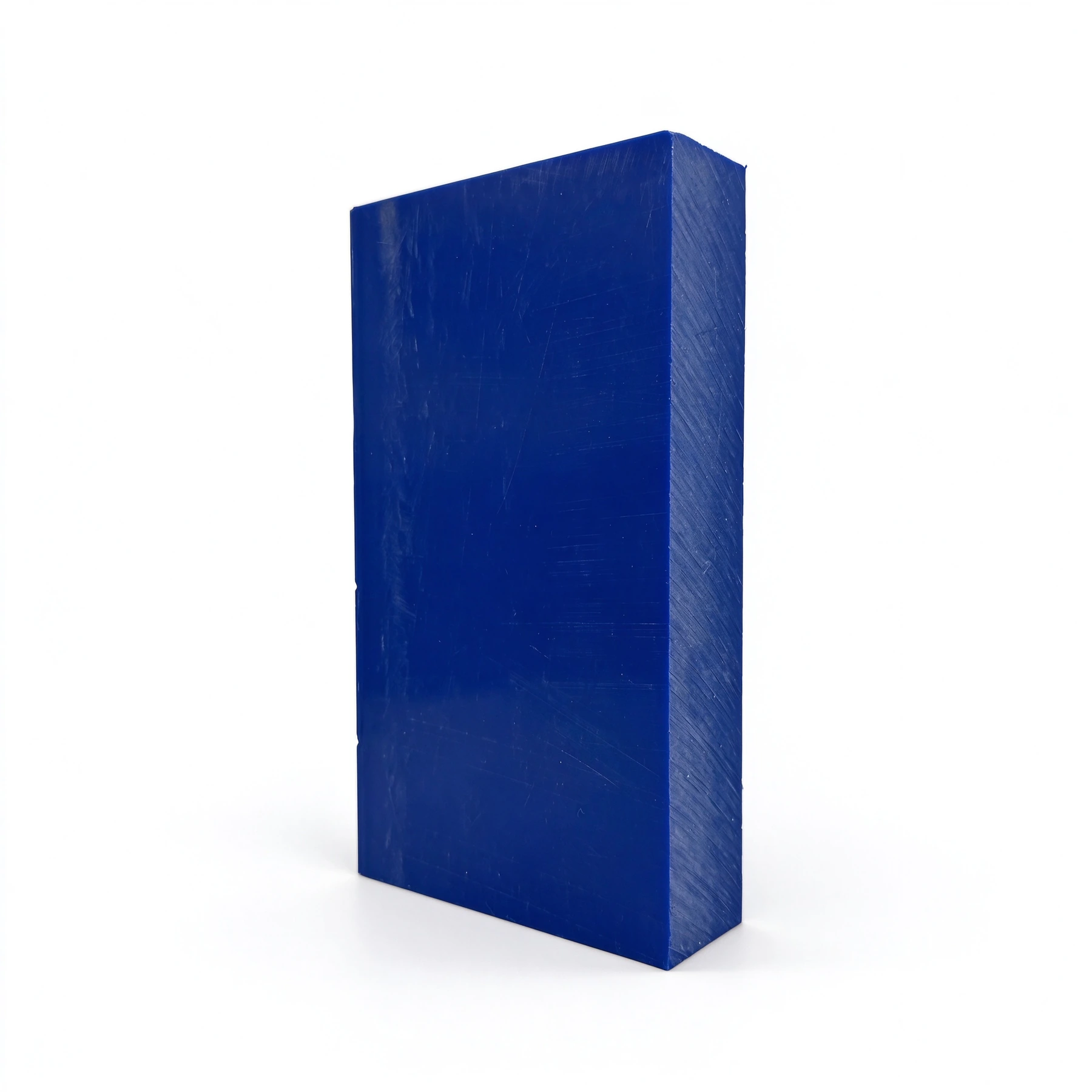
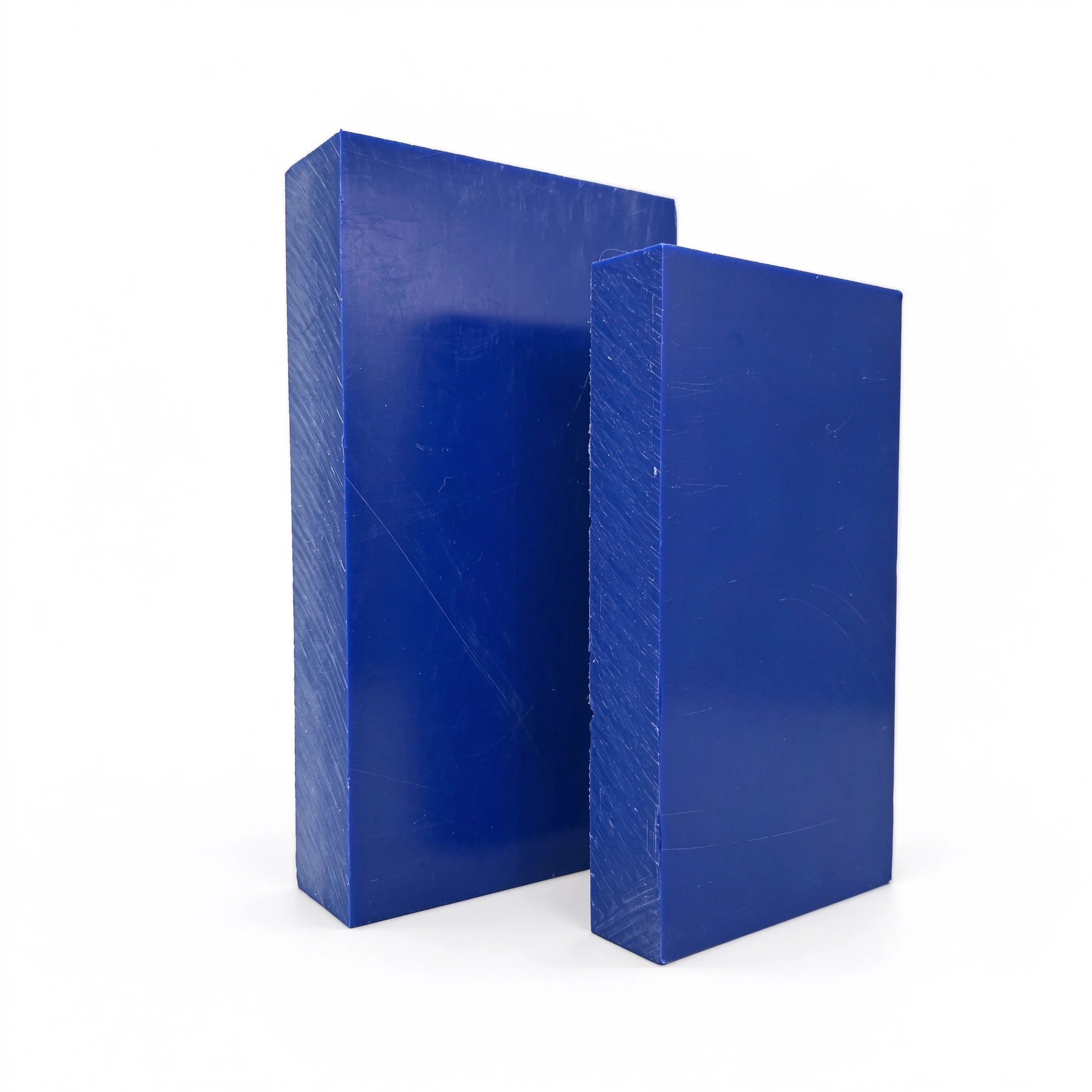
| Property | Details |
|---|---|
| Available variants | POM Black, POM Blue, POM White, Dark brown (coffee) POM 100AF |
| Colors | Black, Blue, White, Dark brown (coffee), Natural milky white / pale yellow, Custom colors |
| Special properties | Low-friction PTFE- or silicone-modified, antistatic, glass-filled, UV-stabilized and antimicrobial grades are available as separate specifications. |
Detailed values describe Celanese Hostaform C 9021, POM copolymer (2018-01-17). Family ranges are broader selection references and may include different grades or reinforcement levels. Confirm the selected grade, condition and test method for your part.
| Property | Metric | Imperial | Test method / conditions |
|---|---|---|---|
| Density | 1.41 g/cm³ | 0.0510 lb/in³ | ISO 1183 · 23°C · Reference: Celanese Hostaform C 9021, POM copolymer (2018-01-17) |
| MVR | 8 cm³/10min | 8 cm³/10min | ISO 1133 · 190°C, 2.16 kg · Reference: Celanese Hostaform C 9021, POM copolymer (2018-01-17) |
| Molding Shrinkage | 1.9~2.0 % | 1.9~2.0 % | ISO 294-4 · Parallel / perpendicular · Reference: Celanese Hostaform C 9021, POM copolymer (2018-01-17) |
| Tensile Modulus | 2,850 MPa | 413,000 psi | ISO 527 · 23°C · Reference: Celanese Hostaform C 9021, POM copolymer (2018-01-17) |
| Yield Stress | 64 MPa | 9,280 psi | ISO 527 · 50 mm/min · Reference: Celanese Hostaform C 9021, POM copolymer (2018-01-17) |
| Nominal Strain at Break | 30 % | 30 % | ISO 527 · 50 mm/min · Reference: Celanese Hostaform C 9021, POM copolymer (2018-01-17) |
| Flexural Modulus | 2,700 MPa | 392,000 psi | ISO 178 · 23°C · Reference: Celanese Hostaform C 9021, POM copolymer (2018-01-17) |
| Charpy notched impact (23°C) | 6.5 kJ/m² | 3.1 ft·lb/in² | ISO 179/1eA · 23°C · Reference: Celanese Hostaform C 9021, POM copolymer (2018-01-17) |
| Ball Indentation Hardness | 144 N/mm² | 144 N/mm² | ISO 2039-1 · 30s · Reference: Celanese Hostaform C 9021, POM copolymer (2018-01-17) |
| Melting Temperature | 166 °C | 331 °F | ISO 11357 · 10°C/min · Reference: Celanese Hostaform C 9021, POM copolymer (2018-01-17) |
| HDT (1.80 MPa) | 104 °C | 219 °F | ISO 75-1/-2 · 1.80 MPa · Reference: Celanese Hostaform C 9021, POM copolymer (2018-01-17) |
| HDT (0.45 MPa) | 160 °C | 320 °F | ISO 75-1/-2 · 0.45 MPa · Reference: Celanese Hostaform C 9021, POM copolymer (2018-01-17) |
| Vicat softening temperature | 150 °C | 302 °F | ISO 306 · 50N, 50°C/h · Reference: Celanese Hostaform C 9021, POM copolymer (2018-01-17) |
| Water Absorption (saturated) | 0.65 % | 0.65 % | ISO 62 · Saturated, 23°C · Reference: Celanese Hostaform C 9021, POM copolymer (2018-01-17) |
| Flammability | HB (UL94) | HB (UL94) | UL 94 · 1.5 mm · Reference: Celanese Hostaform C 9021, POM copolymer (2018-01-17) |
| Property | Family reference |
|---|---|
| Material class | Engineering plastic |
| Density (g/cm³) | 1.40–1.42 |
| Tensile strength (MPa) | 60–70 |
| Elongation at break (%) | 15–40 |
| Elastic modulus (GPa) | 2.6–3.2 |
| Hardness | R110–M80 |
| Temperature reference (°C) | HDT 90–110 |
CNC Milling Services: Conventional injection molding and CNC milling or turning. Typical molding shrinkage in the supplied guidance is 1.9–2.1%. Control processing temperature and follow the grade datasheet; excessive heat can decompose POM and release formaldehyde. Homopolymer and copolymer values are not interchangeable. 3-axis milling, 4-axis milling, 5-axis milling: Use a machinable stock grade; geometry, workholding and material condition determine feasibility.
Injection molding: Conventional injection molding and CNC milling or turning. Typical molding shrinkage in the supplied guidance is 1.9–2.1%. Control processing temperature and follow the grade datasheet; excessive heat can decompose POM and release formaldehyde. Homopolymer and copolymer values are not interchangeable. Single-material injection molding, Insert location and retention, Multi-shot / two-shot (2K) molding: Use an injection-molding grade. Fillers, shrinkage and processing temperatures affect tool and part design.
Use an injection-molding grade. Fillers, shrinkage and processing temperatures affect tool and part design.
CNC Milling Services, CNC turning: Conventional injection molding and CNC milling or turning. Typical molding shrinkage in the supplied guidance is 1.9–2.1%. Control processing temperature and follow the grade datasheet; excessive heat can decompose POM and release formaldehyde. Homopolymer and copolymer values are not interchangeable. 3-axis milling, 4-axis milling, 5-axis milling, Cylindrical Turning, Boring, Threading, Grooving: Use a machinable stock grade; geometry, workholding and material condition determine feasibility.
CNC turning: Conventional injection molding and CNC milling or turning. Typical molding shrinkage in the supplied guidance is 1.9–2.1%. Control processing temperature and follow the grade datasheet; excessive heat can decompose POM and release formaldehyde. Homopolymer and copolymer values are not interchangeable. Cylindrical Turning, Boring, Threading, Grooving: Use a machinable stock grade; geometry, workholding and material condition determine feasibility.
Good hardness, dimensional stability, wear and fatigue resistance, with low water absorption and excellent machinability. It resists oils and many solvents.
Avoid strong acids, oxidizers, prolonged high heat and unprotected outdoor exposure. POM is notch-sensitive, difficult to bond or paint and has substantial molding shrinkage.
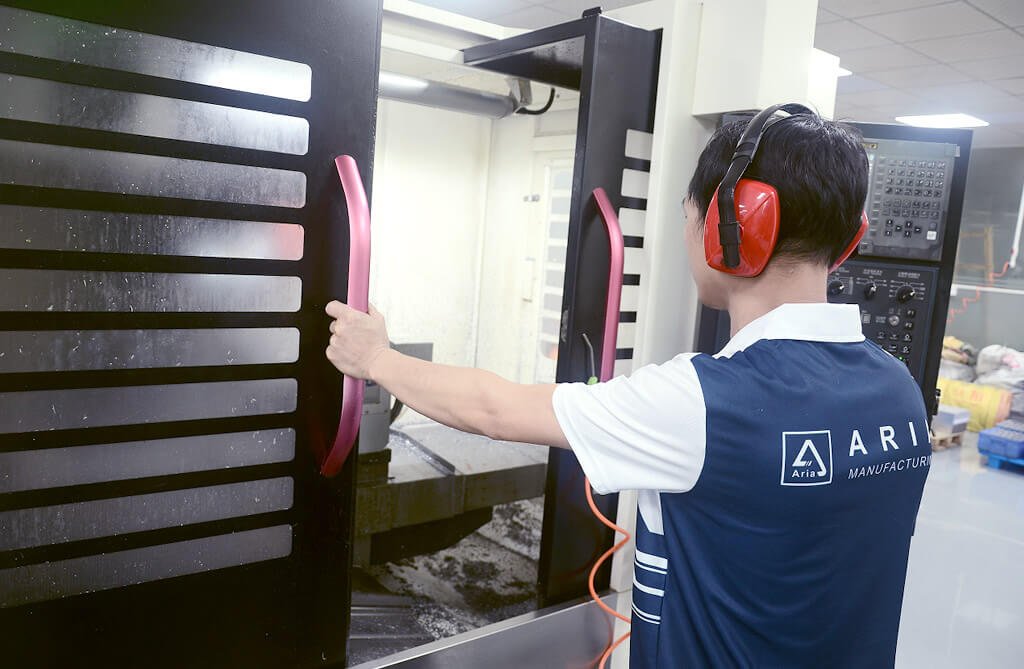
Compare materials for the loads, temperature and environment your part will face.
We review tool access, geometry and material choice before manufacturing.
Dimensional checks and inspection reports for the critical features on your drawing.
Typical molding shrinkage in the supplied guidance is 1.9–2.1%. Control processing temperature and follow the grade datasheet; excessive heat can decompose POM and release formaldehyde. Homopolymer and copolymer values are not interchangeable. Laser marking; printing, painting or bonding need a suitable primer or flame/plasma pretreatment. Electroplating is generally unsuitable.
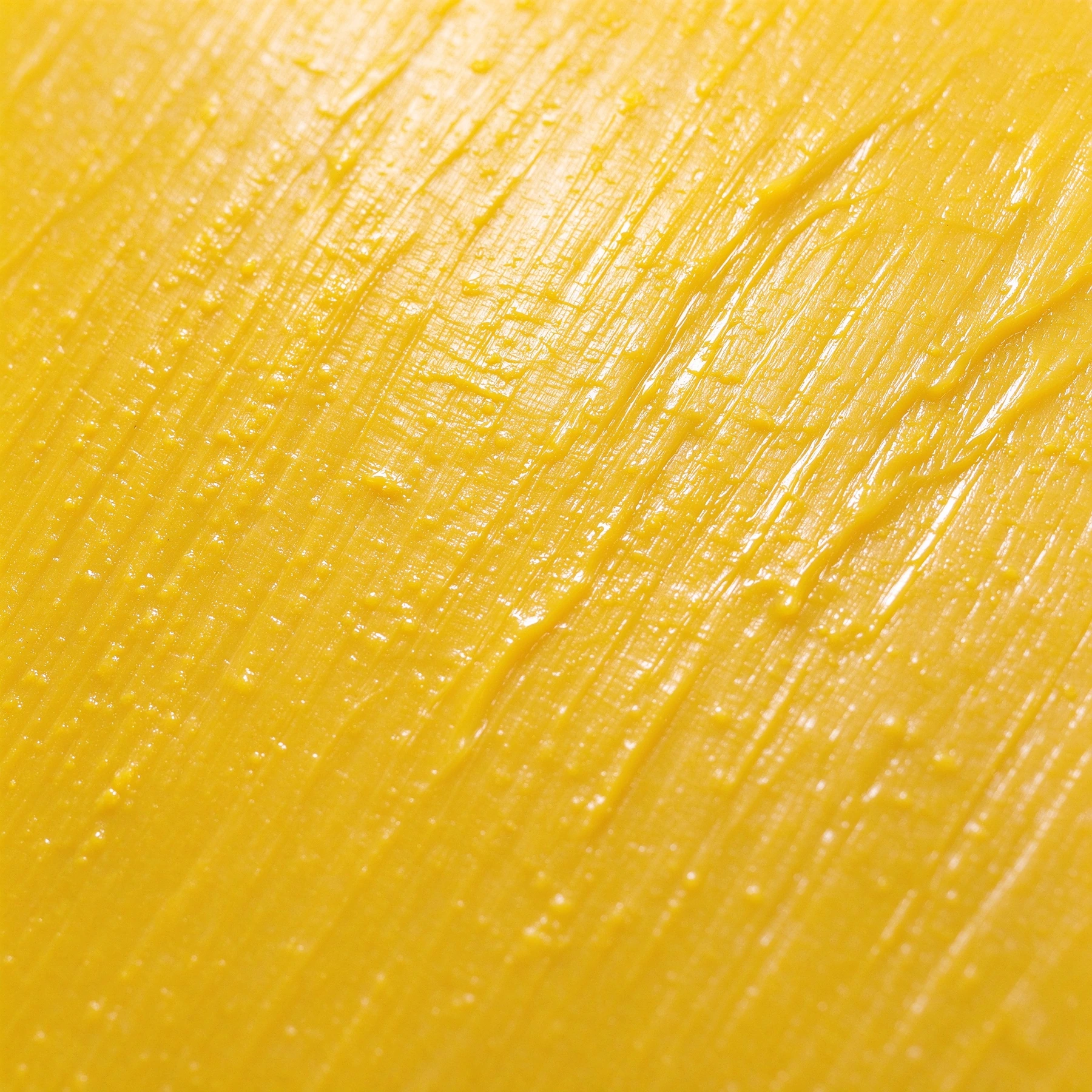
Mold-transferred appearance depends on the resin and tool surface; gloss and texture do not specify a material-independent roughness.
Precision gears, cams, bearings, slides, fasteners, zippers, automotive and electronics parts, pumps and valves.
Conventional injection molding and CNC milling or turning.
Laser marking; printing, painting or bonding need a suitable primer or flame/plasma pretreatment. Electroplating is generally unsuitable.
Typical molding shrinkage in the supplied guidance is 1.9–2.1%. Control processing temperature and follow the grade datasheet; excessive heat can decompose POM and release formaldehyde. Homopolymer and copolymer values are not interchangeable.
Natural milky white to pale yellow; copolymer grades tend toward white. Black and custom colors.
POM processing limits depend on the exact grade and how long the melt remains in the machine. Celanese’s Hostaform processing guidance links thermal stability to both temperature and residence time; a single 220°C limit is not applicable to all POM grades. Use the selected grade’s current processing sheet, control hold-up time and provide appropriate extraction. Overheating or contamination can cause decomposition and formaldehyde release.
Upload your CAD files and tell us the material and quantity you need.
Talk to an engineer