
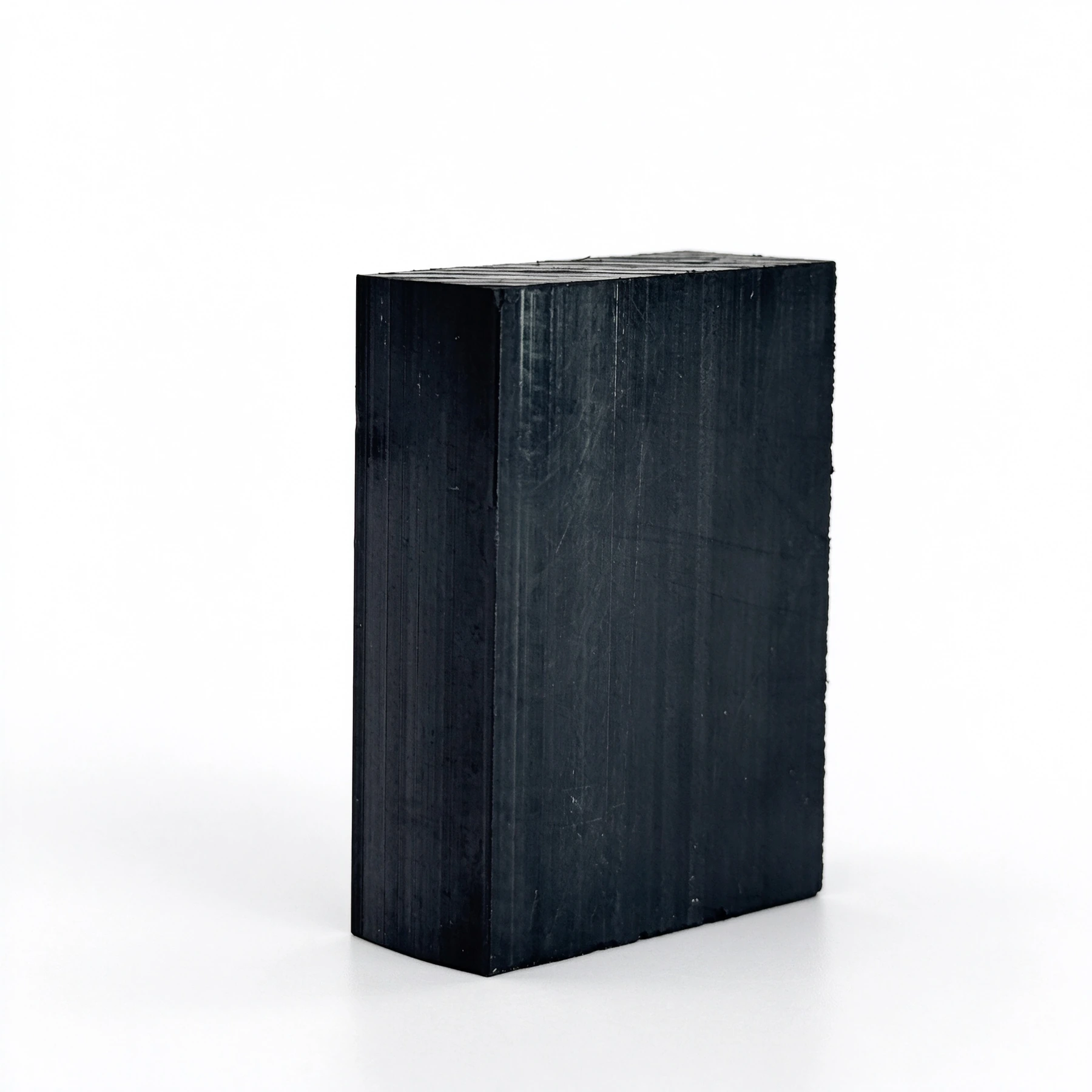
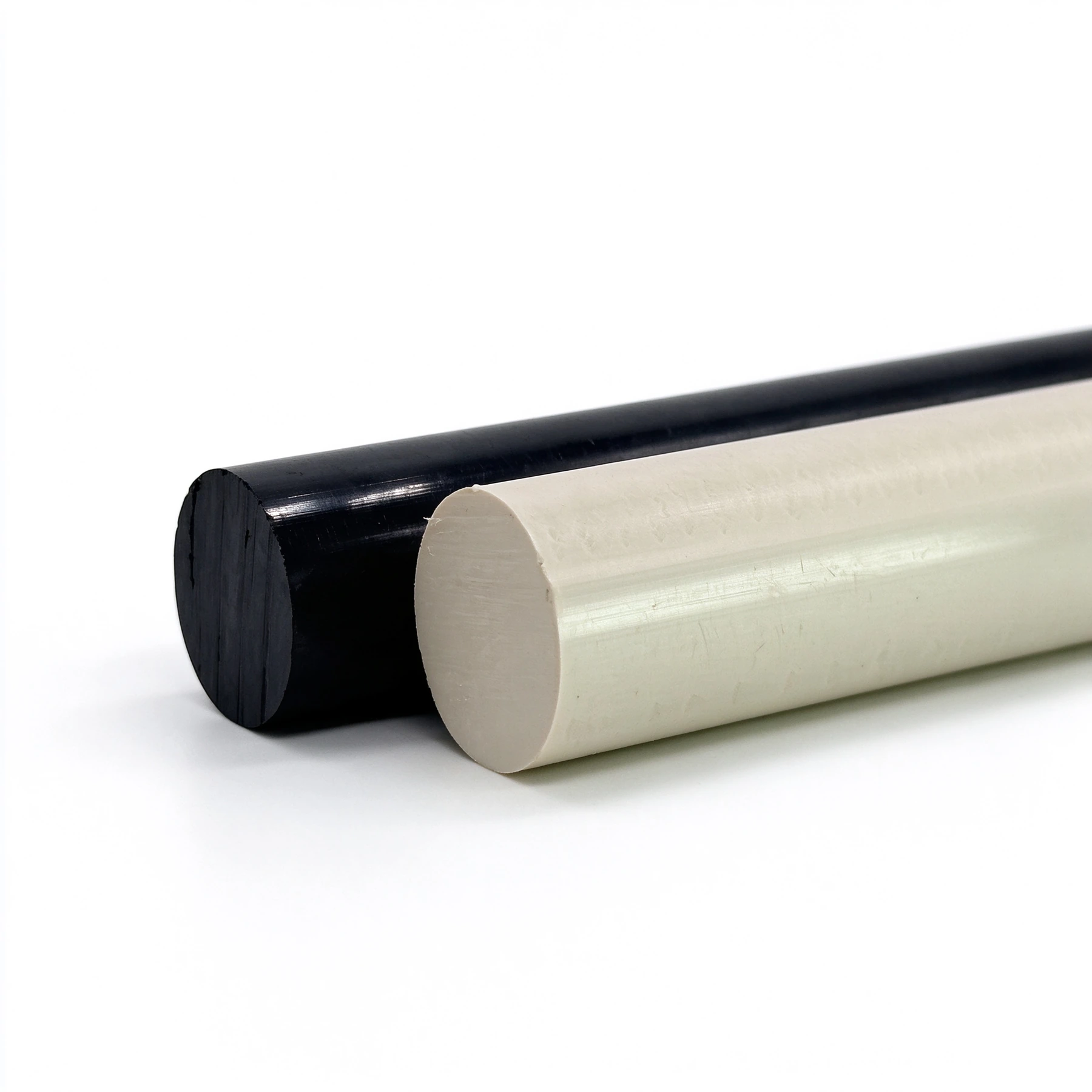
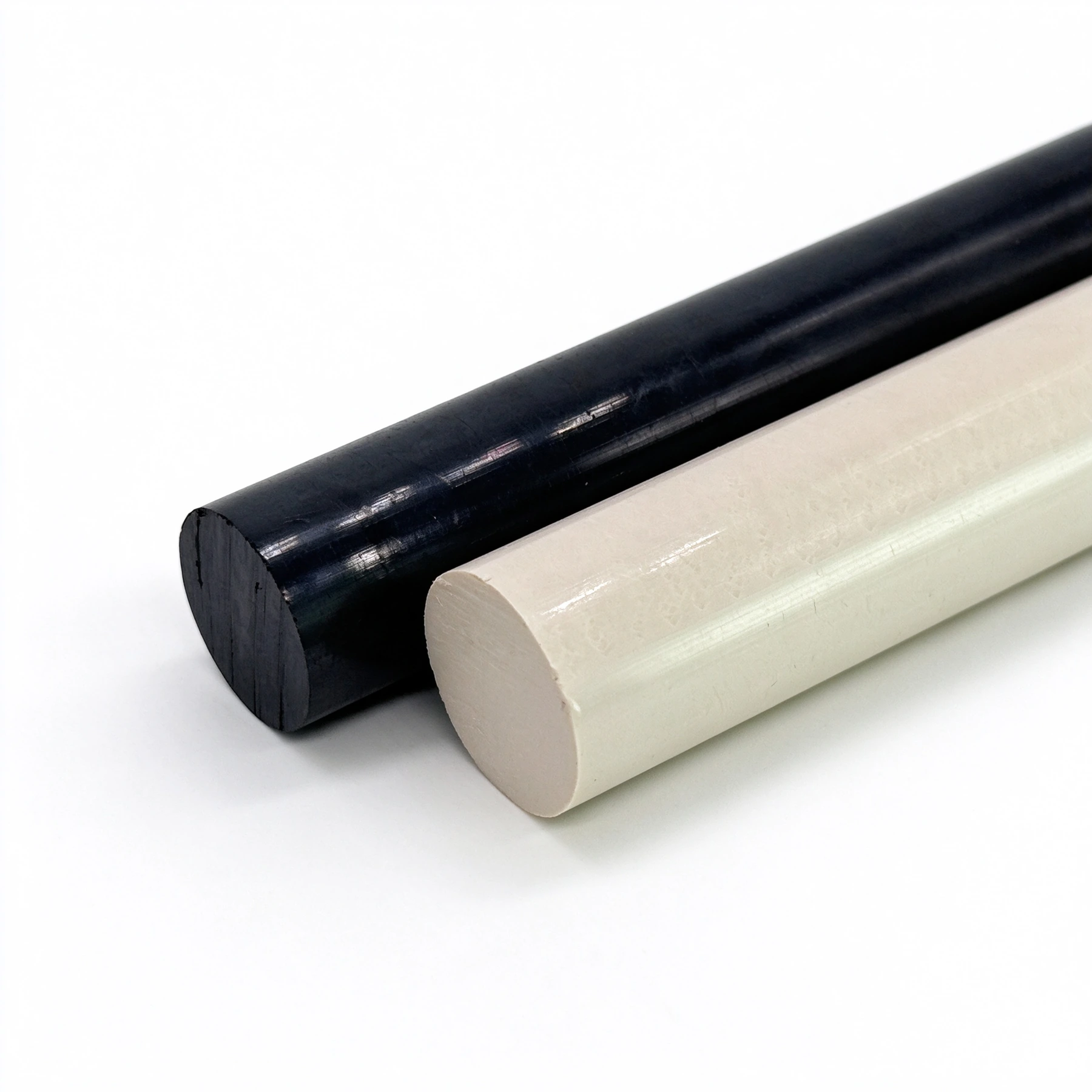
PPS stock — view 01
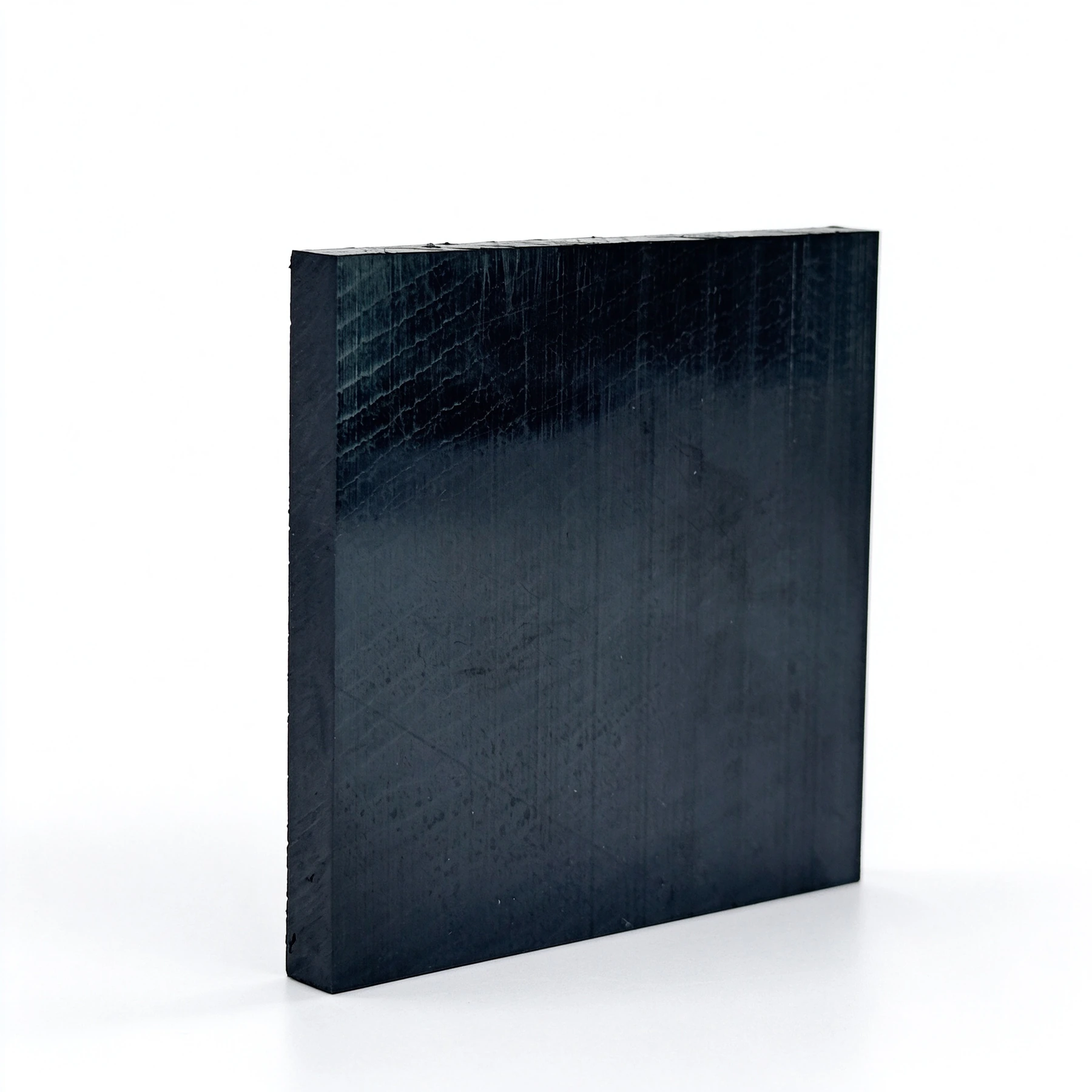
PPS is a semi-crystalline high-performance plastic for heat- and chemical-resistant components.
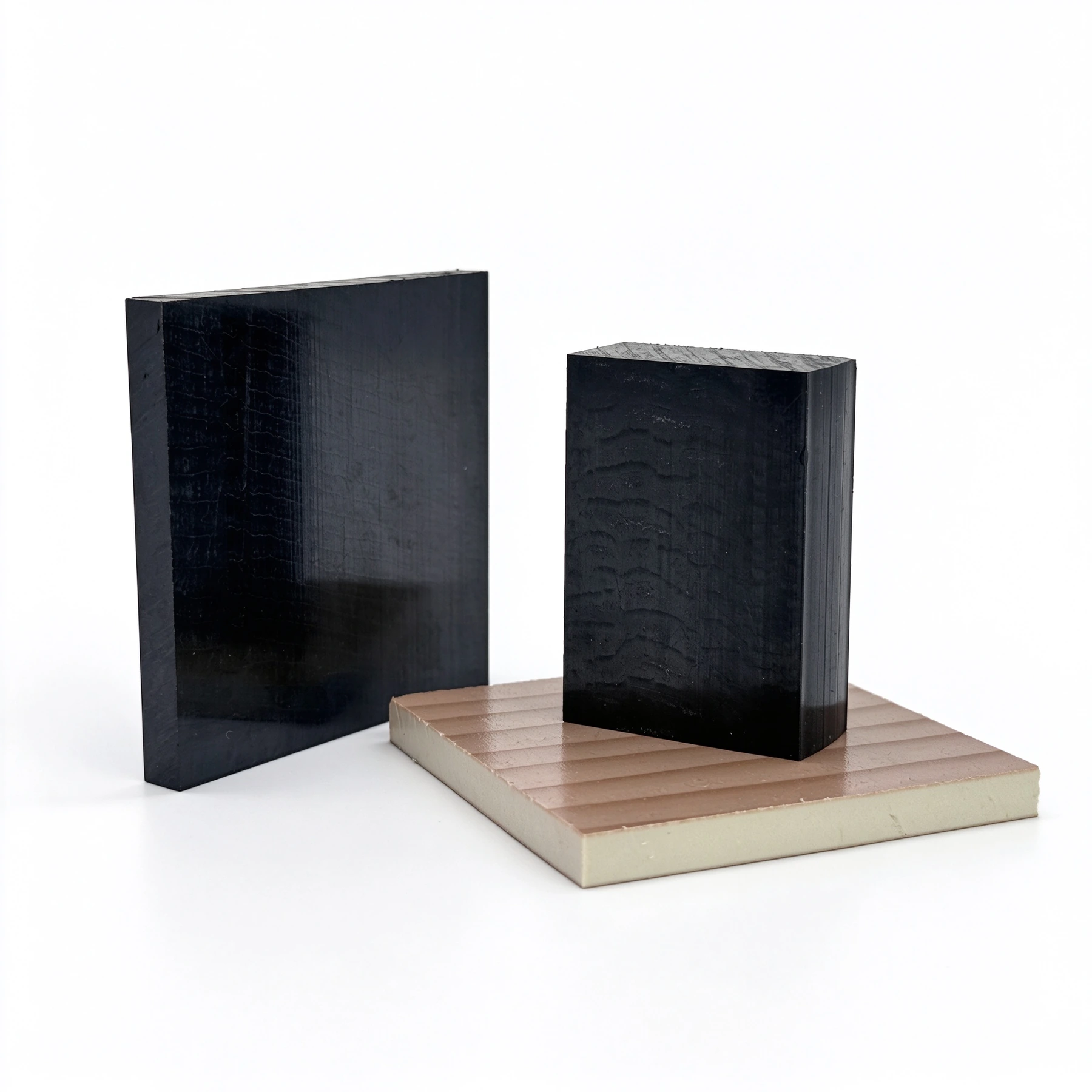


















Explain the working environment and the features carrying load when discussing PPS with Aria. Our material review can cover grade and reinforcement alongside the molded geometry and critical dimensions. Keep the specified formulation with the drawing; unfilled and reinforced PPS property values are not interchangeable.
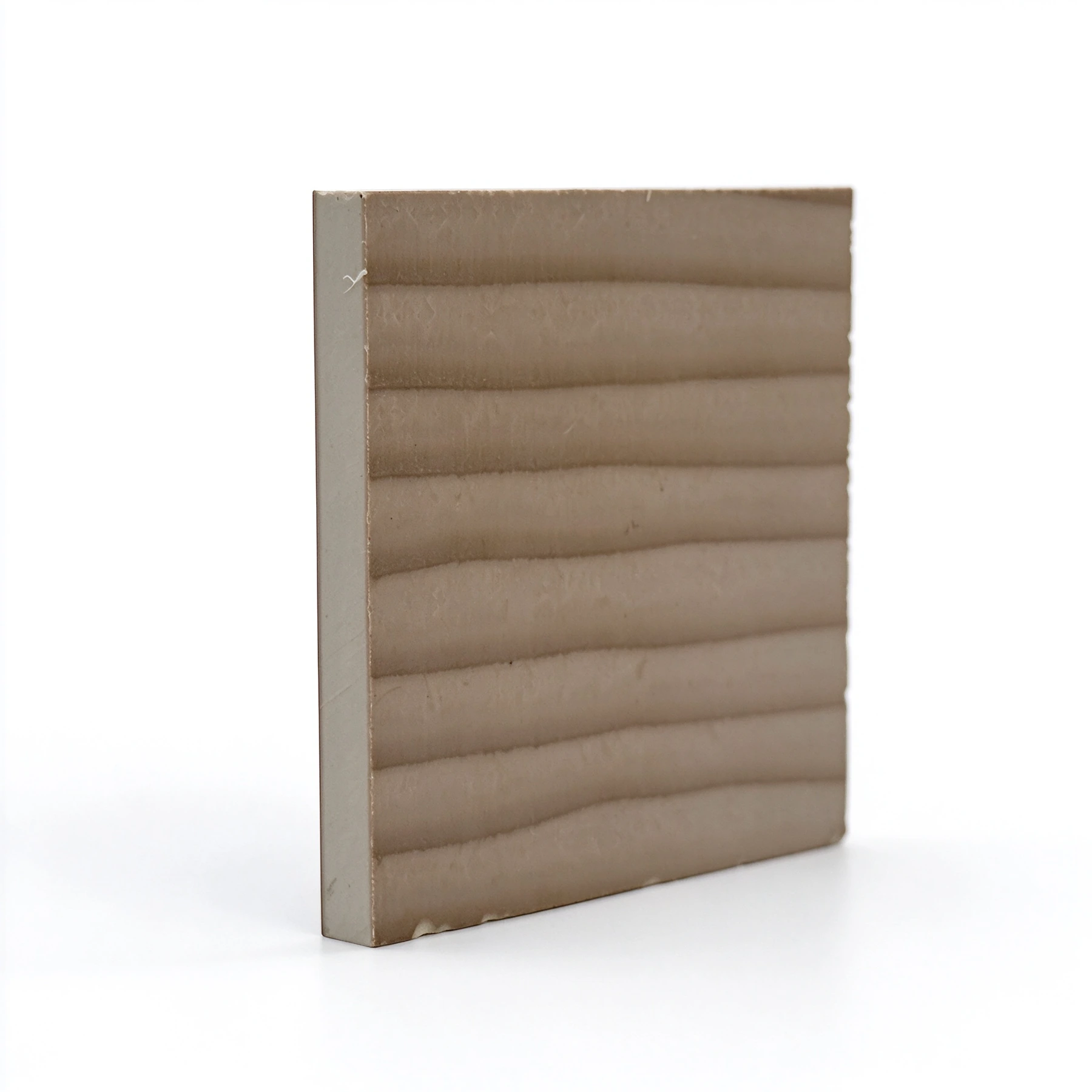
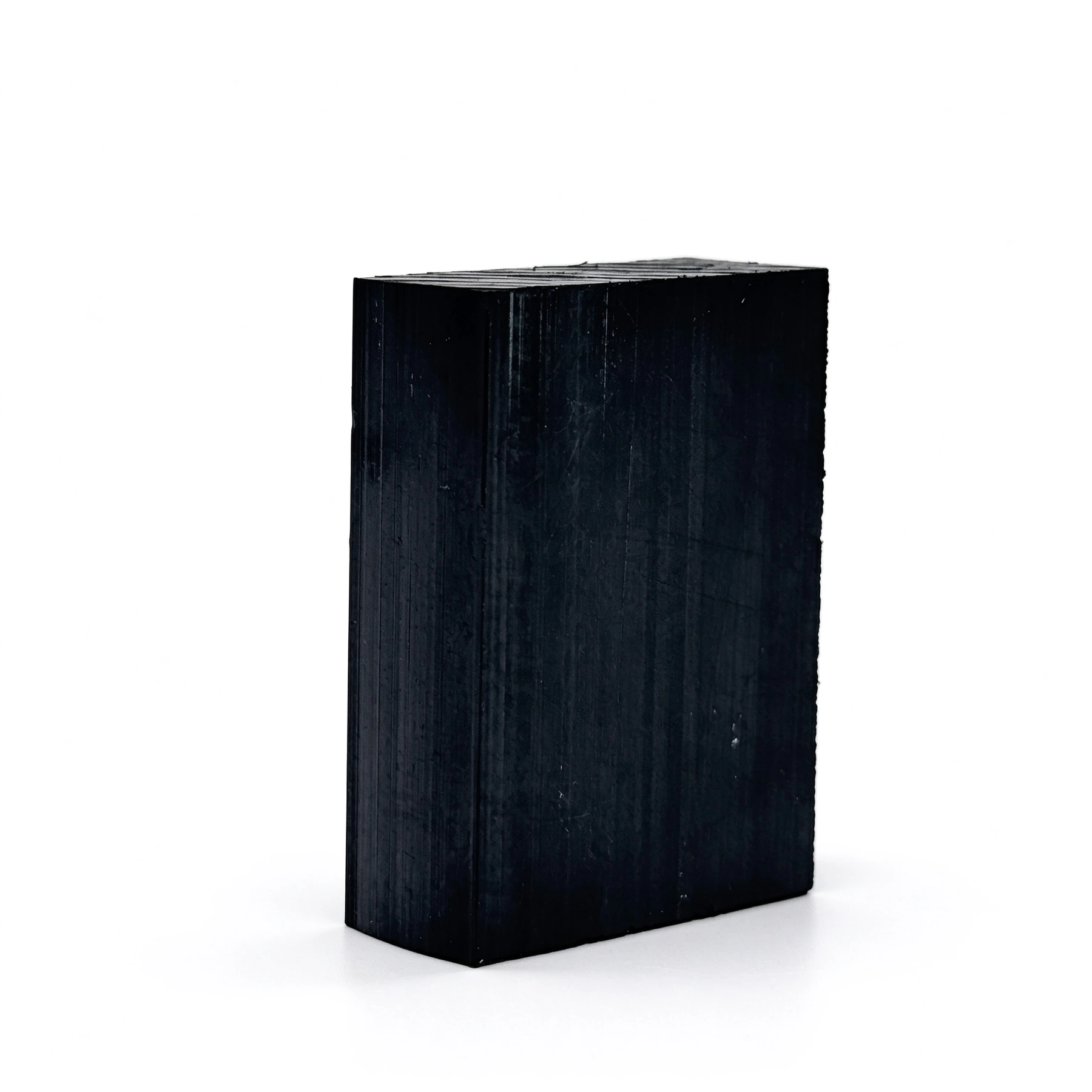
| Property | Details |
|---|---|
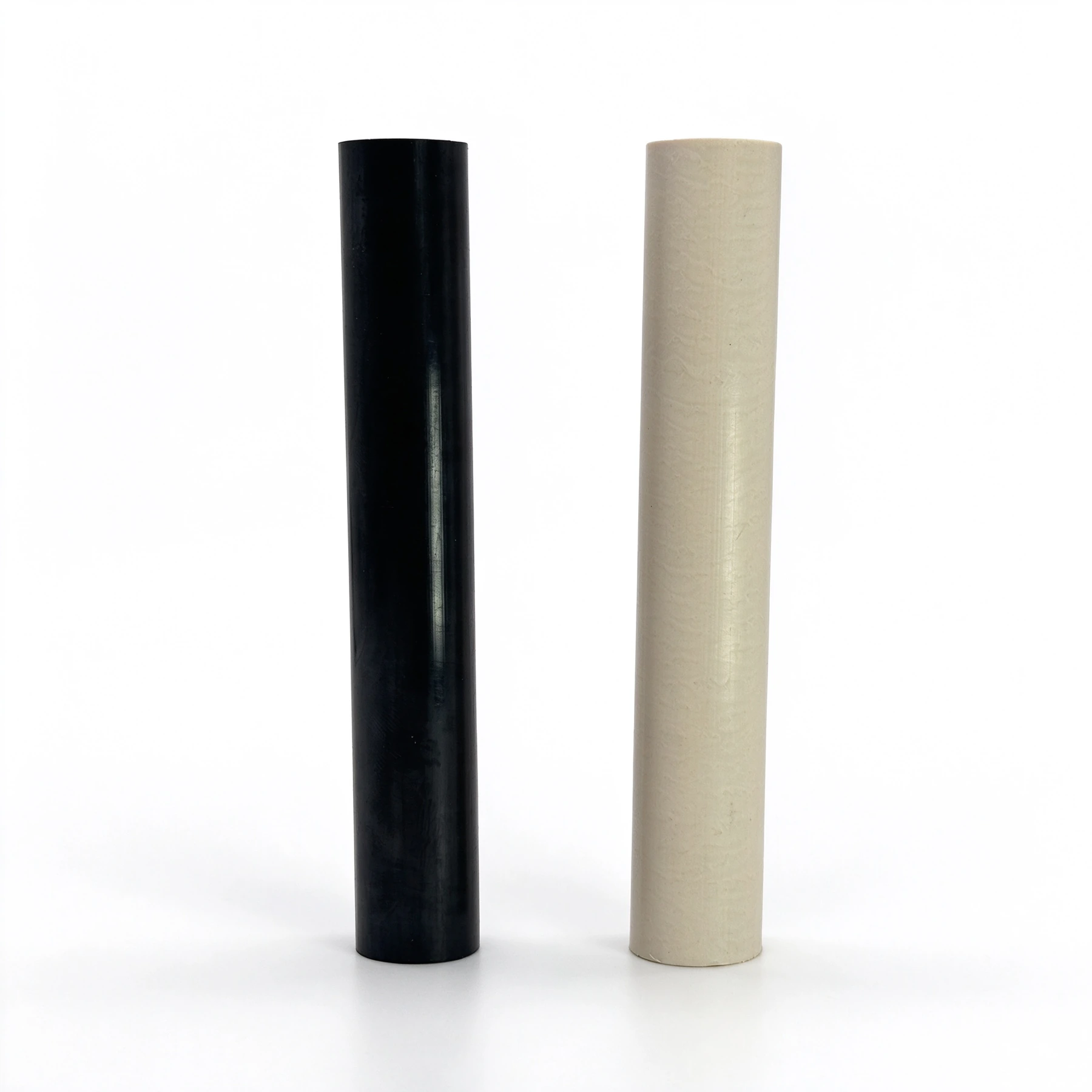
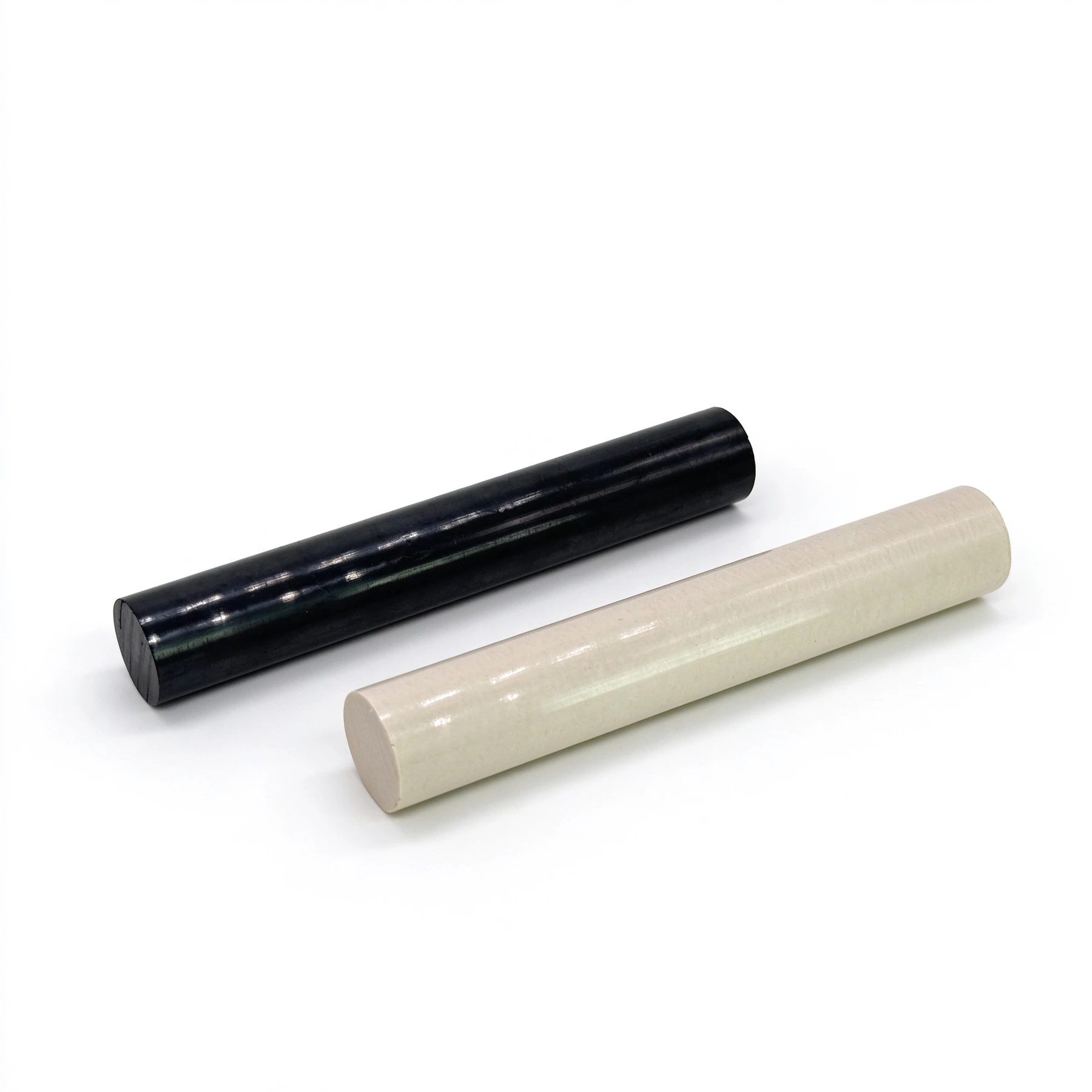
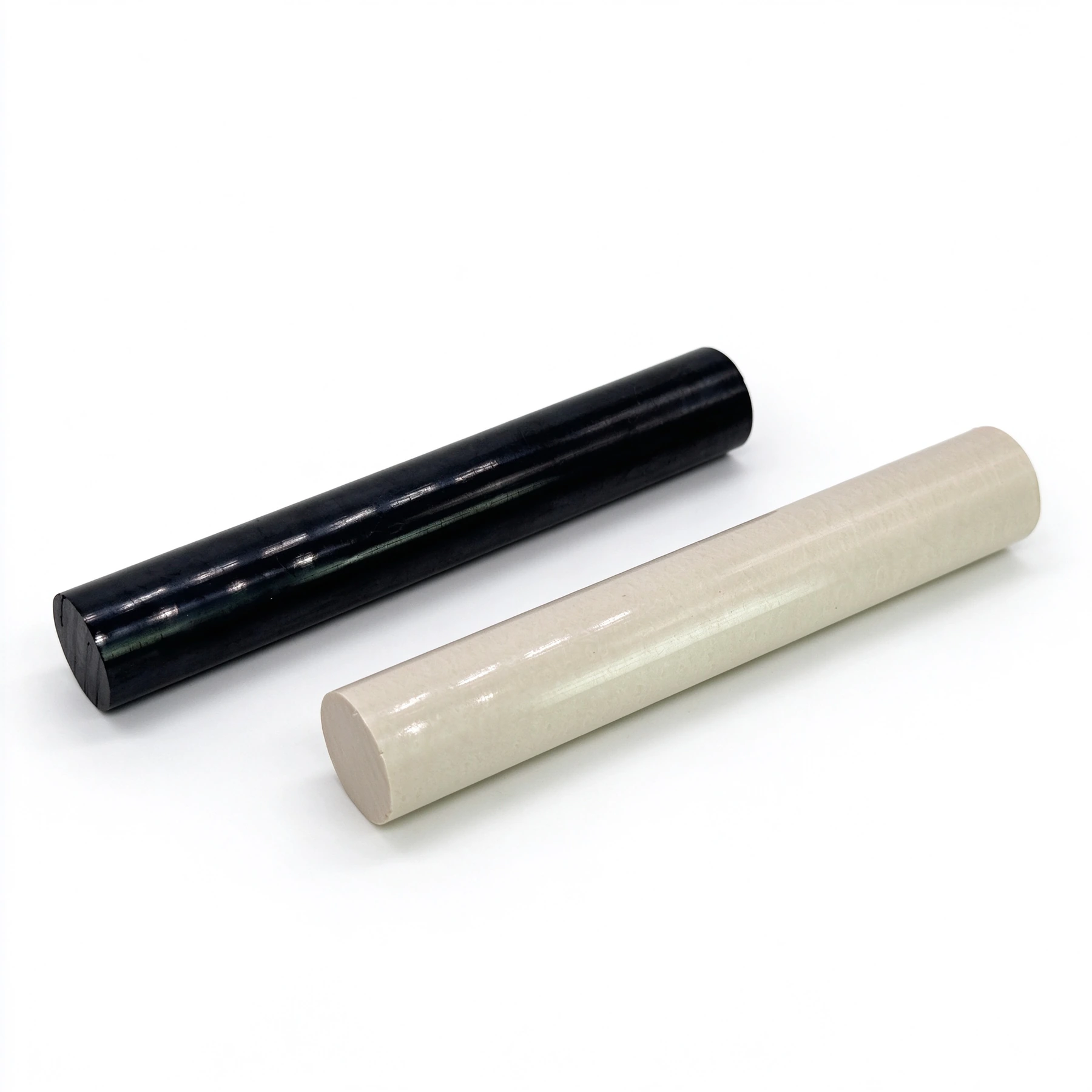
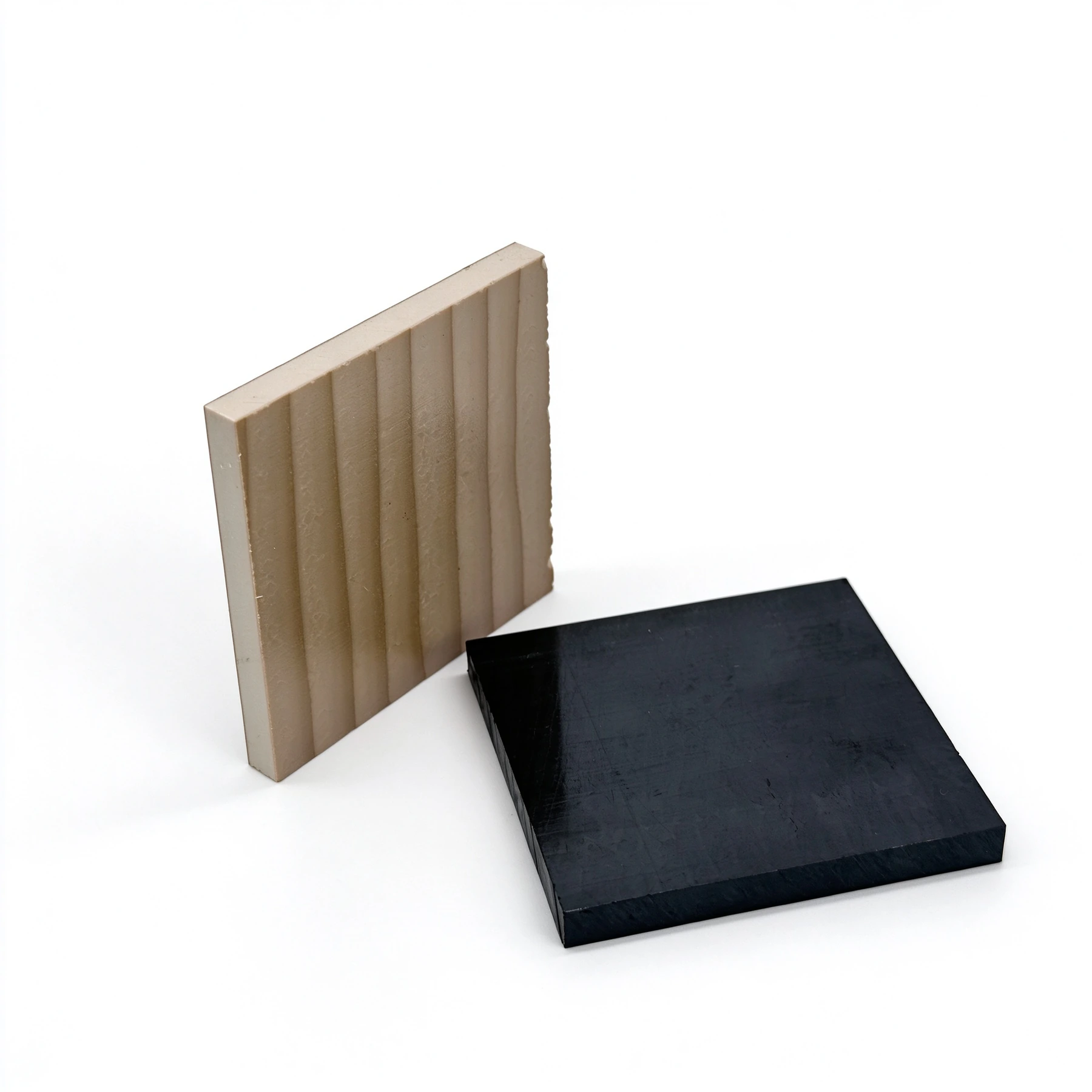
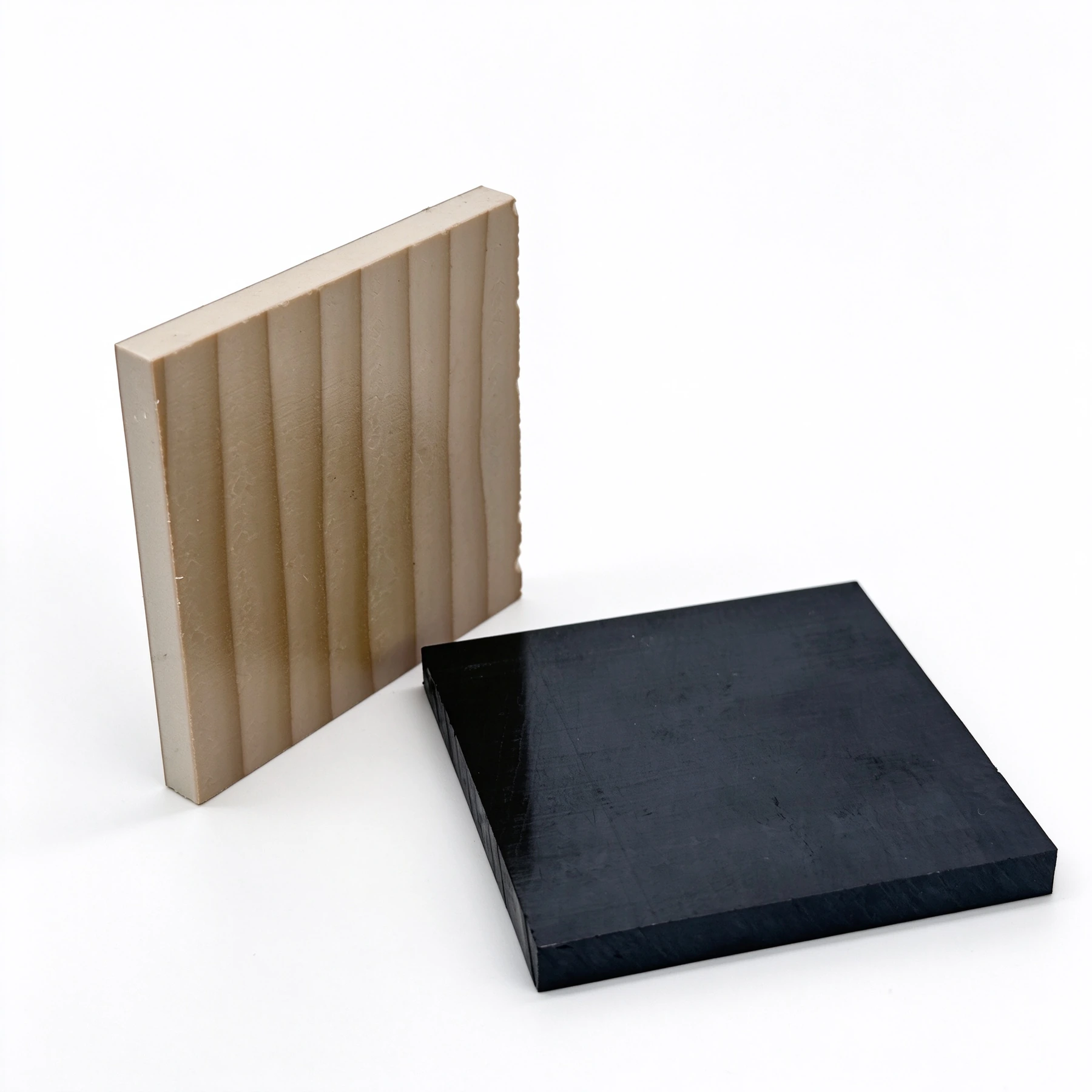
| Available variants | PPS+GF30 White, PPS Black, PPS White, PPS+GF30 Black |
| Colors | Black, White, Natural brown |
| Special properties | Glass-filled and glass/mineral-filled grades are common and can substantially raise stiffness and heat performance; verify the selected grade and flame rating. |
Detailed values describe Celanese Fortron 0205, unfilled PPS (2019-11-05). Family ranges are broader selection references and may include different grades or reinforcement levels. Confirm the selected grade, condition and test method for your part.
| Property | Metric | Imperial | Test method / conditions |
|---|---|---|---|
| Density | 1.35 g/cm³ | 0.0488 lb/in³ | ISO 1183 · 23°C · Reference: Celanese Fortron 0205, unfilled PPS (2019-11-05) |
| Molding Shrinkage | 1.2~1.5 % | 1.2~1.5 % | ISO 294-4 · Flow / transverse direction · Reference: Celanese Fortron 0205, unfilled PPS (2019-11-05) |
| Water Absorption (saturated) | 0.02 % | 0.02 % | ISO 62 · Saturated at 23°C · Reference: Celanese Fortron 0205, unfilled PPS (2019-11-05) |
| Tensile Modulus | 4,000 MPa | 580,000 psi | ISO 527 · 23°C · Reference: Celanese Fortron 0205, unfilled PPS (2019-11-05) |
| Tensile Stress at Break | 66 MPa | 9,570 psi | ISO 527 · 5 mm/min · Reference: Celanese Fortron 0205, unfilled PPS (2019-11-05) |
| Tensile Strain at Break | 2.0 % | 2.0 % | ISO 527 · 5 mm/min · Reference: Celanese Fortron 0205, unfilled PPS (2019-11-05) |
| Flexural Modulus | 3,900 MPa | 566,000 psi | ISO 178 · 23°C · Reference: Celanese Fortron 0205, unfilled PPS (2019-11-05) |
| Flexural Strength | 130 MPa | 18,900 psi | ISO 178 · 23°C · Reference: Celanese Fortron 0205, unfilled PPS (2019-11-05) |
| Notched Izod | 2.0 kJ/m² | 0.95 ft·lb/in² | ISO 180/1A · 23°C · Reference: Celanese Fortron 0205, unfilled PPS (2019-11-05) |
| Rockwell Hardness | M95 (M scale) | M95 (M scale) | ISO 2039-2 · Reference: Celanese Fortron 0205, unfilled PPS (2019-11-05) |
| HDT (1.80 MPa) | 115 °C | 239 °F | ISO 75-2/A · 1.80 MPa · Reference: Celanese Fortron 0205, unfilled PPS (2019-11-05) |
| Melting Temperature | 280 °C | 536 °F | ISO 11357 · Reference: Celanese Fortron 0205, unfilled PPS (2019-11-05) |
| Flammability | V-0 (UL94) | V-0 (UL94) | UL 94 · Reference: Celanese Fortron 0205, unfilled PPS (2019-11-05) |
| Property | Family reference |
|---|---|
| Material class | High-performance plastic |
| Density (g/cm³) | 1.35–1.70 |
| Tensile strength (MPa) | 65–150 |
| Elongation at break (%) | 1–3 |
| Elastic modulus (GPa) | 3.8–13 |
| Hardness | M95–R123 |
| Temperature reference (°C) | HDT 110–270 |
Injection molding after drying, with supplied reference melt temperatures around 300–320°C and mold temperatures above 130°C. Limited CNC work is possible in suitable stock. Use appropriate reinforced grades for loaded components. Unfilled and reinforced HDT values differ substantially, so keep grade and load attached to each value.
Low moisture uptake, dimensional stability and chemical resistance. Suitable grades provide flame resistance and prolonged high-temperature performance.
Unfilled PPS is brittle. Natural colors tend toward brown, processing temperatures are high and cost exceeds general-purpose plastics.
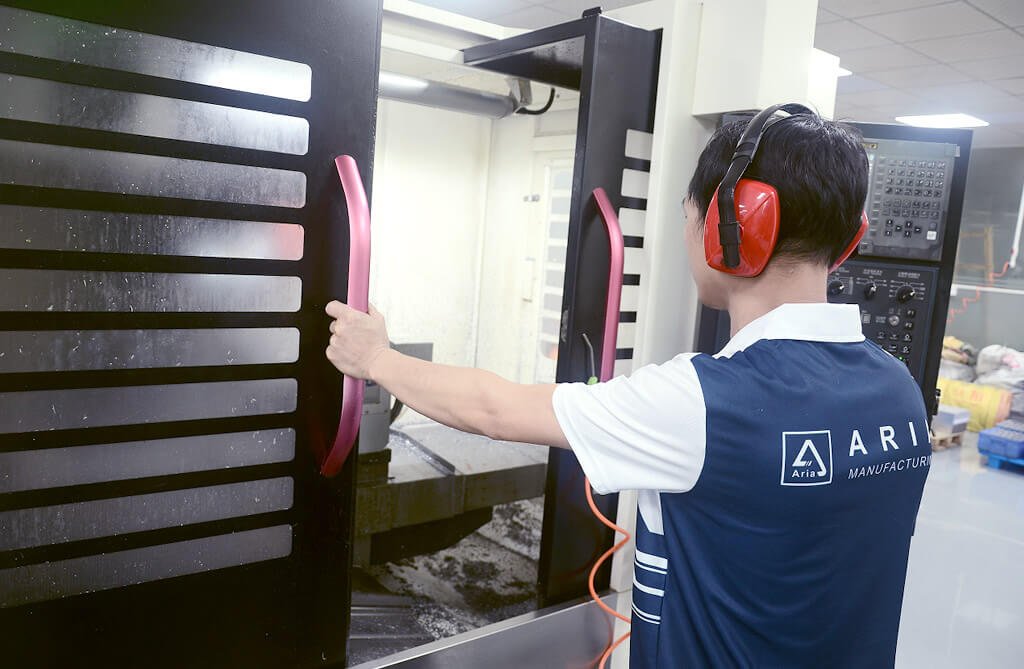
Compare materials for the loads, temperature and environment your part will face.
We review tool access, geometry and material choice before manufacturing.
Dimensional checks and inspection reports for the critical features on your drawing.
Use appropriate reinforced grades for loaded components. Unfilled and reinforced HDT values differ substantially, so keep grade and load attached to each value. Laser marking and plasma treatment. Electroplating is generally unsuitable.
Heat-resistant automotive and electronic components, connectors, pump and valve parts, chemical-handling parts and precision structures.
Injection molding after drying, with supplied reference melt temperatures around 300–320°C and mold temperatures above 130°C. Limited CNC work is possible in suitable stock.
Laser marking and plasma treatment. Electroplating is generally unsuitable.
Use appropriate reinforced grades for loaded components. Unfilled and reinforced HDT values differ substantially, so keep grade and load attached to each value.
Natural light brown to brown. Black and other dark colors; light colors are limited.
PPS grades are available for sustained high-temperature applications. Celanese describes Fortron continuous-use capability extending toward 240°C, but the allowable temperature depends on grade, loading, exposure and required lifetime. Fortron 1140L4 is a 40% glass-fiber-reinforced example; its stiffness and heat-deflection behavior must not be inferred from the unfilled 0205 data shown here. A heat-deflection result above 260°C for a reinforced grade is not a continuous-use rating.
Upload your CAD files and tell us the material and quantity you need.
Talk to an engineer